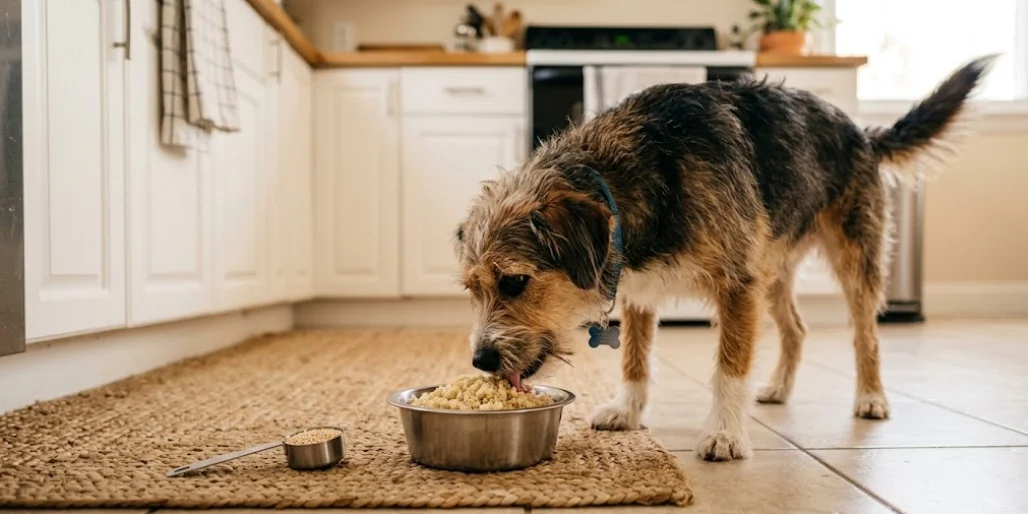
Sharing quinoa with your dog can be a fantastic way to boost their diet with valuable nutrients. This guide will walk you through how to safely introduce quinoa, its many health benefits, and practical serving tips to ensure your pup enjoys this healthy addition without any upset.
Understanding Quinoa
What is Quinoa?
Quinoa, often mistaken for a grain, is actually a seed that comes from a plant related to spinach and beets. It’s a fantastic ingredient that has gained immense popularity in human diets due to its nutritional density. For our furry friends, understanding what quinoa is forms the foundation of knowing why it can be a beneficial part of their diet. Many wonder, “Can dogs eat quinoa?” and the answer is generally yes, with proper preparation.
Nutritional Profile of Quinoa
The nutritional profile of quinoa is quite impressive, making it a potentially nutritious addition to your dog’s diet. It is packed with protein, containing all nine essential amino acids, which is rare for a plant-based food. Furthermore, quinoa boasts a good amount of fiber, which can aid in digestion, along with important vitamins and minerals such as magnesium, phosphorus, and folate. This makes quinoa a suitable option for dogs and can be a great way to enhance their overall health.
Is Quinoa Safe for Dogs?
Yes, quinoa is safe for dogs to eat, provided it’s prepared correctly and offered in moderation. Before cooking, raw quinoa has a natural coating called saponin, which can cause an upset stomach, vomiting, or diarrhea if ingested by your pup. However, thorough rinsing and cooking effectively remove this saponin, making cooked quinoa perfectly safe for dogs. Always ensure you are feeding plain quinoa, without any added spices or ingredients that might be toxic to dogs.
Benefits of Quinoa for Dogs
Health Benefits of Quinoa
Quinoa offers a wealth of health benefits, making it a valuable addition to your dog’s diet. It is a fantastic source of protein, providing all the essential amino acids necessary for muscle development and overall health. Furthermore, the fiber content in cooked quinoa aids in healthy digestion, which can prevent issues like diarrhea and upset stomach. Many veterinarians suggest that a small amount of quinoa can be a nutritious food topper.
How Quinoa Supports Dog Nutrition
Beyond its protein and fiber, quinoa is packed with important vitamins and minerals, including magnesium, phosphorus, and folate, all crucial for supporting your pup’s overall well-being. This gluten-free superfood contributes to balanced nutrition, especially when mixed in small amounts with their regular kibble. Introducing quinoa to your dog’s diet can help ensure they receive a broad spectrum of nutrients.
Comparing Quinoa with Other Dog Foods
When considering “can dogs eat quinoa” and how it stacks up against other dog food options, it’s clear that quinoa offers a complete protein source rarely found in plant-based ingredients. Unlike some common fillers, plain quinoa is easily digestible and provides a rich nutrient profile that can complement commercial dog food. It’s a healthy alternative to less nutritious grains and can enhance the quality of your dog’s meals.
How to Prepare Quinoa for Your Dog
Steps to Prepare Quinoa
Preparing quinoa for your dog is simple but crucial to ensure it’s safe. First, thoroughly rinse raw quinoa under cold water to remove saponin, which can cause an upset stomach or vomiting. Then, cook the quinoa with water (two parts water to one part quinoa) until it’s fluffy and all the water is absorbed. Always serve plain quinoa; never add spices, salt, or other ingredients that might be toxic to dogs.
Feeding Guidelines: How Much Quinoa?
When introducing this new food, always start with quinoa in small amounts to see how your pup reacts, especially if they have digestive issues. For small dogs, a teaspoon or two mixed with their regular food is sufficient. Larger adult dogs can have up to a tablespoon or two. This moderation helps prevent any potential upset stomach or diarrhea and ensures a smooth transition to sharing quinoa with your dog.
Dog Food Recipes with Quinoa
Incorporating quinoa for dogs into recipes is easy. Once you have plain cooked quinoa, you can mix it into their regular kibble as a food topper. For a special treat, combine cooked quinoa with other dog-safe ingredients like lean ground turkey or steamed carrots and green beans. Always ensure all ingredients are safe for dogs and introduce any new food slowly to avoid an upset stomach.
Feeding Quinoa to Your Dog Safely
Signs of Allergies or Reactions
Even though quinoa is generally safe for dogs, it’s vital to monitor your pup for any signs of an allergic reaction or upset stomach, especially when introducing this new food. Symptoms like vomiting, diarrhea, excessive itching, or unusual lethargy after giving your dog quinoa could indicate an issue. If you observe any of these signs, stop feeding quinoa immediately and consult your veterinarian to ensure your dog’s overall health isn’t compromised.
Combining Quinoa with Other Foods
When you mix quinoa with other foods for your dog, it becomes a nutritious addition to your dog’s regular kibble. Once you have plain cooked quinoa, you can combine it with lean proteins like chicken or turkey, or with dog-safe vegetables such as carrots and green beans. This balanced nutrition helps ensure your pup gets a variety of essential amino acids and vitamins and minerals without overdoing it on any single ingredient, making it a healthy food topper.
When to Avoid Feeding Quinoa
While quinoa can be a nutritious food for dogs, there are times when it’s best to avoid feeding quinoa. If your dog has a history of digestive issues, a sensitive stomach, or a known allergy to other plant-based proteins, it’s wise to consult your veterinarian before giving your dog quinoa. Also, always avoid quinoa before cooking it thoroughly to remove saponin, as raw quinoa can be toxic to dogs and cause an upset stomach or vomiting.
Conclusion
Final Thoughts on Quinoa for Dogs
Ultimately, the question “can dogs eat quinoa?” is met with a positive answer, provided it’s prepared and served correctly. Cooked quinoa, in moderation, can be a fantastic source of essential amino acids, fiber, and various vitamins and minerals, contributing to your pup’s overall health and balanced nutrition. Always remember to serve plain quinoa, introduce it in small amounts to adult dogs and small dogs alike, and watch for any signs of an upset stomach or diarrhea to ensure safe feeding quinoa to your dog.
Additional Resources: Grains & Carbs Dogs Can and Can’t Eat
For those curious to delve deeper into other plant-based options and what other grains and carbs might be suitable for their furry friends, you can find more comprehensive information in our guide on Grains & Carbs Dogs Can and Can’t Eat. This resource offers valuable insights into safe and unsafe food for dogs, helping you make informed decisions about your dog’s diet.
About Pawandbreeds
Pawandbreeds is dedicated to providing pet owners with reliable and expert-backed information to help ensure the health and happiness of their beloved companions.
FAQ
Q: Can dogs eat quinoa, or is it one of those foods dogs should avoid?
A: Good news, dogs can eat quinoa! It’s actually one of the safer grains out there compared to some other foods dogs might struggle to digest. Quinoa isn’t toxic and can be a decent addition to your pup’s diet when prepared the right way. Just don’t go overboard, moderation is key with any new food.
Q: So what’s the deal when people ask “can dogs eat” quinoa safely every day?
A: Small amounts of plain cooked quinoa can be given fairly regularly, but it shouldn’t replace a balanced diet or become an everyday staple unless your vet says otherwise. Think of it more like an occasional topper or treat mixed into their regular food rather than a main course. Every dog is different, so what works for one pup might not work for yours.
Q: Why do some dog owners worry about the saponin found in quinoa?
A: This is a legit concern! The quinoa plant produces saponin, a natural chemical coating on the seeds that acts as a defense against bugs and pests. In large amounts, saponin can cause tummy troubles like gas, bloating, or diarrhea in dogs. That’s exactly why you should always wash the quinoa before cooking it, this simple step rinses off most of that bitter, potentially irritating coating.
Q: What nutrients and minerals that support a dog’s health are found in quinoa?
A: Quinoa provides a nice mix of protein, fiber, iron, magnesium, and B vitamins. These are minerals that support healthy digestion, energy levels, and even gut health in both humans and dogs. It’s actually considered a complete protein source, which is pretty impressive for a plant-based food. Unlike some grains like wheat or corn, quinoa also tends to be easier on dogs with mild grain sensitivities.
Q: Is quinoa a good option for homemade dog food recipes?
A: Definitely! Lots of dog owners like using quinoa in homemade dog meals because it’s versatile and nutrient-dense. You can mix it with lean protein, veggies, and a bit of healthy fat to create a balanced homemade dog meal. Just remember that homemade dog diets need proper balance, so it’s smart to consult a vet or pet nutritionist before making it a regular thing.
Q: Are there dogs who shouldn’t eat quinoa at all?
A: Yep, unfortunately not every pup is a good candidate. Dogs may be sensitive to quinoa, especially if they have existing digestive issues, allergies, or are prone to kidney problems since quinoa contains oxalates. If your dog has never eaten quinoa before, start with a tiny amount and monitor your dog closely for at least 24 hours for any signs of upset stomach, itching, or unusual behavior.
Q: How does quinoa compare to other grains like rice or oats for dogs?
A: Quinoa generally holds its own pretty well against grains like rice or oats. It’s got more protein and fiber than white rice, and it doesn’t contain the gluten found in wheat-based products. That said, quinoa contains more fat than plain white rice, so it’s not necessarily “better” across the board, it really depends on your dog’s specific needs and any health conditions they have.
Q: Can quinoa affect a dog’s blood sugar levels?
A: Quinoa has a moderate glycemic index, meaning it shouldn’t cause dramatic spikes in blood sugar levels for most healthy dogs. However, if your dog has diabetes or another condition affecting blood sugar regulation, it’s best to always consult your vet before adding quinoa or any new carb source to their meals. Better safe than sorry when it comes to managing chronic health conditions.
Q: What’s the best way to feed your dog quinoa for the first time?
A: Start small! Cook the quinoa plain (no salt, butter, or seasoning), rinse it thoroughly beforehand, and let it cool down completely. Mix just a spoonful into their regular food and watch how they react over the next day or so. If all goes well, you can gradually increase the portion, but it should still just be a supplement to their main diet, not a replacement.
Q: Should quinoa replace the best dog food options already recommended by vets?
A: Nope, quinoa should never replace a high-quality commercial diet or the best dog food formulated specifically for your dog’s breed, age, and health needs. Think of quinoa as a bonus ingredient or occasional treat rather than the foundation of their diet. Complete and balanced nutrition matters way more than any single “superfood” grain, so keep that in mind before making big dietary changes.