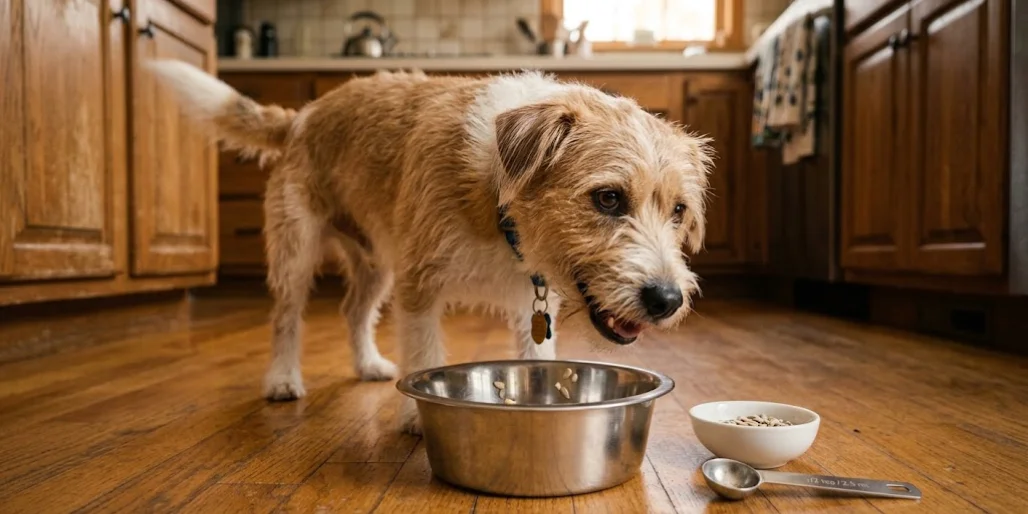
It can be quite concerning when your beloved pup gets into something they shouldn’t, especially a whole bag of sunflower seeds. While you might be worried, the good news is that sunflower seeds are generally not toxic to dogs. However, there are several factors to consider, from the quantity consumed to the type of seeds, that can impact your dog’s health.
Understanding Sunflower Seeds
What Are Sunflower Seeds?
Sunflower seeds are the fruit of the sunflower plant, encased in a black and white striped shell. We often enjoy them as a snack, and it’s understandable to wonder if your canine companion can partake. These small, nutrient-dense seeds are popular in human diets, but when it comes to dogs eating sunflower seeds, there are specific details we need to explore to ensure their safety and well-being.
Nutritional Benefits of Sunflower Seeds
Sunflower seeds contain several beneficial nutrients that could potentially offer advantages for your pup in small amounts. They are particularly rich in vitamin E, which is a powerful antioxidant that supports cell health and can improve a dog’s skin and coat. Additionally, these seeds provide magnesium, essential for muscle and nerve function, and healthy fats, which contribute to shiny dog’s skin.
Can Dogs Eat Sunflower Seeds?
Yes, dogs can eat sunflower seeds, but only in moderation and under specific conditions. Plain sunflower seeds, specifically shelled sunflower seeds and unsalted varieties, are generally safe for dogs. The key is to avoid flavored sunflower seeds, as these often contain seasonings that are bad for dogs. While sunflower seeds are not toxic to dogs, it’s crucial to understand the risks associated with eating too many sunflower seeds.
Risks of Feeding Sunflower Seeds to Dogs
Salt and Seasoning Concerns
When considering if dogs can eat sunflower seeds, it’s really important to pay attention to salt and other seasonings. Many human-grade sunflower seeds, especially those in a bag of sunflower seeds, are heavily salted or flavored. Just like in humans, too much salt is bad for dogs and can lead to sodium ion poisoning, which can be very serious. Flavored sunflower seeds often contain garlic or onion powder, both of which are toxic to dogs, so it’s best to avoid sunflower seeds altogether if they aren’t plain and unsalted.
How Many Sunflower Seeds Are Safe?
Determining how many sunflower seeds are safe for dogs depends on several factors, including the dog’s size and overall health. Generally, only very small amounts of plain, shelled sunflower seeds are advisable. A few shelled seeds, perhaps one to five depending on the dog’s size, can be an occasional treat, but anything more can lead to issues. Large quantities, especially from a whole bag of sunflower seeds, can cause digestive upset and are high in fat, potentially leading to pancreatitis.
Signs of Distress After Eating
If your dog eats sunflower seeds and shows signs of distress, it’s crucial to act quickly. Watch out for symptoms like vomiting, diarrhea, lethargy, or abdominal pain, which can indicate digestive upset or a reaction to too much fat. Ingesting sunflower seed shells can also be a choking hazard for small dogs or lead to an internal blockage. If you suspect your pup is unwell after eating sunflower seeds, especially if they consumed a large amount or the shells, it’s always best to contact your veterinarian for advice.
Safely Feed Sunflower Seeds to Your Dog
Moderation is Key
When it comes to feeding sunflower seeds to your dog, moderation is absolutely key. Even though sunflower seeds contain beneficial nutrients like vitamin E and healthy fats, too many sunflower seeds can lead to problems. Small amounts of plain, unsalted, shelled sunflower seeds can be an occasional treat, but remember that these are high in fat. Giving your dog too many can result in digestive upset, and in severe cases, pancreatitis, which is very serious for dogs.
Alternative Seeds Dogs Can Eat
If you’re looking for other seeds your dog can eat, there are several safe alternatives that can be part of a healthy dog’s diet. Pumpkin seeds, for example, are another good option, often praised for their beneficial fatty acid content and can be fed to your pup in moderation, similar to plain sunflower seeds. Always ensure any seeds you offer are shelled, unsalted, and plain to avoid issues like salt toxicity or choking hazards from sunflower seed shells.
When to Consult a Veterinarian
It’s always wise to consult your veterinarian if you have concerns about your dog eating sunflower seeds or any new food. If your dog eats sunflower seeds and shows signs of distress such as vomiting, diarrhea, lethargy, or if they consumed a large bag of sunflower seeds, particularly with shells, it’s crucial to contact your vet immediately. They can provide guidance and check for potential issues like an internal blockage or if the amount of fat consumed is too high.
Conclusion
Final Thoughts on Dogs and Sunflower Seeds
In conclusion, while dogs can eat sunflower seeds, it’s imperative to offer them in very small amounts, ensuring they are shelled, unsalted, and plain. Avoid sunflower seeds altogether if they are flavored or come with shells, as these pose risks like salt poisoning, choking hazards, or digestive upset from too much fat. When safely feeding sunflower seeds to your dog, remember that moderation is vital to keep your pup healthy and happy.
Additional Resources
For more in-depth information on what your dog can and can’t safely consume, it’s always helpful to explore reliable resources. Understanding canine nutrition is crucial for your pet’s well-being. You might find our “Nuts & Seeds Dogs Can and Can’t Eat” guide particularly useful for further insights into safe snacks for your furry friend.
About Pawandbreeds
At Pawandbreeds, we are dedicated to providing comprehensive and reliable information to help pet owners ensure their beloved companions lead healthy and happy lives.
FAQ
Q: My dog got into a bag of sunflower seeds, are dogs OK after eating a bunch of them?
A: Okay, don’t panic! In most cases your pup will be totally fine after eating some sunflower seeds, especially if they were plain and unsalted. But the number of seeds matters a lot here. A few stray seeds off the floor? No biggie. A whole bag? That’s when you might see some digestive issues like vomiting or diarrhea show up. If your dog seems uncomfortable or something seems off, call your vet just to be safe.
Q: What seeds can dogs eat safely, and are sunflower seeds bad for dogs?
A: Plain sunflower seeds aren’t inherently bad for dogs in small amounts, they actually have some decent vitamins and minerals in them. The problem usually comes from how they’re prepared. Seeds can dogs eat safely are the plain, unsalted, shell-removed kind. Sunflower seeds bad for dogs situations usually involve salted seeds, seasoned seeds, or ones still in the shell. So it’s less about the seed itself and more about the extras that come with it.
Q: Are the shells of sunflower seeds dangerous for my pup?
A: Yes, this is actually one of the bigger concerns! Shells of sunflower seeds are tough and fibrous, and dogs don’t exactly chew their food like polite dinner guests. Shells are hard for a dog’s digestive system to break down, and shells can cause blockages in the intestines if a dog swallows a bunch of them whole. Plus, they pose a choking hazard, especially for smaller pups. Always go for seeds that are removed from the shell if you’re sharing any with your dog.
Q: What if the seeds are salted, does that make a difference?
A: Big time difference, actually! When seeds are salted, that changes the whole equation. Too much sodium isn’t great for dogs and can lead to excessive thirst, urination, or in serious cases, sodium ion poisoning if they eat a large quantity. If your dog snagged a bag of salted sunflower seeds, keep an eye on their water intake and behavior. When in doubt, check with your veterinarian, especially if a big bag disappeared and not just a handful.
Q: Is sunflower oil or sunflower butter okay for dogs too?
A: These are generally safer than whole seeds since there’s no shell or choking risk involved. Sunflower oil is sometimes even used in small amounts in dog food for coat health. Sunflower butter can be a fun treat too, but check the ingredient list first! Some brands sneak in xylitol, which is seriously toxic to dogs, or add extra sugar and salt that isn’t great for your pup’s waistline.
Q: Can sunflower seeds contribute to weight gain in dogs?
A: They sure can if you’re not careful. Sunflower seeds are pretty calorie-dense and fatty, so a pup munching on them regularly, or scarfing down a big bag in one sitting, could pack on some extra pounds over time. Moderation is key here. Treats like these should never make up a big chunk of your dog’s daily diet.
Q: My dog is prone to pancreatitis, should I be extra worried?
A: Absolutely, this is a situation where you want to be more cautious. Sunflower seeds are fatty, and if your dog is prone to pancreatitis or has a history of pancreatitis, that fat content could trigger a painful and dangerous flare-up. Symptoms like vomiting, lethargy, or abdominal pain after eating seeds should prompt an immediate call to your vet. It’s just not worth the risk for dogs with this kind of medical history.
Q: What does the American Kennel Club say about dogs eating sunflower seeds?
A: The American Kennel Club and most veterinary sources agree that plain, unsalted sunflower seeds in moderation aren’t toxic to dogs. However, they also emphasize that shells, seasonings, and large quantities are where the real risks lie. It’s not on their list of dangerous foods like chocolate or grapes, but it’s also not something they recommend as a regular treat.
Q: Should I worry more about raw or toasted sunflower seeds?
A: Both raw or toasted sunflower seeds are generally okay in small, plain, shelled amounts, there isn’t a huge difference in safety between the two. What matters more is whether they’re seasoned or salted and whether the shells are still attached. Toasted seeds sometimes come with added oils or flavorings though, so always check the ingredient list before sharing any with your furry friend.
Q: What about pumpkin seeds, are those a safer alternative for my dog?
A: Pumpkin seeds are actually a great alternative and often recommended by vets! They’re packed with nutrients, easier to digest, and don’t come with the same shell-related risks if you get the shelled kind. Many dog owners swap sunflower seeds for pumpkin seeds as a healthier snack option. Either way, talk to your vet before making seeds a regular part of your dog’s diet, just to make sure it fits with their specific health needs.