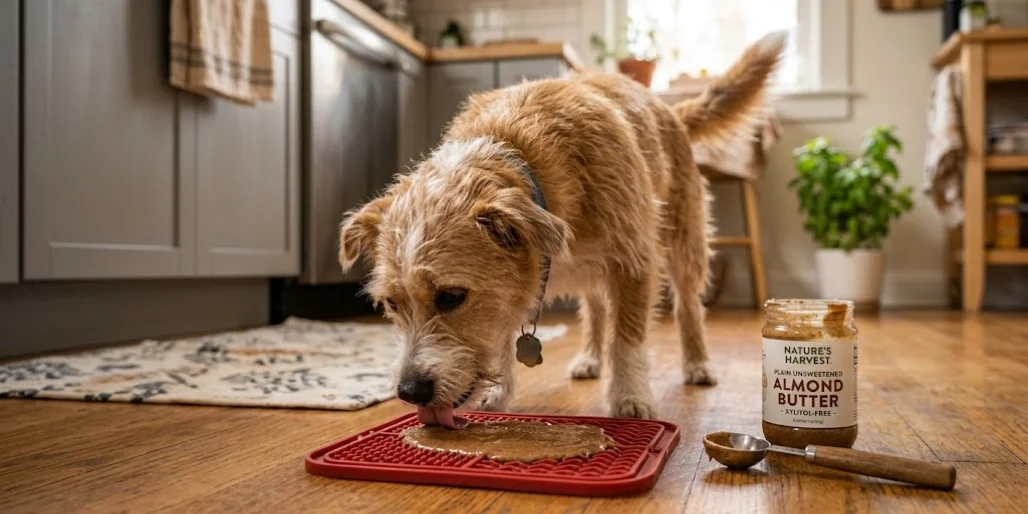
It’s a common question among pet parents: can our furry friends safely enjoy almond butter? This guide delves into the safety of almond butter for dogs, explores potential benefits, and highlights important considerations before sharing this human treat with your beloved pup.
Understanding Almond Butter for Dogs
Delving into the world of almond butter for dogs means understanding what it is, its potential upsides, and the crucial safety aspects. Many pet owners wonder if this popular human food can be a beneficial or even harmful addition to their dog’s diet, especially given the widespread love for peanut butter among canines.
What Is Almond Butter?
Almond butter is a creamy spread made from ground roasted almonds, often with a touch of salt or other ingredients. It’s a popular alternative to peanut butter, particularly for those with peanut allergies. While humans enjoy the rich taste of almond butter, its composition raises questions about its suitability as a treat for dogs, especially concerning added ingredients and nutritional value.
Benefits of Almond Butter for Dogs
While not a primary dog food, almond butter, in small amounts, can offer some benefits due to its nutritional content. Almonds contain vitamins like E, magnesium, and healthy fats. Some pups might enjoy the novel taste of almond butter, making it a potentially appealing treat. However, these benefits must be weighed against the risks and the overall nutritional needs of your furry friend.
Is Almond Butter Safe for Dogs?
The short answer is that plain, unsweetened almond butter is generally safe for dogs in very small moderation, but with significant caveats. Unlike some nuts such as macadamia nuts or black walnuts, almonds aren’t toxic to dogs. However, the biggest concern with almond butter is often the added ingredients, especially the artificial sweetener xylitol, which is highly toxic to dogs. Always read the label carefully to ensure there are no harmful additives when considering giving your dog almond butter.
Alternatives to Peanut Butter
Why Choose Almond Butter as an Alternative?
For many dog parents, the quest for a safe and enjoyable treat leads them to explore alternatives to peanut butter, especially if their pup has peanut allergies or if they are concerned about the quality of some commercial peanut butter products. Almond butter can be a great alternative due to its similar creamy texture that dogs love, and when unsweetened, it can be a relatively safe option. It offers a slightly different nutritional profile compared to peanut butter, making it an interesting occasional treat for your furry friend.
Other Nut Butters Safe for Dogs
Beyond almond butter, there are other nut butters that dogs can eat safely, provided they are plain and unsweetened. Cashew butter, made from roasted cashews, is another good option that many pups find palatable. Always ensure any nut butter you offer is free from xylitol, which is toxic to dogs, and other artificial sweeteners or excessive salt. Small amounts of these nut butters can be a fun and safe treat, adding variety to your dog’s snack time.
Nut Butters to Avoid
While some nut butters are safe for dogs in moderation, others are definitely to be avoided due to their toxicity or high fat content. Macadamia nuts are highly toxic to dogs and should never be given in any form, including macadamia nut butter. Walnuts and pecans also pose risks due to their potential to harbor mold that produces tremorgenic mycotoxins, which can be harmful. It’s crucial to read the label carefully and stick to dog-safe options to ensure the well-being of your pup.
Feeding Almond Butter to Dogs
How to Safely Feed Almond Butter
When introducing almond butter to your dog, safety is paramount. Always opt for plain, unsweetened almond butter with no added salt or artificial sweeteners like xylitol. A good practice is to check the ingredients list thoroughly to ensure it’s just roasted almonds. You can offer a tiny lick from a spoon or spread a small amount on a puzzle toy to keep your pup entertained. This helps ensure your dog can digest it without issues and makes it a fun, safe treat.
Portion Control for Dog Parents
Moderation is key when giving your dog almond butter. While almonds aren’t toxic to dogs, almond butter is high in fat and calories. Too much can lead to weight gain or even pancreatitis in sensitive pups. For most dogs, a tiny amount, like half a teaspoon for small dogs or a full teaspoon for larger dogs, a couple of times a week is sufficient. Always consider your dog’s size, activity level, and overall diet to determine appropriate portion sizes.
Signs of Allergy in Dogs
Even with dog-safe foods, some pups can develop an allergy. If you’re giving your dog almond butter for the first time, watch for any signs of an allergic reaction. Symptoms can include itching, hives, swelling (especially around the face), vomiting, diarrhea, or difficulty breathing. If you notice any of these signs, stop giving the almond butter immediately and contact your veterinarian. It’s always best to introduce new human food slowly and in very small amounts to monitor for any adverse reactions.
FAQs About Dogs and Nut Butters
Can Dogs Eat Almonds?
While the article primarily focuses on almond butter, it’s natural to wonder about whole almonds. The good news is that almonds aren’t toxic to dogs. However, whole almonds present a choking hazard, especially for smaller pups, and their hard shells can cause digestive upset or even blockages. Therefore, it’s generally safer to avoid giving whole almonds to your furry friend. If you do offer them, ensure they are slivered or finely chopped and given in very small moderation to prevent any issues.
What Should You Avoid When Feeding Nut Butters?
When offering any nut butter to your dog, there are crucial ingredients to avoid to ensure it’s safe for your pup. The absolute top priority is to check for xylitol, an artificial sweetener that is highly toxic to dogs, even in small amounts. Also, steer clear of excessive salt, added sugars, and chocolate, which is also toxic to dogs. Opt for plain peanut butter, almond butter, or cashew butter that contains only roasted nuts and nothing else, making it a truly safe treat for dogs.
Are Almonds Toxic to Dogs?
To reiterate and clarify a common concern, almonds aren’t toxic to dogs in the same way macadamia nuts or xylitol are. The primary issues with giving almonds to your pup stem from their high fat content, which can lead to pancreatitis, and their hard texture, which poses a choking risk or potential for gastrointestinal obstruction. While a tiny, unseasoned almond might not cause immediate harm, it’s generally best to stick to specific dog-safe treats and avoid whole almonds altogether.
Conclusion
Final Thoughts on Almond Butter for Dogs
In conclusion, plain, unsweetened almond butter can be a safe treat for dogs when given in very small moderation. While not a necessary part of their diet, it offers an alternative to peanut butter, especially for pups with peanut allergies. Always prioritize checking the label for harmful ingredients like xylitol and remember that due to its high fat content, too much almond butter can lead to health issues. Your furry friend’s well-being is paramount, so always introduce new human food cautiously.
Additional Resources for Dog Parents
Being a dog parent comes with many questions about what our pups can and can’t eat. To help you navigate the vast world of canine nutrition, it’s always wise to consult reliable resources. Your veterinarian is the best source for personalized advice regarding your dog’s specific dietary needs. Additionally, reputable pet health websites and dog food guides can offer valuable insights into safe foods and those to avoid, ensuring your dog eats a healthy and balanced diet.
Learn More About What Dogs Can and Can’t Eat
Understanding which human foods are safe for your dog and which are not is crucial for their health and happiness. For a comprehensive guide on various nuts and seeds, you can learn more about what dogs can and can’t eat by exploring resources dedicated to dog-safe foods. This includes detailed information on topics such as the safety of different nut butters, the dangers of certain seeds, and general dietary guidelines to keep your pup healthy. Pawandbreeds aims to provide helpful information to dog parents like you.
FAQ
Q: Can dogs eat almond butter, and is it actually safe?
A: The short answer is yes, dogs can eat almond butter in small doses, but it’s not exactly a superfood for them either. Almonds themselves aren’t toxic like some other nuts, but almond butter is also high in fat, which can mess with your pup’s digestive systems if they eat too much. If you wanna treat your dog to a lick every now and then, that’s fine, just don’t make it a daily habit.
Q: Why do dogs adore almond butter and other nut butters so much?
A: Honestly, dogs adore the taste of pretty much anything creamy and rich, and nut butters made from almonds or peanuts hit that spot perfectly. It’s the same reason peanut butter for dogs is such a popular treat option. That sweet, fatty, sticky texture is basically doggy heaven. Just because they enjoy a taste of it though doesn’t mean it should replace their regular dog food.
Q: Is peanut butter for dogs a better option than almond butter?
A: Generally speaking, yes. Peanut butter for dogs is more commonly recommended because it’s cheaper, easier to find in dog-friendly versions, and there’s way more research on how dogs handle it. Almond butter isn’t dangerous in small amounts, but peanut butter tends to be the go-to since so many pet food companies already make peanut butter flavored treats and products.
Q: What ingredients found in nut butters should I watch out for?
A: This is super important. Always check the label before giving your dog any nut butter. Some ingredients found in store-bought jars are particularly dangerous, especially the popular sweetener xylitol, which is often used in sugar-free peanut butter or almond butter. Xylitol is extremely toxic to dogs even in small amounts. Also watch for added salt, since high sodium isn’t great for their systems either.
Q: Should I avoid almond butter completely for my dog?
A: You don’t have to avoid almond butter entirely, but you should be cautious. Almonds aren’t as toxic as some other types of nuts like macaroon or pistachio, but they’re still not the easiest thing for dogs to digest. If your dog has food allergies or a sensitive stomach, it might be smarter to just skip the almond butter jar altogether and stick to safer treats.
Q: Can dogs eat other types of nut the same way they eat almond butter?
A: Not really, no. Many nuts are actually harmful to dogs, and some, like macadamia nuts, can be seriously toxic. Pistachio nuts can also pose a choking hazard because of their shape and size, plus they’re high-fat which isn’t great either. When it comes to types of nut butters, almond and peanut are usually the safest choices, but even those should be given in moderation.
Q: How much almond butter can I give my dog safely?
A: Small amounts are key here. Think a teaspoon here and there, not spoonfuls every day. Because almond butter is also high in fat, overdoing it can lead to an upset stomach or even pancreatitis in more serious cases. The amount and monitor approach works best, meaning you should monitor your pet closely after giving them a new treat to see how their body reacts.
Q: Are there risks of choking or blockages from almond butter?
A: Almond butter alone doesn’t really pose a choking risk since it’s smooth, but whole almonds definitely can, especially for small breeds. That’s why store-bought almond butter is a safer option than letting your dog snack on whole nuts. Nuts in general can also pose a choking hazard, so it’s better to stick to the butter form in small doses.
Q: Does every dog react the same way to almond butter?
A: Nope, not at all. Every dog is different, just like people. Some pups can enjoy a taste without any issues, while others might get an upset tummy or show signs of food allergies. This is why it’s smart to introduce new treats slowly and monitor your pet’s reaction before making it a regular thing.
Q: What’s the best way to treat your dog with nut butters overall?
A: If you wanna treat your dog with something tasty, go for dog-friendly, sugar-free options without xylitol, and always check the label first. Peanut butter for dogs is usually the safest and most recommended option, but almond butter can be a fine occasional treat too. Just remember, moderation is everything, and pet food formulated for dogs should still make up the bulk of their diet.