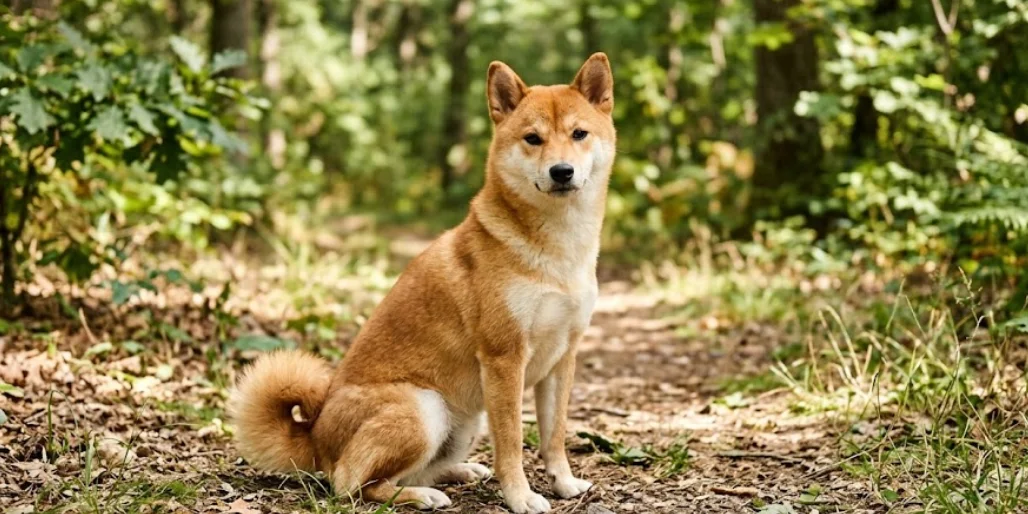
The Shiba Inu, a captivating and spirited dog breed from Japan, is known for its fox-like appearance and bold personality. This guide offers future and current Shiba Inu owners essential information to ensure a happy and healthy life for these unique companions, including details on:
- The breed’s history and temperament
- Grooming and training
History of the Shiba Inu
Origins and Ancestry
The history of the Shiba Inu is long and fascinating, stretching back thousands of years to ancient Japan. This breed was originally developed to hunt small game in the mountainous regions of Japan, making them agile and keen hunters. Their lineage is deeply rooted in the country’s past, evolving alongside the people they served.
Evolution of the Breed
Over centuries, the Shiba Inu dog breed adapted to its environment, becoming robust and independent. The breed faced near extinction during World War II, but dedicated efforts from Japanese breeders helped revive its numbers. These resilient dogs were selectively bred for their hunting prowess and distinctive physical traits.
Shiba Inu in Modern Times
Today, the Shiba Inu is a beloved companion dog worldwide, celebrated for its unique Shiba Inu personality and striking looks. While no longer primarily hunters, their ancient instincts remain, influencing their temperament and behavior. They are now cherished family members, bringing joy to countless households globally.
Shiba Inu Temperament
Personality Traits
The Shiba Inu temperament is often described as bold, spirited, and confident, making them a captivating breed. They possess a strong will and an independent nature, often exhibiting a cat-like demeanor. Their intelligence is high, but their stubborn streak means consistent training is key for any Shiba Inu owner.
Behavior with Family
Shiba Inus are typically loyal and affectionate with their families, forming strong bonds with those they trust. However, they can be reserved with strangers and are not always the most outwardly demonstrative dogs. Their protective instincts make them excellent watchdogs, always alert to their surroundings.
Interaction with Other Pets
When it comes to other pets, the Shiba Inu’s strong prey drive, inherited from their hunting ancestry, can pose challenges, especially with small animals. Early socialization and careful introductions are crucial for them to coexist peacefully with other household pets. Positive reinforcement training can help manage these natural tendencies.
Grooming Your Shiba Inu
Understanding the Shiba Inu Coat
The Shiba Inu boasts a distinctive double coat, a crucial feature for this breed that requires specific attention from any Shiba Inu owner. This thick, soft undercoat provides insulation, while the stiffer outer coat protects them from the elements. Understanding the unique structure of the Shiba Inu coat is essential for effective grooming and maintaining their healthy skin and fur.
Brushing and Bathing Tips
Regular brushing is vital for the Shiba Inu, especially during their “blow out” periods when they shed their undercoat heavily, typically twice a year. Using a slicker brush or de-shedding tool can help manage this impressive amount of fur. While Shibas are generally clean dogs, occasional bathing is necessary, but avoid overdoing it to protect their natural oils and maintain the integrity of their double coat.
Trimming and Nail Care
Trimming a Shiba Inu usually involves tidying up stray hairs around their paws and ears, rather than extensive cutting, as their coat type doesn’t require complex styling. Nail care is paramount; regular nail trims prevent discomfort and potential health issues. If you’re a first-time dog owner, consider seeking guidance from a professional groomer or veterinarian on proper nail clipping techniques for your Shiba Inu.
Shiba Inu Health and Care
Common Health Issues
While the Shiba Inu is generally considered a healthy breed, like all breeds, they can be prone to certain common health issues. Awareness of these potential concerns allows Shiba Inu owners to be proactive in monitoring their dog’s well-being and seeking early veterinary intervention if needed.
| Category | Common Health Issues |
| Orthopedic | Patellar luxation, Hip and elbow dysplasia |
| Ocular | Certain eye conditions |
Regular Vet Check-ups
Consistent, regular vet check-ups are fundamental for maintaining the long-term health of your Shiba Inu. These routine visits allow your veterinarian to monitor your dog’s overall health, provide necessary vaccinations, and screen for early signs of potential issues. Establishing a good relationship with your vet is a key part of responsible Shiba Inu ownership, ensuring your adult dog receives the best preventative care.
Nutrition and Dog Food Recommendations
Providing a high-quality dog food is crucial for your Shiba Inu to maintain a healthy weight and optimal energy levels. Look for reputable brands that prioritize whole ingredients and are appropriate for your Shiba Inu’s life stage, whether a growing puppy or an adult dog. Discuss specific dietary needs and recommendations with your veterinarian to ensure your Shiba Inu receives balanced nutrition tailored to their individual requirements.
Exercise Needs of Shiba Inus
Daily Activity Requirements
Shiba Inus, while adaptable, have significant exercise needs that must be met to maintain a healthy weight and disposition. These energetic dogs require regular exercise to prevent boredom and destructive behaviors. Aim for at least 30-60 minutes of vigorous activity daily, which can include brisk walks, jogging, or playtime in a securely fenced yard, ensuring their physical and mental well-being.
Fun Activities and Games
Beyond daily walks, engaging your Shiba Inu in fun activities and games is crucial for their mental stimulation and strengthening your bond. Shibas often enjoy games that mimic their natural hunting instincts, such as fetch or hide-and-seek. Agility training or puzzle toys can also be excellent ways to channel their intelligence and energy, providing enrichment for your Shiba Inu.
Socialization Needs
Early and consistent socialization is paramount for the Shiba Inu dog breed to ensure they grow into well-adjusted adult dogs. Exposing your Shiba Inu puppy to various sights, sounds, people, and other friendly dogs from a young age can help them develop appropriate social skills. This prevents potential aggression or excessive timidity, making them more comfortable and confident in different situations.
Training a Shiba Inu
Basic Commands and Obedience
Training a Shiba Inu requires patience and consistency, as their independent temperament can sometimes make them a challenge. Focus on basic commands like “sit,” “stay,” “come,” and “leave it” using positive reinforcement methods. Keep training sessions short, fun, and engaging to maintain your Shiba Inu’s attention and prevent them from becoming bored or stubborn.
House Training Tips
House training a Shiba Inu puppy can be a straightforward process with a consistent routine. Establish a regular schedule for potty breaks, taking your Shiba Inu outside frequently, especially after waking up, eating, and playing. Reward successful eliminations with praise and treats, and be prepared for occasional accidents, which are a normal part of puppy development.
Dealing with Stubbornness
Shiba Inus are known for their strong will and independent nature, which can manifest as stubbornness during training. When dealing with this, avoid harsh corrections and instead focus on positive reinforcement and making training sessions enjoyable. Understanding your Shiba Inu’s personality and finding what motivates them, whether it’s high-value treats or their favorite toy, is key to overcoming their inherent stubbornness.
Advice for Shiba Inu Owners
Puppy Care Essentials
Caring for Shiba Inu puppies requires dedication and and understanding of this unique dog breed. Ensuring they receive proper puppy food formulated for their growth is crucial. Early socialization is also key, exposing your Shiba Inu puppy to various sights, sounds, and experiences from a young age to help them develop a well-rounded temperament. Consistent training from day one will set them up for success as an adult dog.
Finding a Reputable Breeder
When looking to bring a Shiba Inu into your home, finding a reputable breeder is paramount. A good breeder will prioritize the health and temperament of their Shiba Inu puppies, performing necessary health screenings for common health issues and providing a healthy environment. They should be transparent, answer all your questions, and allow you to meet the puppy’s parents, giving you insight into the potential Shiba Inu temperament of your new companion.
Adopting a Shiba Inu
Adopting a Shiba Inu, whether a puppy or an adult dog, can be an incredibly rewarding experience. Many Shibas in shelters are looking for their forever homes. When considering adoption, be prepared to meet the specific exercise needs and training requirements of this unique breed. Adopting can offer a second chance to a Shiba Inu in need, and often these dogs are already house-trained and past their most rambunctious puppy stage.
Shiba Inu Common Questions
Common Questions About the Breed
Many prospective Shiba Inu owners have common questions about this captivating breed. Understanding their personality and size is also important before committing to this spirited dog.
| Common Question | Answer |
| Shedding Habits | They shed significantly, especially twice a year during their “blow out.” |
| Exercise Needs | Regular exercise is essential to maintain a healthy weight and prevent boredom. |
Understanding Shiba Inu Behavior
Understanding Shiba Inu behavior is key to a harmonious relationship with this independent dog breed. Their “Shiba scream” is a distinctive vocalization often used when excited or displeased, and it’s a unique part of their Shiba Inu personality. They also possess a strong prey drive, making interactions with small animals something to manage carefully. Consistent training and positive reinforcement are vital for shaping their spirited temperament.
Resources for New Owners
For new Shiba Inu owners, numerous resources can help navigate the journey of owning this distinctive dog. The Shiba Club of America offers valuable information on the breed, from health to training. Online forums and experienced dog owners can provide practical advice on everything from grooming the double coat to addressing specific Shiba Inu health concerns. Remember, consistent training and fulfilling their exercise needs are crucial for a happy Shiba Inu.
FAQ
Q: What exactly is the Shiba Inu dog breed, and where did it come from?
A: So the shiba inu breed is actually one of the oldest dog breeds out there, originally from Japan where they were used for hunting small game in mountainous terrain. They’re basically a compact, muscular type of dog with a fox-like face and that iconic curled tail. If you’re just starting to learn about the shiba, know that this breed has been around for centuries and hasn’t changed much genetically, which is pretty cool if you think about it.
Q: What’s the deal with shiba inu size? Are they small or medium dogs?
A: Great question! Shiba inu size is often misunderstood by folks who’ve never met one in person. They’re technically a small-to-medium breed, with males usually hitting around 23 pounds and females a bit lighter. Height-wise they’re around 14-17 inches at the shoulder. Don’t let the small size fool you though, they’ve got big dog energy packed into that little frame, especially when it comes to their attitude.
Q: How would you describe a shiba inu’s personality in a nutshell?
A: Oh boy, where do we start. The shiba’s personality is famously described as cat-like, and honestly that’s pretty accurate. They’re independent, a little stubborn, super clean (they groom themselves like cats), and they don’t really do the whole “desperate for attention” thing other breeds are known for. Shiba inu personality traits also include being alert, bold, and sometimes downright sassy. They’ll love you, but on their own terms.
Q: Is owning a Shiba Inu a good idea for someone who’s never had a dog before?
A: Honestly? Probably not the best pick for an inexperienced dog owner. This is considered an independent breed that needs firm, consistent dog training from day one. Owning a shiba inu means dealing with a dog that will test boundaries and might decide your rules are more like suggestions. If you’re new to dog parents life, you might want to start with something a bit more eager-to-please before jumping into shiba ownership.
Q: Where can I find reputable Shiba Inu breeders for getting shiba inu puppies?
A: Finding a reputable shiba inu breeder takes some homework, but it’s worth it. Look for breeders who health-test their shiba inu parents, let you meet the puppy’s mom and dad, and are happy to answer a million questions. Avoid anyone selling shiba puppies without proper documentation or who seems shady about health records. A good breeder actually wants to interview YOU to make sure their puppies go to good homes, not just anyone with cash.
Q: What colors do Shiba Inus come in, like is black and tan common?
A: Yep, black and tan is one of the classic and most recognized color patterns for this breed, along with the more famous red/orange and the less common cream. Whatever the coloring, their coat is typically thick and double-layered, which means shedding is a real thing you’ll deal with as an owner.
Q: What should go into a proper shiba inu diet?
A: Shiba inu diet needs are pretty standard for an active breed of their size, meaning high-quality protein-rich food is key. Shiba inus are generally not picky eaters, but some can be sensitive to certain ingredients, so watch out for allergies. Portion control matters too since they can pack on weight if you’re not careful, and that active lifestyle needs fuel but not overfeeding.
Q: Are Shiba Inus prone to certain health issues I should know about?
A: Like most purebreds, shibas are prone to certain health conditions including hip dysplasia, patellar luxation (kneecap issues), allergies, and eye problems like glaucoma. This is exactly why going through a reputable shiba inu breeder matters so much, since they screen for these genetic issues before breeding. Regular vet checkups help catch anything early too.
Q: My shiba inu keeps trying to chase small animals in the yard, is that normal?
A: Totally normal, don’t worry! Remember these dogs were originally bred for hunting, so the instinct to chase small animals like squirrels, rabbits, and even cats is baked right into their DNA. This is part of why a secure, fenced yard is non-negotiable with this breed, and why leash training is so important. Their prey drive is strong, so recall training takes extra patience.
Q: Is the Shiba Inu breed right for my family and lifestyle?
A: This comprehensive guide should help you figure that out honestly. If you want a low-maintenance cuddly lap dog, this probably isn’t the right breed for you. But if you appreciate a clean, cat-like, independent companion who’s fiercely loyal despite seeming aloof, and you’re ready for consistent training and an active lifestyle, then yeah, a shiba inu could be your perfect match. Just make sure you’re ready for the commitment before falling for those adorable puppy photos.