The Scottish Deerhound is a magnificent, ancient breed known for its noble appearance and gentle nature. This guide will delve into the rich history, distinctive characteristics, and unique care requirements of these impressive canines, offering valuable insights for both prospective and current Scottish Deerhound owners.
Breed Profile of the Scottish Deerhound
History of the Scottish Deerhound
The Scottish Deerhound’s history is deeply intertwined with the Scottish Highlands, where they were revered for their ability to hunt the formidable red deer. This ancient breed, often called the “Royal Dog of Scotland,” has a lineage stretching back centuries. Originally bred by chieftains and nobility, their exclusive ownership contributed to their rarity, making them a truly distinctive sighthound.
Physical Characteristics
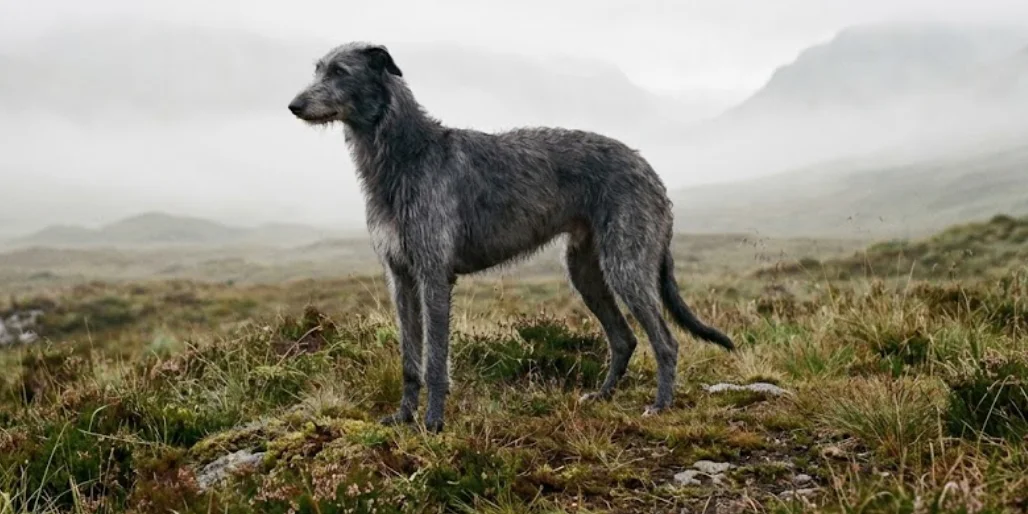
The Scottish Deerhound possesses a striking and elegant appearance, often resembling a rough-coated greyhound but on a much larger scale. Their distinctive wiry coat, typically blue-grey, provides protection against harsh weather. These sighthounds have a graceful, athletic build, characterized by long legs, a deep chest, and a powerful, agile frame perfectly suited for speed and endurance in challenging terrain.
Size and Weight
Scottish Deerhounds are undeniably a large breed, often classified among the giant breeds. Males typically stand between 30 and 32 inches tall at the shoulder, with females slightly smaller, usually around 28 inches. Their weight can range significantly, with males weighing between 85 and 110 pounds, and females between 75 and 95 pounds.
Temperament and Behavior
Personality Traits
Despite their imposing size, Scottish Deerhounds are renowned for their gentle, affectionate, and docile temperament. They are known to be incredibly loyal to their families, displaying a calm and dignified demeanor indoors. This breed is often described as “gentle giants,” making them wonderful companions for those seeking a loving and tranquil presence in their home.
Socialization Needs
Early socialization is crucial for a Scottish Deerhound puppy to ensure they grow into well-adjusted adults. Exposing a deerhound puppy to a variety of sights, sounds, people, and other animals from a young age helps develop their confidence and good manners. This foundation is key to mitigating potential shyness and ensuring they are comfortable in different environments.
Interaction with Children and Other Pets
Scottish Deerhounds generally interact well with children and other pets, especially if raised with them from a young age. Their gentle and patient nature makes them suitable companions for respectful children. However, due to their strong prey drive as a sighthound, introductions to smaller pets like cats or rabbits should be managed carefully and always supervised to ensure safety.
Exercise Needs for Scottish Deerhounds
Daily Activity Requirements
Scottish Deerhounds, despite their calm indoor demeanor, are sighthounds built for speed and require a good amount of daily exercise to stay healthy and happy. While they aren’t hyperactive, regular opportunities for them to stretch their long legs in a safely fenced area are crucial. Aim for at least 30-60 minutes of moderate activity each day for these magnificent deerhounds.
Recommended Exercises
For this large breed, recommended exercises include brisk walks, jogging, and, most importantly, opportunities for off-leash running in a securely fenced area. Their strong prey drive means that deerhounds should never be exercised off-leash in unfenced spaces. Lure coursing can also be a fantastic outlet for their natural sighthound instincts, allowing them to truly open up and run.
Impact of Exercise on Health
Appropriate exercise is vital for the overall health of a Scottish Deerhound. It helps maintain a healthy weight, strengthens their muscles and bones, and supports good cardiovascular health. Regular activity also contributes to a balanced temperament, reducing the likelihood of boredom-related behaviors. Without sufficient exercise, a deerhound may become restless or gain unhealthy weight, impacting their lifespan.
Health Considerations
Common Health Issues in Scottish Deerhounds
Scottish Deerhounds, like many giant breeds, are prone to certain health concerns. Common issues include bloat (gastric dilatation-volvulus), bone cancer (osteosarcoma), and dilated cardiomyopathy (DCM). Another notable condition is Factor VII deficiency, a blood clotting disorder. Prospective deerhound owners should be aware of these potential issues and discuss them with their breeder.
Preventive Healthcare
Preventive healthcare is paramount for a Scottish Deerhound’s well-being. Regular veterinary check-ups, a balanced diet, and appropriate exercise are foundational. For conditions like bloat, owners should learn the symptoms and consider preventive gastropexy surgery. Early detection through regular screenings for heart conditions and bone cancer can significantly improve outcomes, ensuring a longer, healthier lifespan for your beloved deerhound.
Diet and Nutrition
Proper diet and nutrition are essential for a Scottish Deerhound, supporting their large frame and overall health. High-quality dog food formulated for large or giant breeds is recommended. Pay close attention to portion control to prevent obesity, which can exacerbate joint problems and other health issues. Consulting with your veterinarian about the best dietary plan for your specific deerhound puppy or adult dog is always a good idea.
Puppy Information
Choosing a Scottish Deerhound Puppy
When considering adding a Scottish Deerhound puppy to your family, it’s essential to understand the unique needs of this magnificent large breed. Look for a puppy that appears healthy, is bright-eyed, and has a curious yet gentle temperament. A responsible breeder will be transparent about the puppy’s lineage, health screenings of the parents, and the specific care needs for a deerhound puppy, ensuring you get a well-adjusted and healthy companion.
Early Training Tips
Early training is crucial for a Scottish Deerhound puppy, given their size and sighthound instincts. Focus on positive reinforcement methods, as these intelligent but sensitive dogs respond best to kindness and consistency. Start with basic obedience commands, house-training, and leash training from a young age. Early socialization, exposing your deerhound puppy to various sights, sounds, and people, will help them grow into a well-behaved adult dog.
Finding a Reputable Breeder
Finding a reputable Scottish Deerhound breeder is paramount to ensuring a healthy and well-tempered deerhound puppy. A good breeder will prioritize the health and temperament of their dogs, conducting all recommended health screenings for conditions like dilated cardiomyopathy, bloat, and bone cancer. They should be transparent, happy to answer questions, and allow you to meet the puppy’s parents. The Scottish Deerhound Club of America is an excellent resource for finding ethical breeders.
Grooming and Care
Coat Care and Grooming Needs
The distinctive wiry coat of a Scottish Deerhound requires regular care to maintain its condition and keep your sighthound looking its best. While not overly demanding, their rough coat needs weekly brushing to remove loose hair and prevent mats. Hand-stripping a few times a year can also help maintain the texture and health of the coat, ensuring it remains protective against the elements.
Bathing and Nail Care
Bathing a Scottish Deerhound should only be done when necessary, as excessive bathing can strip the natural oils from their wiry coat. Use a dog-specific shampoo and ensure thorough rinsing. Nail care is essential for this large breed; regular trimming, ideally every 2-4 weeks, prevents discomfort and potential paw issues. Early introduction to nail care will make the process easier for both you and your deerhound.
Seasonal Grooming Tips
Seasonal grooming for your Scottish Deerhound involves adjusting care based on the weather. In warmer months, continue regular brushing to manage shedding and check for ticks, especially if your deerhound spends time outdoors. During colder seasons, their rough coat provides good insulation, but ensure it remains clean and dry after outdoor activities to prevent skin irritation. Always be mindful of their overall comfort and health.
Similar Breeds
Comparison with Other Hound Breeds
When comparing the Scottish Deerhound to other hound breeds, their distinctive characteristics as a sighthound truly stand out. While all hounds share a hunting heritage, the Scottish Deerhound, much like the Greyhound, relies on speed and sight to pursue prey, contrasting with scent hounds that track by smell. Their elegant yet rugged build and calm temperament set them apart, making them a unique and cherished large breed among the hound family.
Other Sighthound Breeds
Beyond the Scottish Deerhound, the world of sighthounds includes other magnificent breeds like the Irish Wolfhound and the Greyhound. The Irish Wolfhound shares a similar noble appearance and immense size, though often with a slightly different coat texture. Greyhounds, while smaller, embody the pure speed that defines the sighthound group. Each of these sighthounds possesses a strong prey drive, requiring securely fenced areas for off-leash exercise, but they all share an affectionate and gentle nature indoors.
Choosing Between Breeds
Choosing between similar breeds like the Scottish Deerhound, Irish Wolfhound, or Greyhound comes down to specific lifestyle and preferences. If you admire a giant, rough-coated, affectionate canine with a dignified temperament, the Scottish Deerhound might be your ideal match. Consider their specific exercise needs, grooming requirements for their wiry coat, and potential health concerns like dilated cardiomyopathy or bloat. Researching each breed’s profile thoroughly will help you make an informed decision for your family.
Resources and Support
Scottish Deerhound Club of America
The Scottish Deerhound Club of America is an invaluable resource for both prospective and current Scottish Deerhound owners. This esteemed organization provides comprehensive information on the breed, including details on temperament, health concerns like Factor VII deficiency and bone cancer, and responsible breeding practices. They are dedicated to the welfare and preservation of the Scottish Deerhound breed, offering support and guidance for proper care.
Breeder Directory
Finding a reputable breeder is crucial when looking for a Scottish Deerhound puppy. The Scottish Deerhound Club of America offers an official breeder directory, helping you connect with ethical breeders who prioritize the health and temperament of their deerhounds. These breeders conduct necessary health screenings, such as those for dilated cardiomyopathy (DCM) and bloat, ensuring you bring home a healthy, well-adjusted deerhound puppy.
Dog A-Z Breeds Guide
For those seeking broader dog breed information, a comprehensive resource like the “Dog A-Z Breeds Guide” can be incredibly helpful. This guide offers insights into a vast array of dog breeds, providing general knowledge that complements the specific details found for the Scottish Deerhound. It’s an excellent starting point for understanding different canine temperaments, exercise needs, and health considerations before narrowing down your choice to a specific breed.
FAQ
Q: What exactly is a Scottish Deerhound dog breed, and where did it come from?
A: So the Scottish Deerhound is basically an ancient sighthound that comes straight outta the Highland regions of Scotland. These dogs were bred to hunt red deer back in the day, working alongside hunters chasing down game across rough terrain. They’re tall, elegant, and kinda look like a rougher, bigger cousin of the Greyhound. The American Kennel Club and United Kennel Club both recognize the breed, so it’s not some obscure thing, it’s got legit kennel club status.
Q: How big do these dogs actually get?
A: They’re big boys and girls, no doubt about it. Males typically stand around 30 to 32 inches at the shoulder, and females are usually a bit smaller but still substantial. This is a deep-chested breed, which honestly matters a lot when it comes to health stuff we’ll get into later. Their size is part of why they were so good at hunting deer back in the Highland days, they needed the speed and reach to keep up with fast game.
Q: What’s the deal with Scottish Deerhound health issues I should know about?
A: Okay so scottish deerhound health is honestly one of the biggest things to research before bringing one home. Because they’re a deep-chested breed, bloat (gastric torsion) is a real risk and can be life threatening fast, so owners gotta know the warning signs. They can also be prone to heart issues and, like a lot of larger breeds, some lameness problems as they age. Responsible breeders screen their breeding stock for known genetic issues, so definitely ask about that screening if you’re looking to get a puppy.
Q: What’s the average lifespan of a Scottish Deerhound?
A: Sadly, being a big dog breed kinda works against them here. The average lifespan for a Scottish Deerhound tends to run somewhere around 8 to 10 years, sometimes a bit more with great care. Bigger breeds just don’t tend to live as long as smaller ones, that’s just genetics for ya. Good veterinary care, proper diet, and staying on top of health screenings can help maximize their years with you though.
Q: Do Scottish Deerhounds need a lot of special veterinary care?
A: Not crazy special, but definitely attentive. Regular veterinary care is a must, especially keeping an eye on heart health and joint issues as they hit older dog age. Dental care is also important since, like many breeds, they can accumulate tartar and gum issues over time. Owners should also watch for signs of kidney and bladder stones, which can pop up in this breed, so regular checkups help catch stuff early before it becomes a bigger problem.
Q: What does their coat feel like, and how much grooming do they need?
A: Their coat is famously harsh to the touch, it’s a wiry double coat that’s built to handle rough Highland weather and brush while hunting. It’s not super high maintenance though, occasional brushing to remove loose hair and prevent matting is usually enough. They’re not big shedders compared to some breeds, so grooming is pretty manageable overall.
Q: At what age is a Scottish Deerhound considered fully grown?
A: These pups take a while to mature, being such a large breed. Most Scottish Deerhounds aren’t considered fully physically developed until somewhere between 18 to 24 months old. This matters a lot for exercise too, you don’t wanna over-exercise a young deerhound on hard surfaces before their joints and growth plates are properly set, since that can lead to lameness or joint problems down the road.
Q: Are Scottish Deerhounds good family pets, or are they only good for hunting?
A: Even though they were bred to hunt red deer, most modern Deerhounds are total couch potatoes at home. They’re known for being gentle, quiet, and pretty chill indoors despite their size and hunting background. They do need regular exercise and love a good sprint in a safely enclosed area, but honestly a lot of owners say they’re surprisingly low-key housemates once they get their zoomies out.
Q: Should I go through a breed club or just any breeder when getting a Scottish Deerhound?
A: Definitely try to go through reputable channels here, like ones connected to the Scottish Deerhound Club of America or recognized through the American Kennel Club. Responsible breeders screen for hereditary health issues, prioritize scottish deerhound health, and can give you real info on temperament and lineage. It’s way better than random unverified sources where you don’t know what health problems might be lurking in the background.