A Welsh Springer Spaniel can be a wonderful addition to your family, especially if you’re looking for a dedicated hunting partner or a loving companion. This guide will help you navigate the process of finding a reputable breeder for this energetic and affectionate breed, ensuring you bring home a healthy and well-socialized puppy.
Understanding the Welsh Springer Spaniel Breed
Before you start your search for a Welsh Springer Spaniel breeder, it is essential to understand the unique characteristics of this beautiful spaniel. Knowing what to expect in terms of its appearance, disposition, and suitability for various roles, especially as a hunting dog, will help you determine if this breed is the right fit for your lifestyle and expectations.
Physical Characteristics
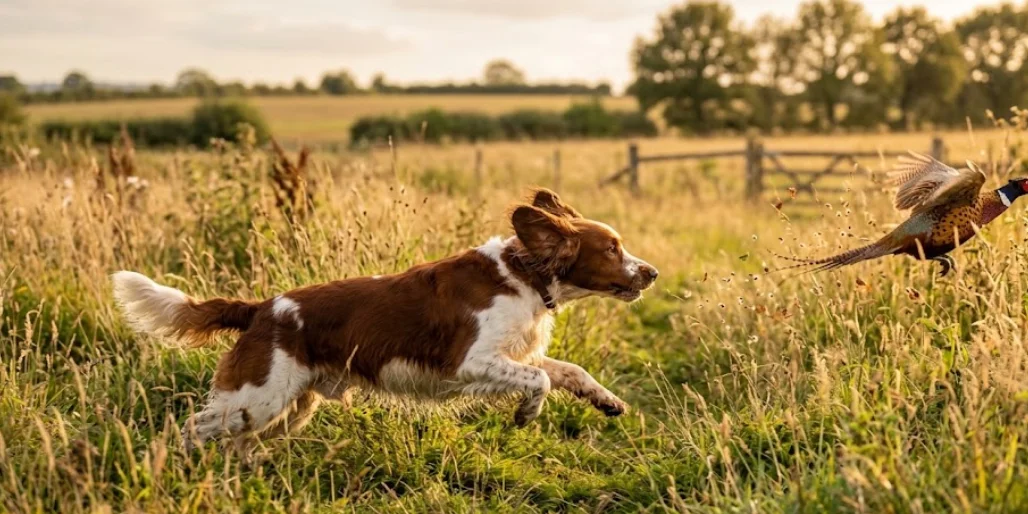
The Welsh Springer Spaniel is a distinctive and handsome breed, immediately recognizable by its rich red and white coat, which is soft and silky. These medium-sized dogs possess an athletic build, perfectly suited for a full day in the field, making them excellent flushing dogs. Their expressive eyes and moderate feathering contribute to their appealing appearance, truly embodying the classic gundog look.
Temperament and Behavior
Welsh Springer Spaniels are renowned for their outgoing and affectionate temperament, often described as a sassy yet devoted companion. They are intelligent and eager to please, making them generally easy to train, though consistency is key with these spirited dogs. Proper socialization from a young age is crucial to ensure your pup grows into a well-adjusted and confident adult, ready for any adventure.
Suitability as a Hunting Dog
As one of the excellent upland hunting dogs, the Welsh Springer Spaniel excels in the field, showcasing its natural instincts as a flushing dog and a keen ability to retrieve. Its stamina and desire to work make it a fantastic hunting partner for enthusiasts of pheasant and other game birds. While it is not traditionally considered a water spaniel, many Welsh Springers enjoy water and can be trained for water retrieves, further enhancing their versatility as a gundog.
Choosing a Reputable Breeder
Finding a reputable Welsh Springer Spaniel breeder is paramount to ensuring you bring home a healthy, well-socialized puppy with the excellent temperament characteristic of the breed. A good breeder will prioritize the well-being of their dogs and puppies, focusing on health, genetic screening, and proper early socialization. This careful approach contrasts sharply with less scrupulous sources, making your choice of breeder critical for your future hunting dog or companion.
What to Look for in a Breeder
When seeking a Welsh Springer Spaniel breeder, look for someone who is knowledgeable about the breed’s history, health concerns, and specific temperament traits. A responsible breeder will be transparent about their practices, welcome questions, and allow you to meet the puppy’s parents. They should also demonstrate a clear passion for the Welsh Springer and its development, not just selling pups.
Questions to Ask Potential Breeders
Don’t hesitate to ask a potential breeder about their experience with Welsh Springer Spaniels, the health history of the parent dogs, and how the puppies are socialized before they go to their new homes. Inquire about their vaccination schedule, deworming, and what kind of support they offer after you take your new puppy home. A good breeder will be happy to answer all your questions thoroughly.
Understanding Health Testing and Guarantees
A reputable Welsh Springer Spaniel breeder will conduct extensive health testing on their breeding dogs to screen for common genetic conditions specific to the breed. They should readily provide proof of these clearances, such as OFA certifications for hips and elbows, and eye clearances from a veterinary ophthalmologist. Additionally, a good breeder will offer a health guarantee for their pups, demonstrating their confidence in the health of their litter.
Preparing for Your New Puppy
Bringing home a new Welsh Springer Spaniel puppy is an exciting time, but it requires careful preparation to ensure a smooth transition for your new family member. Having all the essential supplies, understanding basic training techniques for hunting dogs, and planning for their socialization and activity needs will set your pup up for success from the very start.
Essential Supplies for Your Welsh Springer Spaniel
Before your new Welsh Springer Spaniel puppy arrives, ensure you have all the essential supplies ready. This includes a comfortable crate, food and water bowls, a sturdy leash and collar, appropriate puppy food, and a variety of chew toys to keep them entertained. Having these items prepared will help your new puppy feel secure and comfortable in its new home, reducing initial stress.
Training Tips for Hunting Dogs
Welsh Springer Spaniels are intelligent and eager to please, making them excellent candidates for hunting dog training. Begin with basic obedience commands like “sit,” “stay,” and “come” as soon as your pup settles in. Early exposure to bird scents and retrieving games can naturally stimulate their gundog instincts. Consistency and positive reinforcement are key to developing a well-behaved and capable hunting partner.
Socialization and Activity Needs
Socialization is crucial for a well-adjusted Welsh Springer Spaniel. Expose your puppy to various sights, sounds, people, and other friendly dogs from a young age to ensure they grow into a confident and friendly adult. As an energetic breed, Welsh Springers require plenty of physical activity, including long walks a day and engaging playtime, to satisfy their need for exercise and mental stimulation.
Resources for Welsh Springer Spaniel Owners
Joining Breed Clubs and Communities
Becoming a part of Welsh Springer Spaniel breed clubs and communities is a fantastic way to connect with experienced owners and breeders, gaining invaluable insights into the breed. These clubs often host events, provide educational resources, and offer a network of support for new pup parents. Engaging with these groups can also help with socializing your pup, exposing them to other well-adjusted Welsh Springers.
Accessing the Dog A-Z Breeds Guide
For those looking to deepen their understanding of not just the Welsh Springer Spaniel but a wide array of canine companions, accessing a comprehensive resource like the “Dog A-Z Breeds Guide” can be incredibly beneficial. This guide offers detailed profiles on various breeds, helping owners compare characteristics, understand specific needs, and appreciate the diversity within the dog world, further enhancing their knowledge.
Continued Education and Training Opportunities
Continued education and training opportunities are vital for any Welsh Springer Spaniel owner, especially given this breed’s intelligence and energy. Exploring advanced gundog training, obedience classes, or even scent work can strengthen the bond with your pup and fulfill its natural working dog instincts. Regular training helps maintain its excellent temperament and ensures it remains a well-behaved hunting partner or family companion.
Conclusion
Final Thoughts on Finding Your Welsh Springer Spaniel
Finding the right Welsh Springer Spaniel breeder is the first crucial step toward bringing a healthy, well-adjusted puppy into your home. Remember to prioritize reputable breeders who conduct thorough health testing and focus on early socialization. This diligent approach ensures your new pup, whether destined to be a flushing dog in the field or a loving family pet, will embody the best traits of this wonderful breed.
Why Choose Pawandbreeds for Your Breeding Needs
When it comes to responsible breeding and connecting with top-tier Welsh Springer Spaniel breeders, Pawandbreeds offers a trusted platform. Our commitment to ethical practices and transparent communication helps prospective owners find their ideal companion. We ensure that every litter listed meets stringent standards, guaranteeing you a healthy and well-socialized pup ready to become a cherished member of your family.
FAQ
Q: How is a Welsh Springer Spaniel different from an English Springer (ESS) or a Cocker Spaniel?
A: Great question! A lot of folks lump all spaniels together, but the “welshie” is its own breed with its own vibe. Compared to an English Springer or a working Cocker, the Welsh Springer tends to be a bit more independent and reserved with strangers, though never timid when properly socialized. English Cocker Spaniels and American Cockers are usually smaller and bouncier, while the welshie sits in between the Cocker and the ESS in size, built more for stamina in open country than quick flushing bursts. If you’ve owned German Shepherds, Poodles, or a Golden Retriever before, just know this breed has its own quirks and isn’t a carbon copy of other gundogs.
Q: Is the Welsh Springer Spaniel considered a vulnerable native breed?
A: Yep, that’s actually one of the coolest (and trickiest) things about this breed. The Welsh Springer Spaniel is officially recognized as a vulnerable native breed in its home country, meaning registration numbers are pretty low compared to popular breeds like Labs or Golden Retrievers. This makes finding the right breeder even more important since there just aren’t as many litters born each year. If you’re set on this breed, expect to wait a while and possibly travel to find a reputable kennel.
Q: What should I look for in a kennel to find the right breeder?
A: Don’t just grab the first puppy ad you see! A good kennel will happily show you health clearances for the parents, let you meet the bitch (mom), and ask you just as many questions as you’re asking them. Steer clear of pet stores and puppy mills entirely — reputable breeders who are registered with organizations like the American Kennel Club will have paperwork, health testing, and a genuine interest in where their puppies end up. Visit in person if you can, and don’t be afraid to ask about the lineage, whether the dogs are field bred or bred more for the show ring, and how the puppies are raised.
Q: Are Welsh Springer Spaniels good bird dogs for hunting?
A: Absolutely, that’s literally what they were bred for! As natural flushers, welshies excel at pushing birds into the air for hunters, similar to how working Cockers and English Cockers operate in the field. They’re versatile enough to handle upland birds as well as some waterfowl work, though they’re not quite as water-obsessed as a Retriever or American Water Spaniel. If you want a serious bird dog, look specifically for field bred lines rather than pups bred purely for looks or companionship.
Q: At what age should I bring my puppy home and start training?
A: Most reputable breeders won’t let puppies go home before 8 weeks of age — this gives them enough time with mom and littermates to develop proper social skills. Once you bring your pup home, you can start training basics like sit, come, and leash manners pretty much right away in a gentle way. By the time your dog is a 5 month old or so, you can start introducing more structured gundog training, agility foundations, or basic obedience work. Don’t wait until they’re a full grown adult — early socialization and training makes a huge difference in how trainable and well-adjusted your welshie becomes.
Q: Are Welsh Springer Spaniels good house dogs, or are they strictly outdoor hunting companions?
A: They can totally be both! While they were bred as working bird dogs for open country, most welshies adapt well as house dogs too, as long as they get enough exercise and mental stimulation. They tend to bond closely with family, similar to a Setter or Hound in terms of loyalty, but they do need a job or activity to stay happy indoors. If you’re picturing a couch potato, you might want to reconsider — this breed does best with active owners who enjoy hiking, agility, or fieldwork.
Q: Can a Welsh Springer Spaniel be trained as a service dog?
A: While it’s not the most common breed choice for service work compared to Golden Retrievers or Poodles, it’s not impossible. Welsh Springers are intelligent and trainable, but their strong hunting instincts and independent streak can make service dog training more challenging than with breeds specifically bred for that calm, steady temperament. If service work is your goal, talk to your breeder upfront about temperament testing and consider working with a professional trainer who has experience with gundog breeds.
Q: How do I know if a breeder’s puppies are field bred versus show bred?
A: This is huge if you care about hunting ability! Field bred welshies tend to have higher drive, more stamina, and stronger natural instincts for flushing birds, similar to how working Cockers differ from bench-bred English Cocker Spaniels. Ask the breeder directly whether their lines come from hunting or show stock, and ask to see the parents working if possible, or at least ask about titles and certifications related to fieldwork versus conformation shows.
Q: What about coat type — are Welsh Springer Spaniels wirehaired like some other gundogs?
A: Nope, this one might surprise you. Unlike some Terrier breeds or wirehaired pointing breeds, the Welsh Springer Spaniel has a flat, silky, weather-resistant coat, not a wiry one. Their signature red and white coloring is actually a breed hallmark, quite different from the solid or multi-colored coats you’ll see on an American Cocker or English Cocker. Grooming is moderate — regular brushing keeps things tidy, but you won’t need the specialized stripping tools that wirehaired breeds require.