The English Mastiff is a truly magnificent and ancient breed of dog, renowned for its colossal size, gentle nature, and unwavering loyalty. This breed guide will delve into the fascinating world of the Mastiff, providing comprehensive dog breed information for prospective owners and enthusiasts alike.
Mastiff Breed Characteristics
The English Mastiff dog breed boasts a unique combination of physical traits and temperament that sets it apart from other dog breeds in the world. Understanding these breed characteristics is crucial for anyone considering welcoming a Mastiff puppy into their home.
Physical Appearance of the English Mastiff
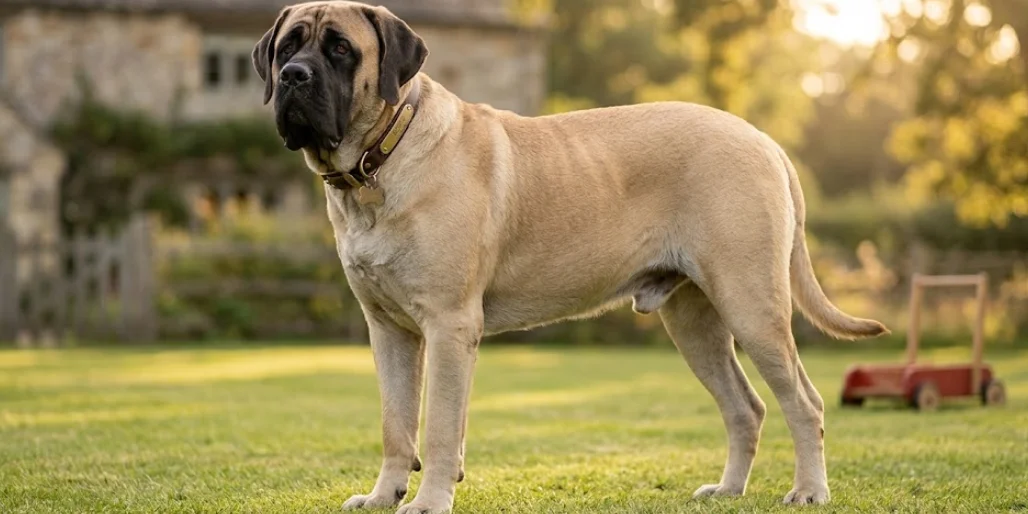
The sheer size of the English Mastiff is often the first thing people notice, making it one of the largest dog breeds. These impressive canines possess a powerful, muscular build, with a broad head and a short muzzle. Their coats come in several colors, including fawn, apricot, and brindle, adhering to the breed standard set by kennel clubs. This Old English Mastiff is truly a sight to behold.
Temperament of the English Mastiff Dog Breed
Despite their imposing stature, the English Mastiff dog breed is famously known as a gentle giant. They are remarkably docile, affectionate, and form deep bonds with their families, making them excellent companions. Their calm demeanor and loyal disposition are central to the Mastiff dog breed information, highlighting their role as a devoted protector.
Common Behavior Traits
English Mastiffs exhibit strong protective instincts, making them natural guard dogs, though they are not typically aggressive without cause. They are known to drool, especially after eating or drinking, which is a common trait of the breed. Early socialization is vital for a Mastiff puppy to ensure they grow into well-adjusted adults, comfortable around new people and situations.
Mastiff Health and Care
Common Health Issues in Mastiffs
Like many large dog breeds, English Mastiffs are prone to certain health issues that prospective owners should be aware of. Hip dysplasia and elbow dysplasia are common concerns in this breed, impacting their joints. Dilated cardiomyopathy, a heart condition, can also affect these gentle giants. Awareness of these conditions is crucial for any Mastiff owner, and regular veterinary check-ups can help detect them early.
Importance of Pet Insurance for English Mastiffs
Given the potential for significant health issues such as hip dysplasia and elbow dysplasia, pet insurance can be an invaluable investment for English Mastiff owners. The cost of treating conditions prevalent in large dog breeds can be substantial, making pet insurance a smart financial decision. It provides peace of mind, ensuring your beloved canine companion receives the best possible care without undue financial strain.
Routine Veterinary Care
Routine veterinary care is paramount for maintaining the overall health and well-being of your English Mastiff. This includes regular check-ups, vaccinations, parasite prevention, and dental care. Early socialization of a Mastiff puppy is also important, and your vet can offer guidance on this. Consistent care from a trusted veterinary professional can help manage common health issues, ensuring your Mastiff lives a long, happy, and healthy life as your loyal protector.
Exercise Needs for the Mastiff Dog Breed
Daily Exercise Requirements
Despite their sheer size, the English Mastiff dog breed doesn’t require as much strenuous exercise as some might assume. A daily moderate walk or two, totaling about 30-45 minutes, is usually sufficient to keep your canine companion healthy and prevent obesity. Overtaxing a Mastiff puppy, especially, can be detrimental to their developing joints, potentially exacerbating issues like hip dysplasia or elbow dysplasia later in life.
Best Activities for English Mastiffs
For the English Mastiff, low-impact activities are best to protect their joints. Gentle walks, supervised playtime in a securely fenced yard, or even short swimming sessions can be wonderful options. Avoid high-impact activities like long-distance running or intense jumping, especially with a young Mastiff puppy. The goal is to provide consistent, moderate exercise to maintain their physical condition without undue strain.
Understanding Energy Levels
English Mastiffs are generally considered low-energy dogs, often preferring to lounge around with their family rather than engaging in vigorous activity. While they enjoy a good stroll, their “gentle giant” temperament means they are not suited for highly active lifestyles. Understanding these energy levels is crucial for a potential owner, ensuring their expectations align with the true nature of this docile breed.
Similar Breeds to the English Mastiff
Comparison with Other Mastiff Breeds
When comparing the English Mastiff to other Mastiff dog breeds, you’ll find both similarities and and distinct differences. For instance, the Neapolitan Mastiff shares the imposing size and protective instincts but often has more prominent skin folds and drool. The Bullmastiff, while also a large and loyal protector, tends to be more agile and slightly smaller. Each Mastiff breed offers its own unique set of breed characteristics and temperament.
Differences with Other Large Dog Breeds
Beyond other Mastiffs, the English Mastiff stands apart from many other large dog breeds. Unlike a high-energy Labrador, for example, the Mastiff’s exercise needs are much lower. While many large breeds share protective instincts, the English Mastiff’s particular brand of loyalty and “gentle giant” demeanor is quite unique. Understanding these differences is key when exploring various dog breeds in the world.
Choosing the Right Breed for Your Lifestyle
Selecting the right breed of dog is a significant decision, and for those considering an English Mastiff, it’s vital to assess if their lifestyle aligns with the Mastiff dog breed information. If you appreciate a calm, loyal companion who doesn’t demand intense exercise but still possesses strong protective instincts, this magnificent breed might be a perfect fit. Always research a breeder thoroughly and ensure you can provide the necessary care for a Mastiff puppy.
FAQ
Q: What’s the deal with the English Mastiff breed page?
A: The English Mastiff is a super old and majestic breed, often just called the Mastiff. They’re these massive, powerful dogs with a really gentle side. Our breed page is packed with info about their history, temperament, and what it’s like to live with one of these gentle giants.
Q: Are English Mastiffs good family dogs, or are they more like fighting dogs?
A: English Mastiffs are actually known for being incredibly gentle and loving with their families, especially kids! Despite their intimidating size and history that includes things like bull baiting, they are not fighting dogs. They have a commanding presence, but their true nature is calm and protective. Early socialization is key to ensuring they get along with everyone.
Q: What kind of health issues should I know about for these giant-breed dogs?
A: Like many giant-breed dogs, English Mastiffs can be prone to certain health conditions. Responsible breeders will screen for hereditary issues like hip and elbow dysplasia. Other things to watch out for include bloat, certain eye conditions like ectropion, and heart problems. Regular check-ups with your vet are super important for their health and welfare.
Q: What’s the scoop on grooming an English Mastiff? Do they need a lot of work?
A: Grooming an English Mastiff isn’t too tough! They have a short coat, so a good brush-through with a bristle brush once or twice a week is usually enough to keep shedding down and their coat healthy. You’ll need to bathe them occasionally, especially when they get muddy. Don’t forget to keep their nails trimmed and clean their jowl folds to prevent skin irritation.
Q: What’s unique about the English Mastiff’s appearance, like their square head or expressive eyes?
A: English Mastiffs have a very distinctive look! They’re known for their massive, square head and a broad, deep muzzle. Their expressive eyes are usually dark in color and set wide apart, giving them a kind and intelligent gaze. They often have a black mask around their muzzle, eyes, and nose. When their mouth is closed, you’ll notice a slight undershot bite is common.
Q: How old do English Mastiff puppies need to be before they can start serious training or conformation?
A: Mastiff puppies grow incredibly fast, but you should start basic training and socialization as early as 8 weeks old. Serious conformation training, where they learn to stand and move correctly for shows, can begin once they’re a bit older and have better control of their bodies, usually around 6 months. However, remember they’re still growing significantly until they’re about 2 years old, so don’t overdo strenuous exercise.
Q: I heard English Mastiffs were used for war dogs and guarding. Is that true?
A: Yep, that’s definitely true! Mastiff-like dogs have a long history as war dogs, going all the way back to ancient times, where they were used in battle. They were also historically used to guard estates and livestock, and later, for bear and bull baiting – though thankfully, those cruel practices are long gone. Their sheer size and imposing presence made them excellent protectors and made them famous british dogs.
Q: What kind of exercise does an English Mastiff need, considering they’re so large?
A: Despite their size, English Mastiffs don’t need an insane amount of exercise. Regular, moderate activity like daily walks is perfect. They’re not built for long-distance running or super high-impact activities, especially when they’re young and their bones are still developing. Too much strenuous exercise can be hard on their joints and lead to issues with their hock and other joints later in life. They prefer a good stroll and a comfy couch.
Q: Are English Mastiffs good for specific jobs, like search and rescue, or are they more companion dogs?
A: While English Mastiffs are primarily cherished companion dogs today, their intelligence and calm temperament mean they can certainly excel in certain roles. While not typically seen in fast-paced search and rescue operations due to their size and speed, they can make excellent therapy dogs, offering comfort with their gentle nature. Some have even participated in lower-impact dog sports like obedience and rally. Their primary “job” these days, however, is being a loving family member.