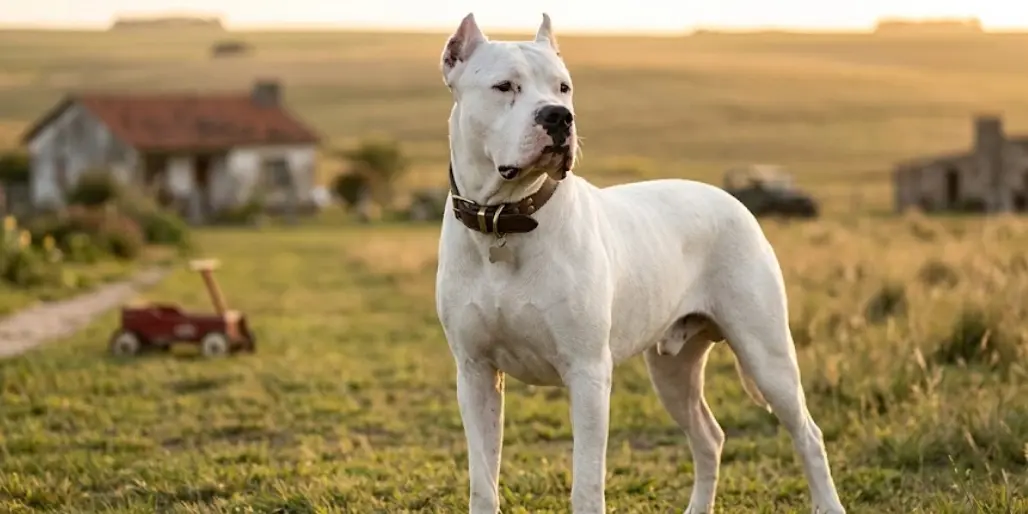
The Dogo Argentino is a magnificent and powerful dog breed, known for its striking white coat and athletic build. This comprehensive guide will delve into everything you need to know about this remarkable breed, from its fascinating history to essential care tips, ensuring you have all the information to understand and appreciate the Dogo Argentino.
Dogo Argentino Overview
History of the Dogo Argentino
The Dogo Argentino breed was originally bred in Argentina by Dr. Antonio Nores Martinez in the 1920s. His goal was to create a courageous big-game hunting dog capable of tackling wild boar and puma, and also an affectionate family companion. This Argentine breed was developed from the now-extinct Cordoba Fighting Dog, along with a mix of other breeds like the Great Pyrenees, Irish Wolfhound, Pointer, and Bull Terrier, contributing to its impressive characteristics.
Characteristics of the Breed
The Dogo Argentino is a large breed with a powerful and muscular build, characterized by its short, pure white coat. These Dogos typically stand between 23.5 to 27 inches tall at the shoulder and can weigh anywhere from 80 to 100 pounds. The breed standard emphasizes a strong, athletic physique, reflecting its origins as a hunting dog, making it a truly imposing yet graceful large dog.
Temperament and Behavior
Despite its imposing appearance and history as a fighting dog, the Dogo Argentino is known for being incredibly affectionate and loyal with its family, especially children, when properly socialized from a puppy age. This intelligent dog breed requires consistent training and mental stimulation to thrive. While they can be protective, responsible dog ownership ensures their gentle nature shines through, making them excellent companions.
Grooming the Dogo Argentino
Coat Care and Maintenance
The Dogo Argentino’s short, white coat is relatively low maintenance compared to some other breeds, but still requires regular attention to keep it healthy and shining. Because of their white coat, Dogo Argentinos can be susceptible to sunburn, so protection in strong sunlight is important. Regular brushing helps to remove loose hair and distribute natural oils, contributing to healthy skin and coat for this Argentine Dogo.
Bathing and Brushing Tips
Bathing a Dogo Argentino should be done as needed, typically every few months, or if they get particularly dirty from outdoor adventures. Use a mild dog shampoo to avoid irritating their skin. Brushing should be a weekly routine, using a rubber grooming mitt or a soft bristle brush. This not only keeps their coat in good condition but also strengthens the bond between the dog owner and the dog.
Nail Clipping and Ear Care
Regular nail clipping is crucial for the Dogo Argentino to prevent discomfort and potential health issues. If you hear their nails clicking on the floor, it’s time for a trim. Ear care is also important, especially for Dogos who enjoy swimming, to prevent infections. Check their ears weekly for any signs of redness or discharge and clean them gently with a vet-approved solution, ensuring good breed health.
Choosing a Dogo Argentino Puppy
Selecting a Responsible Breeder
Choosing a responsible breeder is paramount when looking for Dogo Argentino puppies to ensure you bring home a healthy and well-socialized Dogo. A good breeder will prioritize the breed’s health, temperament, and adherence to the breed standard, providing a solid foundation for your future companion. They should be transparent about health screenings and the lineage of their Dogo Argentinos.
What to Look for in a Puppy
When selecting a Dogo Argentino puppy, observe its general demeanor and health. A healthy puppy should be active, curious, and responsive, with clear eyes and a clean white coat. Inquire about the puppy’s parents and their health clearances, as this can give you insight into potential hereditary issues, which is vital for the Dogo Argentino breed.
Initial Care for Your New Puppy
Bringing home a new Dogo Argentino puppy requires preparation to ensure a smooth transition. Establish a routine for feeding, potty breaks, and playtime immediately. Early socialization is crucial for this large breed, exposing your puppy to various sights, sounds, and people to help them develop into a well-adjusted, affectionate Dogo.
Health Risks Associated with the Dogo Argentino
Common Health Issues
The Dogo Argentino, like many purebreds, is predisposed to certain health conditions. One of the most significant concerns for the breed is congenital deafness, which is more prevalent in dogs with white coats. Hip and elbow dysplasia are also common in this large dog breed, making careful breeder selection and regular vet check-ups important for all Dogo Argentino owners.
Preventative Care and Regular Check-ups
Preventative care is essential for maintaining the health of your Dogo Argentino. Regular veterinary check-ups, including screenings for deafness and dysplasia, can catch potential issues early. A balanced diet and consistent regular exercise are also crucial for managing weight and supporting joint health, contributing to a long and healthy life for your Dogo Argentino.
Living with Health Concerns
Should your Dogo Argentino develop health concerns, understanding how to manage them is key. For example, dogs with congenital deafness can still lead fulfilling lives with appropriate training methods and a committed dog owner. Working closely with your veterinarian will help you provide the best possible care, ensuring your Dogo Argentino maintains a good quality of life despite any challenges.
Becoming a Dogo Argentino Owner
Training and Socialization Tips
Training a Dogo Argentino is a rewarding experience, but it requires consistency, patience, and a firm yet gentle approach. Due to their intelligence and strength, early socialization from a young puppy age is crucial to ensure they develop into well-mannered, affectionate members of the family. Positive reinforcement methods work best with this dog breed, making training sessions enjoyable and effective for both the Dogo and the dog owner.
Daily Exercise Requirements
The Dogo Argentino is a highly energetic large breed that needs significant daily exercise to stay healthy and happy. Regular exercise, such as long walks, runs, or engaging in dog sports, is essential to prevent boredom and destructive behaviors. Without adequate physical activity and mental stimulation, these powerful Dogos can become restless, which is why a committed owner is vital for this Argentine breed.
Integrating with Family and Other Pets
When properly socialized, the Dogo Argentino can integrate beautifully with families, often showing a very affectionate nature, especially with children. Introducing a Dogo Argentino to other pets, particularly smaller ones, requires careful supervision and a gradual approach due to their hunting dog instincts. Early exposure to various animals as a puppy can help foster harmonious relationships within the household.
Conclusion
Final Thoughts on the Dogo Argentino
The Dogo Argentino is a truly magnificent and loyal dog breed that, with responsible ownership, can be an incredible companion. Their striking white coat, powerful build, and affectionate temperament make them stand out. While they require commitment to training, exercise, and health care, the bond formed with a Dogo Argentino is unparalleled, making all the effort worthwhile for this unique Argentine Dogo.
Resources for Dogo Argentino Owners
For current and prospective Dogo Argentino owners, a wealth of resources exists to support you in providing the best care for your Dogo. The Dogo Argentino Club of America (DACA) and the AKC are excellent starting points for breed-specific information, responsible breeder lists, and health guidelines. Connecting with other Dogo Argentino owners can also offer invaluable insights and support for navigating the joys and challenges of this breed.
Explore More Breeds in the Dog A-Z Breeds Guide
If you’re captivated by the Dogo Argentino but curious about other breeds, or perhaps looking for a different kind of companion, we invite you to explore our comprehensive Dog A-Z Breeds Guide. You’ll find detailed information on a wide variety of breeds to help you discover the perfect canine partner. For more insights into canine care and to find your ideal breed match, visit Pawandbreeds.
FAQ
Q: What’s the Dogo Argentino breed all about?
A: The Dogo Argentino is a majestic and powerful breed that originated in the Republic of Argentina. They were specifically bred by Dr. Antonio Nores Martinez and his brother Augustin Nores Martinez for big-game hunting, which means they have a strong prey drive and incredible physical prowess. These dogs are known for their striking white coat, muscular build, and courageous temperament. While they’re amazing dogs, they’re not for everyone, requiring experienced owners who understand their unique needs and how to handle working dogs.
Q: Are Dogo Argentinos good family dogs?
A: When properly socialized and trained, Dogo Argentinos can be incredibly loyal and loving companion dogs. They often bond deeply with their families and can be very protective. However, their size and strength mean that supervision is always key, especially around young children. Early and consistent positive reinforcement training and socialization are crucial to ensure they develop into well-mannered family members. Remember, their protective instincts are strong, so they need to learn appropriate responses.
Q: Do Dogo Argentinos have any specific health issues?
A: Like all breeds, the Dogo Argentino breed has a predisposition to certain health conditions. One of the most common issues in the Dogo Argentino breed is deafness, particularly unilateral or bilateral deafness, which is why baer testing is often recommended for puppies. They are also prone to hip dysplasia, a common large-breed ailment, and bloat (GDV), a serious condition in deep-chested dogs. Regular vet check-ups, a balanced diet, and appropriate exercise can help manage these risks. It’s important to be aware of these potential issues if you’re considering a Dogo Argentino.
Q: How much exercise does an Argentine Dogo need?
A: The Argentine Dogo is a highly energetic breed with significant exercise needs. They weren’t bred to be couch potatoes! Daily vigorous exercise is essential to keep them physically and mentally stimulated. This could include long walks, running, hiking, or even canine sports like agility or tracking. Without enough exercise, a Dogo can become bored and destructive. Remember, a tired Dogo is a good Dogo!
Q: Is the Dogo Argentino always white?
A: Yes, the Dogo Argentino breed standard dictates that they must be always white. Their smooth coat is short and typically without markings, though a single dark patch around the eye, called a “pirate patch,” is sometimes permissible if it doesn’t exceed 10% of the head. This striking white coat is one of their most distinguishing features. Any other significant coloration would disqualify them as a purebred Dogo Argentino.
Q: Are Dogo Argentinos easy to train?
A: Dogo Argentinos are smart dogs and capable of learning a great deal, but they are also independent and strong-willed. This means training requires consistency, patience, and a firm but fair approach, utilizing positive reinforcement training methods. Early socialization and obedience classes are highly recommended. Due to their size and strength, teaching good leash manners and verbal cues is particularly important. They respond best to owners who can establish themselves as confident leaders.
Q: What’s the difference between a Dogo Argentino and other similar breeds like the Great Dane or Dogue de Bordeaux?
A: While the Dogo Argentino shares some physical characteristics with other large breeds like the Great Dane or Dogue de Bordeaux, they were bred for different purposes and have distinct traits. The Great Dane, while also a large and powerful dog, was originally bred for hunting boar and protecting estates, and is often known for its gentle giant nature. The Dogue de Bordeaux is a mastiff-type dog, known for its massive head and protective instincts. The Dogo Argentino was specifically developed in the Republic of Argentina for big-game hunting and has a unique combination of strength, agility, and a strong prey drive. They were bred to work cooperatively in packs, which sets them apart from many other large breeds.
Q: What kind of grooming does a Dogo Argentino need?
A: Good news! The Dogo Argentino has a short, smooth coat that’s relatively low maintenance. They don’t require extensive grooming. A weekly brush with a rubber curry brush or a shedding blade will help remove loose hair and keep their coat healthy. Regular nail trims are a must, as are ear cleanings to prevent infections. Don’t forget dental hygiene – daily brushing is ideal for preventing dental issues. Like the dogo, good overall hygiene contributes to their well-being.
Q: How do Dogo Argentinos do around other dogs?
A: This is an area where early and consistent socialization is absolutely critical for the Dogo Argentino. Due to their history as working dogs bred to hunt in packs and their strong prey drive, they can have a genetic predisposition to being dominant or reactive around other dogs if not properly socialized from a young age. Introducing them to a variety of calm, well-behaved dogs in controlled environments is essential. While some Dogos can live peacefully with other dogs, especially if raised together, careful introductions and supervision are always recommended, especially with unfamiliar dogs. It’s also important to remember their size and strength when around other dogs.
Q: What’s the typical lifespan of a Dogo Argentino?
A: The average lifespan for a Dogo Argentino is typically between 10 to 12 years. As with all dog breeds, this can vary depending on genetics, diet, exercise, and overall healthcare. Regular veterinary check-ups, a high-quality diet, appropriate exercise, and parasite prevention are all important factors in helping your Dogo Argentino live a long and healthy life. Spaying or neutering can also play a role in their overall health.