The American Bulldog is a truly fascinating and versatile breed, known for its strength, loyalty, and affectionate nature. If you’re considering welcoming one of these amazing dogs into your home or simply curious to learn more, you’ve come to the right place. This guide will delve into everything you need to know about this remarkable dog breed.
Overview of the American Bulldog Breed
The American Bulldog is a powerful and agile working dog, originating from the American South. This breed is renowned for its strength, determination, and loyalty, making it an excellent guardian and companion. Unlike some of its more sedentary cousins, this dog breed maintains an athletic physique and keen intelligence, truly setting it apart in the bully type category.
History and Origin
The roots of the American Bulldog trace back to England, where ancestral bulldogs were used as catch dogs for cattle and as farm guardians. When immigrants brought their bulldogs to the American South, these working dogs were further developed to withstand the harsh conditions and perform demanding tasks, becoming indispensable. Without the dedication of breeders like John D. Johnson, the original working bulldog might have become extinct, paving the way for the modern American Bulldog we know today.
Physical Characteristics
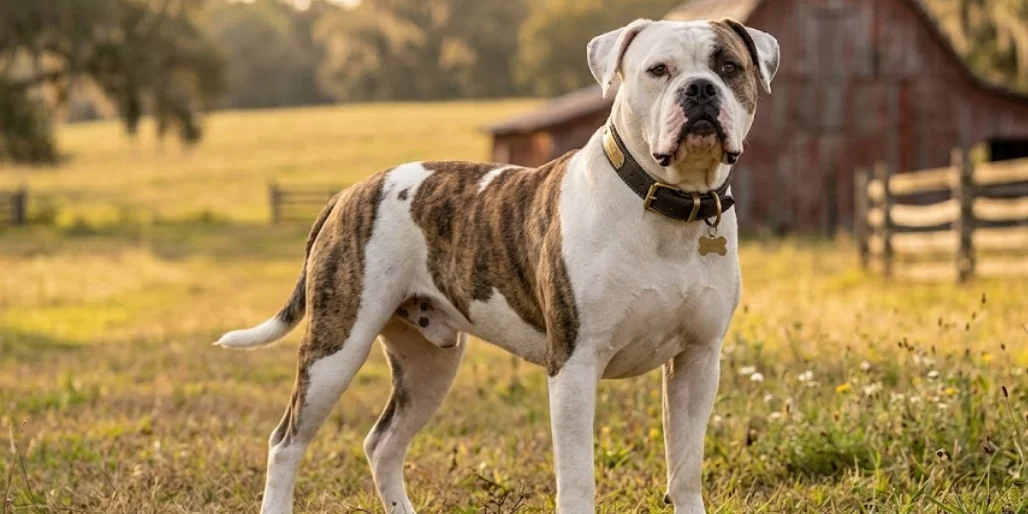
The American Bulldog is a muscular and athletic dog with a large head and a powerful build. They typically have a short, smooth coat that can come in various colors, including white, brindle, or piebald patterns. An average American Bulldog stands between 20 to 25 inches tall and weighs 60 to 100 pounds, showcasing an imposing yet agile physique. Their strong muzzle and sturdy frame are hallmarks of this remarkable breed standard.
Temperament and Behavior
Despite their formidable appearance, the American Bulldog possesses a loving and loyal temperament. They are known for being affectionate with their families and can be excellent with children when properly socialized from a young age. This breed is naturally protective, making them superb guardian dogs, but they also crave human companionship and enjoy being part of family activities. Early American Bulldog training is crucial to harness their intelligence and ensure they grow into well-behaved adult dogs.
Grooming the American Bulldog
Coat Care and Maintenance
Caring for your American Bulldog’s coat is generally straightforward due to its short and smooth nature. While they don’t require extensive grooming, regular attention helps maintain their health and appearance. The breed’s coat is typically low-maintenance, but consistency is key to preventing shedding and keeping their skin healthy.
Bathing and Brushing Techniques
Bathing an American Bulldog doesn’t need to be a weekly affair; once every few months or when they get particularly dirty is usually sufficient. Use a dog-specific shampoo to avoid skin irritation. Brushing, however, should be more frequent, perhaps once or twice a week with a rubber curry brush or a shedding blade to remove loose hair and stimulate the skin. This also helps distribute natural oils, contributing to a healthy, shiny coat.
Health and Grooming Tips
Beyond coat care, remember to pay attention to other grooming aspects of your American Bulldog. Regularly check their ears for signs of infection and clean them gently. Nail trims are essential to prevent overgrowth, which can cause discomfort or even pain for your athletic dog. Dental hygiene, through regular brushing or dental chews, is also crucial for their overall health.
American Bulldog Health
Common Health Issues
Like many purebred dogs, the American Bulldog can be prone to certain health conditions. Some common issues include hip and elbow dysplasia, which are joint problems that can affect their agility. Allergies are also relatively common in this breed, often manifesting as skin irritations. Responsible breeders will screen their breeding stock to minimize the risk of passing on these genetic predispositions.
Lifespan and Care
The average American Bulldog lifespan ranges from 10 to 12 years with proper care. Providing a high-quality diet, regular exercise, and routine veterinary check-ups are fundamental to ensuring your American Bulldog lives a long, healthy life. These robust dogs thrive on an, active lifestyle, and consistent care contributes significantly to their overall well-being.
Preventive Health Measures
Preventive health measures are vital for your American Bulldog. This includes vaccinations, parasite control, and annual veterinary examinations. Early detection of any potential health issues through regular check-ups can lead to more effective treatment and better outcomes. Discussing a preventive health plan with your vet, tailored to your individual dog, is always a wise step for any American Bulldog owner. For more detailed information on various breeds, check out our Dog A-Z Breeds Guide, and remember, Pawandbreeds is dedicated to helping you care for your beloved pets.
Training Tips for American Bulldogs
Basic Training Techniques
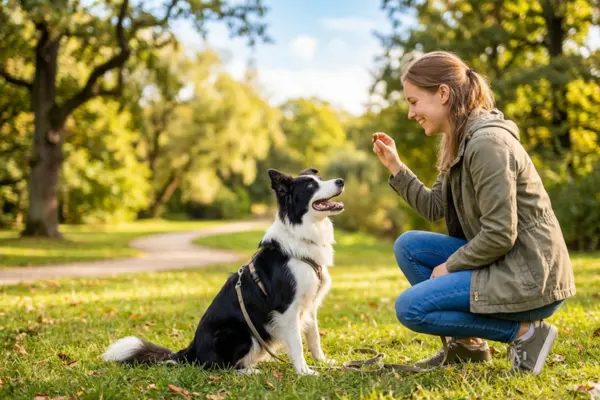
Early and consistent training is paramount for your American Bulldog. They are intelligent dogs, but their strong will requires a firm yet patient approach. Start with basic obedience commands like “sit,” “stay,” “come,” and “heel” using positive reinforcement methods such as treats and praise. Short, engaging training sessions will keep your puppy focused and make the process enjoyable for both of you.
Socialization Strategies
Socialization is crucial for American Bulldogs to ensure they grow into well-adjusted adult dogs. Expose your American Bulldog puppy to a variety of sights, sounds, people, and other dogs from a young age. Puppy classes are an excellent way to facilitate this, helping your American Bulldog learn appropriate behavior and preventing potential issues with shyness or aggression later on. A well-socialized dog is a happy dog!
Advanced Training Options
Given their intelligence and athletic build, American Bulldogs excel in various advanced training activities. Once basic obedience is mastered, consider exploring options like agility, weight pulling, or even protection work. These activities provide mental stimulation and physical exercise, which are vital for this working dog breed. Advanced American Bulldog training can further strengthen your bond and showcase their impressive capabilities.
Conclusion
Final Thoughts on the American Bulldog
The American Bulldog is a truly remarkable and versatile breed, embodying strength, loyalty, and affection. With proper training, socialization, and care, these dogs make exceptional companions and guardians. Their athletic nature and loving temperament mean they thrive in active homes where they can be an integral part of the family. If you’re looking for a devoted and capable canine partner, the American Bulldog is an excellent choice.
Additional Resources
For those interested in delving deeper into the nuances of the American Bulldog, numerous resources are available. The United Kennel Club (UKC) and the American Kennel Club (AKC) provide valuable insights into breed standards, recognized breeders, and health information. Consulting experienced American Bulldog breeders and trainers can also offer practical advice and support as you navigate life with your American Bulldog.
Explore the Dog A-Z Breeds Guide
To learn more about a wide array of fascinating dog breeds, including detailed insights into their history, temperament, and care requirements, be sure to explore our comprehensive breed guide. And for all your pet care needs, remember that Pawandbreeds is here to help you provide the best for your beloved companions.
FAQ
Q: How long do American Bulldogs usually live? What’s the American Bulldog lifespan like?
A: The average American Bulldog lifespan is pretty good, usually between 10 to 12 years. Keeping them healthy with a good diet, regular exercise, and proper vet check-ups can help them live a full, happy life! They’re generally robust, muscular dogs, but like all purebred American breeds, they can have some predispositions to certain health issues that can impact their lifespan, so staying on top of their care is key.
Q: Are American Bulldogs hard to train? What about American Bulldog training for first-time owners?
A: American Bulldog training can be a blast, but it does require consistency and a firm, humane hand. They’re intelligent and eager to please, but their strong will means you need to be the pack leader from day one. Early socialization and positive reinforcement are crucial. While they’re not impossible for first-time owners, understanding their needs and committing to consistent training is important. They are a fearless breed, originally bred for working livestock, so they need a job to do and clear boundaries.
Q: What’s the deal with American Bulldog grooming? Do they need a lot of it?
A: Good news on the American Bulldog grooming front! They’re pretty low maintenance. Their short coat means you won’t be spending hours brushing out tangles. A weekly brush with a rubber mitt or deshedding tool is usually enough to keep their coat healthy and minimize shedding. They don’t have the extensive wrinkles of an English Bulldog, but checking their eye rims and any subtle folds for cleanliness is still a good idea. Regular nail trims and ear cleaning are also important parts of their grooming routine.
Q: Are American Bulldogs good with families and kids?
A: Absolutely! When properly socialized and trained, American Bulldogs can be fantastic family dogs. They’re known for being loyal, protective, and loving companions. Because of their great strength and energetic nature, supervision is always recommended with very young children, but they generally adore their families and can be very patient. Their confident and well-balanced temperament makes them excellent guardians for their human pack.
Q: What’s the history behind the American Bulldog?
A: The American Bulldog has a fascinating history! Unlike the Bulldogs in England that were originally bred for bull baiting back in the 17th century, the American Bulldog was developed in the American South. They were bred by farmers and ranchers to be versatile farm dogs, helping to herd livestock, catch wild hogs, and protect property. Breeders like John D. Johnson and Alan Scott were instrumental in reviving and refining the original lines after World War II, ensuring this courageous and energetic working breed continued. They are a descendant of the Old English Bulldog, adapted for a different purpose.
Q: What are the main differences between the two types of American Bulldogs, the Johnson and Scott types?
A: You’ll often hear about two main types when it comes to American Bulldogs: the Johnson type and the Scott type. The Johnson type, often called the “Bully” type, tends to be larger, more heavily muscled, with a larger head and a shorter muzzle. The Scott type, or “Standard” type, is usually a bit more athletic, with a longer muzzle and a slightly less massive build, making them appear more terrier-like in proportion. Both are purebred American Bulldogs, but their behavioral and physical characteristics can vary slightly depending on their bloodline and the specific traits a rancher or breeder aimed to develop.
Q: Do American Bulldogs have any specific health concerns I should be aware of?
A: While generally healthy, American Bulldogs, like many purebred dogs, can be prone to certain health issues. Some common concerns include hip and elbow dysplasia, ichthyosis (a skin condition), and certain eye problems. Regular veterinary check-ups and screening by responsible breeders can help mitigate these risks. Due to their deep chest and active nature, they can also be susceptible to bloat, so feeding them smaller, more frequent meals can be beneficial. Understanding these potential issues is part of being a humane and responsible owner.
Q: How much exercise does an American Bulldog need? Are they suitable for an active household?
A: Absolutely, American Bulldogs thrive in an active household! They are energetic and muscular dogs that need a good amount of exercise to stay happy and well-behaved. Daily vigorous walks, playtime in a securely fenced yard, or even dog sports like agility or weight pulling can help burn off their energy. Without enough physical and mental stimulation, they can become bored, which might lead to unwanted behavioral issues. They are not content to be couch potatoes all day; they need to move and engage!