“Best” depends on who is asking. The best dog for a family with toddlers is rarely the best dog for a first-time owner in a small apartment, and neither is necessarily the best guard dog. This guide breaks the question into five common situations and explains what actually matters in each so you know what living with each dog involves. Breed gives you a tendency, not a guarantee, so treat every list below as a starting point for meeting real dogs and talking to breeders, shelters, and trainers.
What actually drives whether a breed is “best” for you
- Temperament and drive. A breed bred to work all day needs a job, and a breed bred for companionship usually wants company. Matching that to your daily life matters more than looks.
- Size and strength. A big dog’s mistakes carry bigger consequences, and a toy dog can be hurt by rough handling.
- Energy and exercise needs. Small does not mean low energy. Some of the most demanding breeds fit in a handbag.
- Trainability. Some breeds forgive beginner mistakes, and others punish them.
- Grooming, health, and cost. Coat care, breed health risks, and food costs vary widely and add up over a dog’s life.
- The individual dog. Two puppies from the same litter can differ. Parents’ temperament, early socialization, and training count as much as breed.
Small dog breeds vs. big dog breeds
Size is the first choice most people make, and it changes more than you might expect.
Lifespan. Smaller dogs generally live longer. Many small breeds reach their mid-teens, while giant breeds often have noticeably shorter lives. That is a real difference to weigh if you are thinking about the long-term commitment.
Cost. A bigger dog eats more, needs larger doses of many medications, and costs more for boarding, grooming, and supplies. Veterinary bills depend more on health than on size, but giant breeds carry a higher risk of expensive joint and heart conditions.
Space and exercise. Small dogs fit apartments more easily, but energy is a separate question. A Jack Russell Terrier can be harder to live with in a small flat than a calm Great Dane, because the Terrier’s drive does not shrink with its body. Read up on Jack Russell training needs before assuming small means easy.
Training and handling. A pulling or jumping Great Dane is a safety issue in a way a pulling Maltese is not, so large breeds need good manners early.
Fragility and health. Toy breeds can be injured by falls and rough play and are prone to dental problems. Large and giant breeds are more prone to joint disease and bloat. Neither size is healthier overall, so the better question is which risks you are prepared to manage.
Choosing between them. Pick by lifestyle. Small breeds suit tight spaces and travel, and large breeds suit active households with room and the budget for size. If you are unsure how big a puppy will get, a growth chart and weight calculator shows typical weight curves by breed.
Best service dog breeds
Under the ADA, any breed of dog can be a service animal, so there is no legally “best” breed. In practice, service dog programs favor a handful of breeds because they tend to combine trainability, steady temperament, and willingness to work around people.
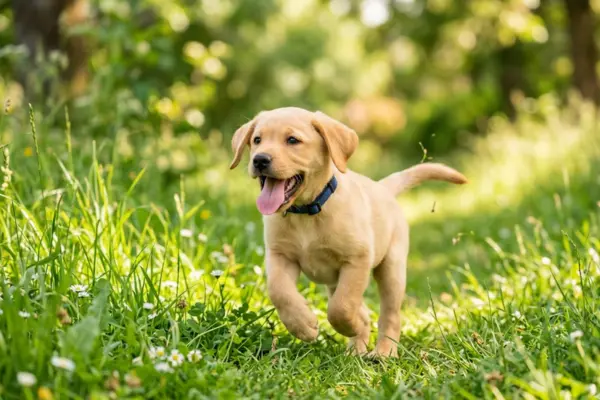
- Labrador Retriever: The most common choice, thanks to a friendly, food-motivated, eager-to-please nature.
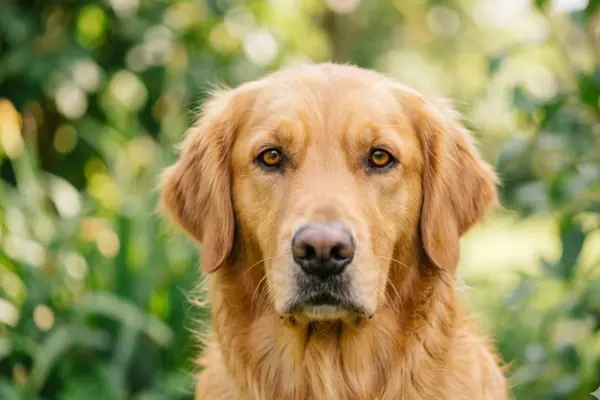
- Golden Retriever: Gentle, people-focused, and highly trainable, often used for guide and assistance work.
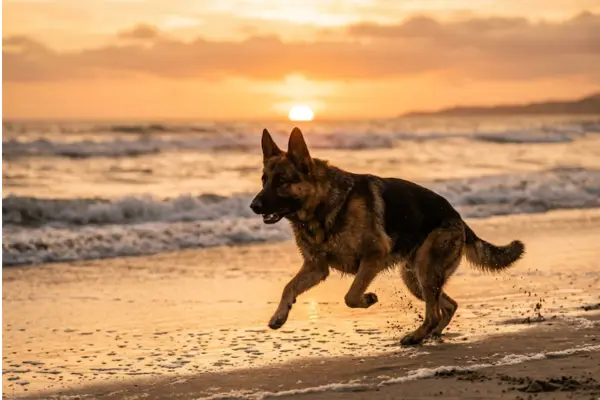
- German Shepherd: Intelligent and focused, used for mobility and other task work, though it needs solid early socialization.
- Standard Poodle: Smart, athletic, and a good fit for handlers with allergies who still want a capable working dog.
A few things matter more than breed. Service dogs must be trained to perform specific tasks that help a person with a disability, which is different from the comfort an emotional support animal provides. Individual temperament decides whether a puppy is suited to the work, and many dogs from the “right” breeds are not. Formal training often takes more than a year, so plan for that commitment.
Best dog breeds for first-time owners
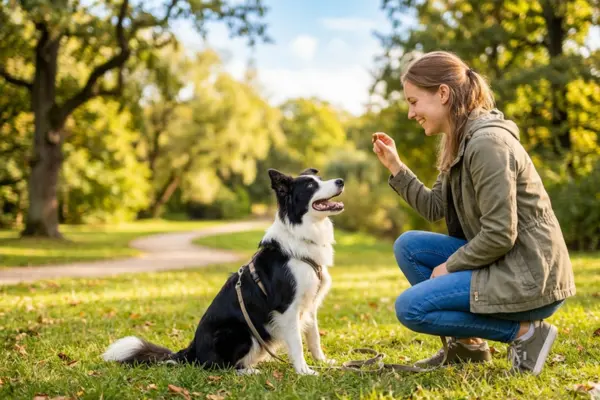
A good first dog forgives mistakes, learns quickly, and does not need an expert handler.
- Labrador Retriever and Golden Retriever: Eager to please and food-motivated, which makes early training much easier. They do need plenty of exercise.
- Cavalier King Charles Spaniel: Gentle and affectionate, and happy with moderate exercise. They dislike long periods alone.
- Miniature Poodle: Highly intelligent and quick to learn, with a coat that needs regular grooming.
- Bichon Frise: Cheerful and people-oriented, though house-training can take patience.
- Cockapoo: Friendly and trainable, with coat care that varies by individual.
Breeds that tend to be harder for a first-time owner include very high-drive working dogs such as the Belgian Malinois, which need experienced handling and a real job, and independent breeds that are slower to take direction. Hard does not mean bad, it means the dog expects more skill from you than a beginner can usually offer.
Best dog breeds for families with kids
Many of the same breeds appear on the family and kids lists, so this section covers both the “best family dog breeds” and “best dog breeds for families with kids” questions together.
- Labrador Retriever and Golden Retriever: Patient, sturdy, and playful, which is why they are the default family recommendation.
- Bernese Mountain Dog: Gentle and affectionate with children, though large and slow to mature.
- Beagle: Sturdy, cheerful, and good-natured, with a strong nose that needs managing.
- Cavalier King Charles Spaniel: Gentle and adaptable, though small enough to need careful handling around toddlers.
Some practical points apply to every breed. Supervise young children and dogs at all times, teach children how to handle a dog, and give your dog a space to retreat to. Size matters: giant dogs can knock over toddlers by accident, and very small dogs can be hurt by rough handling. Temperament varies by individual, so meet the parents and spend time with the specific puppy or dog before committing.
Best guard dog breeds
Before choosing, separate three different things. A watchdog alerts you, usually by barking. A guard dog deters people through size and presence and protects territory. A protection dog is trained to act on command, and that work should only be done by professional trainers. Many families want a watchdog that is also a loving pet, which is a different goal from owning a trained protection dog.
- German Shepherd: Alert, intelligent, and loyal, and a common choice for guarding. Early socialization matters.
- Doberman: Fast, athletic, and protective, and highly trainable.
- Rottweiler: Confident and protective, and needs early socialization and a firm, fair handler.
- Cane Corso: A large guardian breed that needs experienced handling and thorough socialization.
- Dutch Shepherd: A versatile, driven working breed that needs structure.
Guarding breeds are powerful, and an under-socialized guardian dog is a liability. Plan for early and ongoing socialization, consistent training, secure fencing, and a trainer’s help. Owning a guardian breed can also carry legal responsibility and insurance considerations, so check your local rules.
Choosing between these lists
If you are torn between two situations, start with the one that carries the most risk. A family with young children who also wants a guard dog should prioritize temperament and socialization over guarding ability. A first-time owner drawn to a working breed should talk to a trainer before buying. Wherever you start, spend time with the real dog, ask breeders about health testing and the parents’ temperament, and plan for training from day one.
This article is for general information only. Individual dogs vary, so consult a reputable breeder, shelter, or certified trainer before choosing a dog.