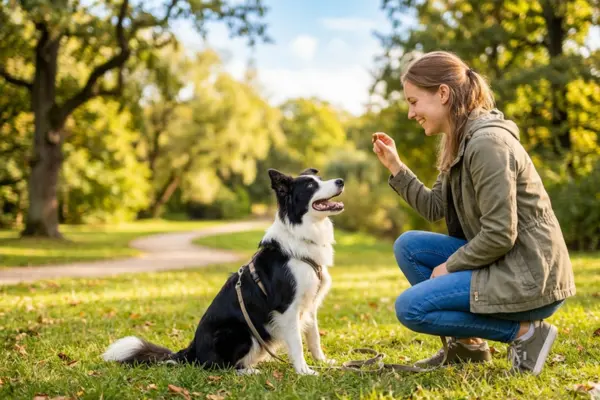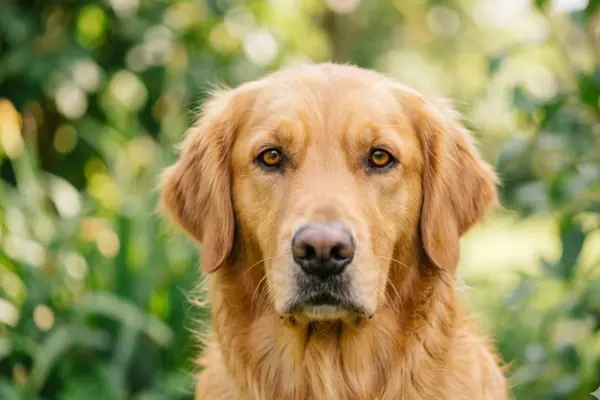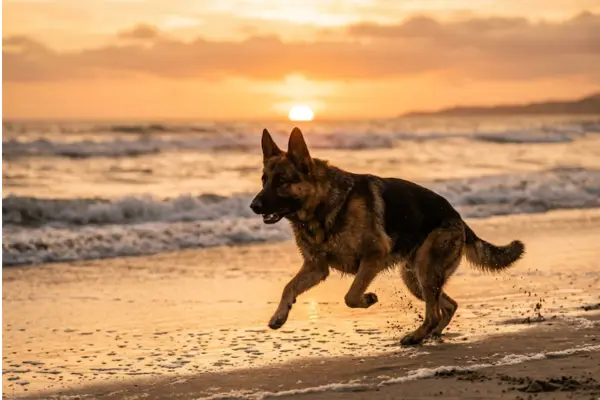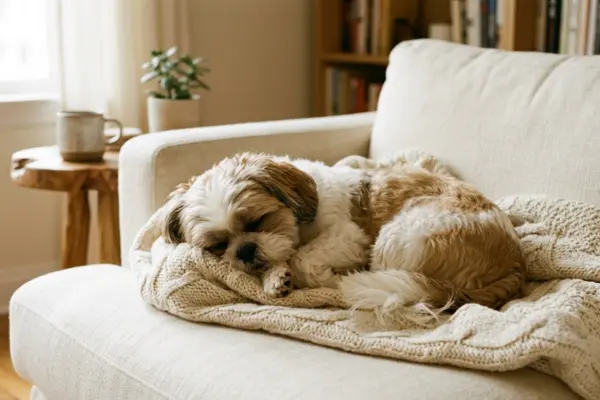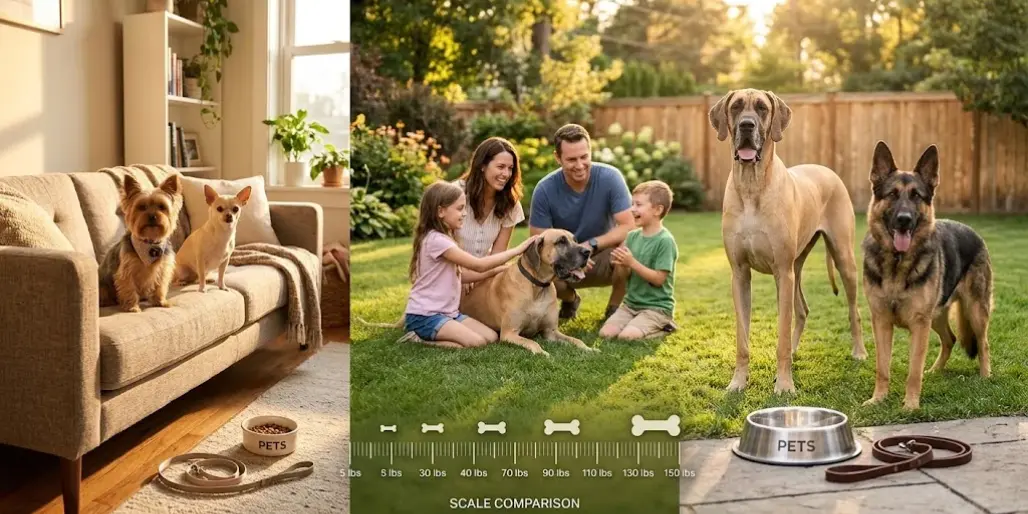
When choosing between a small dog and a big dog, consider the differences in care, temperament, and lifestyle needs. The right companion depends on your living space, activity level, and personal preferences, as dogs of different sizes can offer very different experiences.
Understanding Small Dogs
Characteristics of Small Dog Breeds
Every small dog breed possesses unique physical traits and spirited personalities that often belie their tiny stature. A typical puppy of a small breed or an extremely small dog like a Chihuahua or Yorkie requires specially formulated kibble to fit their mouths, and these small dogs tend to be easy to train. Whether you prefer a Dachshund, a Cavalier, or other little dogs, managing each energetic terrier on a leash is generally quite manageable for most dog owners.
Benefits of Owning a Smaller Dog
Sharing your home with a smaller dog or various smaller breeds like the Frenchie brings numerous practical advantages, especially for urban residents. These compact canines consume far less food compared to smaller dogs versus giants, and exercising them requires less physical exertion. Transporting a tiny dog or managing a delicate Yorkshire is effortless, making daily routines and travel much simpler for apartment dwellers and seniors alike.
Popular Small Dog Breeds
Numerous delightful companion animals capture the hearts of pet enthusiasts worldwide, ranging from the feisty Yorkies to the affectionate Cavalier. Each distinct type of dog brings vibrant energy into the household, ensuring that families exploring different sizes find a wonderful match. These charming little companions prove that wonderful personalities truly do come in diminutive packages for dedicated owners, as small dogs tend to be easy to train.
Exploring Big Dogs
Characteristics of Large Dog Breeds
Every large dog breed and working breed possesses immense physical strength and a commanding presence that requires dedicated training. A growing puppy of a larger breed or a majestic German Shepherd, Rottweiler, Greyhound, or Collie needs proper socialization from an early age, as these big dogs may become overly protective without it. Managing a powerful dog on a leash demands consistent leadership from experienced big dog owners.
Benefits of Owning a Big Dog
Welcoming a gentle giant or any larger dog into your household offers unmatched security and companionship for active families, as these big dogs tend to be loyal and protective. Big dogs and small dogs differ greatly, but big dogs often excel in outdoor adventures, jogging, and vigorous exercise routines. Loving a bigger dog enriches your daily life if you appreciate an athletic, loyal protector by your side.
Popular Big Dog Breeds
Many magnificent animals captivate enthusiasts, ranging from the intelligent Border Collie to the impressive Great Dane. Each distinct type of dog brings loyalty and majesty into the home. For more inspiration on finding your ideal companion, you can explore the best dog breeds to discover which magnificent animal suits your lifestyle best.
Small Dog vs Big Dog: Key Comparisons
Size and Space Considerations
Evaluating a small dog against a large dog involves analyzing your available living space and home environment carefully. While a tiny dog or extremely small dogs fit comfortably anywhere, a larger dog or larger breeds require expansive yards and spacious rooms. Big dogs vs compact pets necessitate entirely different spatial planning for everyday living, as shown below: larger dogs may require more outdoor space while compact pets can thrive in smaller apartments.
| Dog Size | Space Requirements |
| Tiny or extremely small dogs | Fit comfortably anywhere |
| Larger dog or larger breeds | Require expansive yards and spacious rooms |
Temperament and Energy Levels
Comparing the temperament of a compact companion versus big dogs reveals fascinating behavioral traits across different sizes. Proper socialization ensures every animal behaves wonderfully in public settings.
| Dog Size | Behavioral Trait |
| Small breed / tiny dog may include charming companions like the Yorkshire Terrier or Frenchie. | Surprising feistiness |
| Working breed / giant canine | Steady, relaxed disposition |
Care and Maintenance Differences
Providing optimal care for dogs and small dogs versus massive companions involves distinct financial and physical commitments. A larger dog consumes substantially more specialized kibble and requires robust veterinary care compared to a Chihuahua, Dachshund, Yorkie, or Cavalier. Ultimately, PawandBreeds helps you navigate these essential maintenance differences to ensure a lifetime of happiness.
Special Considerations
Training Needs for Small and Large Dogs
Every puppy requires dedicated socialization regardless of whether you choose a small dog or a big dog. A German Shepherd or a Border Collie needs firm guidance on a leash, while a terrier or a Dachshund can sometimes develop stubborn habits if training is neglected by dog owners.
Health Considerations for Different Breeds
Health maintenance varies significantly across different sizes and every specific breed. Here is a breakdown of common health concerns by dog size:
| Dog Size / Breed Example | Common Health Concern |
| Tiny dog (e.g., Chihuahua) | Dental issues |
| Larger dog / Gentle giant (e.g., Great Dane, Rottweiler) | Joint concerns requiring careful monitoring |
Choosing the Right Breed for Your Lifestyle
Selecting the ideal type of dog depends on your daily routine. A smaller dog or a Cavalier suits apartment living, whereas a larger dog, a Greyhound, or a Collie thrives with active families who enjoy outdoor adventures and have ample space for a bigger dog.
Conclusion
Final Thoughts on Small and Big Dogs
Evaluating small dog breeds versus large breeds helps ensure a harmonious home. Whether you prefer little dogs or a majestic working breed, understanding the unique temperament of each animal guarantees a rewarding lifelong companionship for you and your cherished pet.
Reference to Best Dog Breeds Guide
Before making your final decision, you can consult our detailed best dog breeds guide to learn more about matching specific energetic terriers, Yorkies, or Yorkshire companions with your personal lifestyle and home environment.
PawandBreeds: Your Resource for Dog Information
We hope this comprehensive comparison between a small dog and a big dog has provided valuable insights to help you choose wisely, and PawandBreeds remains dedicated to offering expert guidance for every pet parent.
FAQ
Are small dog breeds easier to care for than big dog breeds?
Not always. Small dogs often need less food and can be easier to transport, but they still require exercise, training, grooming, and veterinary care. Some small breeds are energetic or prone to health issues, while some big dogs have calm, low-maintenance temperaments.
Do small dogs or big dogs need more exercise?
Exercise needs depend more on the breed and individual dog than on size alone. Many big dogs enjoy long walks and outdoor activities, while some small breeds need plenty of play and mental stimulation. A Greyhound, for example, is large but may be content with regular walks and opportunities to run safely.
Are small dog breeds better for apartments?
Small dogs can fit comfortably into apartments, but size is only one consideration. Noise, energy level, training, and access to outdoor space also matter. A relaxed big dog may adapt well to apartment life, while a vocal or high-energy small dog may need more management.
Are big dogs more expensive than small dogs?
Big dogs generally eat more and may cost more for medications, equipment, boarding, and some veterinary procedures. However, expenses vary by breed, health, grooming needs, and location. Compare the likely lifetime costs of a particular dog rather than relying on size alone.
Are small dogs more aggressive than big dogs?
No size group is inherently more aggressive. A dog’s behavior is shaped by genetics, socialization, training, experiences, and health. Small dogs may sometimes be allowed to get away with behaviors that would be corrected in a larger dog, so consistent, reward-based training matters for every breed.
Are big dogs good with children?
Many big dogs are gentle and affectionate with children, but no dog should be left unsupervised with a child. Temperament, socialization, training, and the child’s behavior are more important than the dog’s size. Teach children to approach dogs calmly and respect their space.
Do small dogs live longer than big dogs?
Small dogs often have longer average lifespans than big dogs, although there are exceptions. Breed, genetics, weight, preventive care, and overall health all influence longevity. Ask a veterinarian about the health risks and typical lifespan of the breed you are considering.
Can a small dog live with a big dog?
Yes. Small and big dogs can live together successfully when they are introduced carefully and supervised, especially at first. Consider each dog’s temperament and play style, provide separate resting and feeding areas, and prevent rough play that could accidentally injure the smaller dog.
What should I consider if I like big dogs but have limited space?
Focus on the individual dog’s energy level, temperament, and exercise needs rather than choosing by size alone. Some large breeds are relaxed indoors, but they still need suitable exercise and room to move comfortably. Meet adult dogs where possible and discuss your home and routine with a shelter or reputable breeder.