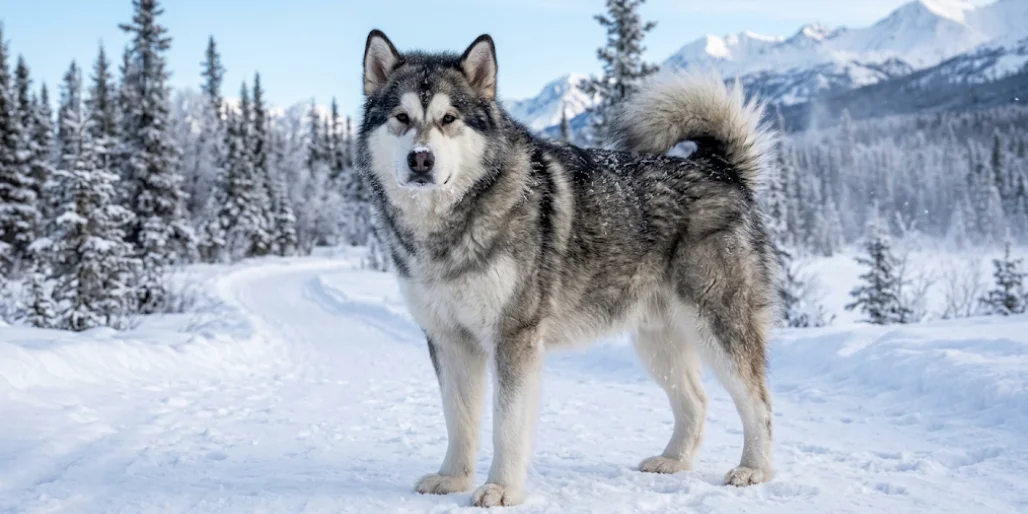
Are you curious about the magnificent Alaskan Malamute? This comprehensive guide will tell you everything you need to know about this wonderful breed, from its history and temperament to its physical characteristics and health.
Introduction to the Alaskan Malamute
Overview of the Malamute Breed
The Alaskan Malamute is an ancient and powerful arctic sled dog, renowned for its incredible strength and endurance. This large breed is one of the oldest arctic sled dog breeds, distinguished by its thick double coat and impressive wolf-like appearance, making it a truly striking sight.
Historical Background of the Alaskan Malamute
Originally bred by the Mahlemut Inuit tribe in Alaska, the Alaskan Malamute played a vital role in survival, hauling heavy loads and aiding in arctic expeditions over long distances. Unlike Siberian Huskies, the Malamute was specifically developed as a working dog for power and stamina, not speed.
Fun Facts about Alaskan Malamutes
Did you know that Alaskan Malamutes are known for their “woo-woo” vocalization, which sounds like they are talking to you? These affectionate dogs, despite their strong-willed nature, thrive on companionship and are incredibly loyal to their human families.
Physical Characteristics
Size and Weight of Alaskan Malamutes
The Alaskan Malamute is a large breed, with males typically weighing between 85-100 pounds and females 75-85 pounds. Their robust build and powerful physique are perfectly suited for their original purpose as an arctic sled dog, allowing them to haul heavy loads with ease.
Coat and Grooming Needs
The Alaskan Malamute boasts a thick double coat, consisting of a dense undercoat and coarse outer guard hairs, which protected them from harsh arctic conditions. This magnificent coat requires regular grooming, especially daily brushing during shedding seasons, to manage loose hair and prevent matting.
Colors and Patterns
Alaskan Malamutes come in a variety of colors and patterns, including shades of gray and white, black and white, sable and white, and red and white. Their erect ears and often expressive, almond-shaped eyes contribute to their distinctive wolf-like appearance, which is a hallmark of the breed.
Temperament and Behavior
Personality Traits of Alaskan Malamutes
The Alaskan Malamute, while possessing a strong-willed and independent spirit, is also known for its affectionate and loyal nature, making it a truly unique companion. These purebred Alaskan Malamutes thrive on being part of the family pack, often displaying a playful yet dignified demeanor, a characteristic trait of this magnificent breed.
Family Dog: Good with Children?
Yes, Alaskan Malamutes can be wonderful family dogs and are generally good with children, thanks to their affectionate temperament. However, due to their large size and playful exuberance, supervision is always recommended, especially with younger children, to ensure a harmonious environment for everyone in the family.
Socialization and Interaction with Other Pets
Early socialization is crucial for an Alaskan Malamute puppy to ensure they interact positively with other pets. While generally amiable, their strong prey drive, a remnant of their working dog heritage, means introductions to smaller animals, including cats, should be carefully managed and supervised from a young age to foster good behavior.
Health and Care
Common Health Concerns
Like many large breed dogs, Alaskan Malamutes can be predisposed to certain hereditary health issues, with hip dysplasia and polyneuropathy being among the more common concerns for this arctic sled dog breed. Additionally, some purebred Alaskan Malamutes may develop cataracts, making regular veterinary check-ups important for early detection and management.
Regular Health Checkups and Care
To maintain your Alaskan Malamute’s health, regular veterinary checkups are paramount, allowing for early detection of any potential health issue. These visits, combined with a balanced diet and consistent grooming, including daily brushing to manage their thick double coat and shedding, contribute significantly to a long and healthy life for your beloved working breed.
Exercise Needs for a Happy Malamute
The Alaskan Malamute is an energetic working dog that requires a significant amount of daily exercise to stay happy and healthy. Bred for hauling heavy loads over long distances in arctic conditions, these powerful dogs thrive on activities like hiking, running, or even participating in dog sports, fulfilling their natural instincts and preventing boredom.
Training and Socialization
Basic Training Tips for Alaskan Malamutes
To effectively train your Alaskan Malamute, start with consistent, positive reinforcement from a young age, as this large breed responds well to clear commands and rewards. Due to their independent and strong-willed temperament, patience is key, and focusing on basic obedience commands like sit, stay, and come will lay a strong foundation for a well-behaved working dog.
Importance of Early Socialization
Early socialization is absolutely crucial for an Alaskan Malamute puppy to develop into a well-adjusted adult dog. Exposing your puppy to various people, places, sounds, and other dog breeds from a young age helps them learn appropriate behavior and reduces the likelihood of fear or aggression, especially given their natural pack instincts and powerful build.
Best Training Techniques for Working Dogs
For this working breed, training techniques that engage their intelligence and physical prowess are most effective. Incorporate activities that mimic their original role as an arctic sled dog, such as pulling a cart or participating in dog sports, which helps channel their energy and strong drive. Consistency and firm, but fair, leadership are essential for these intelligent canines.
Choosing an Alaskan Malamute
Things to Consider Before Getting a Malamute
Before bringing an Alaskan Malamute into your home, consider if you can meet the needs of this powerful working dog, including their significant daily exercise requirements and extensive grooming due to their double coat. Their affectionate yet independent temperament means they thrive with dedicated owners who understand the demands of a large breed with a strong will.
Alaskan Malamute Names and Popular Choices
When choosing Alaskan Malamute names, many owners opt for options that reflect their arctic heritage or powerful build. Popular choices often include names inspired by their Alaskan origins, native cultures, or attributes like strength and snow. Select a name that suits your puppy’s personality and is easy for them to recognize during training.
Finding a Reputable Breeder
Finding a reputable breeder is paramount to ensuring you get a healthy Alaskan Malamute puppy free from common hereditary health issues like hip dysplasia or polyneuropathy. A good breeder will provide health clearances for the parents, be transparent about the breed information, and allow you to see the living conditions of their dogs, showing their commitment to the breed’s well-being.
Conclusion
Summary of the Alaskan Malamute Breed Guide
This comprehensive Alaskan Malamute breed guide has explored the fascinating world of this magnificent arctic sled dog, from its historical role hauling heavy loads in Alaska to its distinctive physical characteristics, temperament, and care needs. We’ve highlighted the importance of early socialization, consistent training, and meeting their extensive exercise requirements for a happy, well-adjusted working breed.
Additional Resources: Dog A-Z Breeds Guide
For those eager to delve deeper into various dog breeds, the Dog A-Z Breeds Guide offers an extensive collection of breed information, making it an invaluable resource for prospective dog owners. This guide provides detailed insights into different temperaments, care requirements, and fun facts about a wide array of canines, helping you find your perfect companion.
Paw and Breeds: Your Partner in Choosing the Right Dog
Paw and Breeds is dedicated to helping you make informed decisions when it comes to choosing the right dog for your lifestyle. Whether you’re considering an Alaskan Malamute or another breed, our resources, including breed guides and expert advice, are designed to support you every step of the way in finding a loyal and loving companion.
FAQ’s
Q: What makes alaskan malamute different from other dog breeds like arctic sled breeds?
A: The Alaskan Malamute is a large working breed originally bred for heavy hauling and endurance by the Mahlemut people of northwestern Alaska. Unlike some arctic sled breeds that were bred for speed over long distances, the malamute is one of the older arctic dogs focused on strength and stamina. You’ll notice a thick coat, tail carried over the back, and a build designed for pulling heavy loads rather than sprinting.
Q: How much exercise do alaskan malamutes need and what outdoor activities suit them?
A: Alaskan malamutes need plenty of daily activity — think long walks, hiking, and pulling activities like carting or weight-pull. As a large working breed with high activity level, they thrive on outdoor activities that let them use their strength and endurance. Keep them mentally challenged too, since boredom can lead to mischief.
Q: What should I know about alaskan malamute puppy care and socialization?
A: Raising a puppy malamute means early socialization, consistent training, and exposing them to different people, places, and other dogs. Start basic obedience young and introduce crate training to help with the dog’s behavior. Alaskan malamute puppy energy is high, so structured play and multiple short training sessions a day work best.
Q: What are the most common alaskan malamute health issues I should watch for?
A: Alaskan malamute health concerns can include hip dysplasia, inherited deformity issues, certain eye diseases, and sometimes inherited polyneuropathy. Regular vet checks and screening recommended by the Alaskan Malamute Club or Alaskan Malamute Club of America can help catch problems early. Good breeding practices reduce risk, so always seek dog breed information and health clearances from reputable breeders.
Q: How does the history of the alaskan malamute influence its temperament and needs?
A: The history of the Alaskan Malamute — developed by the Mahlemut people for arctic expeditions and hauling in northwestern Alaska — shaped a dog that’s strong, independent, and people-oriented. They’re loyal and friendly but can be stubborn, so consistent leadership and regular physical work that reflects their working heritage are important.
Q: How do I care for an alaskan malamute’s thick coat and grooming needs?
A: Their thick coat needs regular brushing, especially during heavy shedding seasons when they “blow” coat. Occasional baths are fine, but avoid over-bathing which can strip natural oils. Proper grooming helps prevent matting and keeps the dog’s health and skin in good shape — important for any breed of dog living in variable climates.
Q: Are malamutes good family dogs and how do they behave around children and other pets?
A: Alaskan malamutes are typically affectionate and good with families, including children, when raised and socialized properly. Because they’re a large working breed with a strong prey drive, supervision with small pets or animals that run is wise. Early training and clear boundaries help them be great companions.
Q: What should I know about breeding ethics and finding a responsible alaskan malamute breeder or club?
A: Look for responsible breeders who provide dog breed information, health clearances, and open access to lineage and health testing. Organizations like the Alaskan Malamute Club of America or local alaskan malamute club chapters can help you find reputable sources and educate about breed-specific issues. Avoid puppy mills and always ask about screenings for genetic conditions.
Q: Can alaskan malamutes live in warmer climates, and how does the arctic background affect their care?
A: Though bred for arctic conditions, alaskan malamutes can adapt to warmer climates if you manage their environment well: provide shade, cool water, avoid heavy exercise during heat, and consider air-conditioned rest areas. Their thick double coat insulates them from cold and heat, so don’t shave them — the coat actually helps regulate temperature. Always watch for signs of overheating.