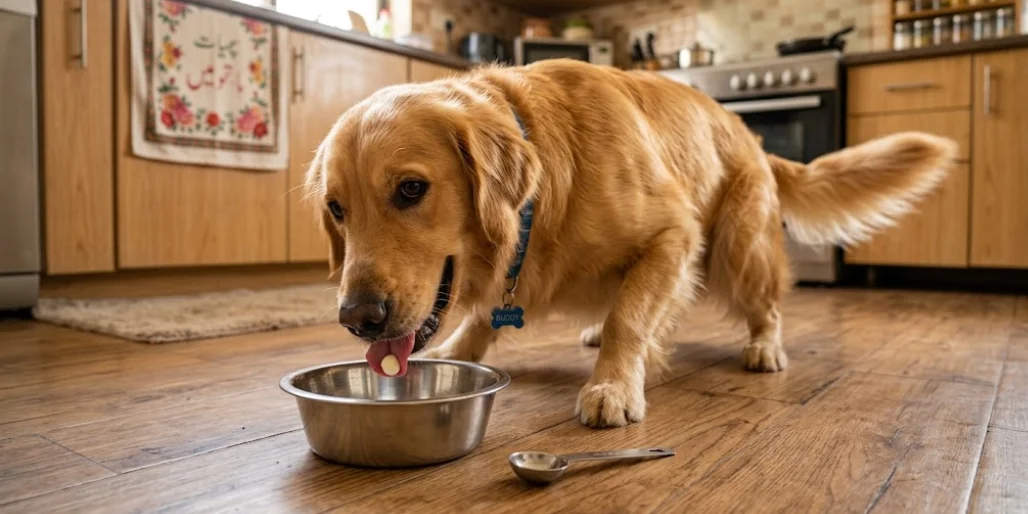
Many dog owners wonder if it’s safe to share their favorite dairy products with their furry friends. The good news is, in small amounts and with the right choices, many types of cheese can be a safe and enjoyable treat for your dog. However, not all cheeses are created equal when it comes to canine consumption.
Understanding Cheese and Dogs
Can Dogs Eat Cheese?
Yes, dogs can eat cheese, but it should always be given in moderation. Many dogs love the taste of cheese, and it can be a useful tool for training or administering medication. However, it’s crucial to remember that cheese is high in fat and can contain lactose, which many dogs have difficulty digesting. Always introduce cheese slowly to see how your dog reacts.
Types of Cheese Safe for Dogs
When considering which cheeses are safe for dogs, opt for lower-lactose and lower-fat varieties. These types of cheese can be given as an occasional treat, ensuring you only feed your dog small amounts. Here are some generally safe options:
| Cheese Type | Key Characteristics |
| Cottage cheese | Lower in fat and lactose, easier to digest. |
| Mozzarella | Especially the low-fat kind. |
| Mild cheddar cheese | Generally safe. |
Health Conditions Affecting Cheese Consumption
While many dogs can digest cheese without issues, some health conditions warrant caution or complete avoidance. If your dog has any pre-existing health conditions, or if you’re unsure, it’s always best to consult your veterinarian before feeding cheese to dogs.
| Health Condition | Reason for Caution/Avoidance |
| Severe Lactose Intolerance | May experience digestive issues like gas, diarrhea, or an upset stomach. |
| Pancreatitis (or proneness to) | Cheese is high in fat, which can exacerbate this serious condition. |
| Weight Gain | Cheese is calorie-dense, and too much can lead to weight gain. |
Feeding Cheese to Dogs
How Much Cheese Can Dogs Eat?
When it comes to how much cheese dogs can eat, moderation is absolutely key. While dogs love cheese, it’s important to remember that cheese is high in fat and calories, and too much cheese can lead to weight gain or even digestive issues, especially for dogs with severe lactose intolerance. A good rule of thumb is to give your dog cheese only as an occasional treat, perhaps a small, pea-sized piece for smaller dogs, or a slightly larger, thumbnail-sized piece for bigger dogs. Always consider the overall amount of cheese and other treats in your dog’s diet to prevent any adverse effects.
Introducing Cheese to Your Dog’s Diet
If you’re new to feeding cheese to your dog, it’s best to introduce cheese gradually. Start with a very small amount of a safe type of cheese, like low-fat cottage cheese or a tiny piece of mozzarella. Observe your dog closely for any signs of digestive upset, such as gas, bloating, or diarrhea, over the next 24 hours. If your dog shows no adverse reactions, you can occasionally give your dog a small amount as a treat. Remember that even for dogs without lactose intolerance, too much cheese may still cause stomach upset due to its fat content.
Signs of Lactose Intolerance in Dogs
Even though many dogs can tolerate a small amount of cheese, some may exhibit signs of lactose intolerance. These signs typically appear within a few hours of consuming dairy products. Common symptoms to watch out for include gas, bloating, abdominal pain, diarrhea, and vomiting. If you notice any of these digestive issues after feeding your dog cheese, it’s best to avoid cheese entirely for your canine companion. Consulting your veterinarian is always a good idea if you have concerns about your dog’s diet or any health conditions that might be impacted by cheese consumption, as discussed in our guide on “Dairy Dogs Can and Can’t Eat.”
Cheeses to Avoid for Your Dog
Unsafe Cheeses for Dogs
While many types of cheese can be a safe occasional treat, some cheeses are definitely unsafe for dogs and should be avoided entirely. The table below outlines some types of cheese that pose risks to dogs:
| Cheese Type | Reason to Avoid |
| Blue Cheese | Contains roquefortine C, which can be toxic, causing vomiting, diarrhea, and seizures. |
| Soft, Mold-Ripened Cheeses (e.g., Brie, Camembert) | Higher fat content and potential for harmful molds. |
| Heavily Seasoned or Flavored Cheeses (e.g., with garlic, onions, or chives) | Toxic ingredients can cause red blood cell damage. |
Risks of Feeding Cheese to Dogs
Even safe types of cheese can present risks if not fed in moderation. One of the primary concerns is the high fat content in many cheeses. Regular consumption of cheese that is high in fat can lead to weight gain and increase the risk of pancreatitis in dogs, a painful and serious inflammation of the pancreas. Furthermore, many dogs have some degree of lactose intolerance, and feeding too much cheese may result in digestive issues like gas, bloating, diarrhea, or an upset stomach. It’s always best to be cautious with dairy products and observe your dog for any adverse reactions after you feed your dog cheese.
Alternative Treats for Dogs
If you’re looking for delicious and healthy alternatives to cheese for your dog, there are plenty of great options. Plain, cooked lean meats like chicken or turkey, without any seasonings, make excellent high-value treats. Small pieces of safe fruits and vegetables, such as apples (without seeds), carrots, green beans, or blueberries, are also fantastic choices that offer vitamins and fiber. For dogs with severe lactose intolerance or those prone to pancreatitis, these alternatives are much safer and healthier, ensuring your dog gets a tasty reward without the risks associated with certain types of cheese or excessive fat intake.
Conclusion
Final Thoughts on Cheese for Dogs
In conclusion, while many dogs love cheese, and a small amount of certain types of cheese can be a safe occasional treat, it’s crucial to exercise caution and moderation. Always opt for lower-fat, lower-lactose options like cottage cheese or mozzarella, and avoid problematic varieties such as blue cheese or heavily seasoned cheeses that are toxic to dogs. Monitoring your dog for signs of lactose intolerance or digestive issues is key, and if your dog has health conditions like pancreatitis or is prone to weight gain, it’s best to avoid cheese entirely. When in doubt, consulting your veterinarian is always the wisest course of action.
Additional Resources
For more detailed information on which dairy products are suitable for your canine companion and which ones should be avoided, we encourage you to explore our comprehensive guide, “Dairy Dogs Can and Can’t Eat.” This resource provides in-depth insights into the various considerations for feeding dairy to dogs, helping you make informed decisions to keep your furry friend happy and healthy. Understanding your dog’s specific dietary needs and sensitivities is paramount for their overall well-being.
About Pawandbreeds
Pawandbreeds is dedicated to providing pet owners with reliable and expert advice to ensure their beloved companions lead healthy and happy lives. Our content, crafted by animal enthusiasts and experts, covers a wide array of topics, from nutrition and training to health and wellness. We believe that informed pet owners make the best decisions for their pets, and we strive to be your go-to source for trustworthy information and guidance on all things pet-related.
FAQ
Q: Can dogs eat cheese, or should you avoid cheese altogether?
A: Good news for cheese lovers with a pup by their side – most dogs can enjoy a bit of cheese without any drama. That said, it really depends on the dog. Some pups handle dairy just fine, while others may be lactose intolerant and end up with a tummy ache. So before you start sharing your snack, it’s smart to learn which cheeses are safe and introduce cheese as an occasional treat rather than a daily habit.
Q: Which cheeses are safe for dogs to munch on?
A: When it comes to figuring out which cheeses are safe, low-fat options are usually your best bet. Cottage cheese is lower in fat compared to a lot of other cheeses, which makes it easier on your dog’s digestive system. Mozzarella is another solid pick since it’s milder and less greasy. Basically, you want to opt for low-fat cheeses like these instead of anything packed with extra fat or salt.
Q: How much cheese can you actually feed your dog?
A: Moderation is the name of the game here. Even if your dog goes nuts for cheese, you don’t want to give too much to your dog in one sitting. A small cube or a sprinkle here and there is plenty. Think of cheese as a treat, not a meal replacement – too much dairy, even the safe kind, can lead to an upset stomach or unwanted weight gain over time.
Q: What happens if your dog is lactose intolerant?
A: If your dog is lactose intolerant, dairy products like cheese might cause gas, bloating, or diarrhea. Not every dog reacts the same way, though – some dogs digest small amounts of cheese just fine, while others struggle even with a tiny nibble. The best way to find out is to watch closely the first time you give cheese for the first time and see how their body reacts over the next day or so.
Q: Is cottage cheese a good option for dogs with sensitive stomachs?
A: Absolutely, cottage cheese is often recommended because it’s gentler on the gut. Since cottage cheese is lower in fat and lactose than many other cheeses, it tends to be easier for dogs to digest. It’s a popular choice for pups who are just getting used to dairy or who have shown mild sensitivity to richer cheeses in the past.
Q: Are there cheeses you should never give your dog?
A: Yes, definitely steer clear of anything moldy, heavily processed, or loaded with garlic and onion flavoring – those ingredients are toxic to dogs. Blue cheese and other strong, fatty cheeses aren’t great either since they’re harder for dogs to digest and can trigger pancreatitis in some cases. When in doubt, stick with plain, simple options instead of experimenting with fancy cheeses.
Q: What’s the safest way of introducing cheese into their diet?
A: Slow and steady wins the race here. Start with just a small piece and wait to see how your dog’s stomach handles it. If there’s no upset tummy, gas, or other weird symptoms within 24 hours, you can consider adding cheese as an occasional treat down the line. Introducing cheese into their diet gradually helps you catch any sensitivities early before they become a bigger problem.
Q: Can cheese actually be good for your dog in some way?
A: Surprisingly, yes! Cheese can be a good source of protein, calcium, and healthy fats when given in moderation. It’s also super handy for hiding pills or as a high-value training reward since most dogs go crazy for it. So while it shouldn’t replace regular dog food, cheese can be safe and even beneficial as part of a balanced approach to treats.
Q: How do you know if a specific cheese is good for your dog?
A: The general rule is to check the fat content, salt level, and any added ingredients like herbs, garlic, or onion powder. Plain, low-fat cheeses like mozzarella or cottage cheese are usually safe, while heavily seasoned or aged cheeses are riskier. If you’re ever unsure, chatting with your vet is always a smart move, especially if your dog has existing health issues like pancreatitis or obesity.
Q: Do all dogs digest cheese the same way?
A: Nope, not even close. Just like humans, dogs digest food differently based on their breed, age, and overall gut health. Some dogs handle cheese like champs, while others get an upset stomach from even a tiny taste. That’s why it’s important to introduce new foods slowly and pay attention to your dog’s individual reaction rather than assuming what works for one pup will work for another.