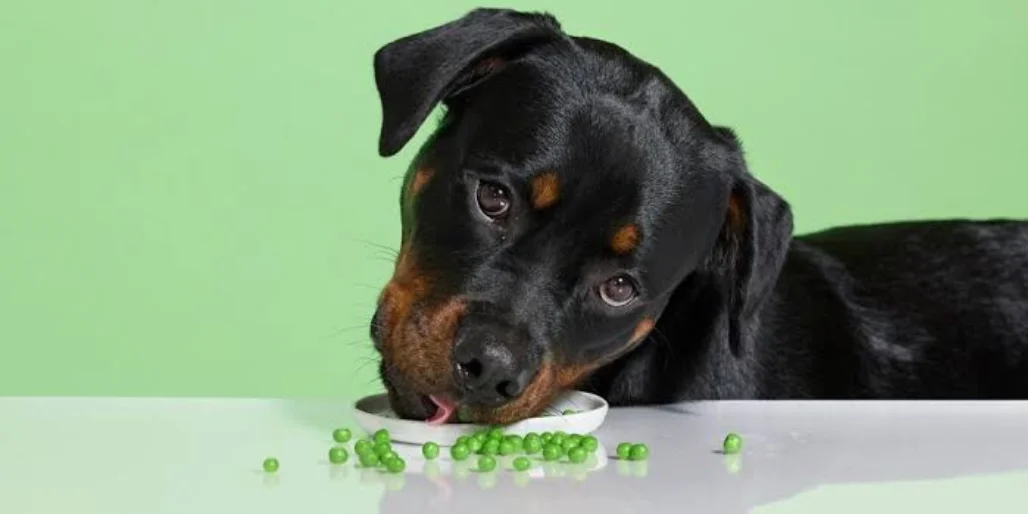
It’s a common query among pet owners: Can dogs eat peas? The good news is, yes, dogs can eat peas, and they can be a nutritious addition to your dog’s diet when served appropriately. Peas are generally safe for dogs and offer several health benefits, making them a popular choice for many pet parents looking to supplement their furry friend’s meals.
Are Peas Good for Dogs?
Absolutely! Peas are good for dogs, offering a range of nutritional benefits that can contribute to their overall well-being. These small, green legumes are packed with essential vitamins and minerals, making them a healthy treat or supplement to your dog’s regular meals. When considering new food for your dog, peas are often a safe and beneficial option that many dogs can enjoy.
Nutritional Benefits of Green Peas
Green peas, in particular, are a powerhouse of nutrition for your canine companion. They are rich in Vitamin K, Vitamin C, and B vitamins, which are crucial for various bodily functions, including blood clotting, immune support, and energy metabolism. Furthermore, green peas also contain important minerals like magnesium, iron, zinc, and potassium, all of which play vital roles in maintaining a healthy and balanced system for your dog.
Health Advantages of Feeding Peas to Your Dog
Feeding peas to your dog offers several health advantages. Beyond the vitamins and minerals, peas are a good source of fiber, which is excellent for promoting healthy digestion and regular bowel movements. This fiber content can help prevent constipation and support a healthy gut microbiome. Additionally, the antioxidants found in peas can help combat free radicals, potentially reducing the risk of chronic diseases and supporting overall cellular health for your beloved pet.
Peas as a Supplement in Dog Food
Peas can be an excellent supplement in both homemade and commercial dog food. Many high-quality dog food brands already include peas in their formulations due to their nutritional value. If you’re preparing homemade dog food recipes, adding a small amount of cooked peas can boost the meal’s nutrient profile. Remember to introduce any new food, including peas, in moderation to avoid any digestive upset as your dog adjusts to this tasty addition.
How to Safely Feed Peas to Your Dog
Feeding peas to your dog safely involves understanding the best forms and appropriate serving sizes. While dogs can eat peas, it’s crucial to prepare them correctly and introduce them in moderation to avoid any potential digestive issues. Knowing the difference between fresh, frozen, and canned peas, as well as how many peas to give your dog, will ensure this nutritious legume is a beneficial addition to their diet.
Fresh vs. Canned vs. Frozen Peas
When considering what types of peas to feed your dog, fresh or frozen peas are generally the best options. Fresh green peas are packed with vitamins and minerals, and when lightly steamed or boiled, they are easy for dogs to digest. Frozen peas, plain and without added salt or seasonings, are also an excellent choice and can be served thawed or even still frozen as a crunchy treat. Canned peas, however, should be avoided due to their high sodium content, which can be harmful to dogs. If you must use canned peas, rinse them thoroughly to reduce the salt, but it’s always safer to stick to fresh or frozen varieties. Ensure any peas you offer are removed from their pods, as while the pods of snap peas or snow peas are usually fine, larger pods can pose a choking hazard for smaller dogs.
Serving Sizes: How Many Peas to Give
The appropriate serving size for peas largely depends on your dog’s size and overall diet. Peas should always be offered in moderation as a treat or supplement, not as a main meal. For small dogs, a tablespoon or two of cooked peas mixed into their dog food is a good starting point. Medium dogs might enjoy up to a quarter cup, while large dogs could have half a cup. It’s important to introduce new food slowly and observe your dog for any signs of digestive upset. If you’re unsure about the right amount, consult your veterinarian, especially if your dog has any underlying health conditions. Remember, while peas are safe for dogs, too much of a good thing can lead to an imbalance in their diet.
Homemade Dog Food Recipes Featuring Peas
Incorporating peas into homemade dog food recipes can be a fantastic way to boost the nutritional value of your dog’s meals. You can easily add a handful of cooked peas to a mix of lean protein, such as cooked chicken or turkey, and other dog-safe vegetables (for more ideas, check out our guide on “Vegetables Dogs Can and Can’t Eat”). Pureeing peas and mixing them into a lick mat spread or adding them to homemade dog biscuits also makes for a delicious and nutritious snack. Just remember to avoid any seasonings or ingredients that are harmful to dogs when preparing these meals. Pawandbreeds hopes this information helps you confidently include peas in your dog’s healthy diet!
Are There Any Risks? Peas Bad for Dogs?
Potential Allergies and Digestive Issues
While peas are generally safe for dogs and can be a nutritious addition to their diet, there are always potential risks to consider, especially concerning allergies and digestive upset. Just like humans, some dogs can develop an allergy to certain foods, including peas. Symptoms of a food allergy might include itching, skin rashes, vomiting, or diarrhea. If you notice any of these signs after feeding your dog peas, it’s best to stop and consult your veterinarian. Additionally, introducing too many peas too quickly, or giving your dog peas that are not properly prepared, can lead to digestive issues such as gas, bloating, or loose stools. This is why moderation is key when introducing any new food.
Moderation: The Key to Feeding Peas
Moderation truly is the key when it comes to feeding peas to your dog. While peas are good for dogs due to their vitamins and minerals and fiber content, overfeeding can disrupt their balanced dog food intake and lead to digestive problems. A small amount of cooked peas as a treat or mixed into their regular dog food is usually well-tolerated. Think of peas as a supplement, not a primary food source. It’s crucial to ensure that peas, or any other treat, don’t make up more than 10% of your dog’s daily caloric intake to maintain a healthy and balanced diet. Always observe how your dog reacts to this new food.
When to Avoid Peas for Dogs
Although peas are safe for most canines to eat, there are specific situations where you should avoid giving your dog peas. If your dog has a history of kidney stones, particularly calcium oxalate stones, your veterinarian might advise against feeding peas. Peas contain purines, which can contribute to the formation of these stones in susceptible dogs. Furthermore, avoid any canned peas with high sodium content or peas seasoned with ingredients like garlic or onion, which are toxic to dogs. If your dog has a sensitive stomach or a known allergy to other legumes, it’s best to consult your vet before introducing peas to your dog’s diet to ensure they are safe for dogs.
Conclusion and Additional Resources
Final Thoughts on Feeding Peas to Dogs
In conclusion, dogs can eat peas, and they can be a healthy and nutritious addition to your dog’s diet when given in moderation and prepared correctly. Fresh or frozen green peas, served plain and cooked, offer a good source of vitamins and minerals and fiber, which supports digestion. Always avoid canned peas with added sodium and be mindful of portion sizes to prevent any digestive upset. By following these guidelines, you can confidently give your dog peas as a delightful and beneficial treat, enhancing their overall well-being.
Other Foods: Reference to Vegetables Dogs Can and Can’t Eat
While peas are a great option, it’s natural to wonder about other safe and healthy foods you can share with your furry friend. For more comprehensive information on what vegetables your dog can and can’t eat, be sure to check out our detailed guide on the subject. This resource will help you make informed choices about diversifying your dog’s diet with other beneficial produce, ensuring they receive a wide range of nutrients safely and deliciously.
Pawandbreeds: Your Resource for Dog Care
At Pawandbreeds, we are dedicated to providing comprehensive and reliable information to help you give your dog the best possible care. From nutrition advice to training tips and health insights, we strive to be your go-to resource for all things dog-related. We believe that a well-informed pet owner is the key to a happy and healthy dog, and we’re here to support you every step of the way on your pet parenting journey.
FAQ
Q: Can dogs eat peas?
A: Absolutely! Generally, peas are safe for dogs to eat. In fact, many commercial dog foods even include peas as an ingredient. They’re a super nutritious little veggie that can be a healthy snack for your pup when fed in moderation.
Q: Are peas safe for dogs to eat?
A: Yes, peas are safe for dogs to eat! Most types of peas, like garden peas, english peas, and even sugar snap peas, are perfectly fine. However, it’s always a good idea to introduce any new food slowly to see how your dog reacts.
Q: Can dogs eat canned peas?
A: While dogs can eat canned peas, it’s generally best to avoid them. Canned peas often contain added sodium, which isn’t good for your dog. If you absolutely have to use canned peas, make sure they are low-sodium or salt-free and rinse them thoroughly before you feed your dog peas.
Q: What kind of peas are safe for dogs?
A: Most common types of peas are safe for dogs! This includes garden peas, green peas, English peas, and even sugar snap peas. Black-eyed peas are also fine for your furry friend. Just avoid any heavily seasoned or processed peas.
Q: What are the benefits of peas for my dog?
A: Peas are good for your dog because they are packed with vitamins (A, K, and B vitamins), minerals, and are high in fiber, which can aid digestion. They’re also low in calories, making them a great healthy treat. So, feeding your dog peas can add some valuable nutrients to their diet.
Q: How should I feed my dog peas?
A: When you decide to feed your dog peas, fresh or frozen peas (thawed) are best. You can offer them plain, cooked, or even mashed. Just make sure they are unsalted and unseasoned. Start with a small amount to see how your dog likes peas and to ensure no digestive upset. Remember, peas should be a treat, not a meal!
Q: How many peas can I feed my dog?
A: The amount of peas you can feed your dog depends on their size and overall diet. A few tablespoons for larger dogs or a teaspoon or two for smaller dogs is a good starting point. Too many peas can lead to digestive upset, so moderation is key. Peas should only make up a small portion of their daily caloric intake and not replace their complete and balanced dog food.