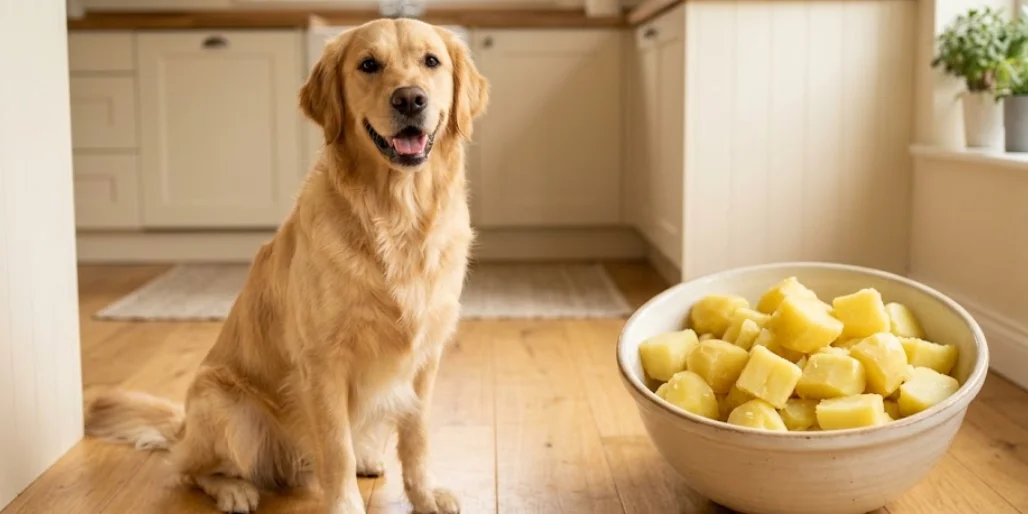
Potatoes, a common staple in our diets, often leave pet owners wondering if their furry friends can also enjoy them. Good news: dogs can eat potatoes, but with important caveats regarding preparation and type. It’s crucial to understand which potatoes are safe, how to prepare them, and what to avoid to ensure your dog’s well-being.
Understanding Potatoes and Dogs
Are Potatoes Safe for Dogs?
Yes, potatoes are safe for dogs when prepared correctly. The main concern with dogs eating potatoes comes from raw potatoes and green potatoes, which contain solanine, a compound that is toxic to dogs. However, once potatoes are cooked, the solanine levels significantly decrease, making cooked potatoes safe for dogs. It’s all about how you offer them to your beloved pet, ensuring they are properly prepared.
Benefits of Feeding Potatoes to Dogs
When offered in moderation, potatoes can be a healthy addition to your dog’s diet. Potatoes are high in carbohydrates, providing a good source of energy. They also contain essential vitamins and minerals, like vitamin C, vitamin B6, and potassium, which are good for dogs’ overall health. Adding plain potatoes, such as plain mashed potatoes, can be a beneficial treat for your canine companion.
Types of Potatoes and Their Safety
Dogs can eat both regular potatoes (like white potatoes) and sweet potatoes. Sweet potatoes are often considered even healthier for dogs due to their higher vitamin A content. While dogs can eat sweet potatoes, it’s still important to feed them in moderation. Avoid feeding your dog green potatoes or sprouted potatoes, as these parts have elevated levels of solanine, making them bad for dogs.
Feeding Potatoes to Your Dog
How to Safely Feed Potatoes
When preparing potatoes for your furry friend, safety is paramount. Always ensure the potatoes are thoroughly cooked before offering them to your dog. This process drastically reduces the solanine content, which is toxic to dogs in its raw form. Plain potatoes are best, so avoid any added ingredients that might be harmful to your dog. Remember, moderation is key when you feed potatoes to your dog.
Cooking Methods for Dog-Friendly Potatoes
Several cooking methods make potatoes safe for dogs. Boiled potatoes, baked potatoes, and roasted potatoes are excellent choices, as long as they are prepared without any seasoning, butter, or oil. Plain mashed potatoes are also a good option, provided they don’t contain any milk, cream, or excessive salt. Avoid fried potatoes, as the high fat content can upset your dog’s stomach.
Portion Sizes for Dogs
Determining the right portion size for potatoes depends on your dog’s size, activity level, and overall diet. Potatoes are high in carbohydrates, so they should be given in moderation as an occasional treat, not as a main component of their dog food. A small amount, like a tablespoon or two for a medium-sized dog, is a good starting point. Always consult your vet for personalized advice.
Risks and Precautions
Raw Potatoes and Solanine
It’s crucial to understand that raw potatoes and green potatoes contain solanine, a glycoalkaloid that can be toxic to dogs. This compound can cause gastrointestinal upset, lethargy, and even more severe neurological symptoms if ingested in large quantities. Therefore, never allow your dog to eat raw potatoes or any potatoes that show green spots or sprouts, as these indicate high solanine levels.
Potato Skin: Safe or Not?
While some dog owners might wonder about potato skin, it’s generally best to remove it before feeding potatoes to your dog. Potato skin can contain solanine, especially if the potato is green or sprouted. Additionally, the skin can be difficult for some dogs to digest, potentially leading to an upset stomach. It’s safer to stick to the peeled, cooked potato flesh.
Seasoning and Additives to Avoid
When preparing potatoes for your dog, it’s vital to avoid any human seasoning or additives. Onions, garlic, excessive salt, pepper, and artificial sweeteners are all bad for dogs and can be toxic. Plain potatoes are the only safe way to go. Always remember that what’s delicious for us can be harmful to our pets, so keep it simple when you feed your dog potatoes.
Alternatives to Potatoes
Sweet Potatoes: A Healthier Option
Sweet potatoes are often considered a superior and healthier alternative to regular potatoes for your canine companion. They are packed with vitamins, particularly vitamin A, and are also a great source of fiber, which can aid in your dog’s digestion. While dogs can eat sweet potatoes, it’s still important to feed them in moderation, always cooked and plain, without any added seasoning that might be bad for dogs.
Mashed Potatoes and Dogs
Many dog owners wonder about mashed potatoes. While plain mashed potatoes are generally safe for dogs, it’s important to be cautious. The mashed potatoes you prepare for yourself often contain butter, milk, salt, or even garlic, all of which are bad for dogs. If you want your dog to enjoy potatoes this way, ensure it’s just plain, cooked potato, mashed without any additives.
Other Vegetables Suitable for Dogs
Beyond potatoes, there’s a whole world of vegetables that are safe and beneficial for dogs. Carrots, green beans, peas, and broccoli (in moderation) are all excellent choices. These vegetables offer various vitamins, minerals, and fiber, contributing to your dog’s overall health. Always remember to cook vegetables and serve them plain to your dog.
Conclusion
Final Thoughts on Dogs Eating Potatoes
In conclusion, dogs can eat potatoes, but the key lies in proper preparation and moderation. Cooked potato, free from any seasoning, is generally safe for dogs. Avoid raw potatoes and green potatoes due to their solanine content, which is toxic to dogs. Always prioritize plain potatoes as an occasional treat rather than a staple in their dog food.
Reference to Vegetables Dogs Can and Can’t Eat
For a more comprehensive guide on which vegetables your furry friend can safely enjoy and which to avoid, make sure to check out our detailed article on “Vegetables Dogs Can and Can’t Eat.” It offers valuable insights to help you make informed decisions about your dog’s diet, ensuring they only consume healthy and safe options.
About Pawandbreeds
At Pawandbreeds, we are dedicated to providing pet owners with reliable, expert-backed information to help them offer the best care for their beloved companions. From nutritional advice to training tips, our goal is to support you in ensuring your pet lives a happy, healthy, and fulfilling life.
FAQ
Q: Can dogs eat potato, or are potatoes bad for dogs?
A: The good news is, yes, dogs can eat plain potatoes in moderation! Potatoes are generally considered safe for dogs, but there are definitely some important “dos and don’ts” to keep in mind to ensure they’re healthy for dogs. Think of it like a sometimes treat, not a main meal.
Q: Are potatoes good for dogs, or should I be worried about my dog eating them?
A: When prepared correctly and given in moderation, potatoes can offer some nutritional benefits. They contain vitamins and minerals like Vitamin C, Vitamin B6, potassium, and iron. However, raw potatoes contain solanine, which can be toxic. So, cooking potatoes reduces the solanine content, making them much safer. It’s all about how you serve them!
Q: Can dogs eat mashed potatoes, and if so, what kind of mashed potatoes are safe?
A: Yes, dogs can eat mashed potatoes, but there’s a big catch! Dogs eat mashed potatoes only if they are plain. This means no butter, no milk, no salt, no garlic, no onions, and absolutely no spices. These additives can be really bad for dogs. So, if you’re making a batch for your pup, keep a small portion plain and unseasoned before you add anything else to yours.
Q: Can dogs eat sweet potatoes, or are regular potatoes better for dogs?
A: Great question! Dogs can eat sweet potatoes too, and many people actually consider them a healthier alternative to regular white potatoes. Sweet potatoes are packed with even more vitamins and fiber. Both are fine, but if you’re looking for a nutrient boost, sweet potatoes for dogs are a fantastic choice. Just like regular potatoes, they should be cooked and served plain.
Q: What’s the deal with dogs eat raw potatoes? Is that safe?
A: Absolutely not! Dogs should not eat raw potatoes. Raw potatoes contain solanine, a toxic compound that can upset your dog’s stomach, cause vomiting, diarrhea, and in severe cases, more serious issues. Always make sure any potatoes you feed your dog are thoroughly cooked to reduce this risk. Avoid potatoes in their raw form completely.
Q: My dog accidentally ate some green parts of potatoes. Is that bad for dogs?
A: Yes, that’s definitely something to be concerned about. The green parts of potatoes and any sprouts contain higher concentrations of solanine and should never be fed to dogs. If your dog has eaten a significant amount of green potato, it’s best to contact your vet right away for advice. Better safe than sorry when it comes to feeding potatoes!
Q: What kind of cooked potato can dogs eat? Are baked potatoes or boiled potatoes better?
A: When it comes to dogs eat cooked potatoes, baked potatoes and boiled potatoes are both excellent choices, as long as they are plain. Plain baked potatoes or plain boiled potatoes are safe for dogs. Avoid any oils, butter, salt, or seasonings. Simply cook them until soft and then offer a small, cooled portion to your pup. This ensures potatoes are safe for dogs.
Q: Are there any dogs who should not eat potatoes, even plain ones?
A: While potatoes are generally safe in moderation, there are some dogs who should not eat potatoes. Dogs with diabetes, for example, might need to avoid potatoes due to their carbohydrate content, which can affect blood sugar levels. Also, if your dog has any digestive sensitivities or allergies, it’s best to avoid potatoes altogether or consult your vet first. Always introduce new foods slowly to see how your dog reacts.