This guide delves into the fascinating world of the English Shepherd and Australian Shepherd breeds, two intelligent and loyal dog companions. We’ll explore their distinct characteristics, temperaments, and specific care needs to help you understand which magnificent shepherd dog might be the perfect addition to your home.
Understanding the English Shepherd Breed
The English Shepherd is a highly intelligent and versatile dog breed, often described as an “all-around farm dog.” Unlike some other shepherd breeds, the English Shepherd possesses a unique blend of herding instinct, protective nature, and a desire to be an an active part of the family. This makes them a truly adaptable and loyal pet for those who appreciate a good dog with a strong work ethic and an affectionate disposition.
Characteristics of the English Shepherd
These beautiful dogs are a medium-sized breed with a sturdy build, showcasing a rustic charm. Their double coat comes in various color combinations, including tricolor, sable, and black and tan. An English Shepherd is known for its keen intelligence and ability to learn quickly, making them highly trainable. They thrive on having a purpose, whether it’s herding livestock or simply “supervising” the family’s activities in the yard.
Temperament and Loyalty
The English Shepherd’s temperament is a true highlight of the breed. They are incredibly loyal to their family members and form strong bonds, often acting as a shadow. This pet is known for being gentle with children and other pets, including cats, as long as they are properly socialized from a young age. Their protective instincts mean they will alert you to strangers, but they are not typically aggressive, making them a balanced and good dog for many households.
English Shepherd Puppy Care
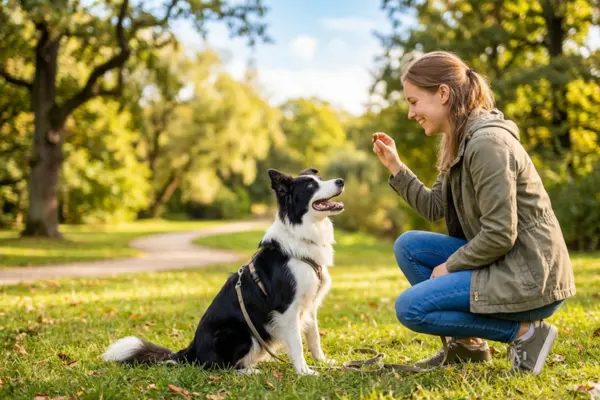
Bringing an English Shepherd puppy home is an exciting time! Early training and socialization are crucial for these intelligent pups. Consistency is key when teaching commands and establishing good behavior. Housetraining an English Shepherd puppy typically goes smoothly with a consistent schedule and positive reinforcement. Daily exercise, like walks in the park, is vital for these active dogs to prevent boredom and ensure they develop into a well-adjusted companion.
Exploring the Australian Shepherd Breed
Key Traits of the Australian Shepherd
The Australian Shepherd is a striking and intelligent dog breed, renowned for its captivating gaze and energetic nature. These medium-sized dogs possess a robust build and a beautiful, often marbled, double coat that requires regular grooming. Known for their incredible agility and strong herding instincts, an Australian Shepherd is a working dog through and through, thriving when given a job to do. Their intelligence and eagerness to please make them highly trainable companions for active families.
Socialization Needs
Like many intelligent breeds, the Australian Shepherd has significant socialization needs to ensure they grow into a well-adjusted and confident dog. Early and consistent exposure to various people, places, sounds, and other pets, including cats, is crucial for an Australian Shepherd puppy. Proper socialization helps them develop good behavior and prevents them from becoming overly shy or reactive. Regular outings to the park and interactions with new experiences will help your pup thrive.
Australian Shepherd Puppy Training
Training an Australian Shepherd puppy is a rewarding experience due to their high intelligence and eagerness to learn. Positive reinforcement methods, coupled with consistent training sessions, are highly effective for this breed. Focusing on obedience from a young age helps to harness their energy and direct their strong will. Daily exercise and mental stimulation are just as important as physical activity for an Australian Shepherd, ensuring they remain a happy and well-behaved pet.
Comparing English Shepherds and Australian Shepherds
Physical Differences
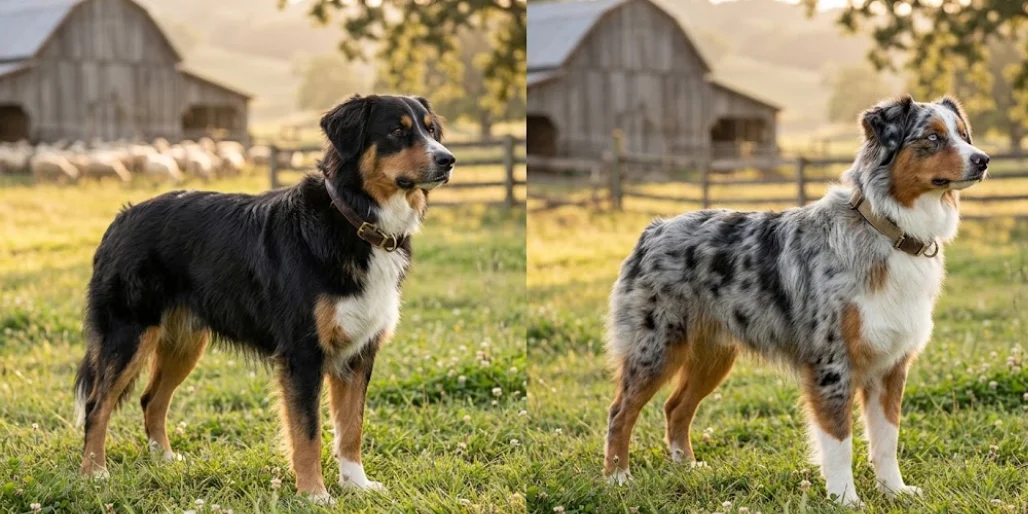
When looking at an English Shepherd versus an Australian Shepherd, you’ll notice some distinct physical traits. The English Shepherd typically has a more rustic, classic farm dog appearance, with a medium-length coat that can come in various colors like tricolor or sable. An Australian Shepherd, however, is often recognized by its striking merle coat patterns, vivid eye colors, and sometimes naturally docked or bobbed tail. Both are medium-sized dogs, but the Australian Shepherd often appears slightly more compact and agile, built for their intense herding work.
Behavioral Traits: Shepherd vs Shepherd
The behavioral differences between these two shepherd dogs are noteworthy. The English Shepherd is generally more laid-back indoors, though still requiring daily exercise and mental stimulation. They are incredibly loyal and bond deeply with their family members, often content to supervise from the yard. An Australian Shepherd, while also loyal, tends to have a much higher energy level and a more intense drive to herd, which means they might try to “herd” children or other pets by nipping at heels. Both breeds are intelligent, but the Australian Shepherd’s work ethic is often more pronounced.
Adoption Considerations
When considering which dog to adopt, ponder the temperament of each shepherd dog. If you are looking for a good dog that is a devoted family companion with a strong but not overwhelming drive, an English Shepherd might be for you. If you have an active lifestyle, perhaps enjoy dog sports, and can devote significant time to training sessions and daily exercise, an Australian Shepherd pup would thrive in your home. Always ensure you can meet the needs of either intelligent breed before bringing them home.
Choosing the Right Shepherd for You
Factors to Consider When Adopting
Before you adopt a shepherd dog, consider several factors to ensure a good match. Think about your lifestyle: do you have a large yard for a playful pup, or will you need to provide more walks in the park? Evaluate your experience with dog training; both breeds are intelligent but require consistent training and socialization. Also, consider the time you can devote to a loyal companion; both the English Shepherd and Australian Shepherd thrive on attention and being an active part of the family.
Housetraining Tips for Both Breeds
Housetraining an English Shepherd or Australian Shepherd puppy requires consistency and patience. Establish a regular schedule for potty breaks, especially after waking up, eating, and playing. Use positive reinforcement, like treats and praise, when your pup eliminates outside. Crate training can also be incredibly effective for both breeds, as dogs naturally don’t like to soil their sleeping area. Be patient; even the most intelligent dog breed needs time to learn new behaviors.
Resources for Prospective Owners
Finding a reputable breeder is crucial, whether you choose an English Shepherd or an Australian Shepherd. A good breeder will prioritize the health and temperament of their litter and be transparent about the dog’s lineage. For those considering adoption, rescue organizations specializing in shepherd breeds are excellent resources. Additionally, online forums and local dog clubs can provide valuable insights and support from experienced owners. Remember to consult your vet for advice on keeping your dog healthy.
FAQ
Q: What’s the main difference between an English Shepherd and an Australian Shepherd?
A: Well, the biggest thing to remember is that while both are super smart and active herding dogs, they actually have different origins. The English Shepherd comes from, you guessed it, England, brought over by early settlers to help on farms. The Australian Shepherd, despite its name, was actually developed in the western United States, primarily to herd sheep for Basque shepherds. So, different roots, even if they share some similar traits!
Q: Are English Shepherds and Australian Shepherds good for families with kids?
A: Absolutely, they can be fantastic family dogs! Both breeds are generally very loyal and protective of their family “flock.” However, because they are both active, intelligent breeds, they do best with families who understand their need for physical exercise and mental stimulation. With proper socialization from a young age (like when they’re 6 months old), they can be wonderful companions for children. Just remember to always supervise interactions between dogs and young kids, no matter the breed!
Q: Do these breeds shed a lot? Will I be covered in dog hair?
A: Oh yeah, you’re probably going to find some dog hair around the house! Both English Shepherds and Australian Shepherds have a double coat, which helps protect them from the elements. This means they do shed, especially seasonally. Regular brushing, at least a few times a week, can help manage the shedding and keep their coats healthy. If you’re looking for a dog that won’t shed, these aren’t your guys!
Q: How much exercise do an English Shepherd and an Australian Shepherd need?
A: A lot! These aren’t couch potato breeds. Both are high-energy working dogs that thrive on having a job to do. Daily vigorous exercise is a must. Think long walks, runs, hikes, and plenty of playtime. They also really benefit from mental stimulation, like puzzle toys or training sessions. If they don’t get enough exercise, they can become bored and destructive, which isn’t fun for anyone. They’re quick learners, so training can be a great way to bond and burn off some energy.
Q: Are English Shepherds and Australian Shepherds easy to train?
A: They are incredibly intelligent and eager to please, which makes them very trainable! However, their intelligence means they can also be a bit stubborn if they don’t see the point in what you’re asking. Positive reinforcement methods work best, and starting training early, even when they’re just a few months old, is key. They’re quick learners, so you can teach them a wide variety of commands and even tricks. Just make sure to keep training sessions fun and engaging.
Q: What’s their temperament like compared to, say, a German Shepherd or a Collie?
A: While they share some herding instincts with a German Shepherd or a Collie, there are nuances. English Shepherds are often described as “farm collies” – very versatile, calm within the home but ready to work outside. They tend to be a bit more reserved with strangers than, say, some Australian Shepherds. Australian Shepherds can be very outgoing and playful, but also intensely focused when working. Both are generally very loyal and can be protective of their family. They’re definitely not a toy breed; they’re a large breed with a lot of presence!
Q: Do they have any specific health concerns I should be aware of?
A: Like many purebred dogs, both English and Australian Shepherds can be prone to certain genetic health conditions. For Australian Shepherds, hip and elbow dysplasia, certain eye conditions (like Collie Eye Anomaly), and a genetic mutation called the MDR1 gene (which makes them sensitive to certain medications) are important to screen for. English Shepherds can also be prone to hip and elbow dysplasia, as well as some eye issues. Reputable breeders will screen their breeding stock for these conditions. Always ask about health clearances for the parents when looking for a first pup.