Thinking about bringing a Pekingese into your life? This breed guide will walk you through everything you need to know, from their fascinating history and unique physical traits to their distinctive temperament and essential care requirements, ensuring you’re well-prepared for dog ownership.
Pekingese Breed Overview
History of the Pekingese
The Pekingese dog breed boasts a rich and regal history, tracing its origins back to ancient China where it was revered by Chinese royalty and cherished within the imperial court. These dignified small dogs were often depicted in art and were considered sacred companions, with records suggesting their presence dating back over a thousand years. It wasn’t until 1860, during the Opium Wars, that these treasured imperial court dogs made their way to the Western world, captivating enthusiasts with their lion-like appearance and noble demeanor.
Physical Characteristics
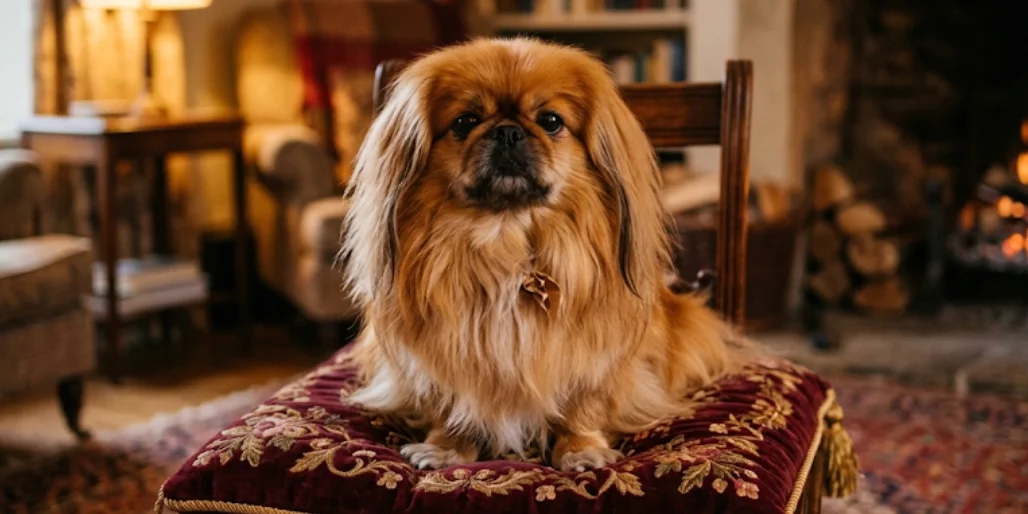
The Pekingese is an unmistakable toy breed, known for its distinctive appearance that sets it apart from other small dogs. They possess a robust, compact body and a truly impressive long, flowing double coat that requires regular grooming to prevent mats. Their most prominent feature is their flat face and short muzzle, typical of a brachycephalic breed, which contributes to their charming, almost mournful expression. This flat-faced characteristic, while adorable, also comes with specific health considerations we’ll explore. They also have a unique rolling gait due to their bowed front legs.
Understanding the Temperament
The temperament of the Pekingese is often described as a captivating blend of independence, affection, and regal dignity. While they can be quite aloof with strangers, a well-socialized Pekingese is fiercely loyal and affectionate with their family. Despite their small size, they possess a confident and courageous spirit, often acting like much larger dogs. Training a Pekingese benefits greatly from positive reinforcement, as their stubborn streak requires a gentle yet firm approach.
Caring for Your Pekingese
Grooming Needs
Caring for your Pekingese, especially when it comes to grooming, is a significant commitment due to their luxurious double coat. Regular grooming is essential to prevent mats and tangles, which can quickly form in their long, flowing fur. Many owners find that daily brushing helps to keep their Peke looking dignified and comfortable. Beyond just brushing, occasional professional grooming sessions can help maintain their breed standard appearance and address specific needs like trimming around their flat face and paws, ensuring their comfort and health.
Training a Pekingese
Training a Pekingese requires patience and a gentle approach, as this toy breed can be quite independent. While they are intelligent, their stubborn streak means positive reinforcement methods work best. Early socialization for your Pekingese puppy is crucial to help them become well-adjusted, especially considering their naturally aloof temperament with strangers. Consistent, short training sessions will yield better results than long, repetitive ones, helping your Peke learn commands and good manners without becoming bored or resistant.
Health Concerns
Despite their regal appearance, Pekingese dogs, like many flat-faced breeds, have specific health concerns that potential owners should be aware of. Their brachycephalic nature means they are prone to respiratory issues, collectively known as brachycephalic obstructive airway syndrome (BOAS). Other common health concerns include eye problems like dry eye and corneal ulcers due to their prominent eyes and short muzzle. Regular check-ups with a vet who understands the unique needs of a Pekingese dog breed are vital for maintaining their health and welfare.
Pekingese Lifespan and Well-being
Typical Lifespan
The typical lifespan of a Pekingese ranges from 12 to 15 years, a respectable age for a small dog breed. Providing excellent care, including proper nutrition, regular veterinary check-ups, and a comfortable environment, can significantly contribute to your Pekingese’s longevity. While individual dogs vary, understanding the general life expectancy helps owners prepare for the long-term commitment of dog ownership and focus on maintaining their Pekingese’s overall health and welfare throughout their life.
Common Health Issues
Beyond the respiratory issues related to their brachycephalic flat face, Pekingese dogs can also suffer from other common health issues. Patellar luxation, a knee problem, is sometimes seen in this toy breed, as are certain heart conditions. Due to their prominent eyes, they are susceptible to conditions like progressive retinal atrophy and entropion. A responsible breeder will screen their Pekingese puppies for these hereditary conditions, helping to ensure the health of the breed.
Maintaining a Healthy Weight
Maintaining a healthy weight is incredibly important for your Pekingese, as their compact build can make them prone to obesity, which can exacerbate existing health concerns, particularly those related to their breathing and joints. Regular, moderate exercise needs, combined with a balanced diet appropriate for a small dog, will help keep your Pekingese in optimal condition. Even a slight increase in weight can put extra strain on their delicate respiratory system, making proper weight management a cornerstone of their health and welfare. For more insights on various breeds, check out our Dog A-Z Breeds Guide at Pawandbreeds.
Understanding the Pekingese as a Toy Breed
Characteristics of Toy Breeds
Toy breeds, like the Pekingese, are celebrated for their small size, making them ideal companions for various living situations, including apartments. These dogs often possess a distinct temperament, combining affection with a surprising amount of courage and an often dignified demeanor. While their small stature might suggest fragility, many toy breeds are quite robust. Understanding these characteristics is key to appreciating why the Pekingese holds such a special place among small dog enthusiasts, embodying many of these charming traits with its regal air and lion-like appearance.
Why Choose a Pekingese?
Choosing a Pekingese means welcoming a truly unique and affectionate companion into your home, perfect for those seeking a dog with a regal presence and a strong bond with their family. Despite their aloofness with strangers, Pekingese dogs are incredibly loyal and can be quite playful with their owners. Their relatively modest exercise needs also make them a suitable choice for individuals or families who prefer a less high-energy dog breed. Plus, their distinctive flat face and rolling gait add to their charm, making them stand out in any crowd.
Socializing Your Pekingese
Socializing your Pekingese from a young age is crucial to help them develop into well-adjusted adults, despite their naturally dignified and sometimes aloof temperament. Early positive reinforcement and exposure to various sights, sounds, and gentle interactions will help your Pekingese puppy become more comfortable and less suspicious of new situations and people. Consistent, positive socialization experiences can mitigate their tendency to be wary of strangers and ensure they develop into confident, happy small dogs. This proactive approach is vital for their overall health and welfare.
Conclusion
Final Thoughts on Pekingese Care
In conclusion, caring for a Pekingese is a rewarding experience, requiring dedication to their unique grooming needs, understanding of their brachycephalic health concerns, and consistent positive reinforcement for training. Their regal yet affectionate temperament makes them wonderful companions for those who appreciate their dignified charm. With proper attention to their coat care, regular veterinary check-ups for their flat-faced issues, and a loving environment, your Pekingese can enjoy a full and healthy life. This small dog breed truly offers a blend of imperial grandeur and devoted companionship.
Resources for Pekingese Owners
For current and prospective Pekingese owners, numerous resources can provide invaluable support. The American Kennel Club (AKC) offers comprehensive breed standard information, while local Pekingese breed clubs often host events and provide community support. Consulting with a vet experienced with brachycephalic breeds is essential for managing health concerns like brachycephalic obstructive airway syndrome (BOAS) or dry eye. Utilizing these resources can greatly enhance your ability to provide the best care for your dignified Peke.
Visit the Dog A-Z Breeds Guide for More Information
For those captivated by the unique charm of the Pekingese and interested in exploring other breeds, a wealth of information awaits. To deepen your understanding of various dog breeds, their temperaments, and care requirements, you can find a comprehensive overview. Dive into the fascinating world of canine companions, from the smallest toy breed to the largest working dogs, and discover the perfect addition to your family. Pawandbreeds offers detailed guides to help you make informed decisions.
FAQ
Q: What’s the deal with Pekingese and their dignify attitude anyway?
A: Honestly, it’s one of the coolest things about the breed. Pekes have this dignify, almost regal way of carrying themselves that goes straight back to their roots in the Chinese Imperial Court. These little dogs were bred for royalty, not for chasing rabbits, so they’ve got this “I’m kind of a big deal” energy packed into a small body. If you want a dog that acts like a lion but fits in your lap, this is it.
Q: Why do Pekingese have such weird hindquarter and gait?
A: Great question! Their hindquarter structure combined with their short legs and heavier front end creates that distinctive rolling gait you’ll notice right away. It’s almost like a little sailor waddle. It’s totally normal for the breed and honestly kind of charming once you get used to it, but it’s also why Pekes shouldn’t be doing marathons or intense hiking trips.
Q: Is the flattened face thing going to cause health problems?
A: It can, so it’s worth knowing about before you commit. The skull and flattened face structure that makes Pekes look so distinctive also means they’re prone to noisy breathing, an elongated soft palate, and narrow nostrils that make it harder for them to cool down or breathe normally, especially in heat. This is part of why regular veterinary care matters so much for this breed, and why you should never leave one in a hot car or overdo exercise in summer.
Q: How much exercise per day does a Pekingese actually need?
A: Not much, honestly, which surprises people. Because of their flattened face and breathing limitations, these dogs do best with short, gentle walks rather than long runs. Think 20-30 minutes of exercise per day split into a couple of chill walks. They’re not lazy exactly, they just weren’t built for cardio, they were built for lounging in palaces.
Q: What other health issues should I watch for besides breathing?
A: A few things come up a lot in this pekingese breed guide territory. Intervertebral disc disease is common because of their long backs and short legs, so jumping off furniture isn’t great for them. Skin fold dermatitis is another one since their wrinkly faces trap moisture and bacteria if you don’t clean them regularly. Eye care is also huge, those big beautiful eyes are prone to injury and ulcers because they protrude a bit. Basically, health and temperament go hand in hand here, a well cared for Peke is a happy, confident Peke.
Q: Do Pekingese get along with older children and adults, or are they better in quieter homes?
A: They tend to do best with older children and adults rather than toddlers, mostly because they can be a little snippy if handled roughly and their bodies are just delicate. They bond hard with their people though, and once they trust you, they’re loyal little shadows. Calm households suit them way better than chaotic ones.
Q: Is the Pekingese recognized as an AKC breed, and are they big in the dog show world?
A: Yep, they’re a well established AKC breed and have been for a long time. They actually do really well at dog show events because of their dramatic mane, flowing coat, and that confident strut. Judges love a Peke that knows it’s the main character, which, let’s be real, most of them do.
Q: What’s the history behind the mane and coat, and why do people call them the “lion dog”?
A: The thick mane around the neck and shoulders was actually intentional in their breeding, going back to when they were kept as chinese imperial companions meant to resemble small lions, which were sacred symbols. Legends even connect them to the Summer Palace in Beijing, where these dogs supposedly lived pampered lives among royalty. That mane plus a plush undercoat gives them a majestic look that takes some serious brushing to maintain.
Q: How did Pekingese end up outside of China in the first place?
A: This ties into some real history. During the Second Opium War, British troops raided the Summer Palace in Beijing, and several Pekingese were taken back to England, including one famously gifted to Queen Victoria. That’s basically the moment this “type of dog” went from being an exclusively Chinese Imperial Court secret to a breed the whole world fell in love with.
Q: Any tips on how to find a breeder for a Pekingese?
A: When you’re trying to find a breeder, look for someone who health tests for the issues common to the breed, like spine and eye problems, and who lets you meet the puppy’s parents. A reputable breeder should talk openly about health and temperament, not just looks. Avoid anyone who can’t answer basic questions about grooming, exercise per day needs, or veterinary care history. A good breeder wants their pekes to end up in homes that get what they’re signing up for.