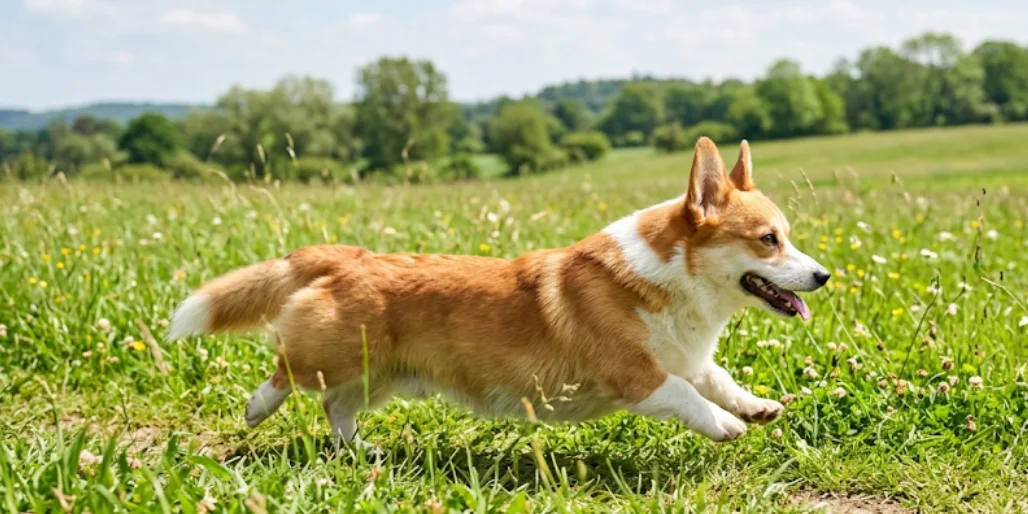
The Pembroke Welsh Corgi is a small, beloved herding dog renowned for its distinctive appearance and charming personality. This comprehensive guide will delve into everything you need to know about caring for this popular dog breed, from its rich history to essential health information and fascinating facts, ensuring you’re well-equipped to be a great Corgi owner.
Pembroke Welsh Corgi Overview
The Pembroke Welsh Corgi is an energetic and intelligent small dog breed, easily recognized by its short legs, long body, and foxy face. These working dogs possess a strong herding instinct, historically used to herd cattle in Wales. Their compact stature and spirited temperament make them delightful companions for many dog owners, though they do require consistent training and socialization.
History of the Pembroke Welsh Corgi
The history of the Pembroke Welsh Corgi is deeply rooted in the Pembrokeshire region of Wales, where they were developed as efficient herding dogs. Their lineage can be traced back to the 10th century, with some theories suggesting they are descendants of Spitz-type dogs brought by Flemish weavers. These resilient small dogs were crucial for farmers, adept at nipping at the heels of cattle to move them along, a classic herding behavior.
Over centuries, the Pembroke Welsh Corgi became an indispensable part of Welsh farm life, and their intelligence and loyalty were highly valued. Their popularity soared globally, significantly bolstered by Queen Elizabeth II’s lifelong affection for the breed, making them one of the most recognized and beloved dog breeds worldwide. Today, the Pembroke Welsh Corgi maintains a strong presence in dog shows and as cherished family pets.
Characteristics of the Breed
The Pembroke Welsh Corgi breed standard describes a sturdy, low-set dog with an alert and intelligent expression. Key physical characteristics include their iconic short legs, a body that is longer than it is tall, and a distinct foxy head. Their double coat, which can come in various colors such as red, sable, fawn, and black and tan, often features white markings, requiring regular brushing to manage shedding.
Beyond their physical traits, the temperament of the Pembroke Welsh Corgi is typically outgoing, playful, and intelligent, making them highly trainable with positive reinforcement. However, their strong herding instinct can sometimes manifest as a tendency to nip at heels, a behavior that can be managed with proper socialization and training from a young puppy age. They excel in dog sports like agility, showcasing their athleticism and mental stimulation needs.
Pembroke vs. Cardigan Corgis
While often grouped together, the Pembroke Welsh Corgi and the Cardigan Welsh Corgi are distinct dog breeds with separate origins and breed standards.
| Breed | Tail Characteristic |
| Pembroke Welsh Corgi | Traditionally docked or naturally bobbed |
| Cardigan Welsh Corgi | Long, fox-like tail (sometimes referred to as the “Corgi with a tail”) |
Further differentiating these Corgi breeds are subtle variations in their head shape and body structure. Both are incredible herding dogs with similar herding instincts, but discerning dog owners will appreciate these nuances when choosing between a Pembroke Welsh Corgi or a Cardigan Welsh Corgi.
| Breed | Characteristics |
| Cardigan Welsh Corgi | Slightly larger and heavier-boned, with larger, more rounded ears. |
| Pembroke Welsh Corgi | Generally smaller and lighter-boned than Cardigans. |
Pembroke Welsh Corgi Temperament
Personality Traits
The Pembroke Welsh Corgi is well-known for its delightful and intelligent temperament. These small dogs are often described as big dogs in a small package, full of personality and charm. They are generally outgoing, affectionate, and possess a strong desire to be part of family activities, making them wonderful companion animals for many dog owners. Their alertness and intelligence mean they respond well to positive reinforcement training.
Socialization Needs
Proper socialization from a young puppy age is crucial for the Pembroke Welsh Corgi. Early exposure to various people, places, and other pets helps to develop a well-adjusted and confident dog. Without adequate socialization, their natural herding instinct and protective nature might lead to excessive barking or nipping at heels, a common herding behavior. Regular trips to dog parks or puppy classes are highly beneficial.
Interaction with Other Pets
Pembroke Welsh Corgi dogs typically get along well with other pets, especially if introduced properly during their puppy stages. Their herding instinct, however, might lead them to try and “herd” smaller animals, but this can usually be managed with consistent training. They can be excellent companions to cats and other dogs, thriving in multi-pet households where they receive plenty of mental stimulation and companionship.
Grooming the Pembroke Welsh Corgi
Pembroke Welsh Corgi Grooming Essentials
Grooming a Pembroke Welsh Corgi, while not overly complicated, is essential due to their dense double coat. Regular grooming helps maintain the health of their skin and coat and significantly reduces shedding. Key essentials include routine brushing, occasional bathing, and nail trims. Investing in the right grooming tools will make this process easier and more effective for every Pembroke Welsh Corgi owner.
How to Manage Shedding
The Pembroke Welsh Corgi is known for being a moderate to heavy shedder, especially during seasonal changes. To effectively manage shedding, frequent brushing, ideally a few times a week, is necessary. A good de-shedding tool can help remove loose undercoat hairs, preventing them from ending up on your furniture. Regular grooming not only controls shedding but also promotes a healthier coat.
Grooming Tools and Techniques
For Pembroke Welsh Corgi grooming, a slicker brush, an undercoat rake, and a de-shedding tool are indispensable. To keep your Pembroke Welsh Corgi looking its best, you should:
- Start by using the slicker brush to remove surface tangles.
- Follow with the undercoat rake to get deep into the double coat and pull out loose hair.
- Brush regularly in short, gentle strokes, and give occasional baths using a dog-specific shampoo.
Health Considerations for Corgi Dogs
Common Health Issues
Pembroke Welsh Corgi dogs, while generally robust, are prone to certain breed-specific health issues due to their unique stature. Conditions like hip dysplasia and elbow dysplasia are concerns for this small breed, as is intervertebral disc disease (IVDD) because of their long backs. Responsible Pembroke Welsh Corgi breeders screen their breeding dogs for these genetic conditions to ensure the health of their Corgi puppies, providing peace of mind to prospective dog owners.
Another significant health concern for the Pembroke Welsh Corgi breed is degenerative myelopathy, a progressive neurological condition affecting the spinal cord. Eye conditions and certain types of cancer can also be more prevalent in this breed. Regular veterinary check-ups are crucial for early detection and management of these common health issues, ensuring your Pembroke Welsh Corgi dog lives a long, healthy life.
Preventative Care and Check-ups
Proactive preventative care is key to maintaining the well-being of your Pembroke Welsh Corgi. This includes a consistent vaccination schedule, regular deworming, and parasite prevention as advised by your veterinary professional. Annual check-ups allow your vet to monitor for any developing health concerns, assess weight, and provide tailored advice for your specific Pembroke Welsh Corgi.
Maintaining a healthy weight is particularly important for Pembroke Welsh Corgi dogs to reduce strain on their long backs and joints, thereby mitigating the risk of conditions like hip dysplasia. Discussing your dog’s diet and exercise regimen with your vet can help you create a personalized preventative care plan, ensuring your Corgi receives the best possible care from puppyhood through their senior years.
Nutritional Needs
The nutritional needs of a Pembroke Welsh Corgi are critical for supporting their energy levels and overall breed health. A high-quality dog food formulated for small to medium breeds, with appropriate protein and fat content, is essential. Given their propensity for weight gain, careful portion control is vital to prevent obesity, which can exacerbate conditions like hip dysplasia and other joint problems.
As your Pembroke Welsh Corgi dog ages, their nutritional requirements may change, necessitating a switch to senior dog food formulas. Always ensure access to fresh water and consider consulting your veterinary professional for specific dietary recommendations tailored to your Corgi’s age, activity level, and any existing health conditions, promoting optimal health for your cherished herding dog.
Caring for Your Pembroke Welsh Corgi
Exercise Requirements
Despite their short legs, Pembroke Welsh Corgi dogs are active herding dogs with moderate exercise requirements. Daily walks, typically 30-60 minutes, are usually sufficient to keep them physically fit and mentally stimulated. While they enjoy outdoor activities, it’s important to avoid over-exertion, especially for Corgi puppies or older dogs, to protect their long backs from injury.
Engaging in dog sports like agility, obedience, or even competitive herding can provide excellent outlets for their energy and herding instinct. However, remember that due to their unique stature, high-impact activities or excessive jumping should be supervised or avoided to prevent potential orthopedic issues, ensuring your Pembroke Welsh Corgi remains healthy and happy.
Mental Stimulation Ideas
Given the high intelligence of the Pembroke Welsh Corgi, mental stimulation is just as important as physical exercise to prevent boredom and destructive behaviors. Puzzle toys, interactive feeders, and consistent positive reinforcement training sessions are excellent ways to challenge their minds. Teaching new tricks or practicing obedience commands daily can keep your Corgi engaged.
Corgi dogs also thrive on having a “job” to do, echoing their past as working dogs. Engaging them in scent work or short, supervised “herding” games with toys can satisfy their natural herding instinct. Providing a variety of activities will ensure your Pembroke Welsh Corgi dog remains well-behaved and a delightful companion, utilizing their sharp intellect.
Best Practices for First-Time Dog Owners
For first-time dog owners considering a Pembroke Welsh Corgi, understanding their specific needs is crucial. Early socialization is paramount to ensure your Corgi puppy grows into a well-adjusted adult, comfortable around other people and pets. Consistent training using positive reinforcement methods from a young age will help manage their strong will and potential nipping tendencies related to their herding behavior.
Researching reputable Pembroke Welsh Corgi breeders is a vital first step, as they can provide valuable insights and ensure you bring home a healthy Corgi puppy. Consulting resources like the Pawandbreeds Dog A-Z Breeds Guide can also offer comprehensive information. Establishing a routine for feeding, exercise, and potty breaks will help your Pembroke Welsh Corgi dog settle into their new home.
Engaging with the Corgi Community
Finding Local Dog Parks
Engaging with the local Corgi community can significantly enhance the life of your Pembroke Welsh Corgi and your experience as a Corgi owner. Finding local dog parks is an excellent way to provide your Pembroke Welsh Corgi dog with much-needed socialization and exercise. These parks offer a safe environment for your Corgi to interact with other dogs, helping to develop their social skills and fulfill their playful temperament. Many dog parks also have designated small dog areas, which can be ideal for the unique stature of the Pembroke Welsh Corgi breed.
Connecting with Other Pembroke Welsh Corgi Owners
Connecting with other Pembroke Welsh Corgi owners is invaluable for sharing experiences and advice. Online forums, social media groups, and local breed-specific meetups often host Pembroke Welsh Corgi owners, creating a supportive community. These interactions can provide insights into managing common herding behaviors, recommendations for reputable Pembroke Welsh Corgi breeders, or tips for Pembroke Welsh Corgi grooming. Such connections are a fantastic resource, whether you’re a new Corgi puppy owner or have years of experience with the breed.
Resources and Guides for Dog Owners
There’s a wealth of resources and guides available for dog owners, especially those new to the Pembroke Welsh Corgi breed. From detailed articles on Pembroke Welsh Corgi health and common issues like hip dysplasia, to training tips focusing on positive reinforcement for their herding instinct, these guides are incredibly helpful. The American Kennel Club (AKC) and the Welsh Corgi Club of America often provide breed standard information and best practices for Corgi dogs, ensuring you have all the tools to raise a happy, healthy Pembroke Welsh Corgi.
Conclusion
Final Thoughts on the Pembroke Welsh Corgi
The Pembroke Welsh Corgi is truly a remarkable and intelligent dog breed, making a wonderful companion for families and individuals alike. Their charming personality, combined with their spirited herding instinct and unique short legs, means they bring a lot of joy and a bit of a challenge to any home. With proper care, consistent training, and plenty of mental stimulation, a Pembroke Welsh Corgi dog will thrive and become a beloved member of your family.
Additional Resources: Dog A-Z Breeds Guide
For those interested in exploring various dog breeds or seeking more in-depth information on specific characteristics, health, and care, a great additional resource is the Dog A-Z Breeds Guide. This comprehensive guide offers valuable insights into a wide array of dogs, helping prospective dog owners make informed decisions and current owners better understand their canine companions. It’s a fantastic tool for any dog enthusiast.
Pawandbreeds: Your Trusted Dog Resource
Pawandbreeds strives to be your trusted dog resource, providing comprehensive and accurate information to help you care for your beloved pets. From detailed breed guides to expert advice on health, training, and nutrition, Pawandbreeds offers everything you need to be the best possible dog owner. We are dedicated to supporting you and your Pembroke Welsh Corgi every step of the way.
FAQ
Q: What exactly is a Pembroke Welsh Corgi dog and why is this dog breed so popular?
A: The Pembroke Welsh Corgi dog is a small herding breed that originally comes from Wales, and honestly, it’s one of the most recognizable dog breeds in the world thanks to Queen Elizabeth II who owned like 30 of them throughout her life! These little guys were bred to herd cattle and sheep by nipping at their heels, which sounds wild for such a short pup, but that’s basically their whole backstory. People love them because they’re smart, loyal, and have that iconic short-legged, big-eared look that makes everyone stop and stare.
Q: Are there different corgi breeds, or is Pembroke the only one?
A: Great question! There are actually two corgi breeds recognized separately: the Pembroke Welsh Corgi and the Cardigan Welsh Corgi. They look kinda similar at first glance, but the Pembroke usually has a docked or naturally short tail, while the Cardigan has a long fluffy tail like a fox. The AKC breed standards treat them as totally separate breeds now, even though they probably share ancestry way back when.
Q: What does the AKC say about the Pembroke Welsh Corgi breed standard?
A: The AKC breed standard for Pembroke Welsh Corgis describes them as low-set, strong, sturdy dogs that give an impression of substance in a small space. Basically they should look tough and capable despite being so short. The AKC breed guidelines cover things like their fox-like head, alert expression, and that classic herding breed body built for agility and stamina, not just cuteness (though let’s be real, they’re adorable too).
Q: Is a Pembroke Welsh Corgi puppy a good fit for families with small children?
A: Pembroke Welsh Corgi puppies can absolutely be great with small children since they’re playful, affectionate, and pretty patient dogs overall. That said, because they were bred to herd cattle and sheep, some corgis might try to “herd” your kids by nipping at their heels too, which needs to be trained out early. If you’re a responsible dog owner who puts in the training time, this breed and small children usually get along just fine.
Q: How’s the overall corgi health, and what should I watch out for as my dog gets older?
A: Corgi health is generally pretty solid, but like most dog breeds, they’ve got some breed-specific issues to watch for, especially with their long backs and short legs. Hip dysplasia, intervertebral disc disease, and obesity are common concerns. As your dog gets older, keeping their weight in check becomes super important because extra pounds put a ton of stress on that little spine. Regular vet checkups and a good diet go a long way in keeping health and temperament balanced throughout their life.
Q: What’s the typical lifespan of a Pembroke Welsh Corgi, and how do I properly feed my Pembroke Welsh Corgi?
A: Most Pembrokes live around 12 to 13 years when they’re well cared for, which is pretty average among small to medium dog breeds. To feed your Pembroke Welsh Corgi properly, you want a high-quality diet appropriate for their age, size, and activity level. Since they’re prone to weight gain (those stubby legs don’t burn calories fast), portion control is key. Avoid overfeeding treats, even though those puppy eyes are basically impossible to resist.
Q: Where can I find a reputable breeder or the Pembroke Welsh Corgi Club for more info?
A: The Pembroke Welsh Corgi Club of America is a fantastic resource if you’re serious about getting into this breed. They connect you with responsible dog breeders, provide health screening info, and offer a legit guide to corgi ownership from people who’ve been doing this for decades. Always avoid random mixed breed sellers or sketchy online listings if you want a healthy, well-bred pup with solid lineage.
Q: Is living with a corgi difficult if I work full time or live in an apartment?
A: Living with a corgi is totally doable even with a busy schedule, but they do need daily exercise and mental stimulation since they’re a herding breed with lots of energy. Apartments are fine as long as you’re committed to walks and playtime because these dogs get bored (and destructive) easily. They’re pretty adaptable overall, just don’t expect them to be couch potatoes 24/7.
Q: How do I know if the Pembroke Welsh Corgi breed is the right breed for me?
A: Figuring out if this is the right breed for you comes down to your lifestyle, honestly. If you want a smart, affectionate, moderately active dog that loves being part of the family (sometimes a little too vocal though), corgis check a lot of boxes. But if you can’t handle shedding or don’t have time for training a herding breed with strong instincts, you might want to look at other types of dogs instead.
Q: Was my first corgi experience going to be different from owning other dog breeds?
A: If this is your first corgi, get ready for a personality-packed experience unlike a lot of other dog breeds out there! They’re clever, sometimes stubborn, and definitely food-motivated, which actually makes training easier if you use treats wisely. Compared to other breeds you might’ve had before, corgis tend to be more vocal and opinionated, but that’s honestly part of their charm once you get used to it.