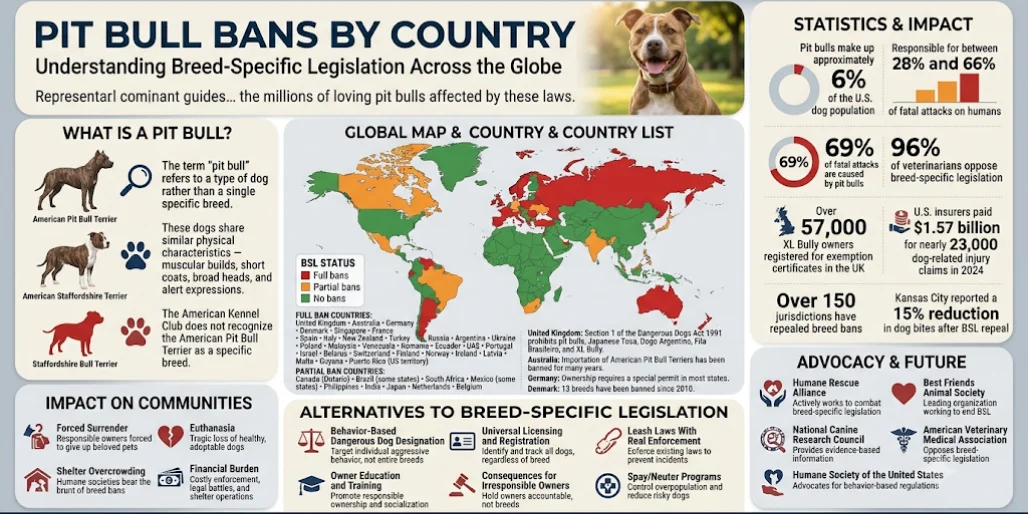
Let’s talk about pit bull bans. It’s a really hot topic, and if you’re a dog lover, especially of pit bull-type dogs, you’ve probably wondered why certain countries and even cities have decided to implement these restrictions. It can be confusing and often frustrating, but we’re going to break down exactly what a pit bull ban is and why it exists in the first place, giving you the answers you’re looking for right away.
Overview of Pit Bull Bans
What is a Pit Bull?
When people talk about a “pit bull,” they’re often referring to a type of dog rather than a single specific breed. Typically, the term encompasses breeds like the American Pit Bull Terrier, the American Staffordshire Terrier, and sometimes even the Staffordshire Bull Terrier. These dogs share similar physical characteristics, which can lead to them all being lumped together under the “pit bull” label. It’s important to remember that the American Kennel Club doesn’t even recognize the American Pit Bull Terrier as a specific breed.
Reasons for the Ban on Pit Bulls
The main reason for the ban on pit bulls in many areas stems from concerns over public safety, often linked to dog bite incidents. Supporters of a pit bull ban frequently point to statistics suggesting that pit bull-type dogs are disproportionately involved in serious dog bite cases. The idea is that restricting or banning these certain dog breeds will reduce the number of severe incidents involving dangerous dogs. Groups like the Humane Society and even local animal control offices have to deal with the aftermath of these incidents.
Understanding Breed-Specific Legislation
Breed-specific legislation, or BSL, is essentially a law that targets a specific breed of dog, like the pit bull, rather than focusing on individual dog behavior. This means that instead of punishing irresponsible dog owners whose dogs display aggression, the law simply bans or heavily restricts the ownership of particular breeds, regardless of their individual temperament. For instance, in Miami-Dade County, pit bulls are banned due to such legislation, often forcing responsible pit bull owners to either move or, unfortunately, in some cases, even euthanize their beloved pets.
Countries Where Pit Bulls Are Banned
North America: The U.S. and Canada
In the United States, there isn’t a nationwide pit bull ban, but numerous cities and counties have implemented breed-specific legislation. For example, Miami-Dade County famously has a long-standing ban on pit bulls. These local bans often target American Pit Bull Terriers, American Staffordshire Terriers, and sometimes Staffordshire Bull Terriers, classifying them under the umbrella term of “pit bull-type dog.” It means that responsible pit bull owners in these areas face severe restrictions, sometimes forcing them to move or, tragically, even euthanize their beloved pets.
Canada also sees a patchwork of breed-specific legislation. While some provinces have no bans, others, like Ontario, have a provincial-wide ban on pit bulls, which includes the American Pit Bull Terrier and the American Staffordshire Terrier. This legislation was enacted with the intention of enhancing public safety and reducing dog bite incidents, despite strong opposition from many animal welfare organizations and pit bull owners who advocate for focusing on responsible dog ownership rather than a breed ban. It’s a complex issue affecting many humane efforts.
Europe: Notable Bans Across the Continent
Across Europe, the approach to pit bull bans varies significantly. Countries like the United Kingdom have some of the strictest breed-specific legislation, effectively banning the ownership of certain dog breeds, including the American Pit Bull Terrier. Germany also has restrictions on specific breeds, often requiring special permits or muzzles for pit bull-type dogs, and in some regions, a full ban. These bans are largely driven by concerns over public safety and a history of serious dog bite incidents, with authorities aiming to prevent dangerous dogs from causing harm.
Other European nations, such as France, Spain, and Denmark, also have various forms of breed-specific legislation targeting certain dog breeds often categorized as dangerous. For instance, Denmark has a comprehensive ban that includes the American Pit Bull Terrier, while Spain requires owners of potentially dangerous breeds to obtain a special license. These laws often spark debates among the American Veterinary Medical Association and other animal rights groups, who argue against breed-specific legislation, pointing out that a dog’s behavior is more a result of training and environment than its breed.
Australia and New Zealand: Strict Regulations
Both Australia and New Zealand have some of the most stringent regulations and bans on certain dog breeds, including the pit bull. In Australia, the importation of specific breeds like the American Pit Bull Terrier has been banned for many years, and any existing “prescribed” dangerous dogs, including pit bull-type dogs, are subject to strict controls. This breed ban aims to eliminate what they consider dangerous dogs from the population over time.
New Zealand similarly maintains a strong stance on breed-specific legislation. While not an outright ban on current ownership in all areas, there are strict controls on breeds like the American Pit Bull Terrier, including mandatory desexing and specific containment requirements. The focus is heavily on preventing dog bite incidents and ensuring public safety, often at the expense of individual pit bull owners. Organizations like Pawandbreeds advocate for a more nuanced approach, emphasizing responsible pet ownership rather than blanket bans on a specific breed of dog.
Impact of Pit Bull Bans on Communities
Statistics on Pit Bull Incidents
Pit bull bans, driven by concerns over dog bite incidents and the perception of certain dog breeds as dangerous dogs, often rely heavily on statistics. Proponents of breed-specific legislation point to data that suggests an overrepresentation of pit bull-type dogs in severe bite cases. However, organizations like the American Veterinary Medical Association (AVMA) argue that these statistics can be misleading, as they often don’t account for accurate breed identification, the prevalence of pit bull-type dogs in the general population, or the individual dog owner’s responsibility. The Centers for Disease Control and Prevention also notes the difficulty in accurately identifying dog breeds involved in incidents.
The Role of Humane Organizations
Humane organizations play a crucial role in communities affected by pit bull bans. When a ban on pit bulls is enacted, these groups often bear the brunt of the consequences, dealing with an influx of pit bull-type dogs that responsible pit bull owners are forced to surrender or, in tragic cases, even euthanize. Many humane societies and animal control agencies actively oppose breed-specific legislation, advocating instead for dangerous dog laws that focus on individual dog behavior and responsible pet ownership, rather than targeting a specific breed of dog. They work tirelessly to find homes for these dogs and educate the public.
Alternatives to Breed-Specific Legislation
Instead of a blanket pit bull ban, many advocates propose alternatives to breed-specific legislation that focus on promoting public safety without discriminating against an entire dog breed. These alternatives include strengthening dangerous dog laws that target individual aggressive behavior, regardless of the dog’s breed, mandatory spay/neuter programs to control pet overpopulation, and stricter enforcement of leash laws. Emphasizing responsible dog ownership, including training and socialization, is also seen as a more effective approach than banning certain dog breeds, as it addresses the root causes of dog bite incidents rather than just a specific breed.
Advocacy and the Future of Pit Bull Legislation
Efforts by the Humane Rescue Alliance
The Humane Rescue Alliance is a prominent example of an organization actively working to combat breed-specific legislation and promote the humane treatment of all dogs, including pit bull-type dogs. They dedicate significant resources to advocating against bans on pit bulls, arguing that such legislation is ineffective, costly, and unfairly targets responsible pit bull owners. Their efforts often involve lobbying lawmakers, conducting public education campaigns, and providing support services for owners of pit bull-type dogs in areas where breed-specific legislation is present. They believe in evaluating each dog individually rather than imposing a breed ban.
Community Education and Responsible Ownership
Community education is paramount in changing perceptions and moving away from breed-specific legislation. By educating the public about responsible dog ownership, proper training, and the importance of socialization for all breeds, including the American Pit Bull Terrier and American Staffordshire Terrier, communities can foster a safer environment for both people and pets. This approach emphasizes that a dog’s behavior is primarily influenced by its upbringing and environment, not solely its breed. Promoting responsible ownership helps to dispel myths about dangerous dogs and encourages a more nuanced understanding of pit bulls.
Potential Changes in Legislation
The landscape of pit bull legislation is constantly evolving, with a growing movement towards repealing breed-specific legislation in many areas. As more research, often supported by the American Veterinary Medical Association, highlights the ineffectiveness and unfairness of breed bans, there’s increasing pressure on lawmakers to adopt more equitable and effective policies. Many states are considering or have already passed laws that prohibit municipalities from enacting breed-specific legislation, signaling a shift towards focusing on individual dog behavior and responsible dog owner actions rather than a specific breed of dog.
FAQ’s
Q: Which countries have breed-specific laws that ban or restrict this breed?
A: Several countries have breed-specific legislation targeting pitbull-type dogs — for example, the United Kingdom, parts of Australia, some countries in Europe like Germany and Denmark, and nations with national level bans such as Norway at various times. Rules vary: some places ban pitbulls outright, others impose restrictions or require registration and muzzles.
Q: Why do governments create laws against this breed, like ban pit bulls or other banned breed lists?
A: Authorities often point to public safety concerns after fatal dog attacks or high-profile pit bull attacks, or because pitbulls were historically bred for fighting and labeled a fighting dog. Media, pressure from organizations and local incidents can push lawmakers toward breed-specific ordinance rather than broader dangerous dog laws.
Q: Do breed-specific ordinances actually reduce dog fighting or attacks on humans for this breed?
A: The evidence is mixed. Many animal welfare groups like the American Society for the Prevention of Cruelty to Animals and the Humane Society of the United States argue breed-specific laws don’t reliably reduce dog fighting or attacks on humans because enforcement focuses on appearance rather than behavior. They recommend behavior-based regulations instead.
Q: How do countries or cities enforce bans on pitbulls and similar breeds?
A: Enforcement ranges from mandatory registration, muzzling in public, spayed or neutered requirements, to confiscation and euthanasia of dogs identified as pit bull dogs. Some places require owners to carry liability insurance or face fines for noncompliance with the ban pit bulls laws.
Q: Are other breeds like rottweiler or american bully also targeted by breed-specific laws?
A: Yes — many breed-specific lists include multiple breeds. Some jurisdictions include rottweiler, american bully, and dogs described as “includes American pit bull” or “pit bull or pit” type. Local ordinances vary widely, and some include generic terms like “fighting dog” to cover lookalike dogs.
Q: How can owners prove their dog isn’t a banned breed under these laws?
A: It’s often hard. Identification usually relies on visual assessment, which is subjective. Some owners seek DNA tests, pedigrees from registries like the United Kennel Club, or veterinary statements, but many authorities don’t accept DNA as definitive. Legal appeals or getting involved with local animal advocacy groups can help challenge a breed designation.
Q: What should someone do if their dog is classified as a banned breed in their area?
A: First, learn the exact law and your rights — some places allow registration or restrictions instead of removal. Contact a lawyer familiar with animal law, reach out to rescue organizations, and gather documentation like adoption papers or breed certifications. Spaying or neutering and following all safety requirements can sometimes help avoid penalties.
Q: Are there national level bans that affect pitbulls, or is it mostly local breed-specific ordinance rules?
A: Both exist. Some countries implement national level bans or restrictions, while many areas rely on local breed-specific ordinances. The patchwork means rules can change dramatically across borders and even between neighboring cities.
Q: What alternatives to banning this breed do experts recommend to prevent dog fighting and improve public safety?
A: Many experts, including groups like the American Bar Association and humane societies, recommend focusing on owner behavior, stronger enforcement against dog fighting, better education, mandatory licensing, leash laws, and behavior-based assessments instead of blanket bans on pitbulls or other breeds.