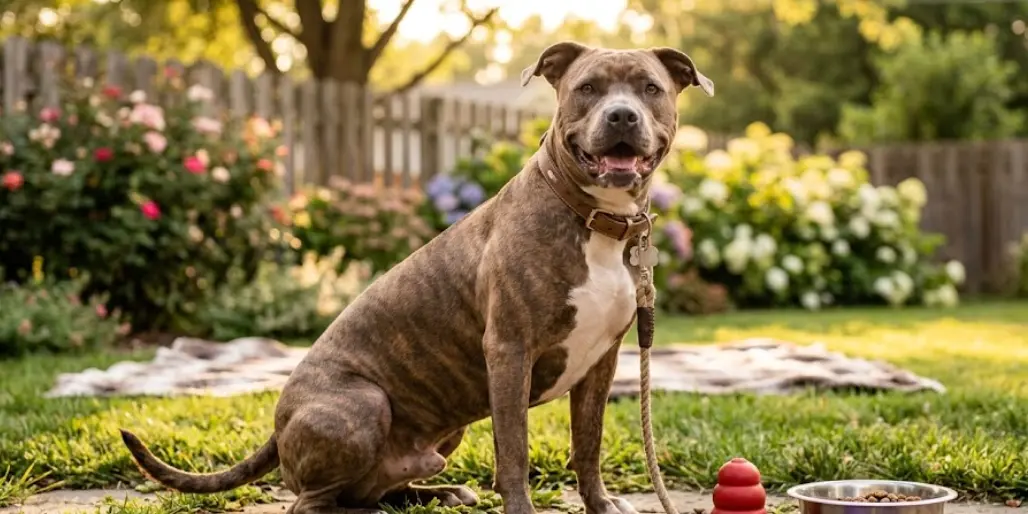
Pitbulls are a group of dog breeds often misunderstood, but with the right knowledge, you’ll discover their true nature. This guide will help you navigate the world of these amazing dogs, from understanding their different types to providing the best care for your furry friend.
Understanding Pitbull Breeds
What is a Pitbull?
When people talk about a “pitbull,” they’re often referring to a type of dog rather than a single breed. It’s a common misconception that there’s just one pitbull breed; in reality, it’s a general term used for several dog breeds with similar physical characteristics, often descended from bulldogs and terriers. This grouping typically includes the American Pit Bull Terrier, Staffordshire Bull Terrier, American Staffordshire Terrier, and sometimes the American Bully. These dogs share a common ancestry rooted in their history as working dogs.
Different Types of Pitbull Breeds
Delving deeper, there are distinct types of pitbulls, each with unique traits and origins. The American Pit Bull Terrier (APBT) is perhaps the most well-known, recognized for its athletic build and strong temperament. Other bully breeds include the Staffordshire Bull Terrier, a smaller and often very affectionate family dog, and the American Staffordshire Terrier, which shares a lot of history with the APBT but is recognized by different kennel clubs. Understanding these distinctions is crucial for anyone looking to bring one of these impressive dog breeds into their home.
Characteristics of the American Pit Bull Terrier
The American Pit Bull Terrier is a truly remarkable dog breed, known for its incredible athleticism and robust nature. These dogs often exhibit boundless energy levels and a deep desire to please their owners, making them highly trainable companions. Despite their historical association with dog fighting, a well-socialized APBT can be an incredibly affectionate and loyal family dog, often displaying a playful nature and a surprising gentleness, especially towards children, debunking the bad reputation they often unfairly receive.
Pitbull Puppy Care
Choosing the Right Pitbull Puppy
Selecting the right pitbull puppy is a crucial first step in bringing a new furry family member into your home. It’s essential to find a reputable breeder who prioritizes the health and temperament of their pitbulls, ensuring you get a well-adjusted pup. Look for clean living conditions and ask to see the parents to assess their disposition and any potential health concerns. A good breeder will be transparent about the pup’s bloodline and health history, helping you pick a healthy and happy pit bull.
Essentials for Pitbull Puppy Care
Bringing a pitbull puppy home requires preparation to ensure a smooth transition for your new pup. Essential supplies include a comfortable crate, durable chew toys suitable for powerful jaws, a leash and collar, and bowls for food and water. Regular vet check-ups are paramount for a pitbull puppy, including vaccinations and parasite control, to keep your American Pit Bull Terrier healthy. Providing a safe and stimulating environment will help your pitbull puppy thrive.
Feeding Your Pitbull Puppy: Best Dog Food Options
Proper nutrition is vital for the growth and development of your pitbull puppy. Choosing high-quality dog food specifically formulated for large breed puppies is crucial to support their rapid growth and high energy levels. Look for dog food with real meat as the first ingredient and avoid fillers or artificial additives. A veterinarian can help you determine the best dog food for your American Pitbull Terrier, considering factors like age, weight, and activity level to prevent issues like hip dysplasia or weight gain.
Socialization and Training
Importance of Early Socialization
Early socialization is incredibly important for pitbull puppies to develop into well-behaved and confident adult dogs, helping to combat the bad reputation some bully breeds unfortunately face. Exposing your pit bull pup to a variety of people, places, sounds, and other friendly dogs from a young age helps them learn appropriate social behaviors. This process builds their confidence and reduces the likelihood of developing fear-based aggression or anxiety, making them more adaptable and affectionate family members.
Training Techniques for Pitbulls
Training a pitbull, whether an American Pit Bull Terrier or another pit bull breed, requires consistency, positive reinforcement, and patience. These intelligent dogs respond best to reward-based methods, using treats, praise, and play to encourage desired behaviors. Early obedience training, including commands like sit, stay, and come, lays the foundation for a well-mannered pup. Consistent training sessions, even short ones, will help manage their high energy levels and build a strong bond between you and your pitbull.
Common Behavioral Issues and Solutions
Like all dog breeds, pitbulls can develop common behavioral issues if not properly managed, but most can be addressed with consistent training and understanding. Issues like excessive chewing, jumping, or leash pulling can often be remedied with appropriate outlets for their energy and clear boundaries. For instance, providing plenty of durable toys can deter destructive chewing. If more serious issues arise, consulting a professional dog trainer or a veterinarian for advice on breed-specific traits can provide effective solutions, ensuring your pitbull remains a cherished and well-adjusted companion.
Health Concerns in Pitbulls
Common Health Issues in Pitbull Breeds
Just like any other dog breed, pitbulls, including the American Pit Bull Terrier, are prone to certain health issues that owners should be aware of. Common concerns include hip dysplasia and elbow dysplasia, which are joint problems that can cause discomfort and mobility issues. They can also be susceptible to certain skin allergies, often manifesting as itchy or inflamed skin. Being aware of these breed-specific health problems is essential for any pitbull owner to ensure a long and healthy life for their beloved companion.
Preventive Care and Regular Check-ups
Preventive care is paramount for maintaining the health of your pitbull. Regular veterinary check-ups are crucial for early detection of potential health problems, such as hip dysplasia or skin mites. Your veterinarian can also advise on appropriate vaccination schedules and parasite control for your pitbull puppy. Staying proactive with routine care and maintaining a close relationship with your vet ensures that your American Pit Bull Terrier receives the best possible care, helping to mitigate common issues before they become serious.
Diet and Nutrition for a Healthy Pitbull
A balanced diet and proper nutrition are fundamental to a healthy pitbull, especially considering their high energy levels. Choosing high-quality dog food, rich in essential nutrients, is vital for supporting their strong build and overall well-being. Opt for dry food formulas that list real meat as the primary ingredient and avoid excessive fillers that can lead to weight gain. Consulting with your vet can help determine the best diet plan, ensuring your pitbull receives all the necessary nutrients to thrive and maintain a healthy weight.
Conclusion
Final Thoughts on Pitbull Ownership
Owning a pitbull, whether an American Pit Bull Terrier or another bully breed, is a deeply rewarding experience, challenging many of the unfair stereotypes associated with them. With proper socialization, consistent training, and loving care, these intelligent and affectionate dogs prove to be loyal and gentle family members. Understanding their specific needs, from high-quality dog food to regular vet check-ups, ensures a happy and healthy life for your pitbull, making them wonderful companions despite their undeserved bad reputation.
Exploring More Breeds: Dog A-Z Breeds Guide
If you’ve enjoyed learning about the various pitbull types and their unique characteristics, you might be interested in exploring other fascinating dog breeds. For an extensive resource on a multitude of canines, from popular breeds to rare ones, check out our Dog A-Z Breeds Guide. It’s a fantastic way to deepen your knowledge of the dog world, helping you understand different temperaments, care requirements, and histories of countless purebred dogs.
About Pawandbreeds
At Pawandbreeds, we are passionate about providing comprehensive and reliable information to help dog owners offer the best possible care for their furry friends. Our aim is to educate and empower, fostering a deeper understanding and appreciation for all dog breeds.
FAQ
Q: What exactly is a Pitbull? Are they all the same?
A: When people say “Pitbull,” they’re usually talking about a few different breeds that share similar traits. The most common one is the American Pit Bull Terrier, but it can also refer to American Staffordshire Terriers, Staffordshire Bull Terriers, and sometimes even American Bullies. So no, they’re not all exactly the same, but they share a common ancestry and a strong, muscular build.
Q: Are American Pit Bull Terrier puppies hard to train?
A: Not at all! American Pit Bull Terrier puppies are actually super smart and eager to please. They respond really well to positive reinforcement training. Early socialization is key during puppyhood to make sure they grow up to be well-adjusted and friendly pitbull dog citizens. Consistency and patience go a long way!
Q: I’ve heard Pitbulls can be aggressive. Is that true?
A: Pitbulls, like any dog, can have varying temperaments. Their reputation as aggressive fighting dogs is largely due to irresponsible ownership and historical misuse. A well-socialized and properly trained pitbull dog, especially one from reputable pitbull breeders, is typically affectionate, loyal, and good with families. It’s all about how they’re raised, not the breed itself.
Q: What kind of care do Pitbulls need? Do they require a lot of regular exercise?
A: Pitbulls are energetic dogs and definitely need regular exercise to stay happy and healthy. Think daily walks, runs, and playtime. They thrive on activity! They also need a good quality diet, regular vet check-ups, and lots of love and attention. Grooming is fairly low maintenance, but they do shed a bit.
Q: My Pitbull puppy has some weird patches on its skin. Could it be mange or some other skin issue?
A: Oh no, skin issues can be a bummer! Pitbulls can sometimes be prone to certain skin conditions like mange, allergies, or other irritations that can cause hair loss. If you’re seeing strange patches, it’s best to get your pup to the vet. They can properly diagnose it and suggest the right treatment, whether it’s for mange or something else entirely. Sometimes it can even be related to food allergies.
Q: What should I feed my Pitbull to ensure they get enough muscle mass?
A: To build good muscle mass, your pitbull dog needs a high-quality diet with a good protein content. Look for pet food where animal protein is the first ingredient. Many pitbull owners choose a high protein diet. Talk to your vet about the best type and amount of food for your specific pitbull, as their needs can vary based on activity level and age. A lean, muscular build is a sign of good health!
Q: Are there any common health problems I should watch out for in Pitbulls?
A: While generally healthy, Pitbulls can be predisposed to certain conditions. Some common concerns include hip and elbow dysplasia (orthopedic issues), certain heart defects like congenital heart disease, and skin allergies. Reputable pitbull breeders screen their breeding dogs for these issues. Regular vet check-ups are important to catch any potential problems early, especially if you notice symptoms like being lethargic or having a runny nose excessively.
Q: I’m looking for a specific color like a fawn or brindle Pitbull. Is that difficult to find from pitbull breeders?
A: Not necessarily! Fawn and brindle are very common and popular color patterns in American Pit Bull Terriers. Many pitbull breeders will have puppies with these beautiful coats. You might also see other colors like red, black, and blue. Just make sure you’re choosing a responsible breeder who prioritizes health and temperament over just color.
Q: Do Pitbulls make good guard dogs? How do they compare to breeds like a Rottweiler?
A: Pitbulls are naturally protective of their families, making them good deterrents. Their strong build and loyal nature mean they can be excellent guard dogs. However, they aren’t typically as outwardly aggressive as some traditional guard breeds like a Rottweiler. A well-trained pitbull dog will alert you to strangers and protect its loved ones, but they usually aren’t prone to unprovoked fearfulness or aggression towards unknown people if properly socialized. They’re more about protection through presence and loyalty.