Pomeranians are a popular toy dog breed known for their fluffy double coat, fox-like faces, and lively personalities. This comprehensive Pomeranian breed guide will delve into their history, appearance, common traits, health, and care to help you understand if this small dog with a big personality is the right breed for you.
Overview of the Pomeranian Breed
The Pomeranian is a delightful and spunky companion, making them a fantastic choice for many dog lovers. Despite their small size, these pups possess an abundance of energy and charm, capturing hearts with their vivacious temperament. Understanding the breed’s background and characteristics is the first step in providing the best care for your Pomeranian dog, ensuring a happy and healthy life for your furry friend.
History of Pomeranians
The Pomeranian dog breed boasts a fascinating history, tracing its lineage back to the large sled dogs of the Arctic. These ancestors were significantly larger, but through selective breeding, primarily in the historical region of Pomerania (hence their name), their size was gradually reduced. It was Queen Victoria’s affection for the breed in the late 19th century that truly propelled the Pomeranian into widespread popularity, transforming them from working dogs into the cherished toy dog we know today.
Pomeranian Appearance
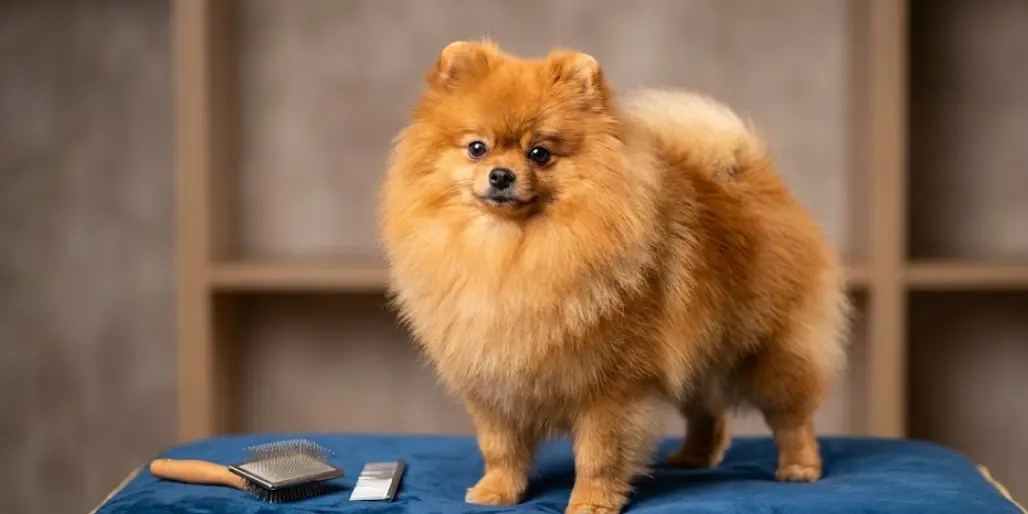
The appearance of a Pomeranian is undoubtedly one of its most defining features, characterized by a luxurious double coat that gives them their iconic fluffy look. These small dogs typically weigh between three to seven pounds, making them a true toy breed. Their vibrant coats come in a vast array of colors, and their alert, intelligent eyes, coupled with their perked-up ears and fox-like facial features, contribute to their undeniable charm and distinct personality.
Common Pomeranian Traits
Pomeranians are renowned for their big personalities despite their small size, often displaying a bold and confident temperament. They are incredibly intelligent and can be quite eager to please, although sometimes their independent streak shines through. Common Pomeranian traits include a tendency to be quite vocal, with excessive barking being a potential issue if not addressed with early training. This intelligent dog breed thrives on mental stimulation and enjoys being the center of attention within their family unit.
Pomeranian Temperament
Understanding Pomeranian Behavior
Pomeranians, despite their small size, possess big personalities and a spirited temperament that makes them a joy to be around. These little dogs are known for being alert, curious, and incredibly intelligent, often displaying a confident and sometimes feisty demeanor. They thrive on human companionship and can form strong bonds with their families, making them wonderful lap dogs, but don’t let their cuddly nature fool you; they also have an independent streak. Understanding the unique Pomeranian temperament is key to providing them with the best care and fostering a happy, well-adjusted pup.
Socialization and Training Tips
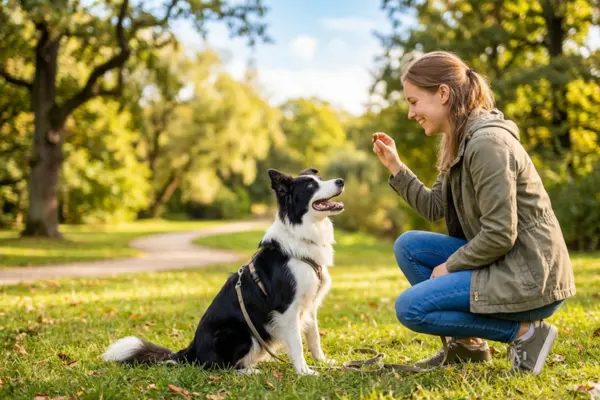
Early socialization and consistent dog training are crucial for a well-behaved Pomeranian. Exposing your Pomeranian puppy to various sights, sounds, people, and other friendly dogs from a young age helps them develop into a confident and sociable adult. Due to their intelligence, Pomeranians respond well to positive reinforcement training methods. Addressing potential issues like excessive barking early on is important, as Poms can be quite vocal. Mental stimulation, through puzzle toys and training games, is also vital to keep their sharp minds engaged and prevent boredom, which can sometimes lead to unwanted behaviors.
Common Temperament Traits
Common Pomeranian temperament traits include alertness, curiosity, and a surprisingly bold attitude for a small dog. They often see themselves as a much larger dog than they actually are, which can sometimes lead to them challenging bigger breeds – a trait that requires careful management from owners. Poms are loyal and protective of their families, which can manifest as barking at strangers or unfamiliar sounds. While generally good-natured, their independent streak means they benefit immensely from clear boundaries and consistent, patient dog training to channel their big personalities in a positive direction.
Pomeranian Health
Common Pomeranian Health Issues
Pomeranians, while generally robust, are prone to certain health conditions that prospective owners should be aware of. Common Pomeranian health issues include luxating patella, a condition where the kneecap slips out of place, and tracheal collapse, which affects their windpipe and can lead to coughing or difficulty breathing. They can also be susceptible to dental problems due to their small jaws, as well as eye issues like cataracts. Regular vet check-ups are essential to catch these potential problems early, ensuring your Pomeranian dog can live a long and healthy life.
Feeding a Pomeranian
Feeding a Pomeranian correctly is vital for their overall health and well-being. Due to their small size, Pomeranians require a high-quality dog food formulated for small breeds, typically given in two small meals a day. It’s crucial not to overfeed your pup, as obesity can exacerbate conditions like luxating patella. Monitor their weight and consult your vet for specific dietary recommendations. Providing appropriate dog food, along with plenty of fresh water, helps maintain their energy levels and supports their thick coat and general Pomeranian health.
Preventative Health Care
Preventative health care is paramount for the Pomeranian breed. Regular veterinary check-ups, vaccinations, and parasite control are foundational. Early detection and treatment of common Pomeranian health issues can make a significant difference. Daily dental care, such as brushing your Pomeranian’s teeth, is also crucial to prevent dental disease, a common ailment in small dog breeds. Owners should be vigilant for any changes in behavior or appetite, and addressing these promptly can prevent minor issues from becoming major health conditions for your beloved Pomeranian dog.
Grooming Your Pomeranian
Grooming Essentials
Grooming a Pomeranian is a commitment, but with the right grooming essentials, it becomes a rewarding part of caring for your dog. A good quality slicker brush, a metal comb, and specialized dog shampoo and conditioner are must-haves. Nail clippers or a grinder are also important for maintaining paw health. Due to their double coat, a de-shedding tool can be incredibly useful, especially during shedding seasons. Having these tools on hand will help you keep your Pomeranian looking their best and prevent common grooming challenges.
Bathing and Coat Care
Bathing and coat care for your Pomeranian are essential to maintain their magnificent double coat. Aim to bathe your pup every two to four weeks, using a shampoo and conditioner designed for dogs to keep their skin healthy and coat lustrous. After bathing, thoroughly dry their thick coat to prevent matting and skin irritation. Regular brushing, at least a few times a week, is crucial to remove loose hair, prevent tangles, and distribute natural oils, keeping their Pomeranian coat in pristine condition and reducing excessive shedding.
Dealing with Shedding
Dealing with shedding is an inevitable part of owning a Pomeranian, especially given their luxurious double coat. While they are not the heaviest shedders compared to some breeds, Pomeranians do shed year-round, with heavier shedding periods typically occurring seasonally. To manage this, regular brushing with a slicker brush and a de-shedding tool is key. This helps remove loose hair before it ends up on your furniture and floors. Consistent grooming not only keeps your home cleaner but also promotes a healthy coat for your Pomeranian dog.
Pomeranian FAQs
Do Pomeranians Bark a Lot?
Pomeranians are known for their lively personalities and, unfortunately for some, their tendency to bark a lot. This small dog breed often uses its voice to alert owners to anything new or perceived as a threat, from a knock at the door to a squirrel in the yard. While their vigilance can be a good thing, excessive barking can become a nuisance. Early training and consistent mental stimulation are crucial to manage this trait, helping your Pomeranian dog learn when it’s appropriate to vocalize and when to settle down.
How to Train a Pomeranian Puppy
Training a Pomeranian puppy requires patience, consistency, and positive reinforcement, as these intelligent pups thrive on engagement. Start with basic obedience commands like “sit,” “stay,” and “come” from a young age. Early training also involves proper socialization, exposing your Pomeranian to various sights, sounds, and people to prevent shyness or aggression. Due to their small size and sometimes independent nature, using treats and praise works wonders. Address issues like excessive barking or potential separation anxiety early on to ensure your Pomeranian grows into a well-behaved and happy companion.
Are Pomeranians Good Family Dogs?
Pomeranians can be wonderful family dogs, especially for families with older, respectful children who understand how to interact gently with a small dog. Their big personalities and affectionate nature mean they love being part of the family activities and thrive on companionship. However, due to their delicate build, they might not be the best fit for homes with very young children who could accidentally injure them. With proper socialization and early training, a Pomeranian dog can form strong bonds and bring immense joy to their human family members.
Conclusion
Final Thoughts on Pomeranian Care
Caring for a Pomeranian is a rewarding experience that comes with its unique set of responsibilities. From managing their luxurious double coat with regular grooming to addressing potential health conditions like luxating patella or tracheal collapse, providing the best care ensures a long and happy life for your furry friend. Understanding their spirited temperament, offering consistent dog training, and providing plenty of mental stimulation are key to a well-adjusted pup. These small dogs with big personalities truly become cherished members of any family, bringing joy and a lively presence to your home.
Explore More in the Dog A-Z Breeds Guide
If you’ve enjoyed learning about the Pomeranian breed, there’s a whole world of canine companions to discover! For those interested in exploring various dog breeds, their unique traits, and specific care requirements, be sure to check out our comprehensive Dog A-Z Breeds Guide. Whether you’re considering another small dog or curious about larger breeds, this resource offers in-depth information to help you find the perfect canine companion to suit your lifestyle and preferences.
About Pawandbreeds
Pawandbreeds is dedicated to providing comprehensive and reliable information for pet owners and enthusiasts. We strive to be your go-to resource for everything related to dog breeds, health, training, and care, ensuring you have the knowledge to provide the best life for your beloved pets.