Thinking of welcoming a Shetland Sheepdog into your home? These intelligent and affectionate dogs, often called Shelties, make wonderful companions, but understanding their unique characteristics and needs is crucial. This breed guide will delve into everything you need to know about this captivating dog breed.
Shetland Sheepdog Overview
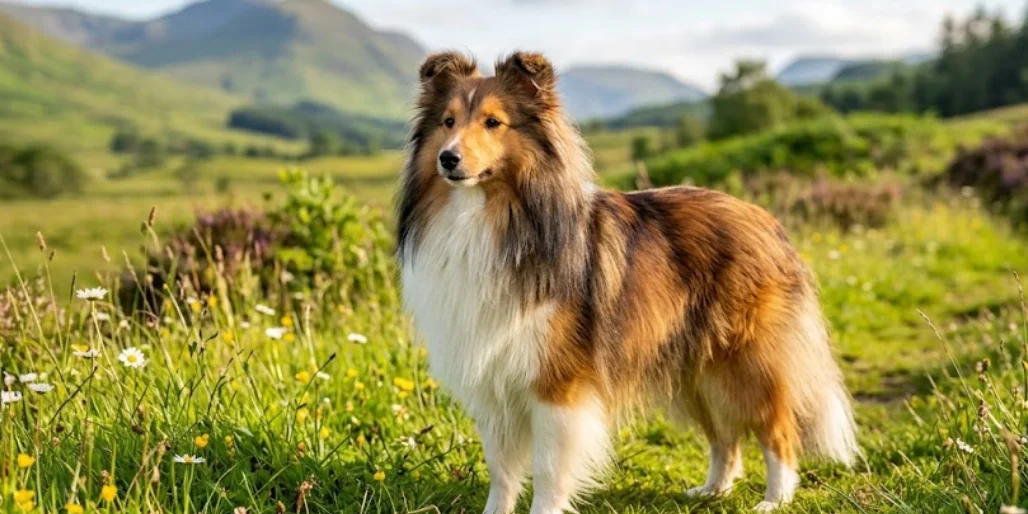
The Shetland Sheepdog, or Sheltie, is a small to medium-sized herding dog breed renowned for its intelligence and striking resemblance to a miniature Rough Collie. Originating from the Shetland Islands, this breed possesses a strong working dog heritage, making them highly trainable and eager to please. Their beautiful double coat requires regular grooming, but their affectionate temperament makes them a beloved family pet.
History of the Shetland Sheepdog
The Shetland Sheepdog’s history is deeply rooted in the harsh environment of the Shetland Islands of Scotland. Developed to herd sheep and ponies, this breed is not just a miniature Collie but a distinct dog breed. Early Shelties were likely bred from various working dogs, eventually refined to the intelligent and agile breed we know today, maintaining their keen herding instinct.
Key Characteristics of the Sheltie
The Sheltie is characterized by its long, flowing double coat, keen expression, and intelligent eyes. They come in a variety of colors, including sable, merle, and tri-color, with the blue merle being particularly striking. Their moderate size makes them adaptable to various living situations, and their strong desire for mental stimulation makes them highly trainable for obedience and agility.
Understanding the Herding Instinct
A defining trait of the Shetland Sheepdog is its inherent herding instinct. This working dog heritage means Shelties often display behaviors like chasing and nipping at heels, particularly with children or other pets. Providing appropriate outlets for this instinct, such as dog sports or specific training, is essential for a happy and well-adjusted Sheltie dog.
Temperament and Behavior
Shelties are generally known for their sweet and gentle temperament, making them excellent family companions. However, their intelligence and sensitivity mean they thrive on routine and positive reinforcement. Understanding their behavior patterns is key to nurturing a happy and well-behaved Shetland Sheepdog puppy and adult dog.
Personality Traits of the Shetland Sheepdog
The Shetland Sheepdog boasts a personality that is both intelligent and sensitive. They are highly trainable and eager to please, making them excel in dog sports like obedience and agility. However, they can also be prone to shyness if not properly socialized from a young age. Their loyal and affectionate nature makes them devoted family members.
Socialization and Family Dynamics
Early socialization is paramount for a Sheltie puppy to develop into a confident and well-adjusted adult. Exposing them to various people, places, children, and other pets helps to prevent potential shyness. Shelties generally do well with children, especially if raised with them, and often integrate seamlessly into family dynamics with their gentle demeanor.
Training Tips for Shelties
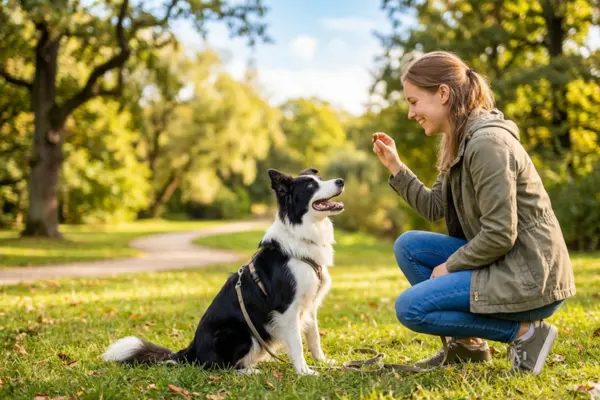
Training a Shetland Sheepdog is a rewarding experience due to their high intelligence and eagerness to learn. Positive reinforcement methods work best, and consistency is key. Shelties thrive on mental stimulation, so incorporating activities like puzzle toys and varied training sessions will keep them engaged and prevent boredom, which can lead to unwanted behaviors.
Grooming and Care
Shetland Sheepdog Grooming Guide
The Shetland Sheepdog’s luxurious double coat is one of its most striking features, but it does require regular grooming to keep it in top condition. This involves frequent brushing, at least two to three times a week, to prevent matting and reduce shedding. Special attention should be given to the long mane around the neck, the feathery hair on the legs, and the tail.
Health and Care Considerations
Shelties are generally a healthy breed, but like all dog breeds, they have specific care requirements to ensure a long and happy life. This includes a balanced diet, regular exercise, and routine veterinary check-ups. Providing plenty of mental stimulation through training and dog sports like agility and obedience can also contribute significantly to their overall well-being.
Common Health Issues in Shelties
While typically robust, Shetland Sheepdogs can be prone to certain genetic health issues. These include Collie Eye Anomaly (CEA), hip dysplasia, and von Willebrand’s disease, which affects blood clotting. Responsible breeders often screen their breeding stock for these conditions to help ensure a healthy breed. Regular vet visits and understanding these potential issues are crucial.
Similar Breeds
Comparison with Other Herding Breeds
The Shetland Sheepdog shares its herding instinct and some physical traits with other herding breeds, especially its larger cousin, the Rough Collie. While both are intelligent and trainable, Shelties are notably smaller and often possess a more reserved temperament around strangers. Their exercise needs are also generally more moderate compared to some other high-energy herding dogs.
Understanding the Blue Merle Variation
The blue merle variation in Shelties is particularly striking, characterized by patches of gray or blue on a lighter background, often with tan points. It’s a beautiful coat pattern that makes these Shetland Sheepdogs stand out. However, it’s crucial for breeders to understand the genetics of the blue merle coat, as breeding two merle dogs can lead to serious health issues in the puppies, such as deafness and blindness.
Differences Between Shelties and Other Breeds
While often mistaken for a miniature Rough Collie, the Shetland Sheepdog is its own distinct breed, developed on the Shetland Islands of Scotland. Key differences include their smaller size, often more active and vocal nature, and a unique set of breed characteristics and temperament traits. They excel in dog sports like obedience and agility due to their high intelligence and eagerness to learn, making them a popular herding breed for active families.
Adopting a Sheltie
Choosing a Shetland Sheepdog Puppy
When choosing a Shetland Sheepdog puppy, it’s essential to find a reputable breeder who prioritizes the health and temperament of their dogs. A good breeder will be transparent about the Sheltie puppy’s lineage and health screenings, including checks for Collie Eye Anomaly (CEA) and hip dysplasia. Observing the Sheltie puppies with their mother and littermates can give you insight into their early socialization and personality traits, ensuring you bring home a well-adjusted Sheltie dog.
Preparing Your Home for a New Sheltie
Before your new Shetland Sheepdog puppy arrives, preparing your home is crucial. Create a safe space with a comfortable bed, food and water bowls, and engaging toys to provide mental stimulation. Shelties, being a herding breed, benefit from a secure, fenced yard to satisfy their herding instinct safely. Puppy-proofing your home by removing potential hazards will ensure your Sheltie puppy can explore without risk.
Resources for Future Sheltie Owners
For future Shetland Sheepdog owners, numerous resources can help you understand this remarkable dog breed. The Kennel Club offers comprehensive information on the breed standard and responsible ownership. Online Sheltie communities provide valuable insights from experienced owners, and local breed-specific rescues can be a great source for adopting a Sheltie. These resources can guide you through everything from regular grooming to advanced obedience and agility training.
Conclusion
Final Thoughts on the Shetland Sheepdog
The Shetland Sheepdog is an intelligent, sensitive, and affectionate dog breed that makes a wonderful companion for the right family. Their herding instinct, beautiful double coat, and eagerness to please require an owner dedicated to regular grooming, mental stimulation, and consistent training. A well-socialized Sheltie will thrive, bringing joy and loyalty to your home, proving to be a truly healthy breed when given proper care.
Link to Dog A-Z Breeds Guide
To learn more about various breeds and find the perfect canine companion, explore our comprehensive dog breeds guide.
Explore More with Pawandbreeds
For additional insights into dog care, training tips, and breed information, continue exploring Pawandbreeds, your ultimate resource for everything canine.
FAQ
Q: What exactly is a Shetland Sheepdog breed, and where did it come from?
A: So the Shetland Sheepdog breed, often just called a sheltie, is basically a small herding breed that came from the Shetland Isles up in Scotland. People sometimes call it a “shetland collie” too because it looks like a mini version of the rough collie, but it’s actually its own thing. Originally these dogs were bred to herd sheep and ponies on those rocky, windy islands, so they’re tough little dogs despite their fluffy looks.
Q: What are the main breed characteristics of a Sheltie?
A: When it comes to breed characteristics, shelties are smart, loyal, and super vocal (fair warning, they bark A LOT). They’re a small dog, usually somewhere between 13-16 inches tall, with that gorgeous heavy coat that comes in sable, black, and blue merle colors. They’re quick learners and honestly kind of showoffs when it comes to learning tricks or commands.
Q: Is a Sheltie a good family dog?
A: Absolutely, this breed makes an amazing family dog. They’re gentle and patient with young children and other pets, though they can be a bit reserved around strangers at first. One thing to know is that a sheltie bonds with their human family super strongly, so they’re not really the type of dog to be left alone all day. They thrive on being included in everything.
Q: What should I know before getting a sheltie puppy?
A: If you’re bringing home a sheltie puppy, get ready for a fluffy little tornado of energy and curiosity. Early socialization is huge with these guys since they can be naturally a bit shy or wary. Also start training early because they’re eager to please and pick things up fast. Check the puppy’s background too — reputable breeders often work with or are recognized by the american shetland sheepdog association, which helps ensure better breeding practices.
Q: Are Shelties generally a healthy breed?
A: For the most part, yes, this is generally a healthy breed, but like any breed there are some things to watch out for regarding breed health. Common issues include eye problems, hip dysplasia, and something called sheltie skin syndrome (a skin condition some shelties develop). It’s also not unheard of for their thyroid gland is underactive in some dogs, which vets can manage with medication. Getting proper health test screenings done on breeding dogs really helps reduce these risks.
Q: Should I get pet insurance for a sheltie?
A: Honestly, yeah, pet insurance is a smart move for pretty much any dog owner, shelties included. Even though they’re a generally healthy breed, vet bills can pile up fast if something unexpected happens, whether it’s an accident or a health test revealing an issue. Insurance just takes some of the financial stress out of dog health emergencies.
Q: How much exercise does a Sheltie actually need?
A: These dogs need daily exercise, no way around it. As a small herding breed, they’ve got a lot of energy packed into that little body. A good walk plus some playtime works well, but they also really benefit from physical and mental stimulation like puzzle toys or training games. Skip this and you might end up dealing with destructive behavior like excessive chewing or digging out of pure boredom.
Q: Are Shelties good at dog sports like agility?
A: Oh, definitely. Shelties genuinely excel in obedience and agility, and you’ll see them dominating obedience and agility competitions all over the place. Their intelligence and eagerness to work with their humans makes them naturals at this stuff. If you’ve got a sheltie with pent up energy, signing up for a class could be a total game changer for both of you.
Q: Do Shelties shed a lot because of that heavy coat?
A: Yep, that heavy coat means regular brushing is a must, like a few times a week at least to prevent mats and tangles. During shedding season it gets even more intense, so be ready to vacuum a lot. It’s not a low-maintenance coat, but a lot of owners say the grooming time is actually a nice bonding activity with their dog.
Q: Are Shelties easy to train?
A: For the most part, yes, they’re pretty easy to train since they’re eager learners and really want to make their owners happy. Positive reinforcement works best with this breed. Just be consistent early on, especially with a sheltie puppy, so good habits stick and you avoid future destructive behavior or excessive barking issues down the line.