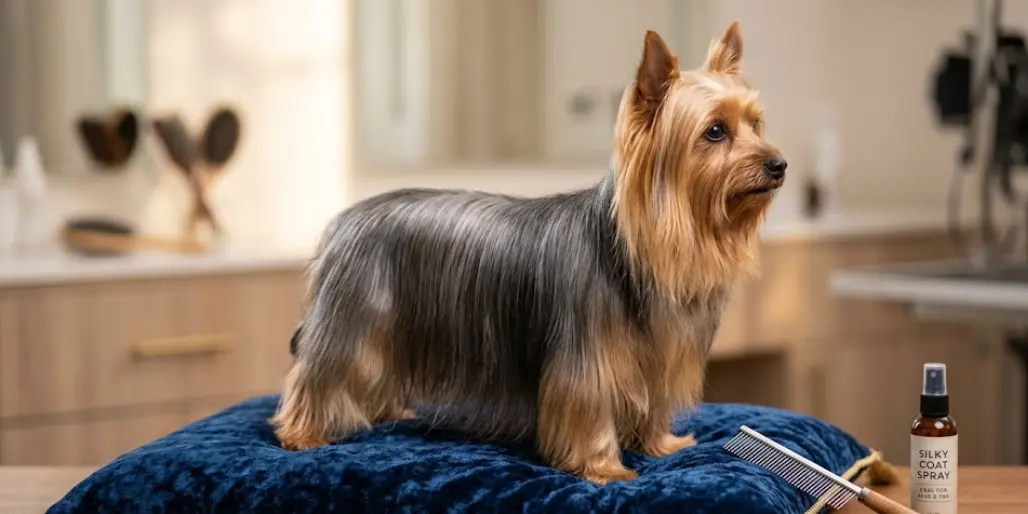
This guide offers an in-depth look into the charming Silky Terrier, a delightful companion known for its beautiful coat and vibrant personality. We’ll explore everything from its fascinating history and distinct characteristics to essential care tips, ensuring you have all the information needed to understand this wonderful breed.
Introduction to the Silky Terrier
What is a Silky Terrier?
The Silky Terrier is a spirited and attractive toy terrier, often described as a big dog in a small package. This breed is known for its beautiful, straight, and glossy blue and tan coat, which is a defining feature. They are fine-boned but with substance, giving them a sturdy yet elegant appearance. This small-breed dog is a delightful pet, offering both affection and an energetic spirit to any home.
History of the Silky Terrier Breed
The Silky Terrier’s history is rooted in Australia, where it originated in the late 19th and early 20th centuries. It’s a fascinating blend of the Australian Terrier and the Yorkshire Terrier, created by breeders aiming for a refined toy terrier. Initially called the Sydney Silky Terrier, this native Australian pup quickly gained popularity. The breed standard evolved, leading to the establishment of the Silky Terrier Club of America and recognition by the American Kennel Club.
Characteristics of the Silky Terrier
Silky Terriers are distinct for being slightly longer than tall, typically standing nine to 10 inches tall at the shoulder and weighing around 10 pounds. Their erect, V-shaped ears and wedge-shaped head are characteristic features. The breed is famous for its luxurious blue and tan coat, which requires regular grooming to prevent tangles. They possess keen intelligence and a playful nature, making them excellent companions for active families.
Silky Terrier Breed Standard
Physical Traits of the Silky Terrier
The Silky Terrier dog breed is instantly recognizable by its elegant and distinctive appearance, which is carefully detailed in the breed standard. They are slightly longer than tall, typically measuring nine to 10 inches tall at the shoulder, with a weight of about 10 pounds. Their fine-boned but with substance structure gives them a robust yet refined look. A defining feature is their luxuriant blue and tan coat, which should be straight, glossy, and silky to the touch, extending to the ground on a well-groomed dog. The head is wedge-shaped, complemented by erect, V-shaped ears that contribute to their alert expression.
Temperament and Behavior
The temperament of the Silky Terrier is one of its most appealing attributes. These lively toy terrier dogs possess an intelligent and confident nature, often described as a “big dog in a small package.” They are known for being affectionate with their families but can also be protective, sometimes quick to bark at strangers, making them good little watchdogs. Early socialization is crucial to ensure a well-adjusted pup that gets along with other pets and people. Their energetic spirit makes them keen participants in various dog sports like agility.
Health Considerations for Silky Terriers
Like all breeds, Silky Terriers have certain health considerations that prospective owners should be aware of. While generally healthy dogs, they can be prone to specific conditions such as patellar luxation, Legg-Calve-Perthes disease, and tracheal collapse. Regular veterinary check-ups are essential for early detection and management of any health issues. Responsible breeders will screen their breeding stock for these conditions to ensure healthy puppies. Providing a balanced diet and adequate daily exercise also contributes significantly to the overall well-being of a Silky Terrier.
Caring for Your Silky Terrier
Grooming Requirements for Silky Terriers
The stunning blue and tan coat of the Silky Terrier is a hallmark of the breed, but it does demand regular grooming to maintain its beauty and health. Owners should plan to brush their Silky Terrier several times a week, if not daily, to prevent tangles and mats. Neglecting this can lead to uncomfortable skin issues for your pet. Professional grooming every few weeks can also help keep the coat in top condition, including trimming around the face, paws, and sanitary areas.
Nutrition and Diet
Proper nutrition is fundamental for the health and vitality of your Silky Terrier. Due to their small size and active nature, a high-quality small-breed dog food formulated for energetic toy terriers is ideal. The specific dietary needs of a Silky Terrier puppy will differ from an adult dog, so always choose age-appropriate food. It’s important to monitor their food intake to prevent obesity, as even a few extra pounds can strain their delicate joints. Consult with your veterinarian to determine the best diet plan for your individual dog.
Exercise Needs for a Happy Pet
Despite their small stature, Silky Terriers are energetic dogs with significant exercise needs. They require daily exercise to stay happy and healthy, benefiting from walks, playtime in a securely fenced yard, or even participating in dog sports. Their intelligence and zest for life make them excellent candidates for agility training or obedience classes. A bored Silky Terrier can become destructive, so ensuring they have outlets for their energy is key to a well-behaved companion.
For more information on various dog breeds, be sure to check out the Dog A-Z Breeds Guide. We at Pawandbreeds are dedicated to providing comprehensive resources for pet owners.
Resources for Silky Terrier Owners
Clubs and Organizations
Joining a Silky Terrier club or organization can be incredibly beneficial for owners. Groups like the Silky Terrier Club of of America provide a fantastic community where you can connect with other enthusiasts, share experiences, and gain valuable insights into the breed. These clubs often host events, shows, and educational seminars, offering great opportunities to socialize your Silky Terrier and learn more about maintaining their breed standard and overall well-being.
Finding a Reputable Breeder
When looking for a Silky Terrier puppy, it’s paramount to find a reputable breeder. A good breeder will prioritize the health and temperament of their dogs, conducting necessary health screenings and being transparent about their breeding practices. They should be able to provide documentation, answer all your questions, and allow you to meet the puppy’s parents. Avoid breeders who seem unwilling to share information or rush the adoption process, as responsible breeding is key to acquiring a healthy dog.
Training and Socialization Tips
Training and socialization are crucial for a well-adjusted Silky Terrier. These intelligent terrier dogs benefit immensely from early training, starting when they are just a pup. Positive reinforcement methods work best with their sensitive nature. Early socialization, exposing your Silky Terrier to various sights, sounds, people, and other healthy dogs, will help them develop into confident and well-behaved companions, minimizing their tendency to bark excessively at unfamiliar things.
Conclusion
Summary of Key Points
The Silky Terrier is a spirited, elegant toy terrier known for its distinctive blue and tan coat, confident personality, and keen intelligence. Originating in Australia from a mix of the Australian Terrier and Yorkshire Terrier, this breed is fine-boned but with substance, typically standing nine to 10 inches tall and weighing about 10 pounds. They require regular grooming to maintain their glossy coat and benefit from daily exercise and early socialization to thrive.
Where to Find More Information
For those captivated by this native Australian breed, further research is always encouraged. Delving into the breed standard set by the American Kennel Club or consulting with a veterinarian can provide deeper insights into specific health considerations and optimal care practices. Connecting with experienced Silky Terrier owners through breed-specific forums or social media groups can also offer practical tips and a supportive community for new and prospective owners alike.
Visit the Dog A-Z Breeds Guide
To learn more about a wide variety of dog breeds, including detailed information on their characteristics, care, and history, be sure to visit the extensive Dog A-Z Breeds Guide. This comprehensive resource offers valuable insights for any dog enthusiast, whether you’re researching a new pet or simply expanding your knowledge. We at Pawandbreeds are dedicated to providing the most complete and helpful information for all pet owners.
FAQ
Q: What exactly is a Silky Terrier and how is it different from a Yorkie?
A: So this is where people get mixed up a lot. The Australian Silky Terrier (yep, that’s the full name) actually comes from a mix of Yorkshire Terriers and Australian Terriers, so it’s got a bit of both in there. Silkies tend to be a little bigger than a Yorkie, usually around 9 to 10 inches at the shoulder, and they’ve got that longer body with a topline that’s pretty level. Yorkies are more of a lap-dog vibe, while silkies still have that scrappy, go-get-it energy from their ratter background. Honestly they look similar at a glance but once you know a silky terrier breed guide inside and out, the differences are pretty obvious.
Q: Where did this breed actually come from?
A: The Silky Terrier was developed down in Australia, hence the “Australian” in the name, by crossing Yorkshire Terriers with Australian Terriers. Breeders wanted a small dog with the silky coat of the Yorkie but with a bit more substance of muscle and toughness, like the original rodent-hunting terriers had. People like Norma Baugh have been pretty influential in shaping breed standards and promoting the breed through clubs, so if you’re digging into the history, her name pops up a lot.
Q: What should the coat and colors look like according to breed standard?
A: The coat is meant to be fine, glossy, and flowing, kind of like silk (makes sense with the name, right?). Color-wise you’re looking at blue and tan, with tan markings that should be pretty defined around the face, chest, and legs. The coat isn’t supposed to be woolly or curly, and a lot of owners keep the hair trimmed around the feet and ears just to keep things tidy and avoid it dragging on the ground.
Q: How much upkeep does a Silky Terrier actually need?
A: More than you’d think honestly. That silky coat looks fabulous but it needs regular brushing, like several times a week, or it’ll tangle up fast. A lot of owners add omega-3 fatty supplements to their diet to help keep the coat shiny and healthy. Besides the coat, they need regular vet checkups, nail trims, and ear cleaning. It’s not an insanely high-maintenance breed but it’s definitely not a “wash and go” kind of dog either.
Q: What does the head and expression look like on a Silky?
A: The breed standard talks about a keen expression with small, dark, almond-shaped eyes that give off that alert, inquisitive look. They’ve got a shallow stop (that’s the area between the forehead and the muzzle) which gives them a distinctive terrier look. Ears are small and set high, pricked up when they’re paying attention. Basically their whole face just screams “I’m watching everything you do.”
Q: Are Silky Terriers good with other pets, especially small ones?
A: Here’s the thing — they’ve got a strong prey drive since they were literally bred to hunt rodents. So if you’ve got hamsters, guinea pigs, or other small critters running around, you’ll want to supervise interactions closely. They generally do fine with other dogs and even cats they’re raised with, but that instinct to chase small moving things doesn’t just disappear. Definitely something to keep in mind before bringing one home.
Q: How trainable are these dogs, and do they bark a lot?
A: Trainability-wise, silkies are pretty sharp, they pick things up quickly if you’re consistent and use positive reinforcement. They can be a little stubborn sometimes because, well, terrier. As for barking, they’re not like some of those non-stop yappy breeds, they actually bark less than you’d expect for a terrier, but they will absolutely sound the alarm if something seems off. Early socialization around a few weeks of age really helps shape good habits later on.
Q: What’s the deal with tail docking in Silky Terriers?
A: Traditionally, a lot of breed standards called for the tail to be docked and carried in a moderately low set position, not too high, not curled over the back. These days though, tail docking is banned or heavily restricted in a lot of countries due to animal welfare concerns, so you’ll see plenty of Silkies with natural, undocked tails now too. If you’re getting into showing, definitely check with your specific kennel club’s current rules since this stuff changes.
Q: Do Silky Terriers have any common health issues to watch out for?
A: Like most purebred dogs, there are some hereditary conditions to be aware of, including patellar luxation (kneecap issues), tracheal collapse, and some eye conditions. Regular vet visits and reputable breeders who screen their dogs help catch a lot of this stuff early. Average life expectancy for a Silky is around 12 to 15 years, which is pretty solid for a small breed, especially if you keep up with their health checks and diet.
Q: What group does the Silky Terrier compete in at dog shows?
A: In most kennel clubs, the Silky Terrier is classified in the Toy Group, even though genetically and behaviorally they’ve got a lot of terrier traits, like their hunting instincts and those cute cat-like feet built for quick digging and movement. It’s a bit of an odd placement compared to breeds like the Dandie Dinmont or other Australian Terriers who sit firmly in the Terrier Group, but that’s just how the classification worked out historically.