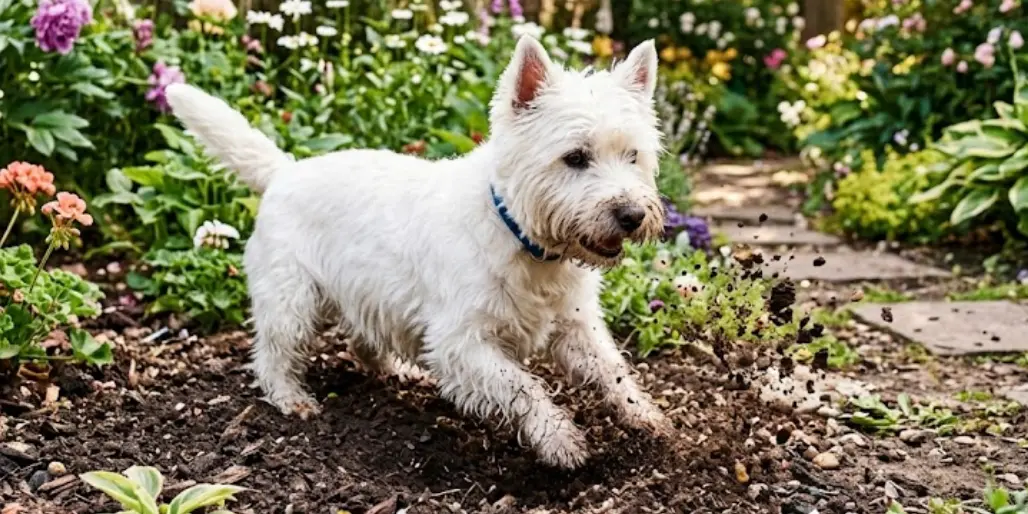
The West Highland White Terrier, affectionately known as the Westie, is a charming and spirited dog breed renowned for its distinctive white coat and lively personality. This comprehensive breed guide will delve into everything you need to know about these delightful canines.
Overview of the West Highland White Terrier
The West Highland White Terrier is a small but sturdy terrier dog breed originating from Scotland, famous for its pure white coat and endearing personality. They make wonderful companions for active families and individuals who appreciate a fun-loving and energetic pet.
History of the Westie
The West Highland White Terrier breed’s origins trace back to 17th-century Scotland, where they were primarily bred to hunt vermin like foxes, badgers, and otters. Colonel Edward Donald Malcolm of Poltalloch is often credited with developing the modern Westie, specifically selecting for the white coat to distinguish them from game during hunts. This courageous little terrier eventually gained popularity beyond its working roots and was recognized as a distinct breed in the early 20th century.
Physical Characteristics
The Westie is a compact and muscular dog, typically weighing between 15-20 pounds and standing 10-11 inches tall at the shoulder. Their most striking feature is their crisp, pure white double coat, consisting of a hard, straight outer coat and a soft, dense undercoat. They possess dark, intelligent eyes and small, pointed ears, contributing to their alert and inquisitive expression, all meeting the breed standard.
Common Health Issues
While generally a healthy breed, West Highland White Terriers are prone to certain genetic health issues. Common concerns include skin allergies, specifically atopic dermatitis, patellar luxation, and craniomandibular osteopathy (lion jaw). Responsible breeders conduct health screenings to minimize these risks, and regular veterinarian check-ups are crucial for early detection and management.
Temperament and Behavior
Westies are celebrated for their vibrant temperament and engaging personalities, making them a popular choice among pet owners. Their spirited nature, combined with their affectionate disposition, ensures they are not just pets but cherished family members.
Personality Traits
Westies are known for their confident, cheerful, and often mischievous personality. They are incredibly intelligent, curious, and possess a strong independent streak, characteristic of many terriers. This fun-loving breed thrives on companionship and enjoys being the center of attention, often displaying a charming stubbornness that endears them even further to their owners.
Socialization Needs
Early socialization is vital for a Westie puppy to develop into a well-adjusted adult dog. Exposing them to various people, sounds, sights, and other friendly dogs from a young age helps to foster a confident and friendly temperament. Proper socialization mitigates potential issues like excessive barking or fearfulness, ensuring they grow into a well-behaved companion.
Interaction with Children and Other Pets
West Highland White Terriers can be wonderful family pets, interacting well with children and other animals if properly socialized from a young age. Their sturdy build means they can tolerate enthusiastic play, but supervision is always recommended with very young children. With their natural prey drive, introductions to smaller pets like hamsters or birds should be managed carefully.
Training the West Highland White Terrier
Basic Commands
Training a West Highland White Terrier can be a rewarding experience, though their independent and intelligent terrier temperament means consistency is key. Start with basic commands like sit, stay, and come as soon as you bring your Westie puppy home. Positive reinforcement, using treats and praise, works wonders in motivating this fun-loving breed and building a strong bond between you and your dog.
House Training Tips
House training your West Highland White Terrier requires patience and a strict schedule. Take your Westie puppy out frequently, especially after waking up, eating, and playing. Reward successful outdoor potty breaks enthusiastically to reinforce the desired behavior. Crate training can also be an invaluable tool, as dogs naturally avoid soiling their sleeping area, making the crate a safe and clean space for your pure white companion.
Socialization Techniques
Continuing socialization beyond puppyhood is crucial for a well-adjusted Westie. Expose your West Highland White Terrier to various environments, people, and other friendly dogs regularly. Enroll in puppy classes or dog sports to provide structured opportunities for interaction. A properly socialized Westie is more confident, less prone to fear or aggression, and better equipped to handle new experiences, showcasing the best of this intelligent dog breed.
Exercise Needs of the Westie
Daily Exercise Requirements
Despite their small size, Westies are energetic terriers with significant daily exercise requirements. To keep your West Highland White Terrier happy and healthy, aim for at least 30-60 minutes of vigorous activity each day. This can be broken into multiple walks, playtime in a secure yard, or engaging in various dog sports. Regular exercise helps manage their spirited temperament and prevents boredom, which can lead to unwanted behaviors.
Fun Activities for Your West Highland White Terrier
Westies love to be active and thrive on engaging activities. Consider dog sports like agility, earthdog trials (which tap into their natural vermin-hunting instincts), or even obedience competitions. Fetch, hide-and-seek, and puzzle toys are also great ways to provide mental and physical stimulation for your West Highland White Terrier. Keeping them entertained is vital for this fun-loving breed’s overall well-being.
Signs of Insufficient Exercise
An under-exercised West Highland White Terrier can exhibit several tell-tale signs. Look for destructive chewing, excessive barking, digging, or general restlessness around the house. These behaviors often stem from pent-up energy and boredom. Ensuring your Westie gets adequate physical and mental stimulation is crucial for a calm and well-behaved companion, preventing these common issues in the Westie’s daily life.
Grooming Your West Highland White Terrier
Coat Maintenance
Maintaining the iconic crisp white double coat of your West Highland White Terrier is essential for their health and appearance. This breed’s unique white coat consists of a harsh outer coat and a soft, dense undercoat that requires regular grooming to prevent matting and keep it clean. Proper coat maintenance not only keeps your Westie looking their best but also contributes to their overall well-being, showcasing the meticulous care that goes into this pure white dog breed.
Bathing and Brushing Tips
Regular grooming, including bathing and brushing, is vital for your Westie. Aim to brush your West Highland White Terrier several times a week to remove loose hair and prevent tangles, especially focusing on their furnishings. Bathe your Westie every few weeks or as needed using a dog-specific shampoo to maintain their pristine white coat. Over-bathing can strip essential oils, so finding the right balance is key for this terrier dog breed.
Professional Grooming Versus DIY
While some Westie owners prefer professional groomers, many tackle grooming their West Highland White Terrier themselves. DIY grooming can be a rewarding experience and strengthen your bond with your dog, but it requires learning proper techniques for clipping, stripping, and nail care. A professional groomer can offer expert advice and ensure your Westie’s coat is maintained to the breed standard, especially if you’re aiming for conformation shows.
Fun Facts About the West Highland White Terrier
Interesting Trivia
West Highland White Terriers are full of fascinating quirks that endear them to their pet owners. Did you know that the breed was originally developed in Scotland to hunt vermin like foxes and otters? Their pure white coat was specifically bred to make them visible against the Scottish landscape, preventing accidental shootings during hunts. This fun-loving breed carries a rich history, making them more than just an affectionate companion.
Famous Westies in Pop Culture
Westies have charmed their way into the hearts of many, including those in the entertainment industry. They’ve appeared in numerous movies, television shows, and advertisements, often stealing the spotlight with their spirited temperament. From their endearing expressions to their plucky personalities, these West Highland White Terriers prove to be natural stars, further solidifying their status as a beloved dog breed.
Unique Traits of West Highland White Terriers
Beyond their adorable appearance, West Highland White Terriers possess several unique traits. Their confident and independent nature, coupled with their unwavering loyalty, makes them captivating companions. They are known for their distinctive “Westie ear set” and their intelligent, inquisitive eyes. These traits, combined with their spirited temperament, truly set this fun-loving breed apart from other terriers.
Conclusion
Final Thoughts on the West Highland White Terrier
The West Highland White Terrier is truly a remarkable dog breed, offering a unique blend of spirit, affection, and charm. Their compact size, distinctive pure white double coat, and fun-loving temperament make them an excellent choice for a wide range of pet owners. With proper training, socialization, and regular grooming, a Westie can become a cherished and loyal member of your family, bringing endless joy and companionship.
Exploring More Breeds
If you’ve enjoyed learning about the West Highland White Terrier, you might be curious to explore other dog breeds that could be the right fit for your lifestyle. Each breed has its own unique characteristics, temperament, and needs, making the journey of discovery a fascinating one for any dog enthusiast. Understanding the diversity of dog breeds helps in making an informed decision for your next affectionate companion.
Visit the Dog A-Z Breeds Guide for More Information
For those eager to delve deeper into the world of canine companions, or to compare the Westie with other breeds, we encourage you to visit our comprehensive breeds guide. You’ll find a wealth of dog breed information and resources to help you discover the perfect pet. Learn more at the Pawandbreeds Dog A-Z Breeds Guide.
FAQ
Q: What exactly is a West Highland White Terrier breed, and why do people love them so much?
A: So the West Highland White Terrier breed (yep, that’s the Westie) is basically a small, feisty, all-white dog breed that was originally bred in Scotland for hunting small rodent pests and other critters that were hiding underground. They’ve got this big personality packed into a tiny body, and honestly that’s the charm — they act like big dogs even though they’re pretty compact. People love them because they’re cheeky, sociable, and adaptable to pretty much any home, whether you’re in an apartment or a house with a yard.
Q: Is the Westie considered the right breed for families with kids?
A: Totally, yeah! Westies are generally good with children, especially when they’re raised around them from puppyhood. They’re sturdy little dogs with a tenacious spirit, so they can handle a bit of rough play better than some more delicate breeds. That said, always supervise young kids with any dog, but if you’re looking for the right breed that’s fun-loving and family-friendly, the Westie ticks a lot of boxes.
Q: What’s involved in training a West Highland White Terrier?
A: Training West Highland White terriers can be a bit of a mixed bag because they’re smart but also stubborn as heck. They’ve got that classic terrier independence, so training sessions need to be short, consistent, and fun — think treats and praise rather than harsh corrections. Start early with basic obedience and socialization, and don’t expect them to be pushovers. Patience is key, but once they get it, they’re pretty reliable.
Q: How much exercise per day does a Westie actually need?
A: They’re not huge exercise fanatics like some working breeds, but they do need a solid dose of movement. Generally around 30-60 minutes of exercise per day split into walks and playtime keeps them happy and out of mischief. Westies love sniffing around, digging, and just generally being nosy, so mixing up their walks with some mental stimulation like puzzle toys is a great idea too.
Q: Are there specific health conditions Westie owners should watch out for?
A: Yeah, unfortunately every breed has its stuff. Westies can be prone to certain skin problems, including allergies that make them itchy and uncomfortable. They can also have issues with their gland function and some joint or bone conditions. The breed is generally healthy overall, but regular checkups with your local vet are important to catch anything early, especially since some conditions are hereditary.
Q: What should I feed my Westie — does dog food matter that much?
A: Dog food quality really does matter for Westies, especially because of their tendency toward skin problems and allergies. Look for a high-quality diet with good protein sources and minimal fillers. Some owners find their Westie does better on grain-free or limited-ingredient diets if allergies are an issue. Always chat with your vet about the best food for your dog’s specific needs, age, and activity level.
Q: Should I buy from a reputable breeder or check a west highland white terrier club?
A: Definitely go with a reputable breeder if you can! Checking out a west highland white terrier club or the White Terrier Club of America is a great way to find breeders who actually care about health testing, pedigree, and temperament rather than just pumping out puppies. These clubs often have referral lists and can point you toward breeders who follow ethical practices. It’s also smart to ask about the AKC or Kennel Club registration status of any litter you’re considering.
Q: What’s the deal with a Westie’s coat — do they need special grooming like plucking?
A: Oh yeah, the coat is a whole thing with this breed! Westies have a harsh outer layer of fur with a softer undercoat underneath, and that texture is actually part of their breed standard. Many owners, especially those with show dogs, choose to hand-strip or pluck the coat rather than just clipping it, since this helps maintain that classic wiry texture. It’s more labor-intensive but keeps the coat looking correct if you’re into showing. For pet Westies, regular brushing and occasional grooming visits work just fine too.
Q: If I’m considering breeding my Westie, what should I know first?
A: If you’re considering breeding, please don’t take it lightly! You’ll want to health test your bitch thoroughly, check her soundness, temperament, and pedigree, and make sure she meets breed standards before even thinking about a litter. Breeding responsibly means understanding genetics, potential health conditions in the line, and being prepared for vet visits, whelping complications, and finding good homes for puppies. It’s honestly a big commitment, so connecting with an established club or mentor breeder is super helpful.
Q: Can Westies do well in dog sports, including agility?
A: Absolutely, they’re naturals for it! Westies are surprisingly athletic and love having a job to do, so activities including agility courses are perfect for burning off that terrier energy while bonding with their owner. Their tenacious and curious nature makes them quick learners once they’re motivated, and it’s a fantastic outlet for their intelligence. Plus it’s just fun to watch these little guys zoom around obstacle courses with so much enthusiasm!