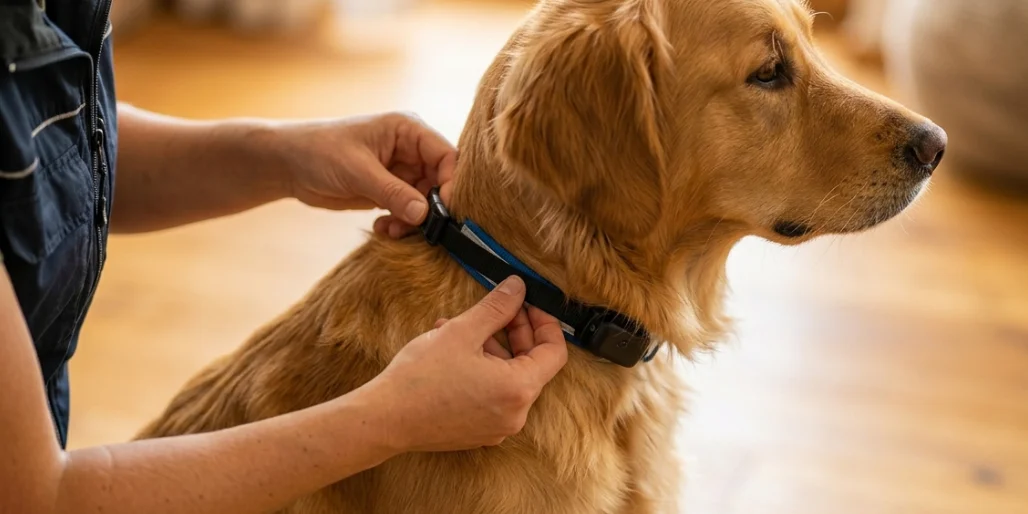
E-collar training, often misunderstood, can be a highly effective and humane method for teaching your dog new behaviors and reinforcing existing commands. This guide will walk you through the proper and safe use of an e-collar, dispelling common myths and providing practical techniques to help you and your canine companion achieve success.
What is an E-Collar and How Does it Work?
Definition and Purpose of E-Collars
An e-collar, also known as a remote training collar or electronic collar, is a device worn around a dog’s neck that allows a handler to deliver a stimulus via a remote transmitter. Unlike the outdated and often negative connotations of a “shock collar,” modern e-collars are designed to provide a mild, consistent form of communication, akin to a tap on the shoulder. The primary purpose of an e-collar in dog training is to enhance communication between the dog owner and their pet, providing clear feedback, particularly for off-leash obedience or when dealing with distractions that a traditional leash might not effectively address. It’s a sophisticated training tool, not a punishment device, when used correctly.
How E-Collars Function in Dog Training
E-collars function by delivering a momentary stimulation to the dog, which can range from a gentle vibration or tone to a low-level static “stim.” This stimulation is not painful when applied correctly, but rather acts as a discernible prompt that the dog learns to associate with specific commands or actions. A skilled dog trainer or handler uses the e-collar to mark unwanted behaviors or reinforce desired ones — if you’re new to training fundamentals, our dog training guide covers the foundational methods worth knowing before starting e-collar work. The effectiveness lies in consistent timing and application within a structured training program, allowing the dog to understand and respond to the cues, ultimately leading to greater freedom and safety for your canine companion.
Types of E-Collars Available
The market offers a wide variety of e-collars for dogs, each with different features and suited for various training needs. Some popular brands, like Dogtra, offer advanced E-collar Technologies that include multiple stimulation levels, ranging from very low to higher, allowing trainers to customize the intensity based on the dog’s temperament and sensitivity. There are also bark collars specifically designed to address nuisance barking, and e-collars with GPS tracking for working dog applications or for reactive dog scenarios where greater control is needed. When choosing an e-collar, it’s crucial to consider your dog’s size, breed, and the specific training goals you aim to achieve, ensuring you select the best e-collar that is both humane and effective for your training journey.
Is E-Collar Training Safe for My Dog?
Understanding the Safety of E-Collars
Many dog owners approach e-collar training with understandable apprehension, often associating it with the outdated term “shock collar” and concerns about cruelty. However, modern e-collars are designed with safety and humane communication in mind, offering a range of gentle stimulation levels that are far from painful. When used correctly by a knowledgeable trainer, an e-collar acts as a clear, consistent form of communication, not punishment, enabling effective dog training. The key to safety lies in proper understanding and application, ensuring the e-collar becomes a valuable training tool for your canine companion, promoting off-leash obedience and enhancing the bond between you and your dog.
Potential Risks and How to Mitigate Them
While e-collar training can be incredibly effective, potential risks exist if the training collar is misused or if the dog owner lacks proper guidance. One common risk is over-stimulation, where the levels are set too high, causing undue stress or fear in the dog. Another concern is improper fit, which can lead to skin irritation or discomfort. To mitigate these risks, it’s crucial to work with an experienced dog trainer who can teach you how to use an e-collar correctly, starting with low stimulation levels and observing your dog’s temperament. Regular checks of the e-collar’s fit and the dog’s skin are also essential to ensure a positive and humane training experience, fostering trust and obedience.
Choosing the Right E-Collar for Safety
Selecting the best e-collar is paramount for ensuring the safety and effectiveness of your dog training efforts. A good quality e-collar for dogs, like those from reputable brands such as Dogtra, will offer multiple stimulation levels, including vibrate and tone options, allowing you to tailor the stimulus to your dog’s specific temperament and sensitivity. It’s important to choose a collar that fits your dog comfortably and securely, preventing it from chafing or moving around excessively. Additionally, look for e-collars with clear instructions and readily available support, so you can confidently use the collar as a humane and effective training tool to teach your dog new behaviors and reinforce obedience in a safe manner.
How Can I Effectively Train My Dog with an E-Collar?
Basic Commands to Teach with E-Collars
When beginning e-collar training, it’s crucial to start with basic obedience commands that your dog already knows, such as “sit,” “stay,” and “recall.” This foundational approach helps your canine companion associate the gentle stimulation from the e-collar with familiar actions, rather than introducing new concepts simultaneously with the training collar. The goal is to build a positive association, where the e-collar acts as a clear communication tool, not a punishment. By reinforcing known commands during your training session, your dog will quickly understand that the e-collar stim is simply a signal to pay attention and perform the desired behavior, paving the way for more advanced obedience training and off-leash freedom.
Establishing a Training Routine with E-Collars
Consistency is key when establishing a training routine with an e-collar for dogs. Short, frequent training sessions, typically 10-15 minutes long, are far more effective than long, infrequent ones. Integrate the e-collar into your daily interactions, practicing commands in various environments and gradually introducing distractions. Always begin with the lowest effective stimulation levels, observing your dog’s temperament and adjusting as needed. This systematic approach ensures your dog understands the connection between the e-collar’s stimulus and your commands, fostering a reliable response. A well-structured training program will build confidence in both you and your dog, leading to a well-behaved and obedient companion.
Tips from Professional Dog Trainers on E-Collar Use
Professional dog trainers emphasize the importance of timing and patience when using an e-collar. They recommend always pairing the e-collar’s stim with your verbal command and a leash correction initially, fading the leash as your dog understands. Positive reinforcement, such as praise or treats, should immediately follow the desired behavior. Never use the e-collar out of frustration or anger; it is a communication tool, not a remote punishment device. Many trainers advise working with a certified dog trainer who can guide you through proper e-collar technologies and techniques, ensuring humane and effective use to teach your dog boundaries and build a strong, trusting relationship.
What Should I Look for When Picking the Best E-Collar?
Features to Consider in Dog Training E-Collars
When selecting the best e-collar for your dog, several features are paramount to ensure effective and humane dog training. Look for a training collar with a wide range of adjustable stimulation levels, including vibrate and tone options, which allow you to customize the intensity to your dog’s temperament. Waterproofing is essential for all-weather training and activities. Consider the range of the remote; if you plan on off-leash obedience or working dog tasks, a longer range is beneficial. Lastly, choose a comfortable and durable collar that fits your dog snugly without causing irritation, as a well-fitting e-collar is crucial for consistent contact and safe operation during every training session.
Comparison of Popular E-Collar Brands
The market offers several reputable e-collar brands, each with unique strengths. Dogtra is often praised for its durability, extensive range, and precise stimulation levels, making it a favorite among professional dog trainers for serious obedience training and working dog applications. Another popular choice, Educator, is known for its “blunt” stim sensation, which many handlers find to be less startling than a sharp “shock,” promoting a more humane training experience. SportDog offers user-friendly interfaces and robust designs, ideal for hunting dogs and outdoor enthusiasts. Comparing customer reviews and consulting with a dog trainer can help you determine which brand aligns best with your specific dog training needs and your dog’s individual temperament.
Customer Reviews and Recommendations
Customer reviews and recommendations are invaluable resources when picking the best e-collar for your canine companion. Pay close attention to feedback regarding the collar’s effectiveness, battery life, durability, and most importantly, how humane the stimulation feels to other dog owners. Look for consistent praise about a brand’s customer service and the availability of clear instructions or training guides. Many positive reviews often highlight how a specific e-collar helped them achieve off-leash obedience or manage a reactive dog’s behavior safely. While individual experiences vary, a consensus among users can provide strong indicators of a quality training collar that will support your dog training journey effectively and humanely.