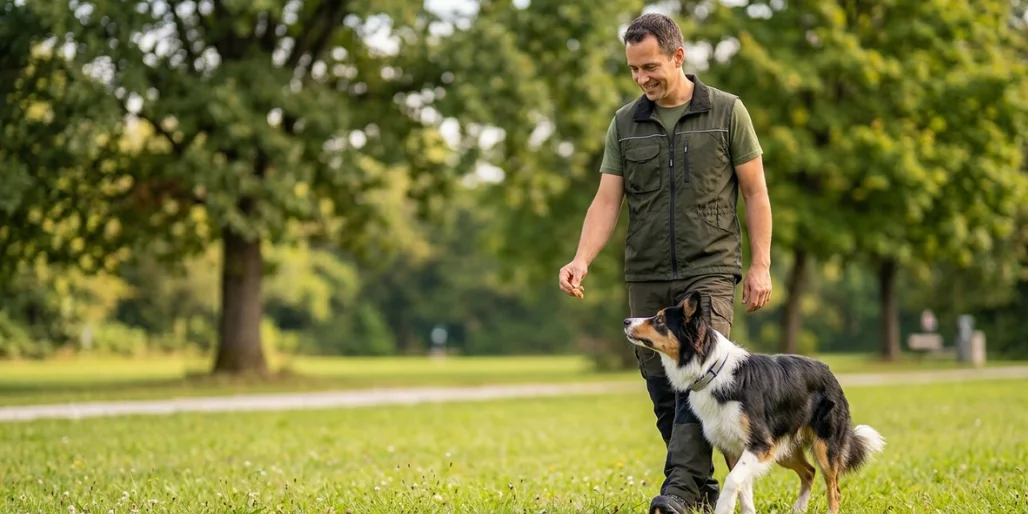
Embarking on the journey of dog training, whether it’s puppy training or refining the behavior of an older pup, is a rewarding experience for all dog owners. This article delves into both off-leash and leash K9 training, offering valuable insights and training tips to help you cultivate an obedient dog with excellent paw control, regardless of its breed.
What is Off-Leash Dog Training?
Understanding Off-Leash Training
Off-leash dog training refers to the process of teaching your dog to respond reliably to commands and exhibit good dog behavior even without a leash, similar to what is learned in puppy training. It’s about achieving a high level of obedience, where your pup will stay, come, and heel by your side, all with the peace of mind that comes from knowing your dog will listen. This type of dog training goes beyond basic leash dog training, focusing on developing a strong bond and clear communication between you and your dog.
Benefits of Off-Leash Training
Off-leash training offers immense benefits for both you and your furry companion, especially when combined with effective training methods. It allows your dog greater freedom to explore and exercise, enhancing its quality of life. For dog owners, it provides unparalleled convenience and a stronger connection, knowing your obedient dog will respond regardless of distractions during training sessions. Furthermore, it can be crucial for safety in various environments.
| Beneficiary | Key Advantages |
| Dog | Greater freedom to explore and exercise enhances the quality of life for dog owners and their pups. |
| Owner | Unparalleled convenience; stronger connection; ultimate control through effective training methods and well-structured programs. |
Common Breeds Suitable for Off-Leash Training
While almost any breed can achieve some level of off-leash obedience with consistent dog training services, certain breeds naturally excel. Ultimately, success depends more on the dedication of the dog owners and the quality of the dog training company’s approach, rather than solely on the breed itself. Some breeds known to respond well include:
| Understanding the breed group of your dog can help tailor training programs to better suit their needs. | Examples | Key Traits for Off-Leash Training |
| Herding Breeds | Border Collies, Australian Shepherds | Intelligence, eagerness to work |
| Retrievers | Labradors, Golden Retrievers | Strong retrieve drive, desire to please |
How Does Leash K9 Training Work?
Principles of Leash Training
Leash training is a fundamental aspect of owning an obedient dog, establishing a clear line of communication and control between dog owners and their pup. The core principles revolve around positive reinforcement, consistency, and clear command delivery. Effective leash training helps your dog understand boundaries — for a full breakdown of techniques and approaches, visit our dog training guide — promoting good dog behavior during walks and ensuring safety in various environments. It’s the groundwork for achieving a higher level of obedience and setting the stage for more advanced off-leash training, giving you peace of mind as a dog owner.
Importance of a Good Dog Trainer
Having a good dog trainer is absolutely crucial for successful leash K9 training. A skilled dog trainer can identify specific behavioral issues, tailor training programs to your dog’s individual needs, and teach you the most effective training methods. They provide invaluable dog training services, guiding dog owners through the process and helping them build a strong, positive relationship with their pup. Whether it’s puppy training or addressing existing habits, a professional ensures the training session is productive and yields lasting results, fostering an obedient dog.
Leash Training Techniques
There are several effective leash training techniques to help you train your dog. One common method involves using a consistent “heel” command, teaching your pup to walk calmly by your side without pulling. Another focuses on rewarding loose-leash walking, where the leash is slack and not taut. Desensitization to distractions is also key, gradually exposing your dog to various sights and sounds while maintaining focus. These training tips, often reinforced in a board and train program, ensure your dog develops excellent leash manners, making walks enjoyable for everyone.
What Are the Key Training Tips for Dogs?
Essential Obedience Training Tips
When it comes to essential obedience training tips, consistency is king. Always use the same commands and reward desired dog behavior immediately. Start with short, positive training sessions to keep your pup engaged and prevent it from becoming overwhelmed. Focus on foundational commands like “sit,” “stay,” “come,” and “leave it” before moving on to more complex tasks. These initial steps are vital for building a strong base for an obedient dog, making future off-leash training or therapy dog training much smoother and more effective for dog owners.
These initial steps are vital for building a strong base for an obedient dog — the American Kennel Club (AKC) also recommends mastering foundational commands before progressing to advanced training.
Creating a Training Schedule
Creating a structured training schedule is paramount for effective dog training. Regular, brief sessions are far more beneficial than infrequent, long ones. Aim for 10-15 minute training sessions multiple times a day, especially during puppy training. Incorporate various environments to help your dog generalize its learning. A consistent schedule reinforces positive dog behavior, helps maintain your pup’s focus, and provides a clear routine that both you and your obedient dog can rely on, leading to significant progress in its level of obedience.
Utilizing Training Videos for Effective Learning
In today’s digital age, utilizing training videos can be an incredibly effective tool for dog owners. These resources from a reputable dog training company can offer visual demonstrations of various training methods, making it easier to understand and replicate techniques like crate training or addressing leash laws. Watching a leash K9 trainer in action can clarify nuances that written instructions might miss, helping you to refine your approach and ensure you’re effectively teaching your dog. This visual aid can significantly enhance your ability to train your dog during training sessions and achieve excellent dog obedience.
How to Train Your Dog for Obedience?
Steps to Achieve a Well-Trained Dog
Achieving a well-trained dog, whether through puppy training or more advanced obedience training, involves several key steps and a commitment to a consistent level of obedience. Start with clear, consistent commands and positive reinforcement to encourage desired dog behavior. Gradually introduce distractions to strengthen your pup’s focus, ensuring it maintains its level of obedience in various environments. Regular, short training sessions are more effective than infrequent, long ones, building a solid foundation for your obedient dog and setting it up for success in both leash and off-leash settings. Remember, patience is a virtue in dog training.
Common Mistakes in Dog Obedience Training
Many dog owners, despite their best intentions, make common mistakes during dog obedience training that can hinder progress in their training programs. Inconsistency in commands or expectations often confuses the pup, making it harder for it to understand what’s required. Punishing rather than redirecting unwanted dog behavior can also damage your bond and make your dog fearful. Skipping foundational leash training before attempting off-leash work is another common misstep. Enlisting a professional dog trainer or exploring dog training services can help identify and correct these issues, ensuring effective training methods are applied.
Training Packages and Services Available
When seeking to train your dog for ultimate obedience, a variety of training packages and services are available to suit different needs and budgets. These comprehensive programs provide dog owners with tailored training tips and support for achieving their desired level of obedience.
| Service Type | Description / Focus |
| Group Puppy Training Classes | Fosters socialization and helps pups develop essential skills in various environments. |
| Private, One-on-One Sessions | Dedicated dog trainer |
| “Board and Train” Program | Intensive off-leash K9 training; pup lives with a trainer |
| Therapy Dog Training | Specialized program |
What Should You Know About Leash Laws?
Understanding Local Leash Laws
Understanding local leash laws is paramount for every responsible dog owner, contributing significantly to community safety and your peace of mind. These regulations dictate where and when your pup must be kept on a leash, often varying by municipality and specific areas like parks or public trails. Adhering to these leash laws prevents your obedient dog from wandering into dangerous situations, reduces conflicts with other dogs or people, and avoids potential fines. Being knowledgeable ensures you’re not only compliant but also promoting good dog behavior within your community.
Impact of Leash Laws on Training
Leash laws have a direct and significant impact on how dog owners approach dog training, particularly when it comes to off-leash dog training aspirations. In areas with strict leash laws, opportunities for your pup to practice going off leash are limited, requiring more controlled environments like private dog parks or secure fields. This means that a strong foundation in leash dog training is even more crucial, ensuring your dog exhibits excellent dog behavior and control when on the leash. It emphasizes the importance of a solid training session to master leash skills before considering off-leash activities.
Best Practices for Leash Dog Training
For effective leash dog training, several best practices can help you achieve an obedient dog that walks politely by your side. Always use a comfortable, well-fitting leash and collar or harness to prevent discomfort or injury to your pup. Start leash training in a low-distraction environment and gradually introduce more complex settings as your dog gains confidence. Reward loose-leash walking consistently, making sure your dog associates a relaxed leash with positive reinforcement. A professional leash K9 trainer can provide invaluable training tips and custom training programs to perfect your dog’s leash manners, ensuring enjoyable walks for both of you.