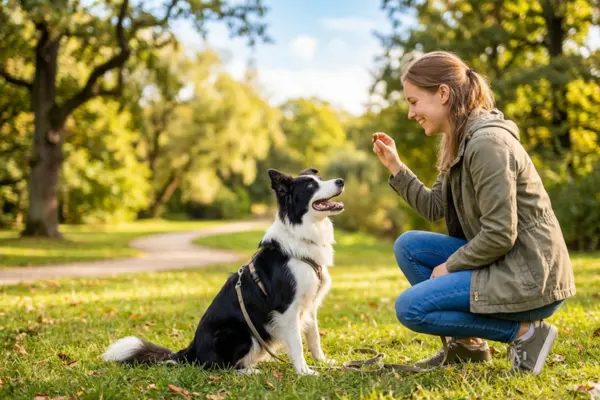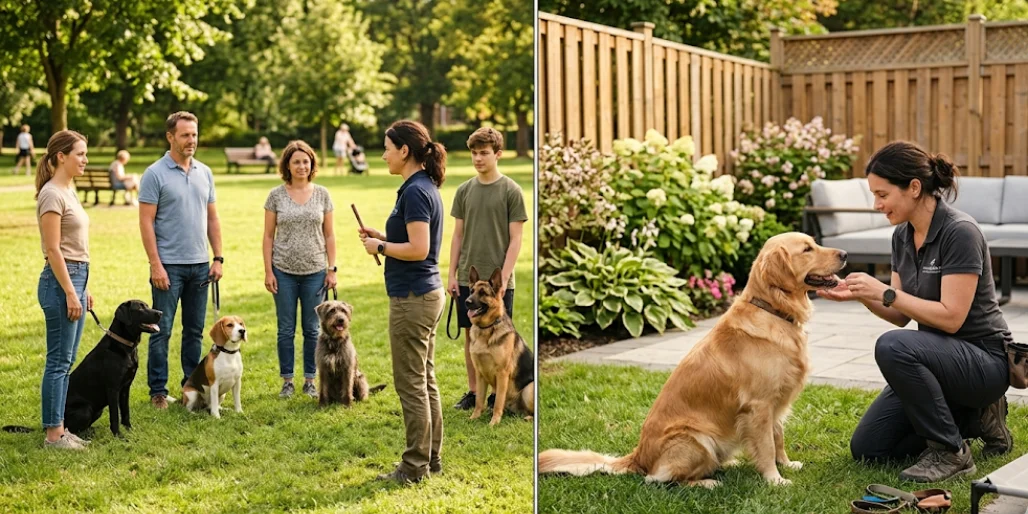
Choosing the right dog training method can feel like a puzzle, especially when you’re weighing the pros and cons of private lessons versus a group class. At Paw and Breeds, we understand that every dog and owner has unique needs, and finding the best training approach is key to a happy, well-behaved companion. Let’s dive into what makes each option distinct and help you decide which is the right choice for you and your furry friend.
What Are the Benefits of Group Dog Training Classes?
Group dog training classes are a fantastic option for many dog owners, offering a unique blend of learning and social interaction. These group classes provide a structured environment where your dog learns basic obedience commands around others, which is crucial for real-world reliability. It’s a great way to introduce your dog to new experiences and ensure they can focus on you even with distractions.
Socialization Opportunities for Your Dog
One of the most significant advantages of a group class is the invaluable socialization opportunities for your puppy or dog. In a group setting, your dog gets to interact with various breeds, sizes, and temperaments of other dogs, as well as different people. This exposure is vital for developing a well-adjusted dog, helping them build confidence and learn appropriate behavior around others, which is something private training can’t fully replicate.
Cost-Effectiveness of Group Classes
When considering your options, the cost-effectiveness of group training classes often makes them a very attractive choice. Typically, group dog training is more affordable than private training sessions or one-on-one lessons with a professional dog trainer. This allows more dog owners to access quality dog training without breaking the bank, making it a budget-friendly way to teach your dog essential skills and address common behavioral issues.
Learning from Other Dogs and Owners
Beyond the direct instruction from the trainer, group classes offer a unique educational experience where you and your dog can learn from others. Observing how other dogs respond to commands and seeing different owners handle their pets can provide valuable insights and inspiration. It’s a collective learning environment where you can pick up new tips, witness various training methods, and realize you’re not alone in the joys and challenges of dog ownership.
How Does Private Dog Training Differ from Group Training?
Private dog training offers a stark contrast to the dynamic of a group class, providing a tailored and often more intensive approach to your dog’s development. While group classes thrive on collective learning and socialization, private lessons hone in on individual needs, making them an excellent choice for specific challenges or for dogs that may not thrive in a group setting. It’s about crafting a training program that perfectly aligns with your dog’s temperament and your family’s lifestyle, ensuring the best possible outcome.
One-on-One Attention from a Professional Dog Trainer
One of the most significant advantages of private dog training is the dedicated one-on-one attention your dog receives from a professional dog trainer. Unlike a group class where the trainer’s focus is divided among several dogs, a private session allows for complete immersion in your dog’s specific behavioral issues and learning style. This focused interaction enables the trainer to observe nuances in your dog’s responses and adjust training methods in real-time, offering a truly personalized approach to basic obedience and advanced skills.
Customizable Training Methods for Specific Behavioral Issues
Private training truly shines when it comes to addressing specific behavioral issues or unique challenges your dog might face. While a group class provides a general curriculum, private lessons allow for completely customizable training methods. A professional dog trainer can develop a targeted strategy to tackle anything from separation anxiety or leash reactivity to excessive barking, providing solutions that are often too specific to be covered adequately in a broader group dog training program. This tailored approach ensures more effective and lasting results.
Flexibility in Scheduling and Training Location
The flexibility offered by private dog training sessions is another major draw, setting it apart from the more rigid structure of a group class. You have the freedom to schedule sessions at times that best suit your busy lifestyle, whether it’s early mornings, evenings, or weekends. Furthermore, private training can often take place in various locations, including your home environment, a local park, or wherever your dog needs to practice new skills. This adaptability makes private training a convenient and highly effective option for many dog owners.
Which Training Option Is Best for Your Dog?
Assessing Your Dog’s Socialization Needs
Choosing the best training method really hinges on understanding your dog’s unique socialization needs. If your puppy or dog already feels comfortable and confident around others, a group class might be a fantastic way to reinforce those positive behaviors and continue their exposure in a structured group setting. However, if your dog is shy, anxious, or reactive around other dogs or people, private training could be the right choice to build their confidence one-on-one before potentially transitioning to a group class, ensuring a positive experience for your furry friend and effective training.
Understanding Your Personal Training Goals
Your personal training goals are super important when deciding between group dog training and private lessons. Are you aiming for basic obedience and some fun socialization, or do you have specific behavior challenges like leash reactivity or separation anxiety that need a more focused approach? If your goals are broad, a group class might offer a great foundation. But if you’re targeting particular behavioral issues or want to achieve advanced obedience, private training sessions with a professional dog trainer often provide the intensive, tailored support needed to reach those specific goals effectively.
Choosing the Right Trainer for Your Dog
Ultimately, choosing the right trainer is paramount, regardless of whether you opt for private lessons or a group class. A good trainer will be able to assess your dog’s temperament and your specific needs, guiding you toward the best training method.Look for a professional dog trainer who uses positive reinforcement, has experience with various behavioral issues, and whose philosophy aligns with yours — our dog training guide breaks down every major training method so you can walk into that conversation fully informed. The right trainer, whether for a one-on-one session or leading a group dog training class, can make all the difference in your dog’s progress and your overall satisfaction with the training program.
Can Puppies Benefit from Group Classes vs Private Lessons?
Early Socialization in Group Settings
For puppies, early socialization in group settings can be incredibly beneficial, setting them up for success as well-adjusted adult dogs. A puppy group class provides a controlled environment where your young pup can interact safely with other puppies and people, learning crucial social cues and manners. This exposure to various sights, sounds, and experiences in a positive group setting helps to build confidence and prevent future behavioral issues, making it an excellent foundation for their ongoing dog training journey.
As the American Kennel Club (AKC) highlights, early socialisation in controlled group settings is one of the single most important investments you can make in a puppy’s long-term behaviour and emotional wellbeing
Addressing Specific Behavioral Concerns in Private Lessons
While group classes are great for general socialization, private lessons really shine when it comes to addressing specific behavioral concerns in puppies. If your puppy is exhibiting early signs of fear, aggression, or other particular challenges, one-on-one attention from a professional dog trainer can provide targeted interventions. A private session allows the trainer to focus entirely on your puppy’s individual needs, tailoring the training program to nip those specific behavior issues in the bud before they become more entrenched, ensuring a more effective and personalized approach.
Creating a Balanced Training Experience
The best approach for many puppies often involves creating a balanced training experience that combines the strengths of both group classes and private training. You might start with a puppy group class for essential socialization and basic obedience, allowing your puppy to learn around others. Then, if specific behavioral issues arise or you want to delve deeper into advanced skills, supplementing with private lessons can provide that crucial one-on-one attention. This hybrid approach ensures your puppy receives comprehensive dog training, addressing both their social and individual learning needs for a well-rounded foundation.