Embarking on the journey of dog ownership is incredibly rewarding, but a common question we hear at Paw and Breeds is, “How long does it take to train a dog?” It’s a valid concern, as effective dog training is crucial for a harmonious household. While there’s no one-size-fits-all answer, understanding the various factors involved can help you set realistic expectations — our dog training guide breaks down the methods that influence how quickly your dog progresses.
How Long Does It Take to Train a Puppy?
Are you wondering how long it actually takes to train a puppy to become a well-behaved companion? Training a puppy is a unique experience, distinct from working with an older dog. Puppies are like sponges, eager to learn, but they also have shorter attention spans and are still figuring out the world around them. The duration it will take to train a puppy largely depends on several individual factors, including the pup’s age when you start training, their breed, and your consistency with positive reinforcement. It’s important to remember that every dog learns at its own pace, so patience is key.
Understanding Puppy Development Stages
Understanding the different puppy development stages is fundamental when considering how long it will take to train a puppy. For instance, a very young pup, typically between 8 and 12 weeks, is in a critical socialization period, making it an excellent time to introduce new sights, sounds, and gentle handling. During this time, short, frequent training sessions focused on basic obedience, like sit and stay, are most effective. As your dog grows, its capacity for more complex commands and longer training sessions increases, but you’ll need to adapt your methods to its evolving attention span and energy levels.
Factors That Influence Training Duration
| Factor | Influence on Training Duration |
| Dog’s Temperament | Some dogs are naturally more eager to please and pick up commands quicker. |
| Breed | Certain breeds, like German Shepherds, often excel in obedience due to intelligence, while others might require more consistent effort. |
| Owner’s Commitment | Daily training sessions and consistent positive reinforcement are crucial. |
| Training Focus | Addressing specific issues like reactivity will differ from focusing on basic obedience. |
Setting Realistic Expectations for Puppy Training
Setting realistic expectations for puppy training is crucial to avoid frustration and ensure a positive experience for both you and your pup. While it might seem like some dogs are fully trained overnight, the reality is that training is a lifelong process. You shouldn’t expect your pup to master loose leash walking or come when called perfectly after just a few sessions. Instead, focus on small, achievable goals, celebrating every milestone. Consistency is far more important than intensity, and understanding that every dog learns at its own pace will help you maintain patience and make the training journey enjoyable.
What Is the Typical Dog Training Duration?
General Timeline for Basic Obedience Training
When considering how long it takes to train a dog, particularly for basic obedience, a general timeline often spans several weeks to a few months. For a puppy, you might start seeing reliable responses to commands like ‘sit,’ ‘stay,’ and ‘come’ within 8-16 weeks of consistent daily training — a timeline that aligns closely with guidance from the American Kennel Club (AKC) on typical puppy training milestones. However, this isn’t about the dog being “fully trained,” but rather establishing a solid foundation. The initial period focuses on building good habits and understanding basic cues. Continued reinforcement and practice are vital to solidify these behaviors, ensuring your dog responds consistently, even in distracting environments. Remember, every dog learns at its own pace, so patience is key.
Differences in Training Duration by Breed
| Breed Type | Training Characteristics |
| Intelligent & Eager Breeds (e.g., German Shepherds, Border Collies) | May pick up basic obedience commands quicker due to inherent drive to work and receptiveness to training. |
| Independent or Stubborn Breeds | Might require more consistent effort and patience from owner or professional trainer. |
Understanding Training Phases
| Training Phase | Description |
| Acquisition Phase | Your dog learns what a command means and how to perform the desired action. |
| Fluency Phase | The dog can perform the command reliably in various settings. |
| Generalization Phase | The dog responds consistently regardless of distractions or environment. |
How Long Should It Take to Train My Dog?
Evaluating Your Dog’s Behavior and Learning Style
When considering how long it will take to train my dog, a critical first step is evaluating its unique behavior and learning style. Just like people, every dog learns at its own pace and responds differently to various training methods. Some dogs are naturally more confident and eager to please, readily absorbing new commands during short, engaging training sessions. Others might be more timid or independent, requiring extra patience, positive reinforcement, and a more gradual approach. Understanding your individual dog’s temperament, how it reacts to new situations, and what motivates it (treats, toys, praise) will significantly influence your dog training duration and help you tailor an effective plan.
When to Seek Help from a Dog Trainer
Knowing when to seek help from a professional dog trainer is an important part of the dog training journey, especially if you’re asking, “How long should it take to train my dog?” If you’ve been consistent with your training sessions and positive reinforcement but aren’t seeing the progress you expect, or if your dog exhibits specific challenging behaviors like reactivity, excessive barking, or separation anxiety, a trainer can provide invaluable guidance. A professional can help you understand your dog’s behavior, identify the root cause of issues, and teach you specialized techniques to address them, potentially shortening the overall training timeline and ensuring the dog develops good habits.
Creating a Personalized Training Plan
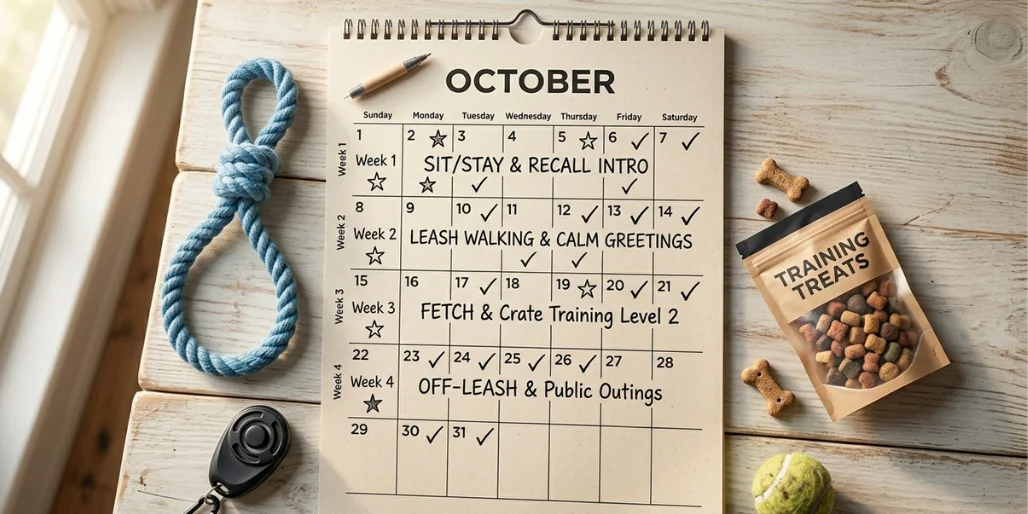
Creating a personalized training plan is essential for effective dog training and can significantly impact how long it takes to train my dog. This plan should be tailored to your individual dog’s needs, breed, age (whether it’s a young puppy or an older adult dog), and specific behaviors you want to address, such as loose leash walking or basic obedience. It should outline clear, achievable goals, specify the duration and frequency of your training sessions, and detail the types of positive reinforcement you’ll use. A well-thought-out plan ensures consistency and progress, making the training process more efficient and enjoyable for both you and your furry companion.
What Are the Best Tips to Train a Dog Effectively?
Essential Commands for a Fully Trained Dog
To ensure the dog is well-behaved and safe, focusing on essential commands is paramount when you train a dog. For a fully trained dog, commands like “sit,” “stay,” “come,” “down,” and “leave it” form the foundation of good manners and safety. Mastering these commands, often through consistent training sessions and positive reinforcement, allows for better control in various situations, whether you’re working on loose leash walking or preventing your pup from picking up something undesirable. These basic obedience commands are not just tricks; they are vital communication tools that build a strong bond and understanding between you and your companion.
Common Mistakes to Avoid During Training
To effectively train a dog, it’s crucial to be aware of common mistakes that can hinder progress and prolong how long it takes to train my dog. One frequent error is inconsistency; if you’re not consistent with commands and expectations, your dog might become confused. Another mistake is relying on punishment instead of positive reinforcement, which can damage your bond and make your dog fearful. Lengthy, infrequent training sessions can also be ineffective; instead, opt for short, engaging sessions that keep your pup’s attention. Finally, neglecting socialization, especially with a puppy, can lead to behavioral issues like reactivity later on, so ensure the dog gets plenty of positive experiences.
How to Maintain Consistency in Training
Maintaining consistency in dog training is arguably the most critical factor in determining how long it takes to train my dog and achieve lasting results. Every dog learns best when expectations are clear and consistent. This means everyone in the household should use the same commands, hand signals, and methods of positive reinforcement. Regular, short training sessions, even just 5-10 minutes daily, are far more effective than sporadic, long ones. Consistency helps solidify learned behaviors, from basic obedience to loose leash walking, ensuring your dog understands what is expected of it in every situation and ultimately contributing to a truly fully trained dog.