It can be a real headache, not to mention heartbreaking, when you have a dog and a cat that just can’t seem to get along. The good news is, you absolutely can train your dog to stop chasing cats, creating a peaceful coexistence in your home. This guide will walk you through understanding why your dog chases cats and effective strategies to stop your dog from chasing them — our dog training guide covers the foundational commands like ‘leave it’ and ‘stay’ that make this kind of impulse control possible.
Understanding the Behavior of Dogs and Cats
Why Do Dogs Chase Cats?
Many dog owners wonder, “Why does my puppy chase the cat?” It’s a common scenario that can be quite stressful for both pets and their humans. The truth is, there are several reasons why a dog might chase a cat, and understanding these motivations is the first step in effective dog training to stop the unwanted behavior. It’s not always about aggression; sometimes, it’s just a misdirected game or an instinct kicking in.
The Instinctual Drive to Chase
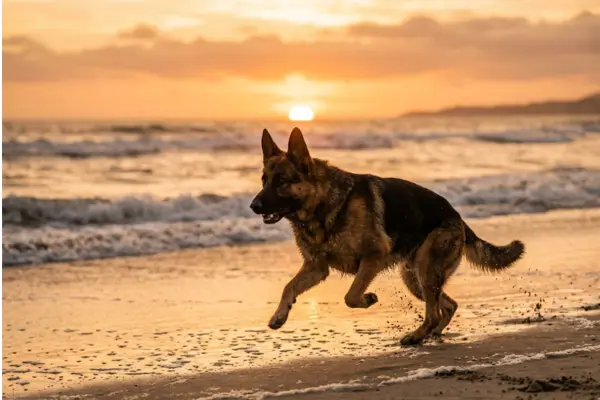
One of the primary reasons a dog will chase a cat is rooted in their natural prey drive, which can be managed to stop dogs. Dogs, especially certain breeds, possess a strong instinct to chase moving objects, a remnant of their hunting ancestors. This isn’t necessarily about wanting to kill the cat; sometimes, it’s simply the thrill of the chase that leads to dog chasing your cat. A dog with a high prey drive sees quick movement and their instinct takes over, making it difficult for them to stop dogs from chasing. This is why we need to teach your dog to control this impulse.
Recognizing Your Dog’s Chasing Triggers
To effectively stop your dog from chasing cats, you need to become a detective and identify what triggers your dog to chase, like looking at the cat. Does your dog chase a cat only when the cat runs? Does it happen when the cat looks at the dog, or when your dog sees the cat around your cat’s feeding area? Understanding these specific triggers will help you predict and manage situations, preventing your dog from even getting the opportunity to chase the cat. Observing when your dog wants to chase is crucial for successful dog training.
Training Techniques to Stop Your Dog from Chasing Cats
Using Positive Reinforcement
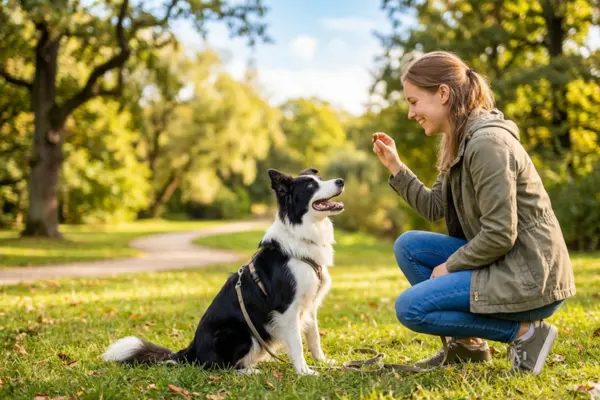
When you’re trying to stop your dog from chasing cats, positive reinforcement is going to be your best friend. Instead of punishing your dog for chasing the cat, you want to reward them for ignoring the cat or for choosing a different behavior. For example, if your dog sees the cat but looks away, immediately praise them and offer a high-value treat. This teaches your dog that good things happen when they don’t engage in chasing, making them more likely to repeat the desired behavior. The goal here is to train your dog to associate calm behavior around the cat with positive outcomes.
Leash Training for Better Control
Leash training is a fantastic way to keep your dog under control and prevent them from chasing the cat, especially in the initial stages of training. Even if your dog isn’t usually on a leash inside, using one when the cat is present gives you a direct way to manage your dog’s movements. When your dog sees the cat and starts to get excited, a gentle tug on the leash can redirect their attention, and you can then reward them for looking at you or staying calm. This technique helps to reinforce that you are in charge and can effectively stop your dog from chasing before it even starts.
Implementing Commands to Stop Chasing
Teaching your dog specific commands is crucial to stop your dog from chasing cats effectively. Commands like “leave it” or “stay” can be incredibly powerful tools. Start practicing these commands in a low-distraction environment, gradually introducing the cat as a distraction while your dog is on a leash. When your dog starts to focus on the cat, use your chosen command. If they obey, even for a moment, reward them generously to reinforce the behavior and help stop your dog chasing. This teaches your dog to override their prey drive and listen to you, making it much easier to stop your dog from chasing your cat in real-life situations.
Creating a Safe Environment for Cats
Designing Cat-Friendly Spaces
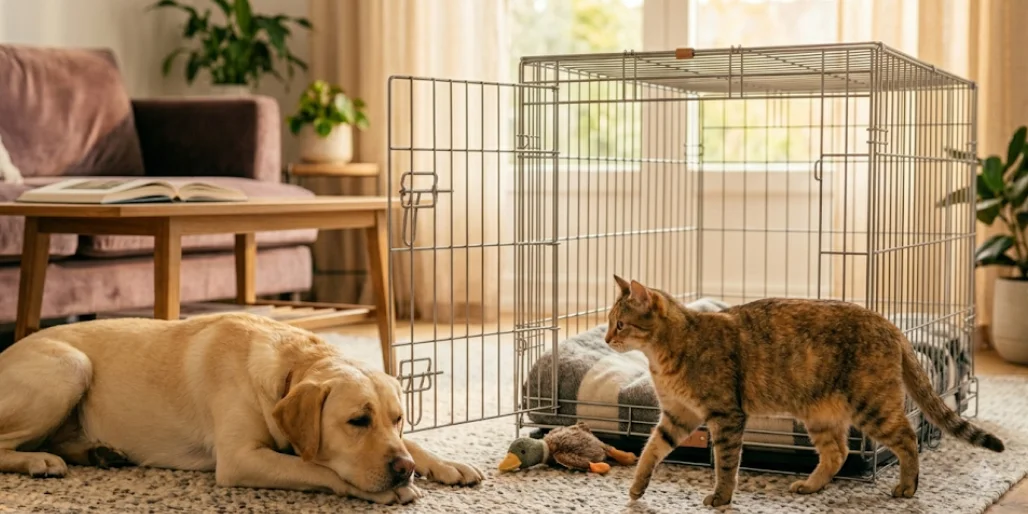
To truly stop your dog from chasing cats, it’s essential to create an environment where your cat feels secure and has an escape route or safe haven away from the dog. This means designing cat-friendly spaces where your cat can get away from the dog and observe from a distance without feeling threatened. Consider installing cat trees, shelves, or even a catio that allows your cat to be high up, away from your dog — a setup recommended by the American Society for the Prevention of Cruelty to Animals (ASPCA) for safely managing multi-pet households during the introduction period.. These elevated perches allow your cat to feel safe and can help to prevent your dog from chasing my cat, as the cat is out of reach. When your cat has a designated safe space, they are less likely to feel anxious, which in turn can reduce the instances where your dog might want to chase the cat.
Using Barriers to Prevent Chasing
Implementing physical barriers is an excellent way to prevent your dog from chasing cats, especially during the initial stages of dog training or when you can’t actively supervise them. Baby gates or pet gates are incredibly effective for keeping the dog and cat separated, allowing them to coexist in different areas of the house without direct interaction. This strategy helps to stop your dog from chasing by physically stopping them from being able to access the cat. For example, you can use a gate to block off a room where your cat’s food and litter box are, ensuring your dog can’t follow or bother your cat while they’re attending to their needs. This setup allows your dog and cat to gradually get used to each other’s presence without the risk of an unwanted chase, helping to stop dogs chasing cats effectively.
Supervision and Management Techniques
Constant supervision and smart management are key to stop your dog from chasing cats. This means never leaving your dog and cat unsupervised until you are absolutely certain that your dog has learned to ignore the cat and won’t chase. When you are present, actively manage interactions. If you see your dog start to focus on the cat, immediately redirect their attention with a command or a toy. Consider using a leash indoors during supervised times to quickly intervene if your dog exhibits any signs of wanting to chase the cat. The goal is to prevent your dog from ever getting the opportunity to chase, reinforcing calm behavior around the cat. Remember, it’s easier to prevent a chase than to stop one once it’s already started.
Consistency is Key in Training Your Dog
Establishing a Routine
Establishing a consistent routine is paramount when you’re trying to train your dog to stop chasing cats. Dogs thrive on predictability, so a clear, consistent schedule for feeding, walks, play, and training sessions will significantly help your dog understand expectations. If your dog always knows what’s next, they are more likely to be calm and receptive to learning to ignore the cat, which can help stop dogs chasing cats. For instance, if you consistently practice “leave it” commands around the cat at the same time each day, your dog will begin to associate that routine with the desired calm behavior, making it easier to stop your dog from chasing your cat. The more consistent you are, the quicker your dog will learn that chasing the cat is not an option.
Monitoring Progress and Adjusting Techniques
As you train your dog to stop chasing cats, it’s crucial to constantly monitor their progress and be prepared to adjust your techniques. Every dog is an individual, and what works wonderfully for one might not be as effective for another. Keep a close eye on your dog’s reactions around the cat. Are they improving? Are they still showing signs of a high prey drive? If you notice your dog is struggling, don’t be afraid to revert to an earlier stage of training, such as more leash training or longer periods of separation, to stop a dog from chasing. Perhaps your dog needs more positive reinforcement for simply looking away from the cat, or maybe you need to increase the value of your treats. Being adaptable will help you fine-tune your approach and ultimately stop your dog from chasing cats more effectively.
When to Seek Professional Help
While many owners can successfully stop their dog from chasing cats with consistent effort, there are times when seeking professional help is the best course of action. If you’ve tried various training techniques, maintained a consistent routine, and your dog still exhibits an intense prey drive that leads to chasing your cat, a professional dog trainer or a veterinary behaviorist can provide invaluable assistance. They can assess the specific dynamics between your dog and cat, identify underlying issues, and develop a tailored training plan. Sometimes, what looks like a simple desire to chase a cat might stem from deeper behavioral challenges that require expert intervention to truly stop your dog from chasing. Don’t hesitate to reach out for help if you feel overwhelmed or aren’t seeing the desired progress.
Q: Why does my dog keep chasing cats even though I tell them to stop?
A: Cat-chasing is actually a natural instinct for many dogs, especially those with strong prey drives. Your pup isn’t being naughty on purpose – they’re just following their built-in hunting behaviors. The fun of chasing the cat is often more desirable to your dog than listening to commands, which is why a proper training program is essential to help modify this behavior.
Q: How can I stop dogs from chasing cats in my household?
A: To stop dogs from chasing cats, start by managing their environment. Keep your dog on a leash or in a crate when the cat is around initially. When you notice your dog starting to stare at the cat, redirect their attention with a treat or toy. The key is to make focusing on you more rewarding than the fun of chasing the cat. Consistency is crucial – try and stop your dog every single time they show interest in chasing.
Q: What’s the best way to stop your dog chasing cats during training sessions?
A: Begin training in a controlled environment where you can manage both pets. Use high-value treats that are extremely desirable to your dog. When your pup remains calm around the cat, immediately give them a treat. If they start to fixate or the dog wants to play too aggressively, use a firm “no” and redirect their attention to you. Never allow the dog freedom around the cat until they’ve mastered staying calm.
Q: How do I stop my dog from chasing outdoor cats in the neighborhood?
A: Stopping this behavior requires vigilance during walks. Keep your dog on a short leash and watch for cats ahead. Before your dog to stare or lunge, get their attention with a command like “look at me” and reward them. Make sure your dog is getting enough exercise before walks, as a tired dog is less likely to chase. Practice these tips to help reinforce that ignoring cats is a better choice than pursuing them.
Q: Can cats and dogs really live peacefully together in the same home?
A: Absolutely! Cats can live harmoniously with dogs, but it takes patience and proper introduction. Start by keeping them separated and gradually introduce them through scent swapping. Allow the dog supervised, controlled interactions where you can treat your dog for calm behavior around your cat. Create safe spaces where your cat can escape if needed. With time and consistent training, most dogs learn to be calm around the cat, and they can live peacefully together.
Q: What should I do if my dog keeps chasing my cat despite training?
A: If your dog keeps chasing despite your efforts, you may need to step back and slow down the process. Never give your dog freedom around the cat unsupervised until the behavior is resolved. Consider working with a professional trainer who specializes in multi-pet households. Make sure your cat has high perches and escape routes so everyone is safe. Sometimes dogs need weeks or even months of consistent training before they understand that chasing is a bad choice.
Q: How can I teach my dog that my cat isn’t something to chase or a toy?
A: Help your dog understand the difference by controlling their interactions. When the cat is around, keep your pup on leash and reward them for ignoring the cat or showing gentle interest. If your dog wants to play, redirect that energy to appropriate toys instead. Give your dog plenty of mental stimulation and physical exercise so they’re less likely to see the cat as entertainment. Teach commands like “leave it” that you can use when they pay attention to the cat.
Q: What are the most effective tips to help stop dogs chasing cats?
A: First, ensure your dog is getting enough exercise – tired dogs are less likely to chase. Second, always supervise interactions and never allow the dog unsupervised access until trained. Third, reward calm behavior around dogs and cats consistently. Fourth, create a training program with clear boundaries. Fifth, give your dog alternative outlets for their energy. Finally, be patient and remember that some dogs naturally adapt better to living around your cat than others, but most can learn with time.