Resource guarding in dogs can be tricky and often worrying behavior for any dog owner. It’s when your furry friend becomes defensive over possessions, from a favorite toy to their food bowl. But don’t despair! This article will help you understand, prevent, and ultimately stop resource guarding in dogs effectively, creating a happier, safer home for everyone.
Understanding Resource Guarding in Dogs
To effectively prevent resource guarding, it’s crucial to first understand what it is and why it happens. This isn’t just about a dog being “naughty”; it’s a complex behavior rooted in your dog’s instincts and learned experiences. Delving into the nuances of this guarding behavior will equip you with the knowledge to approach the problem proactively and with empathy.
What is Resource Guarding?
Resource guarding is when a dog exhibits aggression or defensive behaviors to protect an item or even a location that they perceive as valuable. This could manifest as guarding food, a specific high-value chew toy, or even a spot on the couch, which is a normal dog behavior. Essentially, the dog is communicating, “This is mine, and I don’t want you to take it.” It’s an instinctive behavior, but when it involves aggression, it becomes a resource guarding problem that needs addressing.
Common Signs of Resource Guarding
| Perceived Threat Level | Behavior Displayed in Reactive Dogs |
| Intensifying resource guarding behavior can be a challenge for dog owners, especially with reactive dogs. | Growling, snapping, or biting if their resource is approached. |
| Example: Food Bowl | Growling as you walk by. |
| Example: Toy | Quickly grabbing it and moving away, displaying clear guarding behavior. |
The signs of resource guarding can range from subtle to overtly aggressive. A dog may initially show tension in their body language, freeze, or give a hard stare. As the perceived threat intensifies, the behaviors can escalate.
Factors Contributing to Resource Guarding Behavior
- Past experiences, such as having food taken away or feeling insecure about their resources.
- Competition, especially in multi-dog households where two dogs might vie for the same high-value items.
- A lack of early socialization or clear boundaries.
These factors can make it harder to manage a dog’s resource guarding tendencies without proper intervention.
Types of Resource Guarding
Food Aggression in Dogs
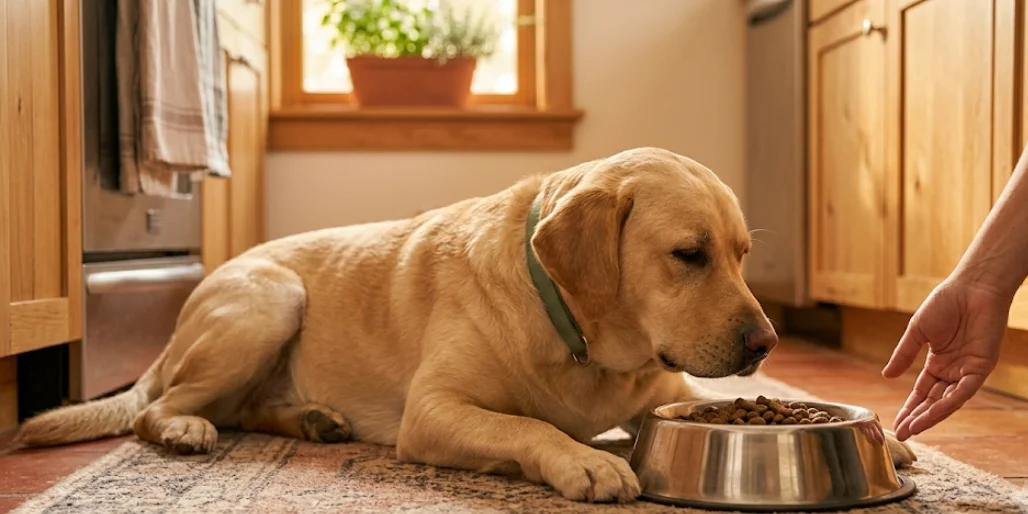
Food aggression in dogs is arguably the most common and often the first type of resource guarding behavior that dog owners notice in dogs who resource guard. This specific form of resource guarding involves a dog exhibiting aggressive behavior, such as a low growl, snarl, or even a snap, when someone approaches their dog’s food bowl or when they have a high-value treat. It’s a clear sign that the dog guards their food, and it’s important to understand this particular manifestation of a resource guarding problem to address it effectively.
Guarding of Toys and Other Valuables
Beyond food, dogs can also display resource guarding behavior over toys and other perceived valuables. This might involve a dog resource guarding a high-value chew toy, a blanket, or even an item they were guarding, like a stolen sock. When another dog or a human approaches, the dog may display warning signs like stiffening their body language or quickly snatching the item. This type of guarding behavior requires careful management to prevent resource guarding from escalating into more serious aggressive behavior.
Space and Human Guarding Behavior
Interestingly, resource guarding isn’t limited to inanimate objects; some dogs may exhibit guarding behavior over specific spaces, like their bed or a favorite spot on the couch, or even over their human companions. This human guarding behavior can be particularly challenging, as the dog may growl or act aggressively towards visitors or other family members when they get too close to the perceived “guarded” person. Understanding these signs of resource guarding is crucial for developing appropriate dog training strategies.
Preventing Resource Guarding
Early Socialization Techniques
Early socialization is a cornerstone in preventing resource guarding in dogs. By exposing puppies to a wide variety of people, environments, and other friendly dogs from a young age, you can help them develop confidence and reduce the likelihood of them feeling the need to resource guard. Positive experiences during this critical period can significantly reduce the potential for resource guarding issues, laying the groundwork for a well-adjusted dog.
Training Commands to Prevent Resource Guarding
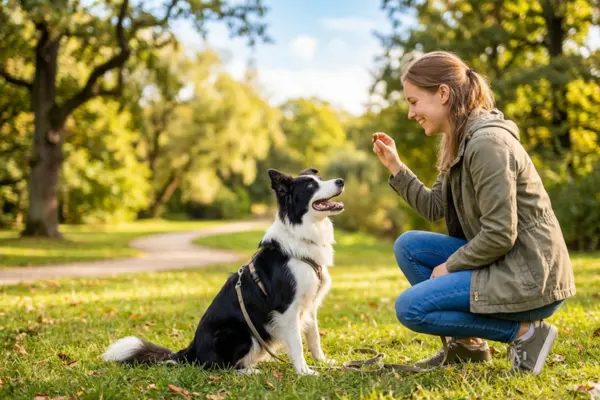
Implementing specific dog training commands can be incredibly effective in preventing and managing resource guarding behavior. Teaching your dog certain commands using positive reinforcement techniques empowers them to leave items they were guarding willingly without feeling threatened. This proactive approach helps to stop resource guarding by building trust and teaching the dog that good things happen when they cooperate, rather than resorting to aggressive behavior. Key commands to focus on include:
- “Leave it”
- “Drop it”
- “Stay” is an important command that can help prevent resource guarding and food aggression in dogs.
Creating a Safe Environment for Your Dog
Creating a safe and predictable environment is paramount to prevent resource guarding. Ensure your dog has designated, undisturbed spaces for eating and resting, perhaps using a baby gate to provide a private area, especially in multi-dog households where two dogs might compete. Consistently managing access to high-value items and avoiding situations where your dog feels the need to resource guard can significantly reduce the incidence of a resource guarding problem. Always give your dog their own space and respect their boundaries.
How to Stop Resource Guarding in Dogs
Behavior Modification Strategies
To effectively stop resource guarding and food aggression in dogs, behavior modification strategies are key. This involves changing your dog’s emotional response and their behavior around items they were guarding, particularly high-value ones. It’s not about punishing your dog for growling or displaying guarding behavior, but rather about teaching them a new, positive association with people approaching their resources. This takes patience and consistency, but it’s crucial for long-term success in addressing the resource guarding problem.
Using Positive Reinforcement
Positive reinforcement is the most effective and humane approach when dealing with resource guarding in dogs. When you approach your dog’s food bowl or a favorite toy, offer a high-value treat as you get near, then retreat. This teaches your dog that your presence means good things happen, rather than a threat to their possessions. By consistently using positive reinforcement, you can gradually reduce the need for your dog to resource guard and build trust — an approach strongly supported by the American Veterinary Society of Animal Behavior (AVSAB), which advises against confrontational or punishment-based methods for guarding behaviors specifically because they can escalate aggression.
Professional Help for Severe Cases
For more severe cases of resource guarding where a dog exhibits aggression, seeking professional help from a certified dog behaviorist or dog trainer is highly recommended. These experts can assess the specific triggers for your dog’s resource guarding behavior and develop a tailored dog training plan. They can help you understand your dog’s body language and teach your dog alternative behaviors, providing invaluable guidance to stop resource guarding in dogs safely and effectively.
Dealing with Aggression in Dogs
Understanding Aggression Related to Resource Guarding
Understanding aggression related to resource guarding is crucial for any dog owner. When a dog guards, their aggression stems from a perceived threat to their valuable items. This isn’t just a dog being “mean”; it’s a defensive reaction. Recognizing the signs of resource guarding, such as a low growl or stiff body language before a snap, helps you intervene safely and understand why your dog may be resorting to aggressive behavior.
Safety Measures for Owners
When dealing with a dog that guards, implementing safety measures is paramount to prevent resource guarding incidents. Always give your dog space when they have something they are guarding, and avoid reaching for their high-value items directly. Using a baby gate can help manage interactions, especially in multi-dog households where two dogs might compete. These precautions can prevent aggressive behavior and keep both humans and other pets safe, especially in situations where a dog is guarding a high-value item.
When to Seek Professional Help
Knowing when to seek professional help for resource guarding issues is vital. If your dog’s resource guarding behavior involves frequent or escalating aggression, such as snapping or biting, it’s time to consult a professional dog trainer or a veterinary behaviorist. These experts can provide comprehensive dog training strategies and behavior modification techniques to address the underlying causes of the resource guarding problem and help stop resource guarding effectively.
FAQ’s
Q: What is dog resource guarding and why does my dog resource guard?
A: Dog resource guarding is when a dog guards food, toys or space because they fear losing it. It’s a natural behavior rooted in resource scarcity instincts, not a sign your dog is “bad.” Causes can be past scarcity, genetics, or learned behavior. Understanding the cause helps decide whether management techniques or training are best.
Q: How can I tell if my dog has resource guarding vs normal behavior?
A: Watch dog body language: stiffening, growling, freezing, or “hard eyes” when a person approaches while the dog is eating or has something. Normal behavior might be eager protection that eases with distraction, while guarding dog behaviors escalate or cause snapping — that’s a red flag for behavior problems and potentially dangerous situations.
Q: What immediate steps should I take if my dogs who resource guard show aggression?
A: Safety first: confine other pets or people, avoid reaching for the guarded item, and don’t punish the dog — that can make things worse. Use management: feed separately, remove high value items when you can safely trade, and consider consulting a professional trainer or behaviorist if the dog is aggressive or the situation is potentially dangerous.
Q: Can I stop resource guarding at home with simple training techniques?
A: Yes, many dogs respond well to gradual training. Start by teaching a drop it cue and tossing the treat to create positive exchanges — show your dog that giving up an item results in something better. Practice “leave” and trade games with low value items, slowly working up to high value. Prevention is always easier, so set up management while training progresses.
Q: How do I teach him to drop or the drop it cue without making it worse?
A: Start calm: offer a higher-value treat while saying “drop it,” then take the item only after the dog drops it and reward immediately. Don’t grab or snatch — that can teach the dog to guard more. Gradually increase difficulty and practice regular, short sessions so the dog learns that giving up items earns rewards, not punishment.
Q: Are there tools or management techniques that help prevent resource guarding and food aggression?
A: Yes — feed dogs separately, use baby gates or crates to confine during meals, rotate high value toys, and supervise play. Management techniques reduce chances for conflict while you train. Also consider structured approaches like hand-feeding or controlled meal approaches so your dog learns you are a source of food, not a threat.
Q: When should I use a professional for dogs who resource guard?
A: If the dog snaps, bites, or shows escalating aggression, call a certified trainer or veterinary behaviorist. Professionals can assess cause guarding, create a tailored plan, and show you safe methods to teach the dog to drop, trade, and tolerate handling. They can also recommend when medical issues might be involved.
Q: Can watching a dog training video help me stop resource guarding in my dog?
A dog training video can be a helpful supplement for learning techniques and seeing correct body language, but don’t rely on videos alone for severe cases. Use videos that emphasize gradual reward-based training, safety, and management techniques. If your dog is guarding food being taken or shows dangerous signs, pair video learning with professional guidance.