Bringing home a new puppy is an exciting time, but it can also be a little stressful, especially if you already have an older dog. It’s not uncommon for your older dog to display behaviors that suggest “dog hates my new puppy.” This guide will help you navigate the initial stages of introducing a new pup to your household and ensure a smoother transition for everyone.
Understanding the Dynamics Between Your Older Dog and New Puppy
When you bring home a new puppy, the dynamics within your household are bound to shift. Your older dog has likely been the sole focus of your attention, and the arrival of a playful, energetic new pup can disrupt their established routine and sense of security. It’s crucial to understand that these changes are significant from your older dog’s perspective.
Why Your Adult Dog May Hate the New Puppy
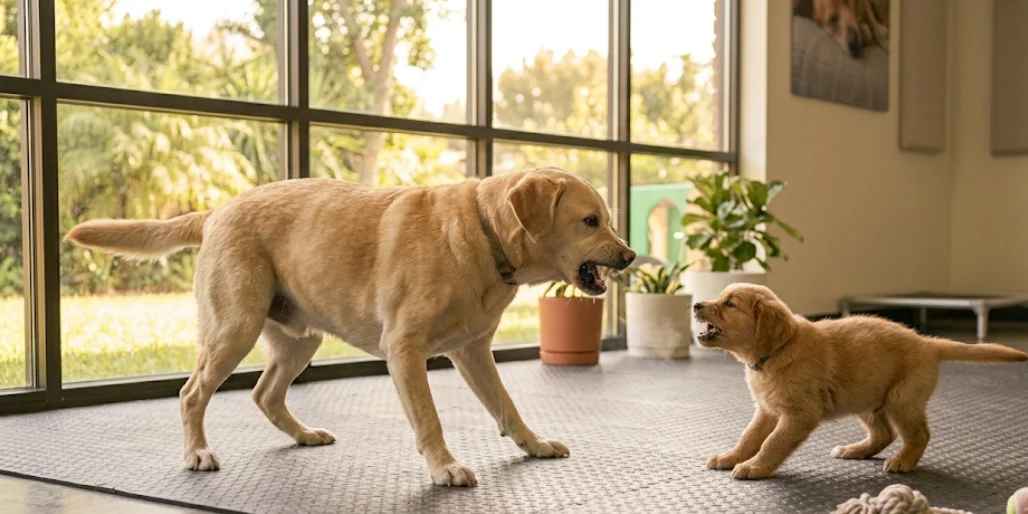
It’s completely normal for your adult dog to initially show signs of not getting along with the new puppy. Imagine being the king of your castle and suddenly a boisterous, week-old puppy invades your space, demanding attention and disrupting your peace. Your adult dog might perceive the new pup as a threat to their resources, territory, or even their relationship with you. This can manifest as your older dog not wanting to play or even outright avoiding the new dog.
Signs That Your Dog is Struggling to Adjust
When you bring a new puppy home, pay close attention to the normal dog communication signals your older dog is sending. Signs that your old dog is struggling can include growling, snapping, or trying to avoid the puppy entirely. If your older dog constantly retreats to another room, doesn’t want to be around the puppy, or displays body language that shows discomfort, it’s a clear indication that your adult dog hates the new puppy and needs space and your understanding to adjust.
The Importance of Canine Socialization
While your primary focus might be on the relationship between your older dog and the new pup, remember that canine socialization is vital for both dogs. Ensuring your new puppy has positive experiences with a variety of dogs, including your senior dog, sets them up for success. Similarly, making sure your older dog has positive interactions and doesn’t always feel overwhelmed by the puppy helps them adapt to the new family member.
Strategies to Help Your Dogs Get Along
Creating a Safe Space for the New Puppy
When you first bring home a new puppy, it’s really important to establish a safe and comfortable space just for them. This dedicated area, perhaps a crate or a sectioned-off room, gives your new pup a secure place to retreat to and rest without being constantly overwhelmed by the older dog. This helps the puppy feel more at ease and allows them to adjust to their new surroundings at their own pace.
Gradual Introductions and Positive Reinforcement
To help your dogs get along, always opt for gradual introductions, especially in the initial days after you bring home a new puppy. Keep them separated at first, and then introduce them for short, supervised periods, always ending on a positive note — an approach consistent with American Veterinary Society of Animal Behavior (AVSAB) guidance on gradual, reward-based introductions between resident and new pets.”
Monitoring Interactions and Body Language
It’s absolutely crucial to supervise all interactions between your older dog and the new puppy, especially in the beginning. Pay close attention to their normal dog communication and body language. If you see signs like a growl, a snap, or if your older dog tries to avoid the puppy, it’s time to intervene and give the older dog a break. This vigilance helps prevent negative experiences and ensures both dogs feel safe and respected.
Training Tips for a Smooth Transition
Using Commands to Establish Boundaries
When you bring home a new puppy, it’s essential to use commands to establish clear boundaries, especially for your older dog. This helps your older dog understand what’s expected of them around the puppy and reinforces their role as a well-behaved dog in the house. Consistent dog training with commands like “stay” or “leave it” can help manage interactions and prevent your old dog from feeling overwhelmed or showing signs that dog hates my new puppy.
When to Punish and When to Redirect
It’s really important to understand when to gently correct and when to redirect behavior, especially when your older dog and new pup are getting to know each other. If your older dog shows a slight growl or snap, instead of punishing, try to redirect their attention with a favorite toy or a positive command. Punishment can worsen the situation, making the older dog associate the new puppy with negative feelings, which is the last thing you want if you want them to get along.
Seeking Help from a Professional Trainer
If you find that your older dog hates your new puppy, or if their interactions are consistently tense, don’t hesitate to seek help from a professional dog trainer. A qualified trainer can assess the specific dynamics between your dogs and provide tailored dog training strategies to help them get along. They can offer invaluable insights into canine communication and help you navigate challenging behaviors, ensuring a smoother transition for your new dog.
Long-Term Solutions for a Harmonious Household
Maintaining Routine for Both Dogs
Bringing home a new puppy undoubtedly disrupts the established routine, but maintaining a consistent routine for both your older dog and the new pup is crucial for long-term harmony. Predictable feeding times, walks, and play sessions help both dogs feel secure and understand what to expect. This stability can significantly reduce stress and help your senior dog adjust to having a new dog around the puppy.
Engaging Them in Joint Activities
Once your older dog and new puppy are more comfortable with each other, gradually introduce joint activities to help them bond and get along. Short, supervised play sessions, walks together, or even shared training exercises can create positive associations between them. Always ensure that the activities are enjoyable for both the adult dog and the new pup, making sure your older dog still feels valued and isn’t just tolerating the new dog.
Understanding and Addressing Behavioral Issues
Even after the initial introduction, it’s important to continue observing your dogs for any ongoing behavioral issues. If your adult dog continues to show signs like “dog hates my new puppy” or if the new pup is overly boisterous, understanding the root cause is key. Addressing these issues proactively, possibly with the help of a dog trainer, ensures that any underlying tensions are resolved, leading to a truly harmonious household for all your canine companions.
FAQ’s
Q: My dog hates my new puppy — what should I do first?
A: Take a breath and don’t panic. Start slow: separate them at first, give your current dog a safe space, and introduce scents by swapping blankets so your dog can sniff the puppy’s mat. Reward calm behavior with treats and praise. If the dog growls or snarls, don’t force interaction — use supervised, short sessions and consider one-on-one attention for your older girl or old lab so she doesn’t feel replaced.
Q: Why does my dog hate my new puppy when the puppy is only a few weeks old?
A: Dogs can react to a week old puppy or young puppies because of jealousy, stress, or disrupted routines. Your dog doesn’t like the attention shift and may be cranky. Give extra one-on-one time, maintain current routines, and use controlled sniff introductions. Gradual exposure helps both dogs’ social skills and reduces tension over time.
Q: How do I keep the dog and puppy from fighting or the dog from trying to push the puppy away?
A: Act as a calm referee: supervise all interactions, keep them short, and step in if play gets too rough or the dog growls aggressively. Use leashes for initial meetings, reward peaceful behavior, and create separate playtime and feeding areas so each pup gets a chance to decompress. If needed, enlist a trainer for safe, great dog training techniques.
Q: Can I get advice on dogs to get if I already have a picky older dog?
A: Sure — consider temperament first. Some breeds like border collie or lab puppy energy levels may clash with a relaxed old lab. Look for a pup that complements your current dog’s energy: a mellow pup for a calm dog, or a playful pup if your dog still enjoys play. Meet prospective pups and observe how your dog reacts around a new puppy before committing.
Q: My dog doesn’t want to play with the new puppy — is that normal?
A: Totally normal. Some dogs don’t want to play right away and prefer to set boundaries. Let the puppy be a puppy and don’t force interactions. Offer separate playtime for each, and gradually encourage playful, supervised sessions. Giving each dog attention reduces rivalry and helps the pup get social skills without overwhelming your older dog.
Q: What if my dog growls or snaps at the puppy — is that aggressive or normal boundary setting?
A: Growling can be warning behavior (boundary setting) but snapping is more serious. If it’s brief and the dog then calms, it’s likely communicating limits. If snarling escalates or the puppy seems scared, separate them and consult a trainer. Use management tools like crates or baby gates to keep the puppy away during feeding or one-on-one times so things stay peaceful.
Q: How can I help my pup get social skills around puppies and older dogs?
A: Start with short, supervised meetups and reward calm interactions. Puppy classes and controlled playdates are great for socialization. Teach basic obedience to both dogs, use positive reinforcement, and let the puppy sniff and learn at their own pace. If your dog gets pushy, step in, redirect, and offer a calm timeout.
Q: Is it okay to give my current dog less attention when the puppy comes home?
A: Try not to — giving each dog attention is important. Keep some one-on-one rituals with your current dog like walks or training sessions so they don’t feel replaced. Even short, consistent activities help your dog decompress and accept the new pup without getting cranky or jealous.
Q: When should I get professional help if my dog hates my new puppy?
A: If biting, serious snapping, or continuous aggression happens, get a pro ASAP. A behaviorist or certified trainer can give tailored training advice, help set boundaries, and create a safe plan for adding a puppy. Don’t wait — early intervention helps dogs peacefully learn to live together.