Welcome to Pawandbreeds’ ultimate guide on how to train a Staffy! If you’re looking to unlock the full potential of your beloved Staffordshire Bull Terrier, you’ve come to the right place. Our comprehensive training guide is packed with insights and practical tips to help you foster a well-behaved and happy companion. Let’s dive into the world of Staffy training!
Understanding the Staffordshire Bull Terrier Breed
History and Origin of Staffies
The Staffordshire Bull Terrier, often called the Staffy, has a compelling history that begins in 19th-century England — see how they compare to other breeds in our comprehensive dog breeds guide. Bred from bulldogs and various terriers for pit work, these dogs developed notable strength, courage, and resilience.
Despite that harsh origin, the breed has been reshaped by generations of owners and breeders into a loyal, affectionate family companion. With consistent, positive reinforcement and early socialization, dog training Staffordshire Bull Terrier owners can reliably channel the Staffy’s energy and intelligence into well-mannered behavior, making them excellent pets for active households.
Physical Characteristics of Staffordshire Bull Terriers
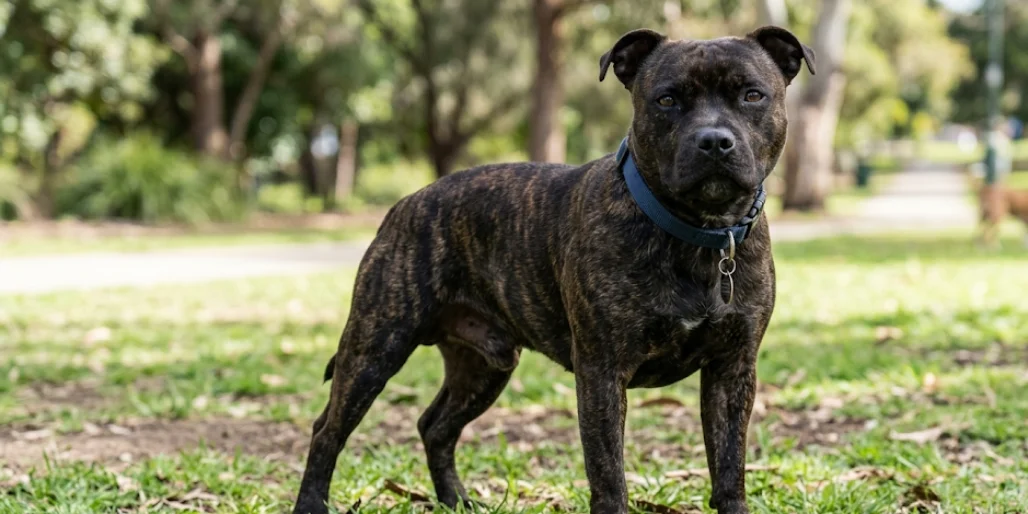
Staffordshire Bull Terriers are truly striking dogs, instantly recognizable by their robust and muscular build, which speaks volumes about their historical working background. These physical attributes are not just for show; they reflect the breed’s strength, agility, and the resilient spirit that Staffies are so well-known for.
| Feature | Description |
| Head | Broad |
| Muzzle | Short |
| Jaw | Powerful |
| Coat | Short, smooth, usually in a variety of colors |
Temperament and Behavior Traits
Despite their strong physical presence, Staffordshire Bull Terriers are celebrated for their affectionate, gentle nature—especially with children. These loyal companions form deep bonds with their families and thrive on human interaction. While playful and energetic, their spirited temperament makes early socialization and consistent dog training essential. Without proper guidance, a Staffy can become reactive or overly boisterous, which is why a solid training approach is so important.
Essential Training Tips for Your Staffy
Starting Early: Puppy Training Insights
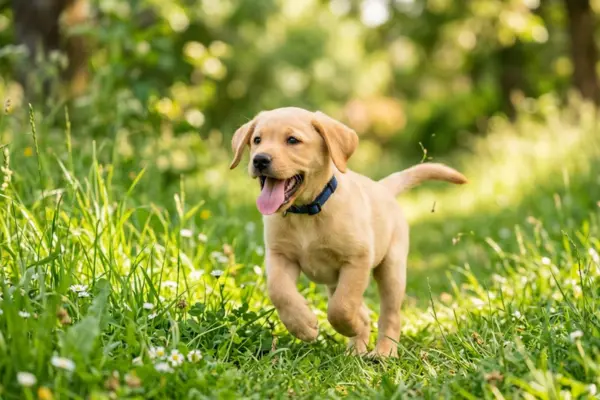
Starting early with puppy training is essential for dog training Staffordshire Bull Terrier owners. When you bring home a Staffy pup, begin teaching the basics right away—potty training, socialization and simple obedience commands. Early socialization helps Staffordshire Bull Terriers grow into well-adjusted adults, and consistent short training sessions reinforce good habits. A young Staffy is like a sponge, eager to learn, so use this prime time to build a strong bond and establish clear, positive routines.
Positive Reinforcement Techniques
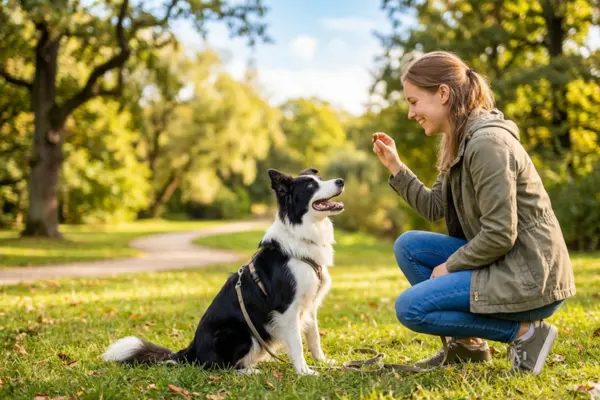
When it comes to training a Staffy, positive reinforcement is your best friend. This method involves rewarding your Staffordshire Bull Terrier for good behavior, making them more likely to repeat it. This approach builds trust and confidence, essential for a breed known for its affectionate temperament — a method strongly endorsed by the American Veterinary Society of Animal Behavior (AVSAB), which recommends reward-based training as the most humane and effective approach for all dog breeds.”
| Aspect | Description |
| Method | Positive Reinforcement |
| Rewards | Tasty treat, favorite toy, enthusiastic praise |
| Benefits | Fun and rewarding experience, builds trust and confidence |
Common Training Challenges with Staffies
While Staffies are intelligent, every owner needs to know that they can present some common training challenges. Their strong will and boundless energy can sometimes lead to them being reactive, especially if they haven’t had proper socialization. Leash pulling can be another common issue, requiring consistent training to teach your Staffy good leash manners. It’s important to be patient and consistent, as Staffies need training that addresses these specific breed traits. With the right training guide and dedication, you can overcome these hurdles and enjoy a well-behaved Staffordshire Bull Terrier.
How to Train Your Staffy Effectively
Setting Realistic Training Goals
When you start training your Staffy, setting realistic training goals is absolutely paramount. It’s vital to understand that every Staffordshire Bull Terrier is an individual, and while the breed is known for its intelligence, progress will vary. Don’t expect your Staffy to master complex commands overnight. Instead, break down your dog training into small, achievable steps. This approach ensures that both you and your Staffie remain motivated and prevents frustration. Celebrate every small victory, whether it’s a perfectly executed “sit” or a calm moment during a walk, as these build confidence and reinforce good behavior in your Staffordshire Bull Terrier.
Socialization for Staffordshire Bull Terriers
Socialization is a non-negotiable aspect of training a Staffy, especially given the historical context of the Staffordshire Bull Terrier breed. Early and consistent exposure to various stimuli is crucial to developing a well-adjusted and confident Staffie. A properly socialized Staffordshire Bull Terrier is less likely to be reactive or anxious in new situations, making them a joy to be around. This helps them understand appropriate interactions and contributes significantly to their overall positive temperament.
| Aspect of Socialization | Benefits |
| Early and consistent exposure to various people, places, and other friendly dogs | Develops a well-adjusted and confident Staffie |
| Taking your pup to different environments, enrolling in puppy training classes, and arranging supervised playdates | Less likely to be reactive or anxious in new situations |
Advanced Training Techniques for Staffies
Once your Staffordshire Bull Terrier has mastered the basics, you may be ready to move on to advanced dog training Staffordshire Bull Terrier techniques. Staffies thrive on mental stimulation, so teaching complex commands or fun tricks can be highly rewarding for both of you. Consider activities such as agility, advanced obedience, or scent work—these not only strengthen your bond but also provide a constructive outlet for their energy. Continue using positive reinforcement when introducing new challenges to keep training enjoyable and effective. With the right approach and guidance from Pawandbreeds, your Staffordshire Bull Terrier can keep learning and show just how capable the breed can be.
Help Training Your Staffordshire Bull Terrier
Resources and Tools for Training
Having the right tools makes dog training Staffordshire Bull Terrier easier and more effective. A sturdy leash and a comfortable harness help teach proper leash manners and reduce pulling. Crate training supports house-training and gives your Staffy a safe, calm den. High-quality treats and interactive toys are essential for positive reinforcement during sessions. Pair these tools with a clear training plan or guide to consistently reinforce good behavior from day one.
Finding Professional Help and Training Classes
Even the most dedicated owners sometimes need extra support, especially with a strong-willed Staffordshire Bull Terrier. A certified dog trainer can offer tailored strategies for issues like reactivity or excessive barking. Group puppy or obedience classes are valuable for socialization, letting your Staffy practice manners around other dogs and people. Investing in professional guidance ensures you use effective, breed-appropriate methods for dog training Staffordshire Bull Terrier.
Owner Needs to Know: Lifelong Learning for Staffies
Training a Staffy is an ongoing commitment, not a one-time task. Beyond puppy basics and obedience, continue to provide mental stimulation and regularly reinforce commands. Keep socializing your Staffordshire Bull Terrier and introduce new experiences to prevent boredom or reactivity. With patience, consistency, and continued learning, your Staffy will remain a well-adjusted, affectionate member of your family.
Conclusion
Recap of Training Insights
This guide on dog training Staffordshire Bull Terrier has covered the most important elements for raising a well-behaved Staffy. From understanding the breed’s unique temperament to using positive reinforcement and consistent socialization, the essentials are patience, routine, and a calm, confident approach. Start training early, vary your methods to keep sessions engaging, and address problems promptly but firmly. With these strategies, you can shape your Staffy into a loyal, affectionate companion that shows the best traits of the breed.
Why Choose the Staffordshire Bull Terrier Breed
Choosing a Staffordshire Bull Terrier brings an energetic, intelligent, and devoted dog into your home. Despite historical misconceptions, Staffies are renowned for their love of people—especially children—and their eagerness to please. They thrive on interaction, exercise, and consistent training, which makes them excellent family pets when given the right guidance and attention. If you want a robust, spirited companion that bonds closely with your household, a Staffy is a strong choice.
Join the Paw and Breeds Community
Thank you for exploring how to train your Staffordshire Bull Terrier with Pawandbreeds. Training is a continual process, and support from experienced owners and trainers makes a big difference. For more practical tips, breed information, and a community of passionate dog lovers, visit Pawandbreeds. Join us to continue building a stronger bond with your Staffy and unlock their full potential.
FAQ’s
Q: How do I start dog training when I first get a pup or staffie?
A: Start simple — set routines for potty training, feeding and sleep to help your pup settle. Use short daily sessions (5–10 minutes), focus on basic commands like sit and come, and use positive reinforcement-based training with treats and praise. Remember staffordshire terriers are intelligent, so consistent, fun practice pays off. Create a safe space for naps and don’t overwhelm them when you’re getting your staffy.
Q: What are the best training methods to train a staffy without being harsh?
A: Go for positive reinforcement-based training — reward wanted behaviours with treats, play or affection. Staffies respond much better to praise than punishment. Avoid dominance or shock tools; they can lead to fear or aggression. Proper training and socialise early helps prevent issues like pulling on the lead or becoming reactive when left alone.
Q: How can I socialise my staffordshire terrier pup with another dog and people?
A: Start slow and safe: introduce your staffie to calm, vaccinated dogs and friendly people in neutral places. Keep meetings short and positive, reward calm behaviour, and practice “leave it” and “come” so you can control interactions. Socialise across ages and dog breeds so your staffy learns good manners and is less likely to get stressed or join dog fighting scenarios.
Q: My staffie keeps pulling on the lead — how do I stop that during walks?
A: Teach loose-leash walking with reward-based training: stop moving when your staffie pulls, call them back, reward when the leash is slack, and repeat. Use short, frequent walks and practice at home. If your staffie is very strong, try a front-clip harness for control while you teach. Regular exercise also helps — these dogs were originally bred for activity and need outlets.
Q: How long does potty training usually take for a staffy pup and any tips?
A: Potty training varies, but many pups get the hang of it in a few weeks to a few months with consistency. Take your pup out after meals, naps and play; reward successful outdoor toileting immediately. Limit roaming in the house until they’re reliable and crate-train as a tool for setting boundaries — not punishment. Patience is key: staffy requires patience but are quick learners when routines are steady.
Q: Are Staffordshire Bull Terriers good with families and kids — what should owners know?
A: Yes, staffies are known for their loyalty and often do great with kids when properly socialised and taught boundaries. Supervise interactions and teach children dog-friendly behaviour. Remember that staffordshire terrier strength and energy mean regular training and exercise is important — teaching your dog basic commands and bite-inhibition early helps everyone stay safe and happy.
Q: What if my staffie gets anxious when left alone — how can I help them cope?
A: Gradual desensitisation helps: start by leaving for very short periods and slowly increase time away, reward calm behaviour, and give engaging toys or frozen treats. Build a safe space with familiar scents and a comfortable bed. Teach independence during your training journey so they don’t rely on constant attention — staffing requires patience but it can help prevent destructive behaviour when left alone.
Q: How do I know the difference between breed traits of a staffie and other dog breeds like the american pit bull terrier?
A: Learn your staffy’s background — staffordshire bull terriers are intelligent, muscular, and historically different from american pit bull terrier lines. Know your staffy’s temperament, energy needs and triggers. Proper training, socialise and responsible ownership matter more than labels; a good owner uses discover how to train approaches, seeks help from positive trainers, and focuses on safe, consistent care rather than stereotypes.