Here at pawandbreeds, we understand that bringing a new Bernese Mountain Dog puppy into your home is an exciting adventure! To help you along, we’ve put together this comprehensive Bernese Mountain Dog puppy training guide. We’ve also got a fantastic pillar page you might find useful: the ultimate dog breeds guide.
Understanding the Bernese Mountain Dog
Breed Overview
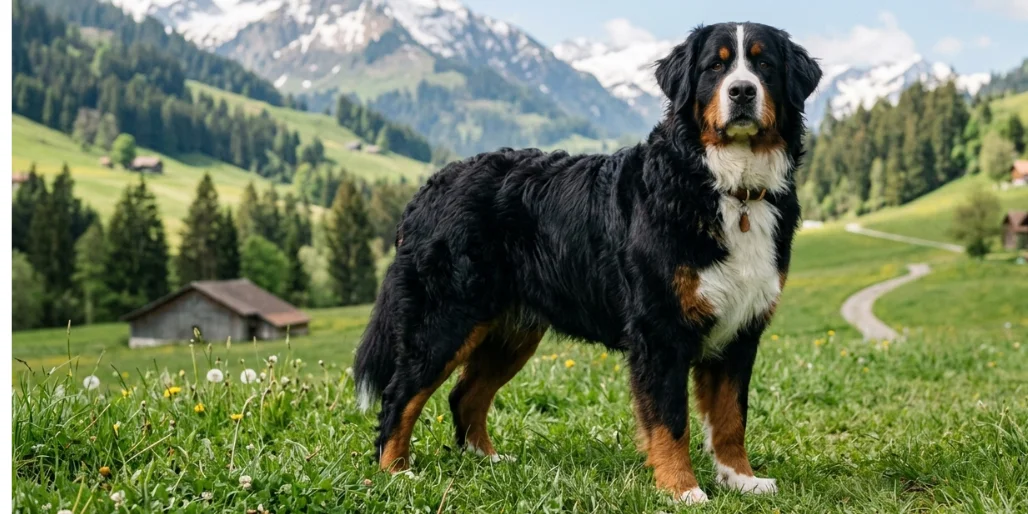
The Bernese Mountain Dog is a magnificent breed, originating from the Swiss Alps, known for its striking tri-color coat and calm disposition. Their thick, luxurious coat makes them one of the most recognizable fluffy dog breeds. If you love giant, cuddly companions, check out our guide to the best big fluffy dog breeds to discover other gentle giants that make wonderful family pets. These dogs were originally bred as farm dogs, performing various tasks such as driving cattle, guarding property, and pulling carts. Their robust build and intelligence make them excellent companions, but proper puppy training is essential for them to thrive in a family environment.
Temperament Traits
Bernese Mountain Dogs are generally known for their affectionate and gentle temperament. They are often described as “gentle giants,” displaying a calm demeanor and a deep love for their families. However, without early training and socialization, a Bernese Mountain Dog puppy can become timid or even stubborn. They thrive on companionship and and can develop separation anxiety if left alone too much.
Trainability of Bernese Mountain Dogs
Many people wonder about the trainability of Bernese Mountain Dogs. While they are intelligent and eager to please, they can also possess a stubborn streak, which can make training a Bernese Mountain Dog a unique challenge. However, with consistent positive reinforcement and patience, these dogs can be quite trainable. They respond well to praise and treats, making obedience training an enjoyable experience for both pup and owner.
Puppy Training Fundamentals
Here at pawandbreeds, we believe that establishing a solid foundation through effective puppy training is crucial for every Bernese Mountain Dog. We’re dedicated to helping you teach your dog to be a well-behaved and happy companion. Remember, a comprehensive dog breeds guide often highlights the importance of early training for breeds like Bernese Mountain Dogs.
Setting Training Goals and Milestones
When you’re training a Bernese Mountain Dog puppy, it’s really helpful to set clear goals and celebrate milestones along the way. Think about what you want your Berner to be able to do at three months old, six months old, and so on. This approach makes the whole process of teaching your dog feel less overwhelming and allows you to track progress in their obedience training.
Essential Commands to Teach Your Puppy
There are some essential commands that every Bernese Mountain Dog puppy should learn, like “sit,” “stay,” “come,” and “down.” These commands are not just about good behavior; they’re also vital for your pup’s safety and your peace of mind. Consistent practice in short training sessions will make these commands second nature for your affectionate Bernese Mountain Dog.
Positive Reinforcement Techniques
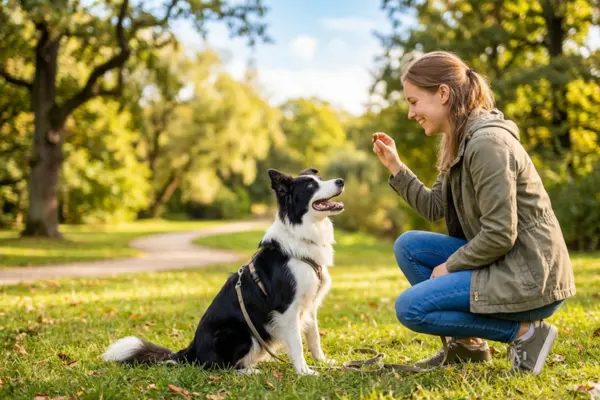
The most effective way to approach puppy training, especially with a breed as sensitive as a Bernese Mountain Dog, is through positive reinforcement. This means rewarding good behavior with a treat, praise, or a favorite toy. Your Bernese Mountain Dog puppy will be eager to please, and positive reinforcement training methods build trust and make learning an enjoyable experience for your pup.
Specific Training Tips for Bernese Mountain Dog Puppies
House Training Your Bernese Mountain Dog Puppy
House training your Bernese Mountain Dog puppy requires patience and consistency. Establish a regular schedule for potty breaks, especially after waking up, eating, and playing. Always go outside with your Bernese Mountain Dog puppy on a leash to ensure they do their business and offer plenty of praise and a treat when they succeed.
Chew Training and Managing Destructive Behavior
Bernese Mountain Dog puppies love to chew, and providing appropriate chew toys is key to managing destructive behavior. Redirect your pup to a designated chew toy if they start gnawing on furniture or other household items. This teaches them what is acceptable to chew and helps prevent damage to your home and keeps your Berner safe.
Socialization Strategies for Your Puppy
Early socialization is incredibly important for your Bernese Mountain Dog puppy to develop into a well-adjusted adult dog. Expose your pup to various sights, sounds, people, and other friendly dogs in a controlled and positive environment. This early training helps your Bernese Mountain Dog feel comfortable and confident in different situations, reducing the likelihood of timidness or aggression later on.
Working with Breeders and Professional Trainers
Choosing a Reputable Breeder
When you are looking for a Bernese Mountain Dog puppy, selecting a reputable breeder is absolutely crucial. A good breeder will prioritize the health and temperament of their Berners, conducting necessary health screenings for common breed issues like hip and elbow dysplasia — health testing that the American Veterinary Medical Association (AVMA) also recommends prospective owners ask about before committing to any breeder. They should be transparent about their breeding practices, allow you to meet the parents of the Bernese Mountain Dog puppy, and provide valuable insights into the breed. Avoid breeders who seem unwilling to answer your questions or rush the adoption process, as this can be a red flag.
When to Seek Professional Training Help
Sometimes, despite your best efforts with puppy training and using positive reinforcement, you might encounter challenges that require professional dog training help. If your Bernese Mountain Dog puppy is exhibiting persistent behavioral issues like excessive barking, aggression, or severe separation anxiety, it’s time to consult an experienced trainer. A professional can offer tailored training methods and strategies, especially for a breed that can sometimes be stubborn, ensuring your Bernese Mountain Dog receives the specialized guidance it needs.
Utilizing Dog Training Classes
Enrolling your Bernese Mountain Dog puppy in dog training classes can be incredibly beneficial for both of you. These classes provide a structured environment for socialization, allowing your Bernese Mountain Dog to interact positively with other dogs and people. They also offer guidance on obedience training from certified professionals, helping you refine your commands and reinforce good behavior. Plus, it’s a fantastic way to bond with your pup and continue the early training you’ve already started, making the Bernese Mountain Dog even more easy to train.
Ongoing Training and Grooming Needs
Maintaining Training Consistency
Consistency is key when it comes to the ongoing training of your Bernese Mountain Dog. Even after mastering basic commands, regular, short training sessions help reinforce good behavior and keep your pup mentally stimulated. Continue to use positive reinforcement, treats, and praise to reward your Bernese Mountain Dog for their obedience and eagerness to please. This consistent approach ensures that your Bernese Mountain Dog remains a well-behaved and happy companion throughout their life, building upon the early training milestones you’ve achieved.
Grooming Your Bernese Mountain Dog
Grooming your Bernese Mountain Dog is an essential part of their care, given their beautiful thick coat. Regular brushing, at least a few times a week, helps to prevent mats and reduce shedding, especially during seasonal changes. They will also need occasional baths, nail trims, and ear cleaning. Establishing a consistent grooming routine from a young age will make your Bernese Mountain Dog puppy more comfortable with the process, making it a positive experience for both of you.
Long-Term Training Goals
As your Bernese Mountain Dog matures, you might consider setting long-term training goals beyond basic obedience. This could include advanced obedience training, trying out dog sports like agility or carting, or even therapy dog work. Berners, with their gentle temperament and love to please, often excel in these areas. Continuing to challenge your Bernese Mountain Dog with new commands and activities keeps them engaged and strengthens your bond, ensuring they remain a well-rounded and delightful member of your family.
FAQ’s
Q: How soon should I start training a Bernese Mountain Dog puppy and when is the best time to start early?
A: Start as soon as you bring your pup home—often around 8–10 weeks old. Early socialization and basic commands set the tone. Use short, frequent sessions because puppies have a short attention span and need time to process new things. Also check with your vet about vaccinations and when it’s safe for public outings.
Q: What are the best positive reinforcement methods for training a Bernese Mountain Dog?
A: Use treats, praise, and play as rewards—Berners are people-pleasers so dogs love to please and respond well to positive reinforcement methods. Keep rewards consistent, reward small steps, and avoid harsh corrections. Clicker training works great if you want a precise marker for good behavior.
Q: How do I handle housebreaking and crate training for a Bernese Mountain Dog puppy?
A: Be consistent with schedule—regular meals, supervised play, and frequent trips outside help. Puppies generally need to go out every couple hours and after naps. Crate training is useful: make the crate comfy and never use it as punishment. Remember housebreaking takes patience—allow time to process and expect setbacks.
Q: When should I start leash training and how do I make walks enjoyable for a Bernese?
A: Start leash training the moment you bring your pup home—inside first, then short outdoor sessions once shots are up to date. Use treats and praise for loose-leash behavior. Berners grow fast and strong, so good leash training early prevents problems later. Aim for several short walks a day rather than one long, and avoid strenuous exercise while joints are developing.
Q: My Bernese seems shy and may become anxious around strangers—how can training help?
A: Gentle socialization is key—introduce new people, places, and sounds slowly and positively so your puppy builds confidence. Use calm praise and rewards; don’t force interactions. If anxiety persists, consult your vet or a trainer for tailored approaches because breed temperament plus early experiences both matter.
Q: Are Bernese Mountain Dogs good guard dogs and can training make them protective?
A: Berners can be alert and will let you know if something’s off, but they’re not natural guard dogs. Training can teach them to bark on cue or stay close, but avoid encouraging aggression. Focus on obedience and socialization—a well-trained Bernese is safer and more reliable around family and visitors.
Q: How much exercise does a Bernese puppy need and when can we go on long hikes?
A: Puppies need play and short walks a day—multiple short sessions rather than long strenuous hikes. Avoid long hikes or high energy activities until growth plates close (usually after about 12–18 months) to protect joints. Gentle play, mental stimulation, and controlled walks are best during growth.
Q: Any special health or training tips from AKC or vets for a Bernese’s joint health?
A: Yes—Berners are prone to joint issues, so follow vet guidance on exercise limits and nutrition. AKC resources recommend controlled exercise, weight management, and avoiding strenuous jumping when young. Regular vet checkups help catch joint problems early and keep your puppy on the right training and care plan.