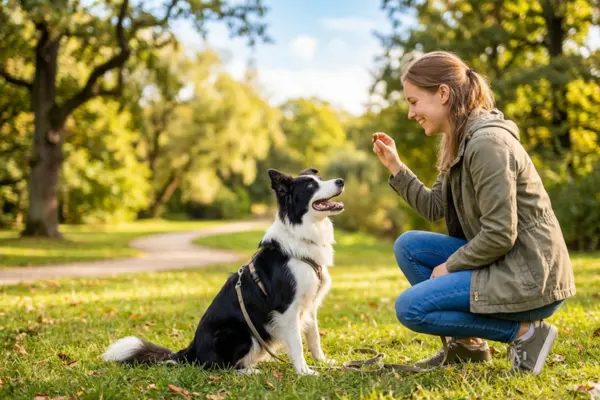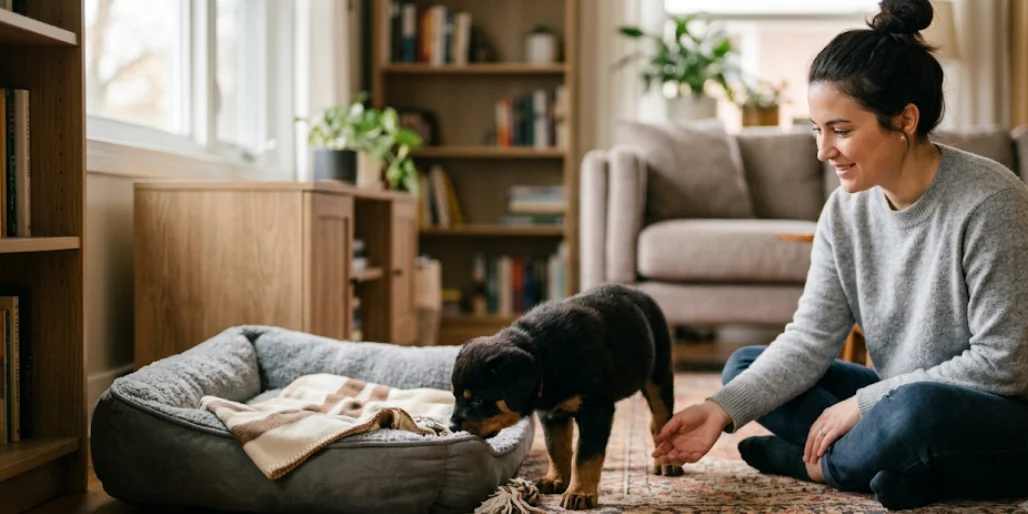
Welcome to PawandBreeds! If you’re looking for comprehensive insights into dog training, especially for your Rottweiler, you’ve come to the right place. Our detailed dog breeds guide, including this Rottweiler training manual, is designed to assist both new and experienced dog owners. We aim to provide the best training tips to ensure your Rottie grows into a well-behaved and cherished family member. Let’s delve into how to train a Rottweiler, ensuring you have a fulfilling experience with your loyal companion.
Understanding the Rottweiler Breed
Characteristics of Rottweilers
The Rottweiler is a truly impressive dog breed, known for its powerful build and striking appearance. Originating from Germany, these dogs were historically used for guarding and driving cattle and pulling carts for butchers — a working heritage formally documented by the American Kennel Club (AKC), which also recognises the Rottweiler as one of the most intelligent and versatile working breeds, including:
- Guarding and driving cattle
- Pulling carts for butchers
This working background means they possess a strong, sturdy physique and a deep-seated protective instinct. Rottweilers are muscular and robust, making them excellent working dogs, but also incredibly loyal companions when given proper training and socialization from a young age. Their intelligence and desire to please make them responsive to consistent training methods.
Temperament and Behavior
Rottweilers generally have a calm and confident temperament. They are often described as fearless and self-assured, which, combined with their protective instinct, makes them excellent guard dogs. However, their true nature is often gentle and loving, especially with their family. To nurture this positive side of their temperament, it’s crucial to provide:
- Early training
- Socialization
This ensures they are well-adjusted around strangers and other animals. Without proper training and socialization, a Rottweiler puppy might develop undesirable behaviors, highlighting the importance of starting early.
Why Choose a Rottweiler as a Pet
Choosing a Rottweiler as a pet means bringing a loyal, protective, and intelligent companion into your home. Their devotion to their family is unwavering, and they thrive on being part of daily activities. While their size and strength might seem daunting, a well-trained Rottweiler is a joy to have around, offering both companionship and a sense of security.
Rottweilers excel in various areas; for example:
- They excel in various dog sports and activities.
- They enjoy physical and mental challenges.
If you are prepared to commit to consistent training and socialization, owning a Rottweiler can be an incredibly rewarding experience.
Bringing Your Rottweiler Home
Preparing Your Home for a Rottweiler Puppy
Bringing a new Rottweiler puppy home is an exciting time, and at PawandBreeds, we want to help you make it as smooth as possible. Before your little Rottie arrives, it’s essential to prepare your home to ensure a safe and welcoming environment. This initial preparation is a crucial step in your dog training journey and lays the groundwork for effective Rottweiler training. Think about where your puppy will eat, sleep, and play, and make sure these areas are puppy-proofed to prevent any accidents or damage. Remember, early steps in setting up a secure space will contribute immensely to your puppy’s comfort and your peace of mind.
First Days with Your New Rottweiler
The first few days with your new Rottweiler puppy are incredibly important for building a strong bond and setting the stage for future dog training. During this time, focus on helping your puppy settle in and feel secure in their new surroundings. Introduce them to their designated potty area immediately and begin consistent potty training. Keep initial interactions calm and positive, using plenty of positive reinforcement. This period is also perfect for starting to socialize your Rottie with family members, laying the groundwork for more extensive training and socialization as they grow, ensuring they become a well-adjusted family dog.
Creating a Safe Environment
Creating a safe environment is paramount for your Rottweiler puppy’s well-being and is an ongoing aspect of responsible Rottweiler ownership. This means puppy-proofing your home by removing potential hazards, securing dangerous items, and designating a safe space where your Rottie can relax. A safe environment reduces stress for your puppy and allows you to focus on crucial dog training elements like obedience training without constant worry. Consistent training and supervision in a secure space will help your young Rottweiler develop confidence and good habits, making future training sessions much more effective.
Training Your Rottweiler
Basic Training Commands
Once your Rottweiler puppy is settled, it’s time to embark on obedience training, a cornerstone of effective dog training at PawandBreeds. We believe in starting early to teach your Rottweiler essential basic commands like “sit,” “stay,” “come,” and “down.” These commands are not just about showing off; they are fundamental for controlling your dog and ensuring their safety. Consistent training sessions, even short ones, will help your young Rottweiler grasp these concepts quickly. Remember, Rottweilers are intelligent, and they thrive on mental stimulation, so make these sessions engaging and positive.
Positive Reinforcement Techniques
When you train your Rottweiler, positive reinforcement techniques are your best friends. This means rewarding desired behaviors with treats, praise, or toys, which strengthens the association between the command and the action for your Rottie. Avoid harsh corrections, as these can damage your bond and make your Rottweiler fearful or resistant to training. Positive reinforcement makes learning enjoyable and and builds confidence in your dog, making them more eager to participate in future dog training activities. It’s about building trust and making your Rottie want to please you.
Common Training Challenges
Even with the best intentions, you might encounter some common training challenges when you train a Rottweiler. Issues like pulling on the leash, excessive barking, or selective hearing can be frustrating. For leash pulling, consistent training with a proper leash and harness, coupled with redirection and positive reinforcement, can work wonders. If your Rottie isn’t responding, it might be a sign to revisit previous lessons or even consult with experienced dog trainers. Patience and consistency are key to overcoming these hurdles, ensuring your Rottweiler dog becomes a well-mannered family dog.
Socializing Your Rottweiler
The Importance of Socialization
Socializing your Rottweiler is just as crucial as obedience training, if not more so, for developing a well-adjusted family dog. A properly socialized Rottweiler is confident, calm, and comfortable in various environments, around new dogs, and with different people. Without early and consistent training and socialization, your Rottweiler puppies might develop fear-based aggression or anxiety, which can lead to behavioral problems later on. This is about nurturing their natural temperament and protective instinct into a balanced and manageable trait, making them a joy to be around.
How to Socialize Your Rottweiler
To socialize your Rottweiler effectively, expose your puppy to a wide range of sights, sounds, people, and other dogs from a young age. Start training by taking your Rottie to dog-friendly parks, different stores, or even just for walks in busy areas. Always ensure these experiences are positive, using treats and praise to create good associations. Supervised playdates with other well-behaved new dogs are also excellent for teaching appropriate social skills. The more positive experiences your young Rottweiler has, the more confident and adaptable they will become.
Signs of a Well-Socialized Rottweiler
A well-socialized Rottweiler will display several positive signs. They will typically be calm and curious around strangers, rather than fearful or overly reactive. They should interact appropriately with new dogs, showing good manners and not displaying excessive aggression or timidity. A well-socialized Rottie will also adapt easily to new environments, taking new experiences in stride without becoming overwhelmed. These behaviors are a testament to consistent training and socialization, making your Rottweiler a proud representative of the breed and a truly beloved member of your family at PawandBreeds.
Advanced Rottweiler Training Tips
Obedience Training for Rottweilers
Once your Rottweiler has mastered the basics, it’s time to elevate their obedience training to a more advanced level. This means refining existing commands and introducing new, more complex ones that challenge their intelligence and focus. Advanced obedience training for Rottweilers often involves longer “stays,” precise heeling, and off-leash control, which is essential for the safety of your Rottweiler dog in various situations. Consistent training sessions, coupled with patience and positive reinforcement, will help your Rottie excel, further solidifying their role as a well-behaved family dog and a testament to good training methods.
Fun and Engaging Training Activities
Keeping your Rottweiler engaged in dog training means incorporating fun and stimulating activities that go beyond basic commands. Rottweilers thrive on having a “job,” so consider introducing them to dog sports like agility, flyball, or scent work. These activities provide excellent physical and mental stimulation, which is crucial for a breed with their intelligence and energy levels. Such engaging training sessions strengthen your bond, prevent boredom, and ensure your Rottie remains a happy, well-adjusted companion, showcasing the versatility of the breed.
Continuing Education for Your Rottweiler
Dog training is not a one-time event; it’s a lifelong journey, especially for a Rottweiler. Continuing education means regularly practicing commands, learning new tricks, and exposing your Rottie to novel experiences. Consider enrolling in advanced obedience classes or specialized training workshops to keep your Rottweiler challenged and to refine their skills. This ongoing commitment to their development helps maintain their good behavior, reinforces their training, and ensures they remain responsive and a joy to be around throughout their lives, highlighting the dedication of a responsible Rottweiler owner.
Conclusion: Owning a Rottweiler
Long-term Commitment and Care
Owning a Rottweiler is a profound long-term commitment that extends far beyond puppyhood. It requires dedication to their health, ongoing training, and consistent socialization throughout their lives. These powerful dogs thrive on routine, clear boundaries, and plenty of love and attention from their dog owners. A well-cared-for Rottweiler will reciprocate with unwavering loyalty and protection, becoming an invaluable member of your family. Remember, their well-being is a direct reflection of your continued care and proper training.
Resources for Rottweiler Owners
For current and prospective Rottweiler owners, a wealth of resources is available to support your journey. From reputable dog trainers and breed-specific clubs to online communities and veterinary specialists, tapping into these networks can provide invaluable advice and assistance. Websites like PawandBreeds offer comprehensive dog breeds guide and articles dedicated to Rottweiler training and care. Don’t hesitate to seek professional guidance for any training challenges or health concerns; responsible ownership means utilizing all available tools to ensure your Rottweiler thrives.
Final Thoughts on Rottweiler Training
In conclusion, training a Rottweiler is a rewarding experience that demands consistency, patience, and positive reinforcement. By understanding their unique temperament and protective instinct, implementing early training and socialization, and committing to lifelong learning, you can raise a magnificent and well-behaved family dog. The journey of Rottweiler training, though challenging at times, ultimately strengthens the bond between you and your loyal companion, ensuring they become a proud and beloved member of your household. For more dog training tips and guides, be sure to visit PawandBreeds.
FAQ’s
Q: How do I start to train a rottweiler puppy — when should training begins and what should I focus on first?
A: Start training as soon as you bring your rottweiler home — training begins in those first few days. Focus on puppy training basics: name recognition, potty habits, simple commands like sit and down, and leash training. Enroll in puppy socialization classes to expose your pup to people and other dogs — early socialization helps prevent a lot of training problems later. If you bought from a breeder, ask about the puppy’s early experiences so your training aligns with what the pup already knows.
Q: Are rottweilers easy to train or is this dog breed hard to handle for first-time owners?
A: Rottweilers are generally smart and eager to please, so many owners find them fairly easy to train when consistent. That said, a first-time rottweiler owner should expect specific training needs: clear leadership, consistent routines, and early socialization. A well-bred rottweiler with early training responds quickly, but without structure you’ll hit training problems like stubbornness or resource guarding.
Q: What’s the best way to teach your dog basic obedience — any specific training guide or methods for rottie training?
A: Use positive reinforcement as your main training guide — treats, praise, and short sessions work best. Pair this with clear cues and rewards for the behaviors you want. For rottie training, combine obedience work with mental stimulation and regular exercise. If you’re unsure, join training classes or hire a trainer who specializes in training rottweilers to get hands-on help with training techniques.
Q: How important is socialization and when should I enroll in puppy socialization classes?
A: Socialization is essential — it teaches your rottweiler how to be confident around people, dogs, and new situations. Enroll in puppy socialization classes as early as the vet says it’s safe (usually after first vaccinations). These classes reduce the chance of fear-based behaviors and make later dog training and public outings much easier.
Q: My rottie pulls on walks — what leash training tips work for Rottweiler dog owners?
A: Start leash training with short, frequent walks and reward loose-leash walking with treats or a favorite toy. Practice the “stop-and-go” or “change direction” technique so your rottweiler learns that pulling doesn’t get them where they want to go. A front-clip harness can help in early stages, and consistent practice during daily walks will fix this common training problem.
Q: Should I take training classes or can I do everything at home — when do I need help with training?
A: Many owners can teach basics at home using a training guide and online resources, but training classes accelerate progress and provide socialization. Consider professional help with training if you’re tackling aggression, resource guarding, or advanced obedience. For first-time rottweiler owners, a few sessions with a trainer familiar with the breed can prevent long-term issues.
Q: How do I handle stubbornness or bad behavior — are rottweilers naturally aggressive or just misunderstood?
A: Rottweilers are originally bred for work and protection, not aggression. Misunderstood behavior usually comes from poor socialization, inconsistent rules, or lack of training. Address stubbornness with clear expectations, consistent consequences, and reward-based training. If you face serious aggression, consult a behaviorist — training is essential and sometimes specific training plans are needed.
Q: Can I train a rottweiler myself using online resources, or do I need a well-bred rottweiler and breeder advice to succeed?
A: You can absolutely train a rottweiler yourself using quality online resources and a solid training guide, but advice from your breeder about the pup’s early handling and temperament helps. A well-bred rottweiler may have fewer genetic issues, but training is essential regardless of origin. Combine breeder tips, classes, and consistent home practice for best results.
Q: What long-term training plan should I follow — how does ongoing training differ from puppy training?
A: Ongoing training shifts from basic commands to maintenance, advanced skills, and real-world reliability. Keep sessions short and frequent, add impulse-control exercises, and continue social outings. Training rottweilers long-term means reinforcing good habits, addressing new training needs as your dog matures, and occasionally refreshing skills in training classes to prevent regression.