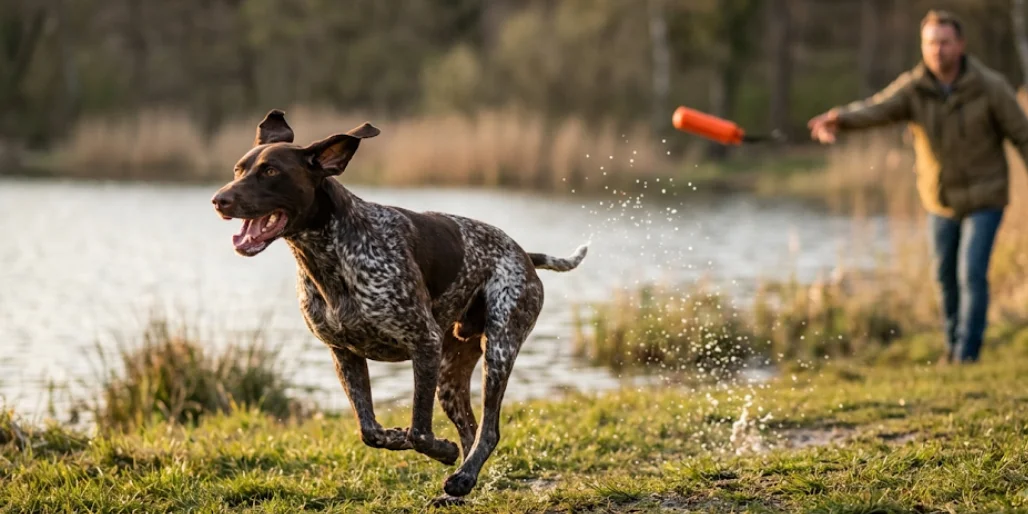
Welcome to mypawandbreeds, your ultimate resource for dog breeds! This comprehensive guide delves into the fascinating world of the German Shorthaired Pointer, a breed renowned for its versatility and spirited nature. We’ll explore the unique characteristics that make GSPs such remarkable companions and successful working dogs, offering insights into effective training methods. If you’re looking for a dog breeds guide, you’ve come to the right place to learn about the German Shorthaired Pointer and how to train them.
Introduction to the German Shorthaired Pointer
Overview of GSP Characteristics
The German Shorthaired Pointer, often affectionately called GSP, is a truly magnificent breed with a rich history as a hunting dog. Originating from Germany, this versatile pointer was developed to be an all-purpose gun dog, capable of pointing, retrieving, and tracking both on land and in water. GSPs are instantly recognizable by their athletic build, keen intelligence, and friendly, eager-to-please demeanor. They are known for their short, dense coats, which come in various shades of liver and white, making them quite striking. This breed is registered with the AKC, confirming its pedigree and recognized standards.
Why Train a German Shorthaired Pointer?
Training a German Shorthaired Pointer isn’t just a suggestion; it’s an absolute necessity for both the dog’s well-being and your peace of mind as a GSP owner. These dogs possess an incredible amount of energy and a powerful prey drive, which, if not properly channeled, can lead to destructive behaviors or an unruly canine. Effective GSP training, starting from when your GSP is a puppy, helps harness this inherent drive and intelligence, transforming your high-energy pup into a well-mannered companion. Without proper dog training, a GSP can quickly become a handful, proving too much energy for an unprepared household.
The Importance of Giving Your GSP a Job
Given the German Shorthaired Pointer’s heritage as a working hunting dog, it’s crucial to understand that they thrive when they have a purpose, when you give them a job to do. This breed was literally bred to work, whether it’s flushing out a pigeon, retrieving waterfowl, or tracking game. Providing your GSP with a job, such as participating in dog sports, regular fetch sessions, or advanced obedience training, offers essential mental and physical stimulation. A GSP that isn’t given an outlet for its energy and intelligence can quickly become bored and restless, often leading to undesirable behaviors. Engaging your GSP in meaningful activities will foster a happier, healthier, and more obedient companion, reinforcing the bond between you and your high-energy dog.
Effective Training Techniques for GSPs
Welcome back to mypawandbreeds, your ultimate guide to dog breeds! Now that you understand why training a GSP is so crucial, let’s dive into the practical aspects of effective GSP training. A German Shorthaired Pointer, being a high-energy dog with a strong prey drive, benefits immensely from consistent and positive training methods. Remember, the goal isn’t just to teach your pup tricks, but to build a strong bond and ensure your GSP grows into a well-behaved and happy companion. This next section of our dog breeds guide will help you get started with essential training techniques for your GSP.
Basic Obedience Commands
Starting with basic obedience commands is the cornerstone of any successful GSP training program. When your GSP is still a puppy, typically around eight weeks old, you should begin introducing simple commands. These include:
- “sit”
- “stay”
- “come”
- “down”
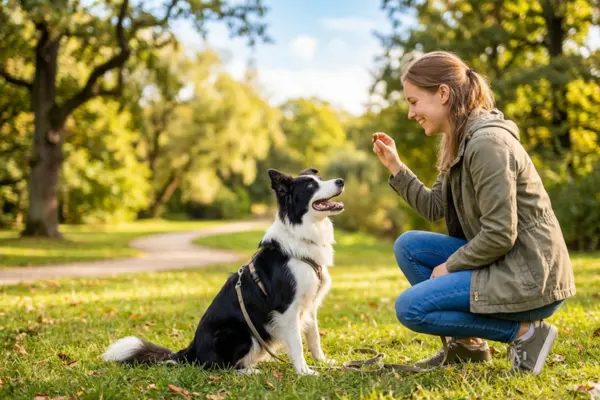
Use positive reinforcement, such as treats and praise, to make each training session a positive experience for your GSP pup. Consistent, short, five-to-ten-minute sessions several times a day are far more effective than one long, drawn-out session. This early exposure to obedience will lay the groundwork for more advanced training and help manage your high-energy dog as they grow.
Leash Training for Your GSP
Leash training is an absolute must for a German Shorthaired Pointer, given their strong prey drive and desire to explore. To begin, you should:
- Get your GSP puppy comfortable with wearing a collar and a lightweight leash for short periods around the house.
- Once they’re used to it, introduce short, controlled leash walks in a quiet area.
The key is to make leash walking a positive experience, using treats and praise to reward your pup for walking nicely by your side without pulling. If your GSP pulls, stop walking until the leash loosens, then continue. Consistency with leash training will make walks much more enjoyable for both you and your GSP.
Teaching Your GSP to Heel
Teaching your GSP to heel is an extension of leash training and is incredibly useful, especially for a high-energy dog like the German Shorthaired Pointer. The heel command means your GSP walks directly beside you, without pulling on the leash. Specifically, this involves:
- Your GSP typically walks on your left side.
- Their shoulder should be aligned with your leg.
To begin, start in a low-distraction environment. With your GSP on a leash, take a step forward, and if your pup stays in position, mark the behavior with a verbal cue like “heel” and reward them. If they wander, gently guide them back into position. Regular practice and positive reinforcement will help your GSP master this important obedience command.
High-Energy Activities for German Shorthaired Pointers
Welcome back to mypawandbreeds, your go-to source for dog breeds and all things GSP training! German Shorthaired Pointers, or GSPs, are renowned for their incredible energy levels. This isn’t just a casual observation; it’s a fundamental characteristic of the breed, rooted in their history as versatile hunting dogs. Providing sufficient physical exercise and mental stimulation is paramount for a happy and well-behaved German Shorthaired Pointer. Without adequate outlets for their energy, GSPs can become restless and even destructive. This section of our dog breeds guide will delve into high-energy activities that will not only burn off that excess energy but also strengthen the bond between you and your high-energy dog.
Engaging Your GSP with Dock Diving
Dock diving is an exhilarating sport that perfectly suits the German Shorthaired Pointer’s athletic build and love for water. Imagine your GSP launching themselves off a dock, soaring through the air, and splashing into the water to retrieve a toy! If you are interested in trying this out, the AKC Diving Dogs Program is a fantastic place to start looking for local events and title recognition. This activity provides immense physical exercise and mental stimulation, tapping into their natural retrieving instincts. Many GSP owners find that dock diving is an excellent way to channel their dog’s high energy. It’s a fantastic training session disguised as play, as it requires focus, drive, and obedience. Plus, it’s incredibly fun to watch your GSP excel at something they genuinely enjoy.
Swimming as a Rewarding Experience
Beyond competitive sports like dock diving, simply letting your German Shorthaired Pointer swim is a fantastic and rewarding experience. GSPs are natural swimmers, thanks to their webbed feet and water-resistant coats, making swimming an ideal activity for this high-energy dog. Whether it’s a lake, a pond, or even a dog-friendly pool, swimming offers a full-body workout that’s gentle on their joints, which is especially beneficial for growing GSP puppies whose growth plates are still developing. It’s a wonderful way to provide physical exercise, cool down on hot days, and provide mental stimulation as they explore the water. Always ensure safety, and never leave your GSP unsupervised near water.
Choosing the Right Activities for Your High-Energy Dog
Choosing the right activities for your German Shorthaired Pointer is crucial for their overall well-being. While dock diving and swimming are excellent options, consider other high-energy pursuits like agility, flyball, or advanced retrieve training. The key is to provide a variety of activities that offer both physical exercise and mental stimulation to keep your GSP engaged and prevent boredom. Observe your GSP pup to understand what they enjoy most, and tailor your activity choices accordingly. Remember, a tired GSP is a happy GSP, and a well-exercised high-energy dog is less likely to develop undesirable behaviors. Keeping your GSP active ensures they live their best life, as we always advocate for at mypawandbreeds.
Conclusion: Embracing the GSP Lifestyle
As we wrap up this comprehensive guide on my pawandbreeds, it’s clear that owning a German Shorthaired Pointer is an incredibly rewarding experience, but it also comes with specific responsibilities. This high-energy dog, with its strong prey drive and intelligence, thrives when properly trained and given ample opportunities for physical exercise and mental stimulation. From the moment you bring your GSP puppy home, consistent dog training, positive reinforcement, and engaging activities are crucial for shaping a well-mannered and happy companion. We hope this dog breeds guide has equipped you with the knowledge to embrace the GSP lifestyle fully.
Recap of Training Tips
To recap our GSP training journey, remember that consistency is key. We started with the importance of basic obedience commands, such as “sit,” “stay,” and “come,” which form the foundation of all future training. Leash training was emphasized as vital for managing a high-energy dog with a strong prey drive, followed by the specific technique of teaching your GSP to heel for better control during walks. We also explored high-energy activities like dock diving and swimming, ensuring your German Shorthaired Pointer receives adequate physical exercise and mental stimulation to prevent boredom and destructive behaviors. Every training session should be positive and rewarding for your GSP pup.
Final Thoughts for GSP Owners
For every GSP owner, remember that your German Shorthaired Pointer is more than just a pet; they are a dedicated and intelligent companion eager to please. Investing time in their training, providing sufficient physical exercise, and giving them a job, whether it’s through dog sports or advanced obedience, will lead to a fulfilling relationship for both of you. Embrace their high-energy nature and strong prey drive by channeling it into constructive activities. A well-trained and stimulated GSP is a joy to live with, a testament to the effort and love you pour into your pup.
Exploring More on Dog Breeds Guide
We hope this article has provided valuable insights into GSP training and the unique needs of the German Shorthaired Pointer. For those looking to dive deeper into the world of dog breeds, mypawandbreeds offers an extensive dog breeds guide with detailed information on various breeds, training tips, and expert advice. Whether you’re considering another high-energy dog or simply wish to expand your knowledge, our resources are designed to support every dog owner. Continue your journey with us to learn more about canine companions and how to foster their best selves.
FAQ’s
Q: What are the first things to focus on when you bring a new gsp home for dog training?
A: A new GSP needs structure fast — start training potty routines, crate or kennel habits, and basic commands like sit, come, and stay. If you have a month old puppy or an older “new gsp,” introduce the crate/kennel gently with kongs or puzzle toys so crate time feels good. Early socialization, short games of scent play, and consistent time training sessions set you up for a well-behaved dog.
Q: How do I teach basic commands to a german shorthair and why is it important for dog training?
A: Start with short, frequent sessions using high-value rewards (treats, praise, or a favorite toy). Use a long lead or check cord for reliable recalls when outdoors. GSPs are smart dogs and pick up basic commands quickly, but they need mental and physical exercise to stay engaged. Consistency and predictable cues make the difference — if you skip training, their hunting instincts can redirect into naughty behaviors.
Q: My gsp’s energy is crazy — what daily routine best suits their need a job and dog training?
A: GSPs need vigorous exercise and mental challenges every day. Combine long walks, canicross or running, scent games, fetch with a fishing pole-style flirt pole, and trick training. Puzzle toys, kongs stuffed with food, and short ability test-style drills will burn mental energy. A tired GSP is a well-behaved dog; without a job they’ll find one themselves (often destructive).
Q: How should I introduce a check cord, long lead, or choker during field training towards the bird?
A: Use a long lead or check cord for controlled exposure to wild birds or quail training. Start on neutral ground, reward calm focus, and use the lead to gently redirect if the dog lunges towards the bird. Avoid harsh corrections; choker collars can be used carefully by experienced handlers but are unnecessary for most owners. Gradual exposure plus recall practice makes the difference.
Q: Can I train a german shorthair that’s really smart but has never hunted before? How do I start training for birds?
A: Absolutely. Begin with basic obedience and scent games to develop focus. Introduce dummy or winged-style training with quail or decoys, rewarding the dog for nose work and steady behavior. Use ability test drills and short field sessions before full hunting exposure. Many gsp’s pick up bird work quickly because they’re bred for it — just progress at the dog’s pace.
Q: What do I do if my GSP gets overly fixated on wild birds or starts to bolt towards the bird during walks?
A: Stop and redirect using recall, treat rewards, or a tug with a favorite toy. Practice “leave it” and “come” as part of regular dog training; work on impulse control using scent games and time training. If needed, use a long lead during fieldwork until the recall is solid. Gradual desensitization to birds helps; don’t punish — redirect and reward calm behavior instead.
Q: How do I house-train a month old or older GSP puppy and handle potty training mistakes?
A: Establish a consistent schedule: frequent outdoor trips, especially after naps and meals. Crate training helps prevent accidents and teaches bladder control. Praise immediately for outdoor pottying and clean indoor mistakes with enzymatic cleaner. Short, regular dog training sessions and a reliable routine make potty learning faster for gsp puppies.
Q: Which toys and gear work best for keeping a GSP mentally stimulated outside of formal dog training?
A: Kongs, puzzle toys, scent-filled hides, and flirt poles (like a fishing pole toy) are great. Rotate toys to keep interest high and use interactive games to tire them mentally. For field practice, dummies and controlled releases toward decoys or quail can channel their instincts. Mental and physical exercise together prevent boredom and unwanted behavior.
Q: How do I choose a breeder or decide if my GSP needs an ability test, clipping, or added training like canicross?
A: Look for a breeder who supports training, temperament testing, and health clearances. If your gsp’s natural ability is strong, an ability test can guide targeted training; clipping (grooming) is a separate care task to keep coats manageable. Consider canicross if you both like running — it’s great exercise and strengthens dog and owner teamwork. Ask breeders about lines that suit your goals: hunting, show, or companionship.