Welcome to your ultimate resource for all things Cockapoo training! Here at pawandbreeds, we’re passionate about helping you raise a happy, healthy, and well-behaved Cockapoo. This guide is designed to provide invaluable insights and practical advice for every Cockapoo owner, whether you’re bringing home a new puppy or looking to refine your adult dog’s skills. We also have a fantastic dog breeds guide that you might find helpful.
Introduction to Cockapoo Training
The Importance of Training Your Cockapoo
Training your Cockapoo is absolutely crucial for their well-being and for fostering a strong, positive relationship between you and your beloved companion. Effective training helps prevent potential behavior problems and ensures your Cockapoo grows into a well-behaved and confident adult dog. Engaging in consistent dog training from an early age is one of the best investments a Cockapoo owner can make, leading to a harmonious household and a delightful pet.
Overview of Cockapoo Puppies
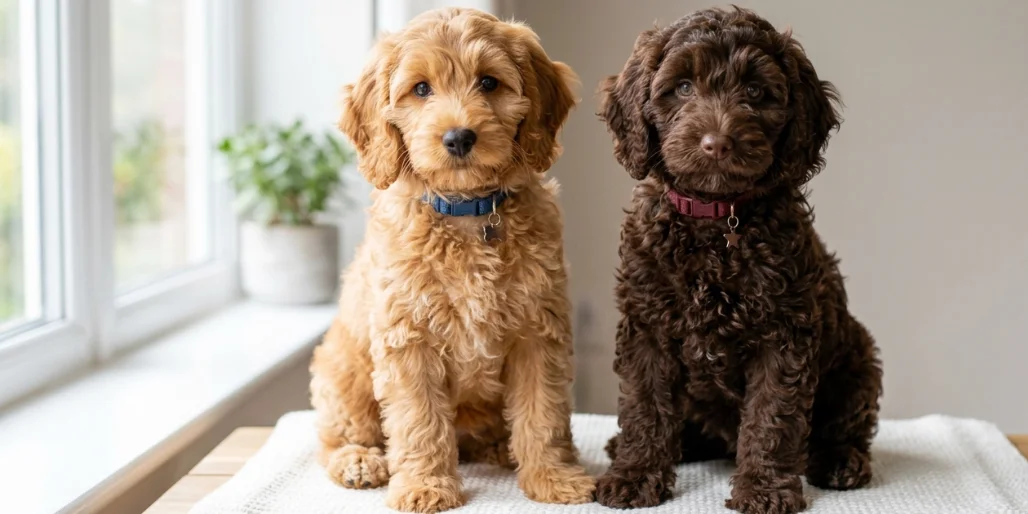
Cockapoo puppies are renowned for their intelligence and eagerness to please, which makes them generally receptive to dog training. These delightful designer dogs, a cross between a Cocker Spaniel and a Poodle, inherit wonderful traits from both breeds. If you’re still deciding whether those traits fit your household, our Cockapoo pros and cons guide breaks down what to expect before you commit. Early socialization is key for your Cockapoo pup, exposing them to various sights, sounds, and experiences to help them become a well-adjusted and confident adult.
Understanding Cockapoo Behavior Problems
Even the most adorable Cockapoo puppies can develop behavior problems if not properly trained and socialized. Common issues for this breed can include excessive barking, separation anxiety when left alone, and general disobedience. Understanding the root cause of these behavioral challenges is the first step towards implementing effective training solutions and ensuring your Cockapoo enjoys a happy and stress-free life.
Getting Started with Cockapoo Training
Essential Cockapoo Training Tips
Embarking on your Cockapoo training journey requires patience and consistency. Some essential Cockapoo training tips include starting early, keeping training sessions short and positive, and always ending on a good note. Using positive reinforcement, such as treats and praise, will motivate your pup and strengthen the bond with your Cockapoo. Remember, effective training builds confidence in your furry friend.
Creating a Training Schedule for Your Puppy
Establishing a consistent training schedule for your Cockapoo puppy is vital for success. Regular, short training sessions, ideally 5-10 minutes each, several times a day, are far more effective than long, infrequent ones. Integrate obedience training commands like “sit,” “stay,” and “come” into your daily routine, making learning a fun and natural part of your pup’s day.
Choosing the Right Training Methods
When choosing dog training methods for your Cockapoo, focus on positive reinforcement techniques. This means rewarding desired behaviors rather than punishing undesirable ones. Many dog trainers advocate for this approach as it strengthens the bond between dog and owner and encourages a willing participant. Consider group training classes for socialization and enrichment, or specific trick training to provide mental stimulation.
Basic Commands for Cockapoos
Teaching Sit and Stay
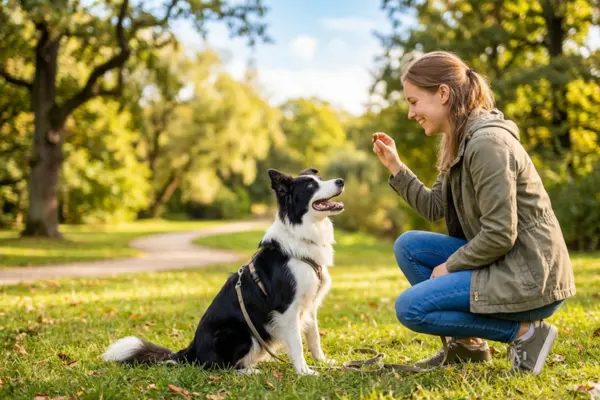
Teaching your Cockapoo “sit” and “stay” are foundational commands for any well-behaved dog and are crucial in any effective training. Start with short, positive training sessions, using high-value treats and praise as positive reinforcement. Lure your pup into a sit position by holding a treat above their head, then gently push down on their hindquarters if needed. Once they sit, say “sit,” reward them, and gradually extend the duration of the “stay” command, always building confidence.
How to Train a Cockapoo to Come
Training your Cockapoo to “come” is a life-saving command, especially important for their safety during off-leash play. Start in a quiet, distraction-free environment. Have your Cockapoo owner call your pup’s name enthusiastically, followed by “come,” and reward them with a treat and lots of praise the moment they reach you. Gradually introduce distractions and practice in different environments to solidify this essential skill in your dog training journey.
House Training Your Cockapoo
House training your Cockapoo requires patience and consistency, but it’s a vital part of raising a well-behaved puppy. Establish a regular potty schedule, taking your pup out frequently, especially after waking up, eating, and playing. Reward them immediately with praise and a treat when they eliminate outside. Crate training can be incredibly helpful for house training, as dogs are naturally reluctant to soil their sleeping area, making alone time easier.
Socialization and Cockapoo Training
The Role of Socialization in Training
Socialization is a critical component of Cockapoo training and a well-adjusted Cockapoo. Exposing your puppy to a variety of sights, sounds, people, and other dogs from an early age helps them develop a confident and calm temperament, reducing the likelihood of future behavior problems like excessive barking or fear-based aggression. Proper socialization builds confidence and is an essential investment for any Cockapoo owner.
Introducing Your Cockapoo to New Environments
Gradually introducing your Cockapoo puppy to new environments is key for successful socialization. Start with calm, controlled settings like a quiet park or a friend’s house, and slowly increase the novelty and stimulation. Always ensure these experiences are positive, using treats and praise to create positive associations. This helps your pup learn to adapt to different situations without becoming overwhelmed or developing separation anxiety.
Meeting Other Dogs and People
Facilitating positive interactions with other well-behaved dogs and people is vital for your Cockapoo’s social development. Supervised playdates with vaccinated, friendly dogs in a secure area can teach appropriate canine etiquette. Similarly, introduce your pup to a diverse range of people, ensuring these encounters are gentle and rewarding. These experiences contribute significantly to a well-rounded and friendly Cockapoo, making them a joy to be around.
Addressing Training Challenges
Dealing with Separation Anxiety in Cockapoos
Separation anxiety can be a significant challenge for any Cockapoo owner, often manifesting as excessive barking, destructive chewing, or house-soiling when your pup is left alone. To address this, gradually accustom your Cockapoo to your absence, starting with very short periods and slowly increasing the duration. Providing mental stimulation through puzzle toys and ensuring sufficient exercise before you leave can help alleviate their stress and build confidence.
Common Behavior Problems and Solutions
Beyond separation anxiety, other common behavior problems in Cockapoos can include leash pulling, jumping on guests, or even nipping. Consistent dog training, focusing on positive reinforcement, is key to overcoming these challenges. For leash pulling, practice loose-leash walking in quiet areas. For jumping, ignore the behavior until all four paws are on the floor, then reward with praise. Early socialization can also prevent many behavioral issues.
When to Seek Professional Help
While many Cockapoo training challenges can be addressed with patience and consistent effort from a dedicated dog owner, there are times when professional help is invaluable. If you’re struggling with persistent or severe behavior problems, consulting certified dog trainers or a veterinary behaviorist is highly recommended — the Association of Professional Dog Trainers (APDT) offers a searchable directory to help you find a qualified professional experienced in separation anxiety and behavior modification. They can offer tailored strategies and support to ensure your Cockapoo thrives.
Conclusion: Becoming a Successful Cockapoo Owner
Recap of Cockapoo Training Tips
Becoming a successful Cockapoo owner truly hinges on consistent and positive Cockapoo training. Remember to start early with your Cockapoo puppies, utilizing positive reinforcement for all desired behaviors. Prioritize socialization to ensure a well-adjusted temperament, and keep training sessions short and engaging. Building a strong bond with your Cockapoo through these effective training methods will result in a happy, well-behaved companion for years to come.
Resources for Further Learning
For those eager to deepen their understanding of dog training and become the best Cockapoo owner possible, numerous resources are available. Beyond this Cockapoo training guide, consider exploring reputable online dog breed guides, books on positive reinforcement techniques, and local group training classes. These can provide additional tips, enrichment opportunities, and even trick training ideas to further enhance your pup’s mental stimulation and obedience training skills.
Final Thoughts on Raising Happy Cockapoos
Raising happy Cockapoos is a journey filled with joy, challenges, and immense rewards. By committing to consistent dog training, early socialization, and a loving environment, you’ll foster a strong bond with your Cockapoo and ensure they grow into a well-behaved and confident member of your family. Remember, pawandbreeds is always here to support your journey as a Cockapoo owner, helping you create a fulfilling life with your beloved pup.
FAQ’s
Q: How does dog training for a Cockapoo pup differ from other breeds?
A: Cockapoos are poodle crosses and tend to be very trainable because cockapoos are intelligent and eager to please. Compared with some breeds, they respond well to positive, reward-based methods like free training games, nose work, and short obedience commands. Keep sessions fun and consistent, use treats to reward them with treats for good behavior, and remember they thrive on affection—so mix play and praise.
Q: What basic obedience commands should I teach my Cockapoo pup first?
A: Start with sit, stay, come, down and leave it. These core obedience commands set clear rules and help prevent destructive behavior. Use small tasty treats and praise, and practice in short sessions. If your pup is eager to please, training will go faster—just don’t skip socialise time so they learn manners around other dogs and people.
Q: My Cockapoo is so affectionate — how do I stop them from jumping on people?
A: Teach an alternative behavior like sit or reward calm when guests arrive. Ignore jumping and only give attention when all four paws are on the floor. Consistency is key: family and visitors must follow the same rule. If jumping continues, consider a professional trainer for tailored strategies, especially if the pup is highly affectionate and persistent.
Q: Are Cockapoos prone to separation anxiety and how can I prevent it?
A: Yes, Cockapoos can be prone to separation anxiety because they bond strongly. Preventing anxiety involves gradual alone-time training, leaving comfort items, and creating a calm exit routine. Nose work and interactive toys can distract them, and setting clear rules for departures reduces stress. If anxiety is severe, seek expert advice or a professional trainer.
Q: How important is socialisation for a Cockapoo pup and when should I start?
A: Start socialise sessions early, around 7–16 weeks, exposing them to people, other dogs, sounds and environments. Proper socialisation helps prevent fearfulness and aggression, and supports their trainable nature. Keep experiences positive and short—lots of treats and praise—and if you’re unsure, get expert advice to structure the process safely.
Q: My Cockapoo pup chews everything — is that normal and how do I stop destructive behavior?
A: Chewing is normal, especially during teething and boredom. Redirect destructive behavior by providing chew toys, rotate toys to keep interest, and use puzzle feeders or nose work to channel energy. Supervise closely and reward calm behavior. If chewing persists despite these steps, consult a professional trainer to rule out anxiety or medical causes.
Q: Can I groom and train my Cockapoo at home or do I need professionals because of the poodle mix?
A: You can do basic grooming and training at home—regular brushing, baths, and simple routines—because poodle crosses often have coats that need care but are manageable. For complex grooming (clips) or specialized behavioral issues, a professional trainer or groomer can help. Combining home training with occasional expert advice works well.
Q: Where can I find free training resources and when should I call a professional trainer?
A: There are tons of free training videos, community classes, and puppy social groups that offer free training tips. Use them for basics like potty training, sit, and recall. Call a professional trainer if your pup shows severe anxiety, aggressive behavior, or if basic methods aren’t working—especially since Cockapoos are trainable and often improve quickly with expert advice tailored to them.