Welcome to mypawandbreeds, your ultimate resource for dog breeds. Here, we’ll dive into the world of training your Irish Terrier, a truly special breed. If you’re looking for a comprehensive dog breeds guide, you’ve come to the right place.
Understanding Your Irish Terrier
History and Characteristics of Irish Terriers
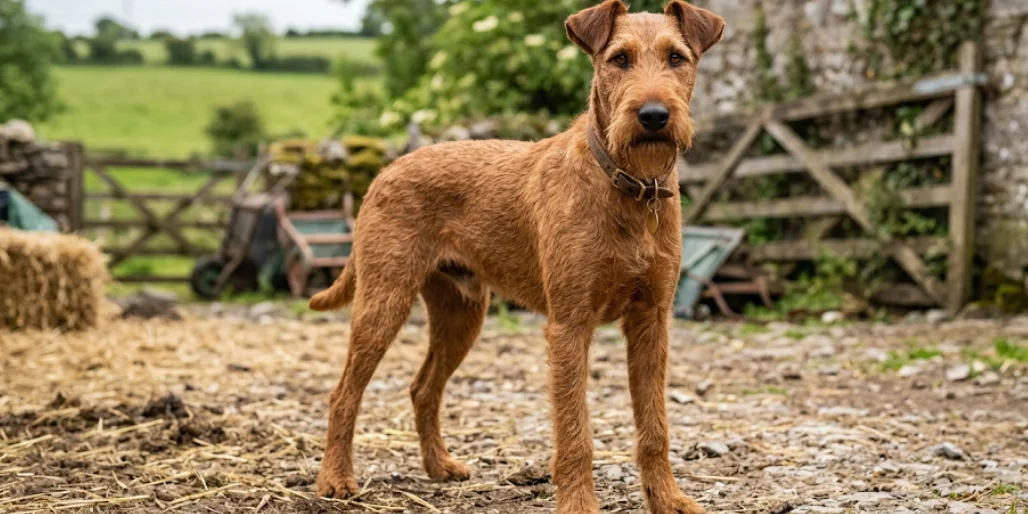
The Irish Terrier is a breed with a fascinating history, originally bred in Ireland as all-around farm dogs. These terriers were bred for their courage and versatility, able to hunt vermin and guard property with fierce determination. This breed possesses a distinctive wiry coat and a sturdy build, reflecting their robust nature. Understanding their working-class roots is key to successfully training an Irish Terrier, as it sheds light on their inherent drives and needs.
Temperament of Irish Terriers
Irish Terriers are renowned for their spirited and energetic temperament. They are incredibly intelligent and possess a lively disposition, making them both a joy and a challenge to train. While they are full of affection for their families, they also have a strong independent streak, characteristic of many terrier breeds. This combination means that training an Irish Terrier requires a firm, consistent, and positive approach to harness their intelligence and direct their boundless energy effectively.
Common Traits of Irish Terrier Puppies
Irish Terrier puppies are bundles of boundless energy and curiosity. From a young age, these puppies display the intelligence and independent nature that will define them as adults. They thrive on playtime, and early socialization is crucial to help them develop into well-adjusted dogs. It’s important to remember that training your Irish Terrier begins the moment you take your puppy home, laying the groundwork for future obedience and good household manners.
Getting Started with Training Your Irish Terrier
When it comes to training your Irish Terrier, mypawandbreeds recommends starting early and being consistent. These intelligent dogs thrive on routine and clear expectations. Remember, a well-trained Irish Terrier is a happy Irish Terrier, and this guide will help you achieve that success.
Choosing the Right Breeder for Your Irish Terrier
Selecting a reputable breeder is the first crucial step in welcoming a healthy and well-adjusted Irish Terrier puppy into your home. A good breeder will prioritize the health and temperament of their Irish Terriers, providing early socialization and essential information about the breed. They can offer invaluable insights into the Irish Terrier’s specific needs, helping you prepare for training an Irish Terrier.
Essential Training Techniques for Irish Terrier Puppies
Irish Terrier puppies are full of boundless energy, so early and consistent training is key to channeling their enthusiasm. Focus on positive reinforcement techniques, using treats and praise to reward desired behaviors. Basic obedience commands like “sit,” “stay,” and “come” should be introduced early on, making sure to keep training sessions short and engaging for your energetic puppy.
Setting Realistic Goals for Dog Training
Dog training, especially with a lively terrier breed like the Irish Terrier, takes time and patience. It’s important to set realistic goals and celebrate small victories along the way. Don’t expect your Irish Terrier to obey every command perfectly overnight. Consistency and regular practice are far more effective than trying to rush the process; enjoy training with your furry friend.
Advanced Training Tips for Your Irish Terrier
As your Irish Terrier matures, you can introduce more advanced training techniques to further refine their obedience and enrich their lives. These clever dogs enjoy learning new things and will thrive on challenges that engage their minds and bodies. Remember, the journey of training your Irish Terrier is ongoing.
Dealing with Behavioral Issues
Irish Terriers can sometimes exhibit common terrier traits like digging, chasing, or barking. Addressing these behavioral issues requires understanding the root cause and consistent intervention. For example, if your Irish Terrier likes to bark, teach them a “quiet” command. Enrolling in a training class or consulting with a professional trainer can be beneficial if you’re struggling.
Socializing Your Irish Terrier
Socializing your Irish Terrier is paramount for them to develop into a well-adjusted dog. Expose your puppy to various people, places, sounds, and other friendly dogs from a young age. Regular trips to the dog park, joining an Irish Terrier club, or simply taking your dog on walks in different environments can help them feel comfortable and confident in new situations.
Grooming and Care as Part of Training
Grooming your Irish Terrier, including brushing and occasional stripping of their wiry coat, should be introduced as part of their regular routine from a young age. This not only keeps their coat healthy but also teaches them to tolerate handling. Regular vet check-ups are also crucial, ensuring your Irish Terrier remains in top physical condition to enjoy training and playtime.
Maintaining a Healthy Lifestyle for Your Irish Terrier
Nutrition and Exercise for Irish Terriers
Ensuring your Irish Terrier maintains a healthy lifestyle is crucial for their overall well-being and continued trainability. A balanced diet, appropriate for their age, size, and activity level, is fundamental. Paired with plenty of exercise, this will help manage their energetic nature and prevent weight gain. Remember, Irish Terriers are intelligent and active, so they thrive when their minds and bodies are engaged through regular walks, runs, and engaging playtime.
Monitoring Your Dog’s Health
Regular monitoring of your Irish Terrier’s health is an essential part of responsible pet ownership. Routine vet check-ups are paramount for early detection of any potential health issues. Pay attention to changes in their appetite, energy levels, or behavior, as these can be indicators that something is amiss. Staying vigilant about their physical and mental well-being contributes significantly to a long and happy life with your beloved Irish Terrier.
Creating a Training Schedule
Establishing a consistent training schedule is vital for reinforcing good behavior and maintaining a strong bond with your Irish Terrier. Short, daily training sessions are often more effective than infrequent, long ones. Incorporate obedience commands, tricks, and even agility exercises to keep their intelligent minds stimulated. This routine will help your Irish Terrier understand expectations and solidify their learning, making everyday interactions smoother and more enjoyable.
Conclusion: Your Journey with Irish Terriers
Recap of Training Your Irish Terrier
Training your Irish Terrier is a rewarding journey filled with growth and companionship. We’ve covered everything from understanding their unique temperament as a spirited terrier breed to implementing essential training techniques and addressing behavioral issues. Remember that consistency, positive reinforcement, and patience are the cornerstones of success, ensuring your Irish Terrier becomes a well-behaved and cherished member of your household.
Resources for Irish Terrier Owners
For those looking to deepen their understanding and connection with their beloved pet, numerous resources are available for Irish Terrier owners. Joining an Irish Terrier club, like the Irish Terrier Club of America, can provide invaluable support and a community of like-minded individuals who understand the breed’s unique temperament and training needs. Additionally, reputable trainers and a comprehensive dog breeds guide can offer further insights into this wonderful breed, helping you navigate any challenges that may arise.
Final Thoughts on Dog Breeds Guide
As we conclude this dog breeds guide, remember that the journey of owning and training an Irish Terrier is an ongoing adventure. Mypawandbreeds is dedicated to providing you with the best information to ensure a happy, healthy relationship with your dog. By applying the tips and insights shared, you’re well-equipped to enjoy many fulfilling years with your intelligent and loyal Irish Terrier, a truly exceptional companion.
FAQ’s
Q: How do I start to train your dog when I bring home a small puppy Irish Terrier?
A: Start early with gentle, everyday training. At around 8–12 weeks you can begin short sessions—keep the lessons short so the small puppy doesn’t get bored. Focus on basic cues (sit, come, paw) and lots of positive reinforcement like praise and cuddles. Early exposure to sounds, people and another dog helps your Irish terrier grow into a confident, trainable and loving member of the family.
Q: How can I use a crate or kennel without making my Irish Terrier anxious?
A: Treat the crate or kennel as a comfy den, not a punishment. Introduce it slowly with toys and treats so the puppy associates it with nice things. Don’t restrain for long periods—build up slowly so your terrier can handle being left alone without becoming possessive or nuisance barking. A vet or kennel club guide can help set safe time limits, especially for a small puppy.
Q: What should I do if my terrier starts to chew everything as the puppy grows?
A: Chewing is normal—terriers need to explore and relieve teething. Provide safe chew toys and rotate them to prevent boredom. Discourage chewing on furniture or shoes by redirecting to appropriate items and rewarding good choices. If chewing becomes obsessive or destructive, talk to your veterinarian to rule out medical or anxiety issues.
Q: How do I keep training sessions effective when my Irish Terrier will get bored easily?
A: Keep lessons short, fun and varied. Mix obedience, puzzle toys, and quick tricks so your canine doesn’t lose interest. Set goals for each session and stop while your terrier is still excited—end on a high note. Frequent short sessions are better than long ones, especially for energetic and muscular breeds like Irish terriers.
Q: Are Irish Terriers easy to train around other dogs and how do I introduce them?
A: Irish terriers are trainable but can be bold and possessive. Use controlled, calm introductions with another dog and reward good behavior. Early exposure helps; socialization classes or guided meet-ups through a kennel club are great. Supervise interactions until you trust their behavior to avoid nuisance fights or chasing small animals like a rat.
Q: How do I handle grooming and trimming for a terrier that hates being touched?
A: Start grooming early and make it a relaxed routine—short sessions, treats and praise. Teach your terrier to accept paw handling, trimming and brushing gradually. If they resist, take breaks and consider professional groomers experienced with terriers. Regular handling reduces stress as the puppy grows older and makes vet visits easier.
Q: Can I leave an Irish Terrier alone in a crate for long periods, and how do I prevent separation issues?
A: Don’t leave them restrained for too long—small puppies need frequent breaks. Build independence gradually: short alone times, then slowly increase. Provide safe toys, a comfy crate, and a predictable routine. If your terrier becomes anxious or destructive when left alone, consult a veterinarian or trainer for separation training strategies.
Q: What training goals should I set to make my Irish Terrier a well-behaved, loving member of the family?
A: Set clear, achievable goals—house training by 12 weeks, basic obedience (sit, stay, come), polite leash walking, and social skills with people and other dogs. Use consistent rules across the family so the terrier understands boundaries. Celebrate small wins and remember that patience turns a stubborn but trainable dog into a loving member of the family.
Q: My terrier is very alert and sometimes chases small animals—how do I discourage that instinct?
A: Teach reliable recall and use controlled off-leash training only in safe areas. Discourage chasing by rewarding attention with treats and redirecting when you spot a rat or squirrel. Build impulse control with games and short training exercises. If prey drive is strong, work with a trainer to manage behavior so your terrier remains safe and well-behaved.