Welcome to Pawandbreeds, where we’re diving deep into the world of Poodle training! If you’re a new Poodle owner or considering bringing one of these fabulous pups into your home, you’re in for a treat. Poodles are renowned for their intelligence and charm, but like all dogs, they benefit immensely from proper training. This guide will walk you through everything you need to know to train a Poodle puppy, ensuring your furry friend grows into a well-behaved and happy companion.
Understanding the Poodle Breed
Before you embark on your Poodle training journey, it’s incredibly helpful to understand the unique characteristics of this intelligent dog breed. Knowing what makes a Poodle tick will allow you to tailor your training methods effectively, fostering a stronger bond and making the entire process more enjoyable for both you and your pup. We have a comprehensive dog breeds guide on our pillar page if you want to learn more about different breeds.
Characteristics of Standard Poodles
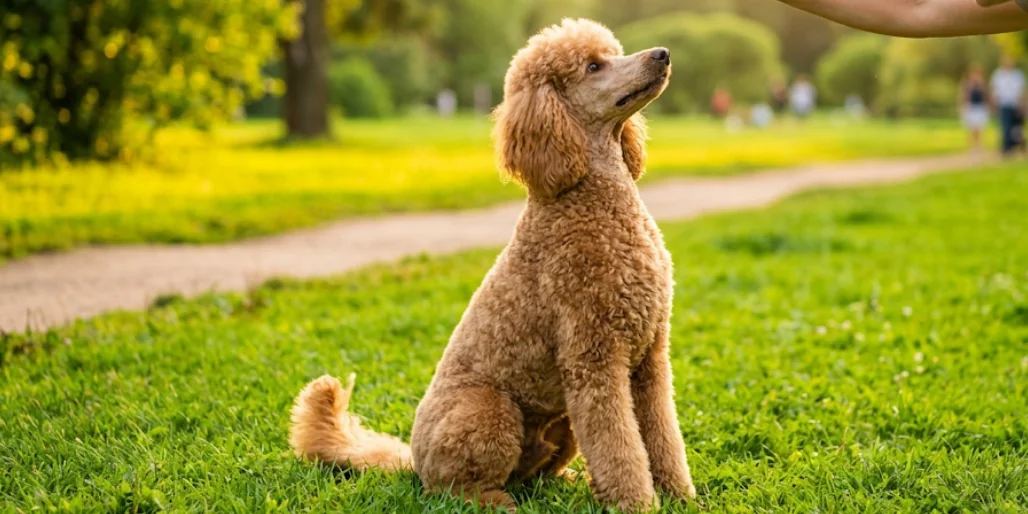
Standard Poodles are truly remarkable dogs, known for their elegance, athleticism, and sharp minds. They are often considered one of the smartest breeds, making them incredibly capable of learning a wide array of commands and tricks. Their high intelligence means they excel in obedience training and can grasp new concepts quickly, often surprising first-time Poodle owners with their eagerness to please and understand. These dogs also possess a playful spirit and a strong desire for companionship.
Why Choose a Poodle Puppy?
Choosing a Poodle puppy is an excellent decision for many reasons, especially if you’re looking for an intelligent and highly trainable companion. Their reputation as an intelligent dog makes them relatively easy to train compared to some other breeds, responding well to positive reinforcement and consistent guidance. Poodles thrive on mental stimulation and human interaction, making them ideal pets for active families or individuals who are committed to engaging in regular training sessions. Their ability to adapt and learn good behavior quickly is truly impressive.
Mini Poodles vs. Standard Poodles
When considering a Poodle, many future owners ponder the differences between Mini Poodles and Standard Poodles. While both share the same inherent intelligence and graceful demeanor, their size is the most significant distinction.
| Characteristic | Standard Poodle | Mini Poodle |
| Size | Much larger, more substantial | More compact option |
| Suitability | Suitable for active lifestyles |
Regardless of size, both variations are intelligent dogs that respond exceptionally well to consistent dog training, making either an excellent choice for dedicated Poodle owners.
Essential Poodle Training Tips
Starting Early: Training Your Poodle Puppy
Starting early is absolutely crucial when it comes to training your Poodle puppy. The sooner you begin, the more receptive your Poodle pup will be to learning good behavior and understanding your expectations. At Pawandbreeds, we emphasize that consistent and early dog training sets the foundation for a well-adjusted and obedient companion. A young Poodle puppy is like a sponge, eager to soak up new information and establish routines, making early training one of the most effective Poodle training tips you’ll receive. This initial period is when your Poodle will learn what is and isn’t acceptable.
Positive Reinforcement Techniques
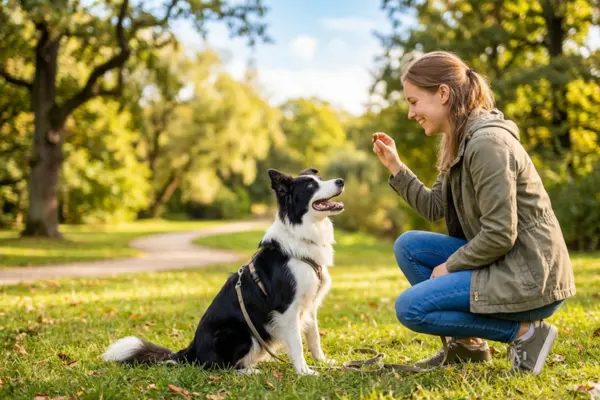
When you train a Poodle, employing positive reinforcement techniques is incredibly effective because Poodles are intelligent dogs and respond wonderfully to encouragement. This dog training method focuses on rewarding desired behaviors with treats, lots of praise, or favorite toys, making the learning process enjoyable for your Poodle. Rather than scolding, which can be counterproductive, positive reinforcement encourages your pup to repeat good behavior because they associate it with positive outcomes. This approach strengthens your bond and makes your Poodle eager to learn and please, contributing to excellent obedience.
Common Training Mistakes to Avoid
Even the most dedicated Poodle owners can sometimes make common training mistakes, which is why it’s important to be aware of them. For effective dog obedience training, avoid:
- Inconsistency; Poodles learn best when commands and expectations are consistent across all family members.
- Becoming frustrated or using punishment, which can scare your Poodle and hinder their learning process, making them less likely to behave.
- Overly long sessions, as Poodle puppies have short attention spans. Keep training sessions brief, positive, and engaging to ensure your smart dog stays motivated.
Teaching Your Poodle to Behave
Socialization with Guests
Teaching your Poodle to behave when guests arrive is a vital part of their socialization and overall good behavior. Introduce your Poodle puppy to new people and situations gradually and positively, ensuring these encounters are pleasant. Reward calm behavior and gentle interactions with lots of praise and treats. This helps your Poodle associate guests with positive experiences rather than fear or overexcitement. Proper socialization early on will help your intelligent dog develop into a confident and well-mannered companion, comfortable with new faces and situations, which is key for any Standard Poodle.
Basic Commands Every Poodle Should Know
Every Poodle, regardless of whether it’s a Miniature Poodle or a Standard Poodle, should know basic commands. These commands are not only foundational for obedience but also crucial for your Poodle’s safety and your peace of mind. Some of the essential commands include:
- “Sit”
- “Stay”
- “Come”
- “Leave it”
Consistent dog training, utilizing positive reinforcement, will help your Poodle learn these commands quickly. These basic commands are the building blocks for more advanced training and help your Poodle understand boundaries and respond reliably to your cues, reinforcing that your Poodle is a smart dog and capable of learning.
Advanced Training for Well-Trained Poodles
Once your Poodle has mastered the basic commands, you can move on to advanced training for truly well-trained Poodles. This could involve more complex tricks, agility training, or even specialized tasks, showcasing just how intelligent Poodles are. Advanced Poodle training helps to keep their sharp minds stimulated and prevents boredom, which can sometimes lead to unwanted behaviors. Continuing to challenge your Poodle puppy with new learning opportunities will not only strengthen your bond but also highlight the impressive capabilities of this smart breed, turning your pup into an exceptional companion.
Maintaining Training Consistency
Setting a Routine for Your Poodle
Setting a consistent routine is paramount when you train a Poodle, especially for a Poodle puppy. Poodles, being intelligent dogs, thrive on predictability, and a structured daily schedule helps them understand what’s expected. Establish regular times for feeding, potty breaks, play, and training sessions. This consistency in your training method helps your Poodle learn and retain good behavior more effectively, reducing anxiety and improving overall dog obedience training. A clear routine will also make potty training much easier for your pup, solidifying their understanding of where and when to relieve themselves.
Incorporating Training into Daily Life
To ensure lasting results, it’s essential to incorporate Poodle training into your Poodle’s daily life rather than just limiting it to designated sessions. For example, practice “sit” before meal times or “stay” before going out for a walk. This constant reinforcement helps your Poodle generalize commands and understand that obedience is expected in various situations. Such an approach makes the training process seamless and more effective, reinforcing good behavior as a natural part of their day. This continuous engagement helps your smart dog to behave better and makes your training tips more impactful.
Monitoring Progress and Adjusting Techniques
As you train your Poodle, it’s crucial to continuously monitor their progress and be prepared to adjust your training techniques as needed. Every Poodle puppy learns at their own pace, and what works for one might not work for another. Pay attention to your Poodle’s body language and responses during training sessions. If your pup is struggling with a particular command, try a different approach, perhaps breaking it down into smaller steps or using a different type of positive reinforcement. This adaptability ensures that your intelligent dog remains engaged and continues to learn effectively.
Conclusion: The Journey of Training Your Poodle
Celebrating Your Poodle’s Achievements
The journey of training your Poodle is filled with small victories and significant milestones that deserve to be celebrated! Acknowledging your Poodle’s achievements, no matter how small, reinforces their good behavior and motivates them to continue learning. Whether it’s mastering a new trick, behaving calmly when guests arrive, or achieving perfect potty training, showering your Poodle with lots of praise, treats, and affection will solidify their understanding and boost their confidence. Celebrating these successes strengthens your bond and makes the entire dog training experience more rewarding for both of you.
Resources for Ongoing Training
Even after your Poodle has mastered basic obedience, the learning doesn’t have to stop! There are numerous resources available for ongoing Poodle training, from advanced obedience classes to agility training and even specialized dog activities. Utilizing these resources can keep your intelligent dog mentally stimulated and physically active, preventing boredom and promoting a well-rounded lifestyle. Online communities, Professional trainers and books can provide additional training tips and support — the Association of Professional Dog Trainers (APDT) offers a directory to help you find a certified trainer experienced in working with intelligent, high-drive breeds like Standard Poodles. Remember, continuous learning helps your Poodle remain a happy, engaged, and well-behaved companion throughout their life.
Final Thoughts on Poodle Training
Training your Poodle is a rewarding journey that builds a strong, lasting bond between you and your intelligent dog. From understanding their unique characteristics as a breed to implementing consistent positive reinforcement and adapting your training method, every step contributes to a well-behaved and happy companion. At Pawandbreeds, we believe that with patience, consistency, and lots of love, any Poodle owner can successfully train their Poodle puppy to become an exemplary member of the family. The effort you put into Poodle training will undoubtedly result in years of joy and companionship with your smart dog.
FAQ’s
Q: How can I get my standard poodle puppy to learn and please during basic obedience training?
A: Start with short, fun sessions using positive reinforcement — praise, toys, and kibble-sized treats. Standard poodles are super smart and typically learn faster than many breeds, so keep sessions varied with clear rules and simple cues like “sit,” “stay,” and a reliable heel position. Consistency, patience, and gentle corrections help your poodle to stay calm and become better behaved.
Q: What’s the best way to learn and please a bored poodle who needs more mental exercise?
A: Add puzzle toys, scent games, and short training drills between walks. Poodles were originally bred for retrieving, so games like fetch or hide-and-seek (retrieve toys) satisfy instincts. Mix in dog sports or obedience challenges to keep them engaged — mental exercise often solves nuisance behaviors faster than extra walks alone.
Q: How do I teach impulse control so my pup will learn and please when guests arrive?
A: Practice “sit” and “stay” with low distractions, then slowly introduce new people while rewarding calm behavior. Use positive association: have guests toss treats or quietly ignore the pup until it’s calm. Toy and miniature poodles share similar temperaments, so these steps work across the three sizes. A martingale or front-clip harness can help manage jumping during training.
Q: Can I train a standard poodle to stay and learn and please without treats?
A: Yes — but you’ll need strong motivators like play, a favorite toy, or enthusiastic praise. Gradually shift from treats to variable rewards and life rewards (door access, playtime). Using positive reinforcement and clear rules ensures they remain motivated even when you phase out kibble or treats.
Q: How often should I groom while trying to learn and please my poodle puppy?
A: Regular grooming is part of training — introduce brushing, bathing, and handling feet early in puppyhood so your poodle learns to accept it. Short, positive sessions with treats or play make trips to the groomer or groom sessions at home less stressful. Poodles are often considered hypoallergenic, but their coat needs consistent care to avoid mats.
Q: My pup starts to growl during play — how do I train them to learn and please without shutting down their confidence?
A: Understand the context of the growl: is it play, resource guarding, or fear? Teach a reliable “leave it” and trade-up behavior using treats or a favorite toy so the pup learns positive association with giving up items. Keep training gentle and reward calm responses to avoid making the dog anxious.
Q: Are dog sports useful to help my standard poodle learn and please and become better behaved?
A: Absolutely. Agility, obedience, rally, and other dog sports tap into a poodle’s intelligence and retrieving background. Regular participation provides mental exercise, improves impulse control, and strengthens your bond — poodles love having a job and tend to be happier and better behaved when active in sports.
Q: How do I introduce leash work and heel position so my poodle will learn and please on walks?
A: Start indoors with short sessions, reward correct heel position with treats or praise, and gradually move to busier environments. Use a foot leash or loose-leash techniques and practice stopping when the pup pulls. Consistency and rewarding desired behavior make leash manners stick.
Q: What should I know about puppyhood to help my poodle learn and please long-term?
A: Socialize early and often, introduce new people and environments, and set clear rules from day one. Focus on short, regular training sessions, crate training if desired, and a balanced routine of mental exercise, physical play, and grooming. Remember breed resources like AKC tips can help, and consider a professional groomer or trainer for guidance if needed.