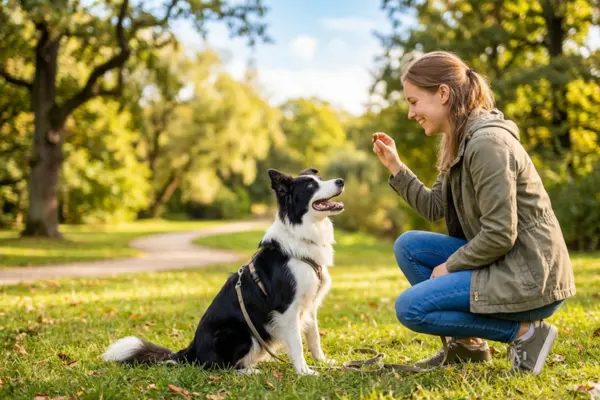
Welcome to MyPawandBreeds, your ultimate resource for understanding and training your beloved canine companions. This guide is specifically tailored to help you navigate the exciting journey of Labrador Retriever puppy training. From understanding their unique characteristics to mastering essential training techniques, we’ll equip you with the knowledge to raise a well-behaved and happy Labrador. For a comprehensive dog breeds guide, be sure to explore our pillar page.
Understanding Labrador Retrievers
The Labrador Retriever is a beloved breed, cherished for its distinctive temperament and intelligence. As a Labrador owner, understanding the inherent traits of your young Lab is paramount for effective dog training. Labrador Retrievers are known for their friendly nature, their strong desire to please, and their incredible enthusiasm, which makes training a Labrador a rewarding experience, though it also presents its own set of challenges that can be effectively managed with the right approach and training methods.
Characteristics of Labradors
Labrador Retrievers are known for their sweet and outgoing temperament, making them excellent family dogs — a reputation confirmed by the American Kennel Club (AKC), which has ranked the Labrador as one of the most popular dog breeds in the US for over 30 consecutive years. They are highly intelligent, which makes them easy to train, and they possess a strong retrieve drive, a remnant of their hunting dog heritage. Their short, dense double coat is the breed standard — though some Labs carry a recessive gene that produces a long hair coat instead, a variation worth knowing about if you’re choosing a puppy. This desire to retrieve can be channeled positively in obedience training, making training sessions engaging for both the pup and the trainer.
| Characteristic | Requirement/Outcome |
| Energetic nature | Requires consistent exercise |
| Energetic nature | Requires mental stimulation to prevent boredom and destructive behaviors |
Why Choose a Labrador Puppy?
Choosing a Labrador puppy means bringing a loyal and affectionate companion into your home. Their adaptability makes them suitable for various living situations, provided their exercise needs are met. The Labrador Retriever is a beloved breed, cherished for its distinctive temperament and intelligence. If you’re unsure which type is right for your family, check out our detailed guide comparing the English Lab vs American Lab to understand their differences in appearance, energy levels, temperament, and suitability for different lifestyles. Their gentle nature also makes them wonderful with children, solidifying their reputation as an excellent family dog that enriches the lives of everyone around them.
Importance of Early Training
Early training is crucial for Labrador puppies to ensure your Labrador develops into a well-mannered adult. Starting obedience training and socialization early establishes good habits and prevents future behavioral issues. Puppy classes offer an excellent opportunity for your pup to interact with other dogs and learn basic obedience commands. A consistent training routine, utilizing positive reinforcement training, will help you teach your Labrador the boundaries and expectations necessary for a harmonious household and a well-adjusted companion for many years to come.
Puppy Training Basics
Start with Basic Commands
Beginning your Labrador Retriever training with basic commands is fundamental for establishing a strong foundation in dog training. Simple cues like “sit,” “stay,” and “come” are essential for any well-behaved Labrador. Utilize positive reinforcement training, offering treats and praise, to motivate your pup during these initial training sessions. Consistency is key when you teach your Labrador these commands, ensuring your Labrador understands what is expected of them in various situations. This early obedience training will make future training techniques much easier to implement.
Essential Training Techniques
Beyond basic commands, several essential training techniques will greatly benefit your Labrador puppy. These methods are vital for raising a well-rounded and happy family dog, and include:
- Leash training, which should begin early, helping your pup get accustomed to a collar and leash.
- Crate training, also highly recommended, providing a safe den for your Labrador and aiding in house-training.
- Socialization, another crucial aspect; expose your young Lab to various sights, sounds, and other dogs to develop a confident and well-adjusted temperament.
Common Training Mistakes
Even experienced dog owners can make common training mistakes, especially when training a Labrador. Some frequent errors include:
- Inconsistency; without a regular training routine, your Labrador can become confused.
- Using punishment instead of positive reinforcement, which can damage your bond and make your pup fearful.
Overlooking the importance of socialization or not providing enough mental and physical stimulation can also lead to behavioral issues. Avoiding these pitfalls will ensure your Labrador enjoys the training process and develops into an exemplary companion.
Obedience Training for Labradors
Benefits of Obedience Training
Obedience training is paramount for a Labrador Retriever, offering numerous benefits that extend beyond basic commands. A well-trained Labrador is a joy to live with, as they understand boundaries and respond reliably to their owner. This structured training process fosters a stronger bond between the Labrador owner and their pup, built on trust and mutual understanding. Effective obedience training also enhances safety, allowing you to control your Labrador in various environments, preventing potential dangers and ensuring your Labrador remains a well-behaved family dog.
Advanced Obedience Commands
Once your Labrador has mastered basic obedience, you can progress to advanced obedience commands. Teaching your Labrador commands like “heel,” “stay” for extended periods, or “retrieve” specific items can be incredibly rewarding. These advanced training sessions challenge your pup mentally and physically, preventing boredom and destructive behaviors. Utilizing positive reinforcement training, a skilled dog trainer can guide you and your Lab through these complex commands, making your Labrador an even more versatile and responsive companion, whether at home or in public.
Training Tips for Success
To ensure success in obedience training a Labrador, consistency and patience are vital. Keep your training sessions short, fun, and engaging, using high-value treats and praise as positive reinforcement. Always end on a positive note, even if it means reviewing an easier command. If you encounter challenges, don’t hesitate to seek guidance from a professional dog trainer or enroll in puppy classes. Remember, every dog learns at their own pace, and a consistent training routine is key to raising a well-mannered Labrador Retriever.
Socialization for Lab Puppies
Why Socialization Matters
Socialization is a critical component of raising a well-adjusted Labrador Retriever puppy. Early exposure to a variety of sights, sounds, people, and other dogs during their formative weeks helps shape their temperament and prevents the development of fear-based aggression or anxiety. A properly socialized young Lab is more confident, adaptable, and less prone to behavioral issues, making them a much happier and more secure family dog. This early foundation is essential for ensuring your Labrador grows into a confident adult.
Best Practices for Socialization
Effective socialization for your Labrador puppies involves controlled and positive experiences. Introduce your pup to new things gradually, always ensuring a positive association with treats and praise. Take your young Lab to various dog-friendly places, exposing them to different environments, surfaces, and noises. Puppy classes are excellent for structured socialization, allowing your Labrador to interact safely with other puppies and people under supervision. Remember, every dog’s experience should be positive to build confidence and a well-rounded temperament.
Socializing with Other Dogs
Socializing your Labrador Retriever with other dogs is vital for developing appropriate canine communication skills. Arrange playdates with vaccinated, friendly dogs of various sizes and breeds. Supervise these interactions closely to ensure they remain positive and prevent any negative experiences. Puppy classes offer a controlled environment for your Lab puppies to learn proper play etiquette. Through consistent and positive exposure, your Labrador will learn to navigate social situations with confidence, making them a joy to be around, both for you and other dog owners, and upholding MyPawandBreeds’ comprehensive dog breeds guide.
Training Your Labrador: A Comprehensive Approach
Creating a Training Schedule
Establishing a consistent training schedule is paramount when you train your Labrador, especially during their early developmental stages. Regular, short training sessions, ideally 10-15 minutes, several times a day, are more effective than infrequent, long ones for a young Lab. This routine helps your Labrador retain information and reinforces good habits. Incorporate various elements into your schedule, including basic obedience commands, leash training, and socialization outings, ensuring a well-rounded training process for your Labrador puppy. Consistency is key for your Labrador to understand expectations.
Incorporating Play into Training
Integrating play into your Labrador training sessions makes the entire process more enjoyable and effective for both you and your pup. Labradors are known for their playful temperament and their strong retrieve drive, making games like fetch excellent opportunities to practice commands such as “come” and “drop it.” Using chew toys as rewards or during breaks can also keep your Labrador engaged. This positive reinforcement approach strengthens your bond and makes your Labrador eager to participate, making every training session a fun experience for your family dog.
Monitoring Progress and Adjusting Techniques
Regularly monitoring your Labrador’s progress is crucial for successful dog training. Pay attention to how quickly your Labrador picks up new commands and if they are consistently performing previously learned behaviors. If your pup struggles with a particular command, it might be necessary to adjust your training techniques or break down the command into smaller, more manageable steps. Don’t hesitate to seek advice from a professional dog trainer if you encounter persistent challenges. This adaptive approach ensures your Labrador continues to learn and thrive.
Conclusion: The Journey of Training Your Labrador
Recap of Key Training Techniques
The journey of training your Labrador Retriever is a rewarding experience built on consistency, patience, and positive reinforcement. We’ve explored the importance of starting with basic obedience commands, implementing effective leash training and crate training, and prioritizing early socialization for your Labrador puppies. Utilizing positive reinforcement training methods, such as treats and praise, fosters a strong bond and encourages your pup to be an enthusiastic learner. These training techniques lay the groundwork for a well-behaved and happy family dog.
Resources for Lab Owners
For Labrador owners seeking additional support, MyPawandBreeds offers a wealth of resources to further your Labrador training journey. Explore our comprehensive dog breeds guide, which provides in-depth information on the Labrador breed and various training advice. Consider enrolling in local puppy classes or consulting with a certified dog trainer for personalized guidance on specific behavioral challenges or advanced obedience training. Access to reliable information and professional help can make a significant difference in ensuring your Labrador develops into an exemplary companion.
Final Thoughts on Labrador Retriever Training
Training a Labrador is an ongoing commitment that brings immense joy and companionship. Remember that every dog is an individual, and patience is paramount as you teach your Labrador. Embrace the process, celebrate small victories, and continue to provide consistent training and positive reinforcement. A well-trained Labrador Retriever is not only a well-mannered family dog but also a confident and happy member of your household. MyPawandBreeds is here to support you every step of the way.
FAQ’s
Q: How do I start basic dog training for a new labrador puppy?
A: Begin basic training as soon as you bring home your new dog by focusing on simple commands like “sit,” “stay,” and “come.” Short, frequent sessions throughout the day work best — keep training sessions 5–10 minutes, use high-value treats, praise, and consistency. Expose your labrador to different people and environments to encourage socialization, and consider group training or puppy classes for early structure.
Q: What are the most important basic training goals for a Labrador Retriever puppy?
A: Prioritize potty training, crate training, leash manners, and basic commands. Labs are eager to please and respond well to positive reinforcement. Teaching good manners early helps prevent problems as your adult dog matures. Celebrate small victories along the way and gradually increase distractions to build training success.
Q: Can I train a labrador retriever to be a service dog, or should I focus on basic training first?
A: Start with strong basic training before pursuing service dog work. A foundation of obedience, socialization with dogs and people, and reliable responses to simple commands is essential. If you hope to train a service dog, consult expert training resources or professional trainers to transition from basic training to specialized service tasks.
Q: My labrador puppy won’t obey—how do I handle when a labrador doesn’t listen?
A: First, check that you’re using clear cues, consistent rewards, and short sessions. Labs can be easily distracted; reduce distractions, increase motivation with treats or play, and break tasks into smaller steps. If your lab doesn’t respond despite consistency, consider a training class or behavior consultation to rule out health or anxiety issues.
Q: What is the best way to train a lab and keep progress consistent over time?
A: Training your lab requires daily reinforcement — practice simple commands in different places and situations. Use training throughout the day: ask for a sit before meals, before going out the door, or when greeting visitors. Keep sessions positive, gradually raise difficulty, and include family members so your lab learns to obey everyone in the household.
Q: Are professional training classes necessary, or can I train my Labrador at home?
A: Many owners can teach basic training at home, especially for a beloved labrador retriever that is eager to please. However, group training and expert training classes offer structure, socialization, and troubleshooting for specific issues. If you want to train a labrador retriever for advanced tasks or service work, professional guidance is highly recommended.
Q: How do I socialize my Labrador puppy with another dog and people during basic training?
A: Gradual, positive exposure is key: arrange calm, supervised meetings with vaccinated dogs and invite friendly visitors to meet your puppy. Use treats and praise to associate new experiences with positive outcomes. Expose your labrador to different sights, sounds, and surfaces, and reward relaxed behavior to build confidence and good manners.
Q: What are common mistakes when training a Labrador Retriever puppy and how can I avoid them?
A: Common mistakes include inconsistent rules, long training sessions, using punishment, and failing to socialize. Avoid these by setting clear expectations, keeping sessions short, using positive reinforcement, and practicing training throughout the day. Remember to celebrate small victories and be patient — a lab learns best with consistent, friendly guidance.
Q: How do I maintain training success as my Labrador becomes an adult dog?
A: Continue reinforcement of learned behaviors, introduce new challenges, and keep training fun. Adult lab dogs benefit from ongoing mental stimulation and regular refresher sessions. If new problems appear, revisit basic training steps or seek help from a trainer. Treat training as a lifelong activity that strengthens the bond between your family and your beloved labrador retriever.