Welcome to our comprehensive Lurcher Training Guide here at mypawandbreeds, where we’ll delve into the essential tips for Lurcher owners. Whether you’re a new Lurcher parent or looking to refine your existing dog training techniques, this guide, a perfect complement to our extensive dog breeds guide, will provide invaluable insights to help you and your Lurcher companion thrive.
Understanding the Lurcher Breed
What is a Lurcher?
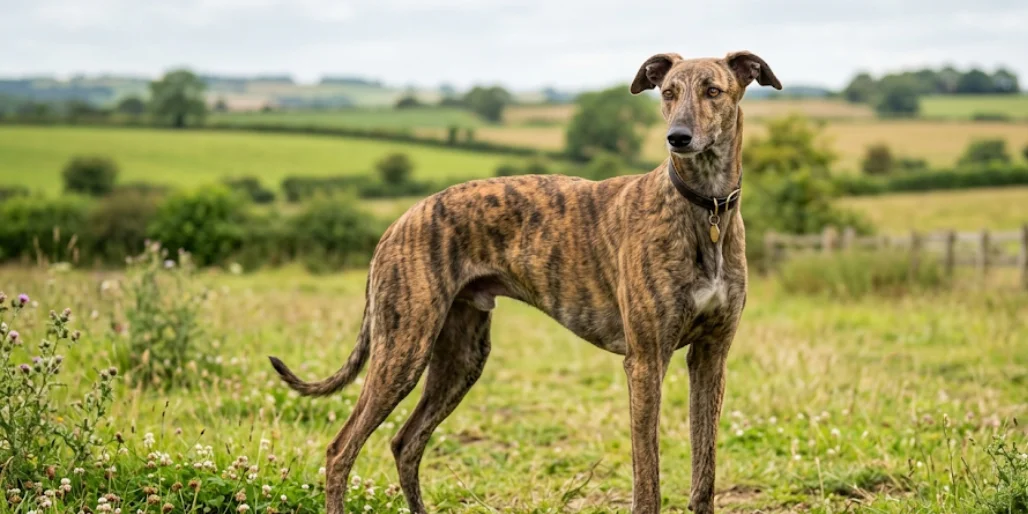
A Lurcher is not a pure breed in the traditional sense but rather a type of sighthound cross, often involving a sighthound like a greyhound or whippet, with another breed such as a terrier or collie. This unique breed mix results in a dog with incredible speed, agility, and often a very affectionate temperament. The term “Lurcher” itself speaks to the diverse parentage, making each individual Lurcher a truly special and often one-of-a-kind companion.
Characteristics of Lurcher Breeds
Lurchers are generally known for their athletic build, deep chests, and long legs, inherited from their sighthound side. While their exact appearance and behavior can vary depending on their breed mix, they almost universally possess a strong prey drive. This chase instinct means that Lurchers are often working dogs at heart, excelling in activities that allow them to use their natural abilities. Despite their active nature, they are also famous for being “40 mph couch potatoes,” loving to lounge on the sofa after a good run.
Rescue Lurchers: A Special Case
Bringing a rescue Lurcher into your home is a truly rewarding experience — organisations like the Greyhound Trust specialise in rehoming sighthounds and offer valuable breed-specific advice for owners taking on a rescue Lurcher or greyhound cross. These dogs may have unknown parentage and past experiences that can influence their temperament and behavior, potentially requiring a bit more patience and understanding during training sessions. While a Lurcher puppy from a breeder might offer more predictability, an adult dog, especially a rescue Lurcher, often brings a rich history that, with the right dog training approach, can blossom into an incredibly loyal and loving companion.
Lurcher Temperament and Behavior
Affectionate Nature of Lurchers
Lurchers are generally known for their incredibly affectionate nature, making them wonderful companions. Despite their strong prey drive and the athleticism inherited from their sighthound side, these dogs absolutely love to lounge on the sofa with their human family. This deep bond means they respond better to positive reinforcement in training sessions, fostering a strong relationship between the Lurcher and its handler. Their loving temperament shines through in their desire to be close to you.
Common Behaviors in Lurchers
Due to their sighthound heritage, Lurchers often exhibit a strong chase instinct. This means you might see them intensely focused on squirrels or other small animals. While they love to run, many Lurchers are also “40 mph couch potatoes,” content to relax after a good burst of speed. Understanding this breed mix and their inherent behaviors is crucial for effective Lurcher training, especially regarding their prey drive.
Socialization Needs for Lurchers
Socialization is key for a well-adjusted Lurcher puppy or adult dog. Early exposure to different people, dogs, and environments helps them develop into confident and friendly companions. While they are often good with other dogs, their strong prey drive means careful introductions are essential, especially with smaller pets. Consistent socialization, perhaps through training classes, ensures your Lurcher’s affectionate temperament can truly shine.
Training Your Lurcher
Basic Commands for Lurchers
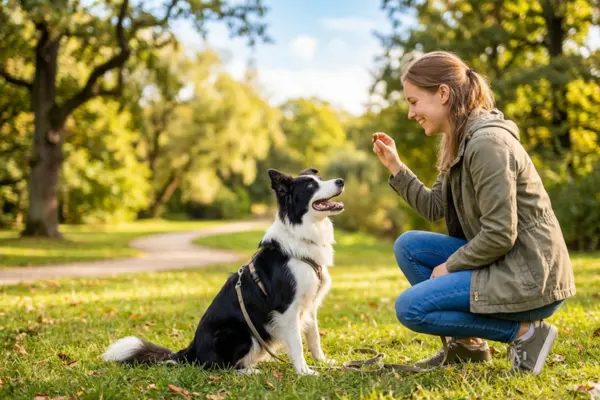
When it comes to Lurcher training, starting with basic commands is essential. Due to their intelligence and desire to please their handler, Lurchers are generally easy to train. Focus on commands like “sit,” “stay,” “come,” and “down” using high-value treats as rewards. This positive reinforcement approach helps build a strong foundation for more advanced obedience training, ensuring your Lurcher puppy or adult dog understands what’s expected of them.
Techniques for Easy Training
Lurchers respond better to positive and reward-based training techniques. Avoid harsh corrections, as these can damage their sensitive temperament. Instead, use training games and high-value rewards to make learning fun and engaging. For loose leash walking, practice in quiet areas with a long leash. Consistency and patience are crucial for effective Lurcher training, especially when working on recall due to their strong prey drive.
Mental Stimulation Activities
Beyond physical exercise, mental stimulation is vital for the Lurcher breed. Training games, puzzle toys, and scent work can help satisfy their intelligent minds and prevent boredom. Activities like using a flirt pole can tap into their natural chase instinct in a controlled environment, providing an excellent outlet for their energy. Engaging their minds helps keep them happy and well-behaved, preventing undesirable behaviors that can arise from boredom.
Health and Vet Care for Lurchers
Regular Vet Check-ups
Regular vet check-ups are paramount for maintaining the overall dog health of your Lurcher throughout their life. Even if your Lurcher appears to be in peak condition, these routine visits allow your vet to catch potential issues early, administer necessary vaccinations, and provide preventative care. These regular check-ups with your vet are essential for puppies, adult dogs, and especially rescue Lurchers, as their past health history might be unknown. Prioritizing these appointments ensures your Lurcher can continue to exhibit their wonderful temperament for years to come.
Common Health Issues in Lurchers
While Lurchers are generally robust, they can be prone to certain health issues, many of which are common in sighthounds. These include sensitivity to anesthesia, skin issues, and certain joint problems due to their athletic build. Understanding the breed mix can help anticipate some conditions; for instance, a greyhound or whippet cross might inherit specific sensitivities. Being aware of these potential problems allows for proactive care and discussions with your vet, ensuring any health concerns are addressed promptly, allowing your Lurcher to maintain their playful behavior.
Nutrition for a Healthy Lurcher
Proper nutrition is fundamental for your Lurcher’s dog health and energy levels. Given their active nature and strong prey drive, a high-quality diet rich in protein and essential nutrients is crucial. Your vet can provide tailored advice based on your Lurcher’s age, activity level, and any specific health considerations. Feeding a balanced diet supports their musculature, maintains their coat, and fuels their natural desire to run and play, helping them maintain their excellent temperament and ensuring they have the energy for all their training sessions.
Conclusion: Embracing Your Lurcher
Reflecting on the Lurcher Experience
Bringing a Lurcher into your home is a truly enriching experience. These remarkable dogs, with their unique breed mix, embody a fascinating blend of an athletic working dog and an affectionate companion who loves to lounge on the sofa. From understanding their strong prey drive and high energy levels to appreciating their sensitive temperament and the ease with which they can be trained, every aspect of Lurcher ownership offers deep rewards. Their distinct behavior and loyal nature make them exceptional pets.
Support from Paw and Breeds
At Paw and Breeds, we are dedicated to supporting Lurcher owners through every stage of their journey. Our resources, including this comprehensive Lurcher Training Guide, are designed to help you navigate the nuances of Lurcher behavior, from effective training sessions to understanding their specific health needs. Whether you have a playful Lurcher puppy or an adult dog, our goal is to provide the knowledge and tools you need to foster a strong, healthy, and happy relationship with your beloved sighthound companion.
Connecting to the Dog Breeds Guide
For those eager to delve deeper into the world of canine companions, remember to explore our extensive dog breeds guide, where you can find invaluable insights not only on the Lurcher breed but also on countless others. This guide complements our specific Lurcher training advice, providing a broader context for understanding dog behavior, historical backgrounds, and general dog health. It’s a perfect resource for current and prospective owners looking to expand their knowledge about the diverse and wonderful world of dogs.
FAQ’s
Q: Are lurchers really a sighthound and does that affect how easy to train they are?
A: A: Yes — many lurchers are sighthound crosses (often with terriers, herding breeds or even labs mixed in), so their sighthound heritage means they’re bred to work by sight and chase. That doesn’t make them impossible to train, but it does change the approach: short and sweet sessions, lots of mental engagement, high value rewards, and early socialisation help. They can be quite biddable and quickly learn life skills when training respects their instincts.
Q: How do I teach perfect recall for a lurcher, given sighthound tendencies and the fact they might lose interest?
A: A: Start indoors and low-distraction areas, use a long lead or lunge to give freedom while keeping control, and reward with high value treats or a favorite toy. Practice short sessions, gradually increase distance and distractions, and consider whistle training — blow the whistle for a consistent cue. Remember that “perfect recall” takes time and proofing; even confident and well-adjusted lurchers need regular refreshers.
Q: Is my lurcher easy to train compared to labradors or salukis, and how does breed mix affect trainability?
A: A: Lurcher trainability depends on the mix — a lurcher crossed with a labrador may be more food-motivated and eager, while salukis or other sighthounds can be more aloof. Many lurchers are bred to work and are actually quite trainable, but some can be independent. Tailor rewards and methods: labs respond well to food, sighthound lines might prefer play or chase, and terrier crosses can be tenacious. Keep sessions engaging and short so even “lazy dogs” stay interested.
Q: What’s the best way to teach loose lead walking for a lurcher that wants to chase every squirrel?
A: A: Use a combination of management and training: start on a long lead for freedom while maintaining safety, reward slack and attention with high value treats, and teach an alternative behaviour like a head turn or sit for rewards. Practice in low-distraction areas first, and build up. Short, frequent practice helps — and if your lurcher is bred to work it may always have some chase drive, so management (long lead, fenced runs) remains important.
Q: How can I keep a lurcher mentally engaged so they don’t lose interest during training?
A: A: Rotate high value rewards, use short and sweet sessions, add scent work, puzzle toys and recall games, and include life skills like leave-it and calm greetings. Lurchers are smart and can get bored, so vary the course of training: short scent sessions, quick agility-style games, or play-based training keeps them focused and prevents them from losing interest.
Q: Should I expect impulse control problems in a lurcher, and how do I work on them?
A: A: Some lurchers struggle with impulse control because they’re bred to chase, but you can train it. Start with basic exercises: wait at doors, leave-it with high value rewards, and build duration gradually. Use a long lead for real-world practice and reward calm choices. Training impulse control early helps them become confident and well-adjusted around distractions.
Q: Are lurchers good with children and other dogs if they’re originally bred as sighthounds or crossed with terriers?
A: A: Many lurchers are good with children, but it depends on socialisation and individual temperament. Early socialisation is key — expose them to kids, other dogs, and different situations positively. Be cautious with small pets if they have strong prey drive from their sighthound or terrier side. Supervision and training for good recall and impulse control make a big difference.
Q: Can I take a lurcher to a training course, and what should I look for in a trainer or class?
A: A: Absolutely — a good course helps with life skills, socialisation and specific issues like loose lead walking or recall. Look for trainers who understand sighthounds, use positive reinforcement, and offer practical management strategies (long lead work, whistle training, high value rewards). Avoid one-size-fits-all methods; a trainer who tailors sessions to your lurcher’s needs will get the best results.