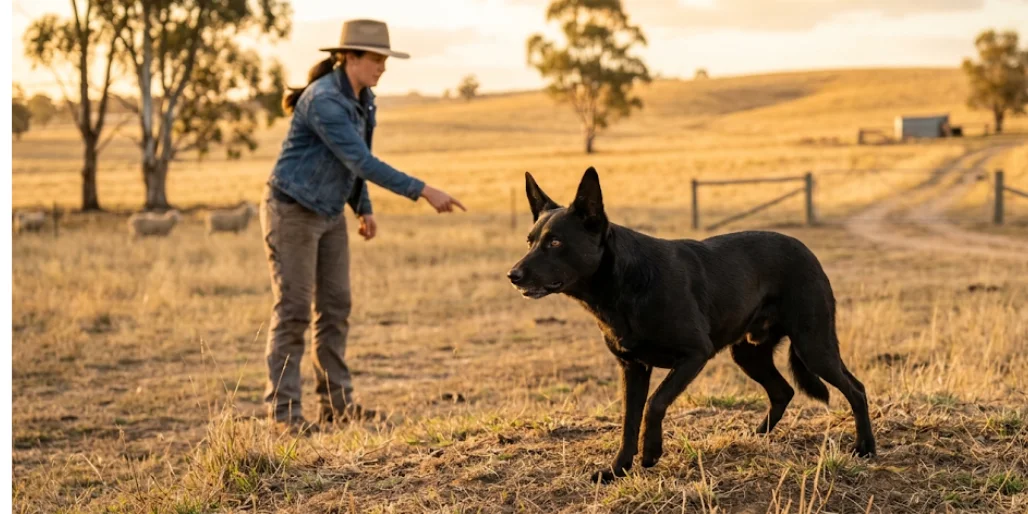
Welcome to Pawandbreeds! This comprehensive guide is your ultimate resource for all things Australian Kelpie training. Whether you’re a new Kelpie owner or looking to refine your dog training skills, you’ll find invaluable insights here. We aim to help you understand this remarkable working dog breed and develop effective training strategies. Make sure to check out our pillar page, “dog breeds guide,” for more information about various dog breeds!
Understanding the Australian Kelpie Breed
The Australian Kelpie is a fascinating breed, renowned for its incredible intelligence and boundless energy. To truly succeed in Kelpie training, it’s essential to understand the core characteristics that define this unique Australian dog. These aren’t just pets; they’re working dogs with a deep-seated natural instinct to herd, and acknowledging this is the first step to a harmonious relationship.
History of the Kelpie
The Australian Kelpie breed boasts a rich history deeply rooted in Australia’s sheep farming industry. Bred to work tirelessly in the harsh Australian outback, the Kelpie’s lineage is a testament to its remarkable endurance and intelligence — a heritage extensively documented by the Australian Kelpie Club of America, the leading breed authority for Kelpie owners in North America. These working Kelpies were developed to herd sheep efficiently, often over vast distances, making them indispensable to their owners. Understanding this background helps us appreciate why a Kelpie needs such specific physical and mental stimulation today.
Physical Characteristics of Kelpies
Australian Kelpies are medium-sized dogs with an athletic and muscular build, designed for agility and stamina. Their short, dense coats are well-suited to various climates, and their expressive eyes often convey their alertness and intelligence. A year-old Kelpie will already show many of these physical traits, indicative of a dog bred to work all day. These physical attributes are a direct reflection of their heritage as a working dog.
Kelpie Temperament and Behavior
The Kelpie temperament is defined by its intelligence, loyalty, and incredibly high energy levels. They are highly responsive and eager to please, making them generally easy to train, but they also require consistent dog training and mental stimulation. Kelpies need a purpose, and without adequate physical exercise and mental engagement, they could develop undesirable behaviors like excessive barking. Their natural instinct to herd means they are always observing and ready for action, which is key for an owner to know.
Importance of Training for Kelpies
Training is absolutely vital for Australian Kelpies, a breed renowned for their intelligence and boundless energy. These working dogs thrive on having a purpose, and without proper direction, their natural instinct to herd can manifest in undesirable ways. Effective Kelpie training not only channels their impressive abilities but also strengthens the bond between you and your loyal companion. Pawandbreeds wants every Kelpie owner to succeed, and understanding the ‘why’ behind training is the first step.
Why Training is Essential for Herding Dogs
For herding dogs like the Australian Kelpie, training isn’t just about good manners; it’s about fulfilling their innate drive. Bred to work all day, Kelpies possess a strong natural instinct to herd, which, if not properly channeled, can lead to nipping at heels or trying to gather family members. Structured dog training provides the mental stimulation these intelligent working Kelpies crave, ensuring they are well-adjusted and happy, preventing boredom that could lead to destructive behaviors like excessive barking.
Common Training Challenges Faced by Owners
Despite being easy to train, Kelpie owners often face unique challenges due to the breed’s high energy and intelligence. Their keen minds mean they can quickly learn bad habits if not consistently guided. Without sufficient physical exercise and mental stimulation, a Kelpie could become restless, leading to issues like destructive chewing or constant barking. Understanding the Kelpie temperament is key; they need engaging training sessions to keep their focus and prevent them from becoming bored.
Benefits of Early Socialisation in Kelpies
Early socialisation is incredibly beneficial for a young Australian Kelpie. Introducing a year-old Kelpie to various sights, sounds, people, and other well-behaved dogs from a young age helps them develop into confident, well-rounded adults. This crucial step prevents fear or aggression issues later in life, ensuring your Kelpie as a pet is comfortable in different environments. It’s an essential part of shaping their temperament and preventing future behavioral problems.
Effective Kelpie Training Techniques
Basic Commands Every Kelpie Should Learn
For any Australian Kelpie, mastering basic commands forms the foundation of all future dog training. These commands are not just about obedience; they are essential for safety and clear communication, encompassing key instructions such as:
- “Sit”
- “Stay”
- “Come”
- “Down”
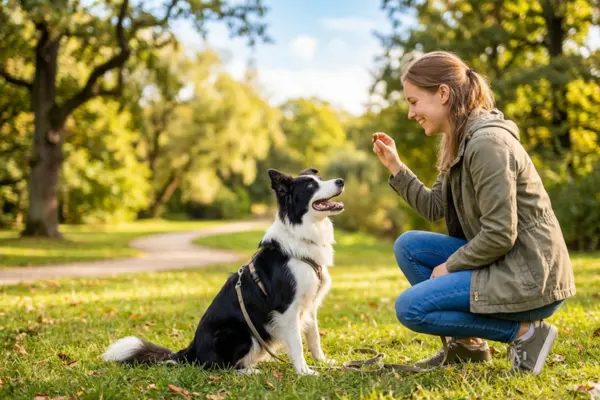
Using positive reinforcement, such as treats and praise, will make these initial training sessions enjoyable and effective. Consistent practice, even for a few minutes daily, will solidify these commands in your Kelpie’s mind, making them a more manageable and responsive companion.
Training a Kelpie in a Crate
Crate training can be a highly effective method for your Kelpie, providing them with a safe, den-like space and aiding in house-training. Introduce the crate positively, making it an inviting place with comfortable bedding and toys. Never use the crate as punishment, as this can create negative associations. A properly crate-trained Kelpie will view their crate as a sanctuary, which is particularly useful for managing their high energy when you cannot supervise them directly.
Advanced Training for Herding and Agility
For those Australian Kelpies with a strong natural instinct to herd, advanced training in herding or agility can be incredibly rewarding. These activities provide the ultimate mental and physical exercise, fulfilling their “bred to work” purpose. Agility training, with its jumps, tunnels, and weaves, offers fantastic physical exercise and mental stimulation, while herding-specific training allows them to utilise their innate abilities. Engaging in these challenging training methods will keep your Kelpie happy, healthy, and incredibly fulfilled.
Tips for Successful Kelpie Training
Successful Australian Kelpie training hinges on understanding their unique needs as a highly intelligent working dog. At Pawandbreeds, we emphasize creating an environment that caters to their boundless energy and keen minds. By implementing structured routines, utilizing positive reinforcement, and ensuring ample mental and physical exercise, you can guide your Kelpie to be a well-behaved and happy companion. This next section will delve into practical tips to enhance your Kelpie training journey, building on the foundation of our “dog breeds guide”.
Creating a Structured Training Schedule
Establishing a structured training schedule is paramount for an Australian Kelpie, a breed that thrives on routine and predictability. Regular, short training sessions throughout the day are far more effective than infrequent, long ones, especially for a young Kelpie. Consistency helps your Kelpie understand expectations and reinforces good habits, preventing boredom which could lead to unwanted behaviors like excessive barking. A clear schedule ensures they receive the necessary mental and physical exercise, keeping their minds engaged and their natural instinct to herd constructively channeled.
Using Positive Reinforcement with Kelpies
Positive reinforcement is the cornerstone of effective Kelpie training. This intelligent dog breed responds exceptionally well to rewards-based training methods, such as treats, praise, and favorite toys, which build a strong, trusting bond between owner and working dog. Punitive methods are counterproductive and can damage a Kelpie’s temperament, leading to fear or anxiety. By consistently rewarding desired behaviors, you make training a positive experience, fostering an eager-to-please attitude in your Kelpie and encouraging them to learn quickly, making them easier to train.
Activities to Keep Your Kelpie Engaged
To keep your Kelpie engaged and prevent destructive behaviors, it’s crucial to provide a variety of activities that satisfy their high energy and intelligence. Beyond basic obedience training, consider introducing advanced training like agility or herding, which fulfill their natural instinct to work all day. Puzzle toys, interactive games, and long walks or runs also provide essential physical and mental stimulation. A bored Kelpie could easily develop habits like excessive barking or destructive chewing, so creative engagement is key to their well-being and a happy home.
Conclusion: The Journey of Raising an Australian Kelpie
Recap of Key Training Tips
To recap, successfully raising an Australian Kelpie is a rewarding journey that requires dedication and understanding of this incredible working dog breed. We’ve emphasized the importance of several key aspects:
- Early socialisation, consistent positive reinforcement, and a structured training schedule to manage their high energy and intelligence.
- Providing ample physical exercise and mental stimulation, whether through obedience training, agility, or herding, is crucial to prevent undesirable behaviors and ensure your Kelpie is a well-adjusted and happy companion.
Remember, a well-trained Kelpie as a pet is a joy to have.
Final Thoughts on Kelpies and Their Owners
Ultimately, owning an Australian Kelpie is a commitment to a life filled with activity, intelligence, and unwavering loyalty. These are not just pets; they are dynamic working dogs with a strong natural instinct, and a happy Kelpie is one that has a purpose. As dog owners, understanding the Kelpie temperament and providing consistent dog training will forge an unbreakable bond. The effort you invest in training a Kelpie will be repaid tenfold by a devoted companion who thrives on shared experiences and a fulfilling life by your side.
Further Resources in Our Dog Breeds Guide
For more in-depth information on the Australian Kelpie and many other fascinating breeds, be sure to explore our comprehensive “dog breeds guide” on Pawandbreeds. We offer a wealth of knowledge on various dog breeds, covering everything from temperament and training to health and history. Our goal is to empower dog owners with the resources needed to provide the best possible care for their beloved companions. Keep your Kelpie learning and thriving by continuously seeking out new knowledge and training methods!
FAQ’s
Q: How do australian kelpies learn best during dog training?
A: A kelpie dog learns best with short, frequent sessions that mix physical play and brain games. Australian kelpies are generally quick learners because they’re working breeds, so keep lessons varied — include basic obedience, activities like agility training, and reward your kelpie with treats and verbal praise. Keep sessions fun and consistent to encourage your dog to love to learn.
Q: My kelpie dog seems energetic — what kelpies need each day?
A: Kelpies need lots of physical and mental exercise daily. A typical plan includes brisk walks, fetch, training drills, and puzzle toys. If you provide your australian kelpie with activities like agility training or participating in dog sports, you’ll help channel that strong work ethic and keep them engaged so they don’t invent their own entertainment.
Q: Are australian kelpies easy to train compared to other breeds?
A: Yes, kelpies are easy to train when you match their instincts and energy. Kelpies tend to respond well to positive reinforcement — reward your kelpie with treats, toys, or verbal praise. Because they’re working breeds, they love a job; when you encourage your dog to work, they’ll show how much they love to learn.
Q: What’s the best approach for trying to train an adult dog kelpie?
A: Start with patience and structure. Adult kelpie wants purpose and routine, so set clear rules, consistent schedules, and short training sessions. Use positive rewards, keep sessions high-energy but brief, and introduce activities like agility training or scent work to satisfy both physical and mental exercise needs.
Q: How do I stop common behavior issues since kelpies are so driven?
A: First, meet their needs for exercise and mental stimulation — many problems come from boredom. Provide your australian kelpie with plenty of play, training challenges, and social time. If a behaviour persists, redirect with a command or new task, reward your kelpie when they comply, and consider professional help if you’re stuck.
Q: Can kelpie puppies and a year old kelpie be trained the same way?
A: The basics are the same — consistency, short sessions, and positive reinforcement — but adjust intensity. A year old kelpie can handle more structured activities and longer sessions than a young puppy. Young pups need more naps and gentler stimulation; the goal is to build good habits early so your adult dog enjoys working with you.
Q: Do australian kelpies enjoy being around people or should they sleep outside?
A: Australian kelpies are affectionate with their family and generally do best inside or with close contact — they’re not just outdoor guardians. While they can handle time outside, they want regular interaction and mental challenges. So instead of sleep outside plans, give them cozy indoor space and chances to be part of daily life.
Q: What sorts of activities keep a kelpie engaged besides walks?
A: Mix in training games, puzzle feeders, flyball, herding practice, and agility courses. Participating in dog sports is perfect because kelpies love a job and have a strong work ethic. Even simple scent games or hide-and-seek with toys will keep your kelpie mentally satisfied.
Q: How do I use rewards effectively so australian kelpies respond during training?
A: Be immediate and consistent — reward your kelpie the moment they do the right thing. Use high-value treats for new skills, and mix in verbal praise and play as rewards. Rotate rewards so your dog stays motivated, and gradually phase out treats to more intermittent reinforcement while keeping verbal praise and affection strong.