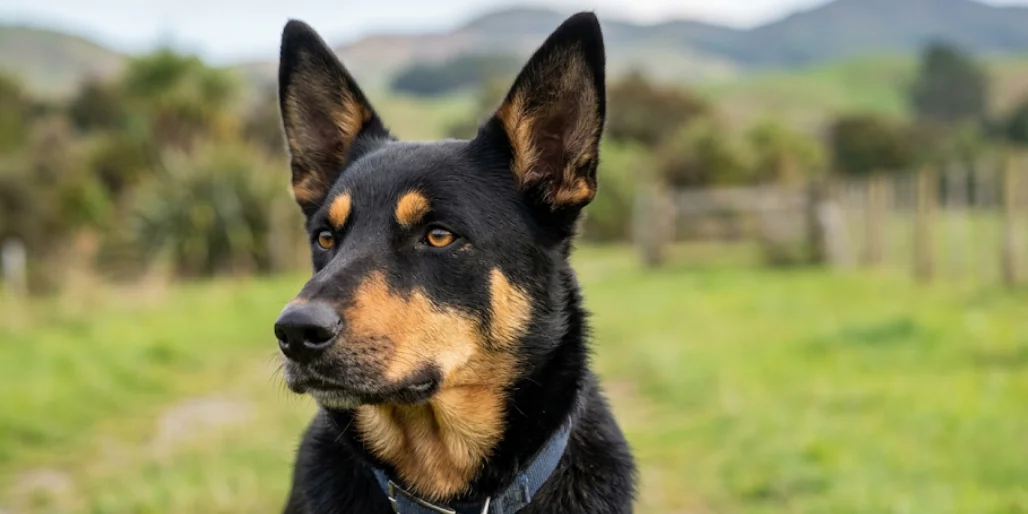
Welcome to MyPawandBreeds! If you’re looking for comprehensive Huntaway training tips, you’ve come to the right place. Owning a Huntaway is a unique experience, and understanding this remarkable breed is key to successful training. We’ll delve into everything you need to know, from their origins to their personality traits, ensuring you have all the information to effectively train your Huntaway. Don’t forget to check out our ultimate dog breeds guide for more insights!
Understanding the Huntaway Breed
Origin and History of Huntaways
The Huntaway is a truly fascinating and dedicated working dog breed, originating from New Zealand. Unlike many breeds with ancient lineages, the Huntaway’s history is relatively recent, primarily developing in the last century.
They were specifically bred to bark, a distinctive trait used to herd sheep in the vast, rugged landscapes of New Zealand. This ability to work sheep using their voice sets them apart from other herding dogs. The development of the Huntaway dog breed was driven by the practical needs of farmers for an efficient and vocal working dog.
| Characteristic | Huntaway |
| Origin | New Zealand |
| Primary Herding Method | Barking (using voice) |
| Development Period | Last century (relatively recent) |
Personality Traits of Huntaways
Huntaways possess a set of personality traits that make them exceptional working dogs and loyal companions, though they are certainly not for every owner. Their strong work ethic and inherent desire to please their owner are excellent foundations for training a Huntaway. Without appropriate outlets for their energy and intelligence, a Huntaway can become bored and develop undesirable behaviors, which is why understanding these traits is crucial for successful Huntaway training. Key characteristics include being:
- Incredibly intelligent
- Eager to please
- Highly energetic
This combination means they thrive on purpose and require significant mental stimulation and physical activity.
Temperament of the Huntaway
The temperament of a Huntaway is characterized by alertness, intelligence, and a friendly disposition, particularly towards their human family. However, it’s important to remember they are a working breed at heart. This means they possess an innate drive to herd and an impressive level of stamina. They are generally even-tempered, but their need for activity and mental engagement is paramount. To ensure a well-adjusted Huntaway, remember a few key things:
- A well-exercised and stimulated Huntaway will be a calm and well-behaved companion.
- A bored Huntaway may exhibit restlessness or destructive tendencies.
- Early and consistent training, along with plenty of physical exercise, is essential for shaping a well-adjusted Huntaway pup.
Training a Huntaway
Essential Training Tips for Huntaways
When it comes to training a Huntaway, it’s all about consistency and understanding their innate drives. These working dogs thrive on purpose, so integrating their natural herding instincts into training sessions is key. Utilizing positive reinforcement, clear commands, and patience will go a long way in shaping a well-behaved Huntaway. Reward-based training ensures your highly intelligent dog stays cooperative without developing fear-based behaviors. Remember, a Huntaway is a high-energy breed, so combining mental stimulation with physical exercise is vital for successful Huntaway training. Don’t forget to check out MyPawandBreeds’ ultimate dog breeds guide for more general insights into canine training principles.
Understanding Trainability in Huntaways
Huntaways are incredibly intelligent and eager to please, making them highly trainable, but only if their unique needs are met. Their drive to bark and herd sheep means they respond well to tasks that engage these instincts. A young Huntaway, or pup, will absorb information quickly, so early socialization and basic obedience training are crucial. Understanding that Huntaways are a working breed at heart helps trainers harness their potential, transforming their energy into focused learning. A good trainer will always consider the temperament and personality traits of this New Zealand Huntaway.
Common Training Techniques for Huntaway Trainers
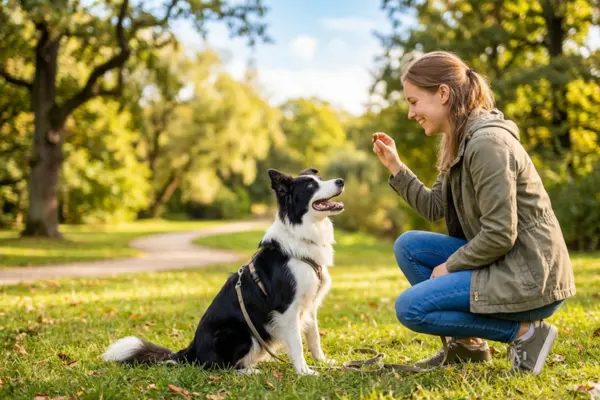
For Huntaway trainers, a blend of positive reinforcement, clear communication, and consistent routine is paramount. Given their intelligence and desire to work sheep, many Huntaway owners find success with techniques that simulate herding, even if they don’t have a flock. Agility training is also an excellent way to provide both physical and mental stimulation for this active dog. Teaching a young dog basic commands like ‘stay’, ‘come’, and ‘heel’ with a harness and rope builds a strong foundation, leading to a good level of compliance and a well-adjusted Huntaway.
Huntaway Training FAQs
What are the key challenges in Huntaway training?
Training a Huntaway presents unique challenges due to their incredible energy and innate desire to work sheep. One major aspect of training is managing their vocal nature; Huntaways are bred to bark, and while essential for herding, this can be challenging in a domestic setting. Additionally, their high intelligence requires consistent mental stimulation to prevent boredom and destructive behaviors. Every Huntaway owner needs to understand these personality traits to provide the right training.
How to manage the energy levels of a Huntaway?
Managing the energy levels of a Huntaway, an inherently active dog, is crucial for successful Huntaway training. These working dogs require more than just a daily walk; they need vigorous physical exercise combined with mental stimulation. Agility training is an excellent way to channel their energy and intelligence. Engaging in activities that allow them to use their natural instincts to herd, even without sheep, can also provide essential outlets for a young Huntaway.
Best practices for socializing your Huntaway
Socializing your Huntaway is a vital part of their overall training, especially when they are a young dog. Early exposure to various people, places, and other animals helps shape a well-adjusted Huntaway. Consistent positive experiences will build confidence and ensure a good level of compliance. A well-socialized Huntaway pup is more likely to be a calm and friendly companion, reducing potential issues down the line.
Final Thoughts on Huntaway Training
Recap of Training Tips for Huntaways
In recap, successful Huntaway training hinges on understanding this unique New Zealand Huntaway dog breed. Remember, these working dogs thrive on purpose and require significant mental stimulation and physical activity. Consistency, positive reinforcement, and early socialization are key. Whether you’re teaching a young dog basic commands with a harness and rope or engaging in agility, the goal is to channel their natural instincts and energy effectively. You can find more of our dog breeds guide information here at MyPawandBreeds!
Why Understanding Your Huntaway’s Personality is Crucial
Understanding your Huntaway’s personality traits is absolutely crucial for effective Huntaway training. These dogs were bred to bark and move sheep, meaning they possess an innate drive and high energy levels. Recognizing their intelligence and eagerness to please allows you to tailor the right training approach, providing the mental stimulation they crave and preventing boredom. An insightful trainer knows that a successful partnership with a Huntaway comes from a deep appreciation of their unique character.
Resources for Further Learning on Huntaway Training
For every Huntaway owner keen on deepening their knowledge, there are numerous resources available for further learning on Huntaway training. Beyond MyPawandBreeds, consider joining breed-specific forums or local dog training clubs specializing in working dog breeds. These platforms can offer invaluable practical advice and support from experienced Huntaway trainers and owners. Continuing to educate yourself on the unique aspects of this NZ breed will undoubtedly lead to a more fulfilling relationship with your active dog.
FAQ’s
Q: What are the top huntaway training tips for new owners — any basic huntaway faqs for NZ dog lovers?
A: Start simple: consistency, short sessions, and lots of praise. Remember huntaways are intelligent and quick so keep training varied. In NZ many owners treat them like working dogs — plenty of exercise and mental stimulation is key. Use positive reinforcement and work in the paddock or garden where they’ll do real tasks.
Q: How do huntaway training tips differ from training a collie or border collie?
A: Huntaways are bred for herding differently from a collie or border collie — they often use a loud bark and strength rather than intense eye contact. Both breeds need mental and physical exercise, but huntaways respond better to tasks that let them run and bark while herding. Use step-by-step herding drills and reward good independence.
Q: What should I know about training young huntaways — any special huntaway faqs for puppies?
A: Young huntaways need early socialization, basic obedience like sit/come, and gentle introduction to workload. Keep sessions short, use treats and play to build focus, and slowly add paddock or open-field work. Early training prevents problems like over-exuberance and ensures they grow into reliable heading dogs or hounds for working life.
Q: How much exercise and mental stimulation do huntaways need — are they suitable for active families?
A: Huntaways are energetic and thrive with plenty of exercise and mental stimulation. They’re great for active families who can give long walks, running, and herding time. Without that they’ll find their own outlet — often noisy or destructive — because huntaways are intelligent and quick and need jobs to do.
Q: Any practical step-by-step huntaway training tips for teaching newly taught commands like recall or stay?
A: Break commands into tiny steps, reward each success, and gradually increase difficulty. For recall: start on-leash, short distance, big reward; slowly add distractions. For stay: short durations, return slowly, reward. Using treats works great at first, then fade to praise and work rewards like a herding session.
Q: My huntaway has a loud bark — how do I manage barking during training without hurting their natural style?
A: A loud bark is part of the breed’s toolkit. Teach a “quiet” cue by rewarding silence after you ask. Give them an appropriate outlet for vocal work—controlled paddock sessions—so they don’t bark out of boredom. Remember balance: don’t suppress natural behavior completely if you plan to use them as a working heading dog.
Q: Are there health considerations like hip dysplasia I should watch for while training my huntaway?
A: Yes — hip dysplasia and joint issues can occur. Keep young huntaways from high-impact exercise until growth plates close, maintain healthy weight, and use slow conditioning. Regular vet checks and tailored exercise plans help prevent strain while still providing mental and physical stimulation.
Q: Can a non-farm owner train a huntaway effectively, or are they only for big workloads and paddocks?
A: You don’t need a farm, but huntaways need jobs. Active families in suburbs can succeed by giving structured exercise, herding classes, scent games, and puzzle toys. A bored huntaway will invent work — not always desirable — so commit to training and stimulation even without a paddock.