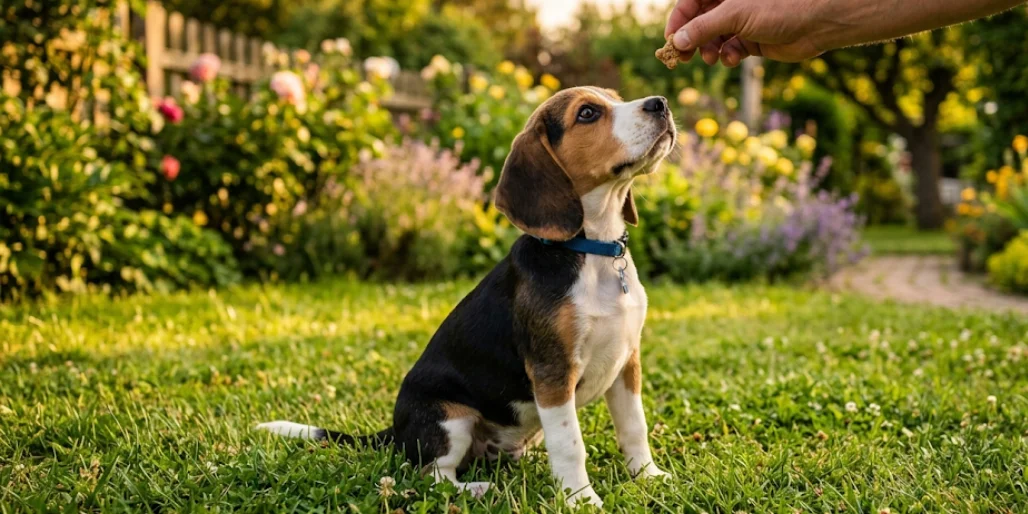
Welcome to PawAndBreeds, your go-to source for all things canine! If you’ve ever wondered, “Are Beagles easy to train?”, then you’re in the right place. Beagles, with their adorable floppy ears and friendly disposition, are a beloved breed, but their training can present some unique challenges. This article, an extension of our comprehensive “dog breeds guide” pillar page, will delve deep into effective beagle dog training strategies, offering honest beagle training tips for puppies and adult dogs alike. We’re here to help every beagle owner understand their furry friend better.
Understanding Beagle Behavior
The Beagle’s Unique Traits
Beagles are undeniably charming, known for their friendly and curious nature. This breed is a classic hound, originally bred for rabbit hunting, which means they possess a strong, independent spirit and an even stronger nose — characteristics formally documented by the American Kennel Club (AKC), which also consistently ranks the Beagle among the most popular breeds in the US. Beyond temperament, Beagles come in a range of recognized coat colors and patterns, from the classic tri-color to the striking red and white Beagle, each with the same spirited personality underneath. Every beagle owner quickly learns that beagles love to sniff and explore! They are generally cheerful, and beagles are friendly dogs, making them great companions. However, these traits, while endearing, can also make dog training a bit more challenging for a beagle owner who is new to the breed.
Why Training Can Be Challenging
When it comes to training beagles, many beagle owners find themselves asking, “Are beagles easy to train?” The honest answer is that they can be challenging due to their innate characteristics. Their independent nature means they aren’t always eager to please in the way some other breeds are. They also have a tendency to bark, howl, and bay, especially when they catch a scent or feel lonely. Effective training beagles requires patience and understanding of these deeply ingrained breed traits. It’s not that beagles are unintelligent; in fact, beagles are intelligent, but their intelligence is often directed by their powerful nose.
The Importance of a Strong Nose
The beagle’s nose is truly a wonder, and it’s arguably the most important factor to consider when you train a beagle. Beagles are scent hounds, and their world revolves around smells. This means that during dog training, their nose will often override any desire to listen to you. If your pup catches an interesting scent, they will follow it, often oblivious to your calls or commands. This makes leash training incredibly important, as a beagle on a scent trail can be surprisingly fast and single-minded. Learning how to redirect their attention from a captivating smell is a crucial skill for any beagle owner.
Basic Beagle Training Techniques
Continuing our journey at PawAndBreeds, let’s dive into some basic beagle training techniques that will make your life as a beagle owner much easier. While the question “Are beagles easy to train?” might still linger, with the right approach, you can teach your beagle a lot! The key to successful beagle dog training is understanding their unique nature and employing consistent, positive methods. Remember, beagles are intelligent, but they also have a mind of their own, often guided by their powerful nose. These practical training tips, also highlighted in our comprehensive “dog breeds guide,” are designed to help you build a strong bond with your pup while establishing good behavior.
Essential Commands Every Beagle Should Know
Teaching your beagle essential commands is the foundation of effective training. Basic commands such as “sit,” “stay,” “come,” and “down” are crucial for their safety and your peace of mind. Given that beagles are scent hounds, a reliable “come” command is especially important for off-leash situations to prevent your pup from following an enticing smell. Start dog training in a quiet environment with minimal distractions, gradually increasing the challenge as your beagle learns. Consistency and patience are paramount when you train a beagle, as these commands lay the groundwork for more advanced behaviors.
Using Positive Reinforcement
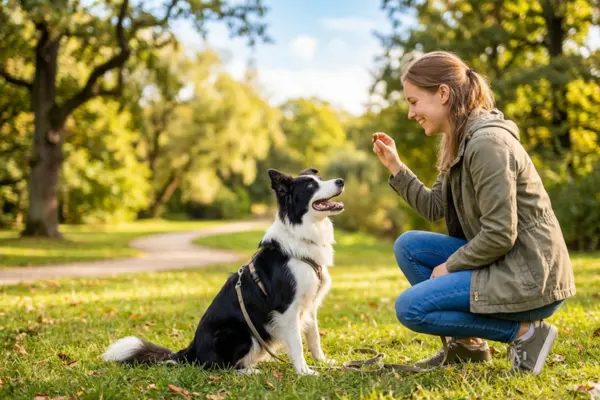
Positive reinforcement is undoubtedly the most effective training approach for beagles. Beagles respond incredibly well to rewards, encouraging them to repeat desirable behaviors because they associate them with a positive outcome. These rewards can include:
- Tasty treats
- Verbal praise
- A favorite toy
Punishing your beagle for undesirable actions, however, can damage your bond and make training more difficult. Instead, focus on redirecting their attention and rewarding them when they make the right choice. This gentle yet firm approach helps your pup understand what is expected of them without instilling fear or anxiety, fostering a happy and well-adjusted companion.
Crate Training Your Beagle
Crate training can be an invaluable tool for any beagle owner, offering a safe and secure space for your pup while also aiding in potty training. A crate can help establish a routine and prevent destructive behaviors when you can’t supervise your beagle directly. To successfully crate train your beagle, consider the following:
- Make sure the crate is a comfortable, positive space, never used for punishment.
- Introduce your beagle puppy to the crate gradually, associating it with treats and toys.
Many beagles love their crates once they see them as their own den. This method can significantly reduce accidents in the house and provide a sense of security for your new dog, making the overall beagle puppy training experience smoother for both of you.
Socialization and Its Benefits
Socialization is a crucial aspect of dog training for any breed, and it’s especially vital when you train a beagle. Proper socialization helps your beagle puppy grow into a well-adjusted, confident, and friendly adult dog. Neglecting this part of their development can lead to behavioral issues, making it harder to train a beagle effectively in the future. A well-socialized beagle will be more comfortable in various situations, less prone to anxiety, and generally a happier companion. It’s an essential component of responsible beagle dog training, ensuring your pup can confidently navigate the world.
Introducing Your Beagle to New Environments
Introducing your beagle to a variety of new environments early on is key to successful socialization. This means taking your beagle puppy to different places—parks, pet-friendly stores, and even just car rides around town. The goal is to expose your pup to new sights, sounds, and smells in a positive way. Given that beagles are scent hounds with a powerful nose, these new environments offer rich sensory experiences. Always keep these initial introductions short and positive, using treats and praise to ensure your beagle forms good associations with novel experiences, which can significantly help train your beagle to be adaptable.
Meeting Other Dogs and People
Allowing your beagle to meet other dogs and people in controlled settings is paramount. Enroll your beagle puppy in puppy training classes, which offer a structured environment for interaction. This exposure helps your beagle understand appropriate canine social cues and teaches them how to interact politely. When introducing your pup to new people, encourage gentle interactions and offer treats. Early positive experiences with various individuals and other canines will build your beagle’s confidence and reduce the likelihood of fear-based aggression or excessive barking and howling, making future training beagles much smoother.
Using Play to Help Train
Play is a fantastic tool to help train your beagle and reinforce good behavior. Incorporate short bursts of playful interaction into your training sessions to keep your beagle engaged and motivated. For instance, after practicing basic commands such as “sit,” reward your pup with a game of fetch or a tug session. This not only makes training more enjoyable for your beagle but also strengthens your bond. Play can also be used to redirect your beagle’s attention away from undesirable behaviors, such as incessant sniffing or following a scent trail, effectively showing them what you want them to do instead.
Potty Training Your Beagle
Potty training your beagle is one of the first and most important aspects of beagle puppy training. While beagles are intelligent, their independent nature and powerful nose can sometimes make this process a bit challenging. However, with consistency, patience, and the right approach, you can successfully potty train your beagle. This will not only make your life as a beagle owner easier but also prevent accidents that can be frustrating for both you and your new dog. Remember, effective training beagles in this area sets the stage for a well-behaved companion.
Establishing a Routine
Establishing a consistent routine is the cornerstone of successful potty training for your beagle. Beagles thrive on predictability, so take your pup outside frequently, especially after waking up, after meals, and before bedtime. Keep track of when your beagle typically eliminates, and stick to a consistent schedule. This routine helps your beagle understand when and where they are expected to do their business. A predictable schedule helps to manage their natural urges and makes it easier for you to anticipate their needs, reducing the chances of accidents inside the house.
Tips for Successful Potty Training
To successfully potty train your beagle, always take them to the same designated potty spot outdoors. Reward them immediately with praise and a high-value treat every single time they eliminate outside. This positive reinforcement creates a strong association between the act of going potty outdoors and a rewarding experience. If you catch your beagle in the act of having an accident indoors, calmly interrupt them and immediately take them outside to their designated spot. Avoid punishment, as this can make your beagle fearful and hide their accidents, which makes training even harder.
Common Mistakes to Avoid
When potty training your beagle, there are several common mistakes to avoid. One of the biggest is inconsistency in your routine. Beagles need a predictable schedule to learn. Another error is not supervising your beagle puppy closely enough indoors; accidents can happen quickly. Using punishment for indoor accidents is also counterproductive, as it can make your pup afraid to go in front of you, even outside. Finally, remember that beagles are intelligent but also easily distracted by their nose, so choose a quiet outdoor spot initially to minimize distractions and help your pup focus on the task at hand.
Advanced Training Techniques
Leash Training for Beagles
Leash training is perhaps one of the most crucial advanced techniques you’ll undertake when you train a beagle, especially given their strong instinct to follow their powerful nose. Because beagles are scent hounds, they can become completely engrossed in a smell, making a reliable leash command non-negotiable for their safety and your peace of mind. Starting with a comfortable harness rather than just a collar can prevent pulling and make the experience more pleasant for your pup. The goal is to teach your beagle to walk politely by your side, ignoring tempting scents, which can be quite a challenge for this breed.
Teaching Tricks and Fun Commands
Once your beagle has mastered basic commands such as “sit,” “stay,” and “come,” you can move on to teaching tricks and fun commands. This not only provides mental stimulation for your intelligent beagle but also strengthens your bond and makes dog training more enjoyable. Beagles are intelligent and can learn a variety of tricks, such as “shake a paw,” “roll over,” or “fetch.” Use positive reinforcement with plenty of treats and praise to keep your pup engaged. These fun activities are a great way to redirect their energy and focus, which can be particularly helpful for a breed that loves to explore with their nose.
Using Their Nose to Work
Leveraging your beagle’s incredible nose is a fantastic way to engage them and use their natural instincts constructively. Beagles are scent hounds, and their powerful sense of smell can be channeled into fun activities like scent work or “hide and seek” games. You can hide treats around the house or yard and encourage your pup to find them, praising them enthusiastically when they succeed. This kind of “nose work” provides immense mental stimulation and can tire out a beagle more effectively than physical exercise alone. It’s an excellent way to make training beagles an exciting and rewarding experience for your furry friend.
Final Thoughts on Beagle Training
Recap of Key Training Tips
In recap, training a beagle, while presenting unique challenges, is entirely achievable with patience, consistency, and the right approach. Remember that beagles are intelligent, but their powerful nose and independent nature require a specific training approach. To achieve the best results, focus on key aspects:
- Positive reinforcement and early socialization.
- Consistent routines for potty training and basic commands such as “sit.”
- Understanding triggers for behaviors like barking, howling, or baying, and redirecting their attention.
By understanding their breed traits and applying these beagle training tips, you can help your pup grow into a well-behaved and happy companion.
Encouraging Lifelong Learning
Dog training should be a lifelong journey, not just something you do when your beagle is a puppy. Beagles are intelligent and thrive on mental stimulation, so continue to challenge them with new tricks, advanced commands, or engaging scent games. This ongoing engagement helps to keep their minds sharp and prevents boredom, which can lead to undesirable behaviors. Regularly revisiting basic commands also helps reinforce good habits and ensures your pup remains responsive. Encouraging lifelong learning will strengthen your bond and ensure your beagle remains a well-adjusted and joyful member of your family for years to come.
Resources for Pet Parents: dog breeds guide and more
For beagle owners seeking further guidance, PawAndBreeds offers a wealth of resources to support your training journey. Our comprehensive “dog breeds guide” pillar page provides in-depth information on various breeds, including specific insights into beagle behavior and training. You’ll find articles on everything from advanced leash training techniques to tips on managing typical beagle vocalizations like barking, howling, and baying. We are dedicated to helping you teach your beagle effectively, providing the tools and knowledge necessary to navigate the unique aspects of training beagles. Explore our site for more training tips and to ensure your new dog is happy and well-adjusted.
FAQ’s
Q: Is dog training for beagles harder than other breeds?
A: Short answer: sometimes. Beagle dog training can be trickier because beagles are bred to hunt and have a keen sense of smell and a high prey drive. They’re intelligent dogs and eager, but their nose often wins over your voice. With consistent basic commands such as “sit” and patient repetition in the training process, most dog owners can get a well-trained beagle.
Q: What does training beagles puppies look like — can I train a brand new puppy easily?
A: Absolutely you can start early. Around 12 weeks is a great time to begin socializing and basic training. Training a beagle requires short, fun training exercise sessions, use high-value treats, and lots of praise. A brand new puppy learns fast when training progress is tracked and sessions are playful.
Q: How do I socialize my beagle and why is it important in beagle dog training?
A: Socialize your beagle by exposing them to different people, dogs, sounds, and places in a controlled, positive way. Beagles are energetic dogs and well-socialized pups are less likely to develop fear or overexcited behavior. Socialization is a key part of the training process and helps set the stage for more advanced training exercises.
Q: What are the most effective basic commands for training beagles?
A: Start with core cues: “sit,” “stay,” “come,” and “leave it.” Because beagles are also bred for hunting, recall can be tough—practice “come” with high-value treats and short distances first. These common training commands form the backbone of a well-trained beagle.
Q: My beagle is distracted by smells — any tips to keep training focused?
A: Redirect the behavior by working in low-distraction areas and gradually increasing difficulty. Use high-value treats when training your dog, keep sessions short, and add mental and physical stimulation to tire them out before training. Because beagles are bred for hunting and have a keen sense of smell, patience and creative training exercises make a big difference.
Q: How long until I see training progress — will my beagle quickly learn?
A: It depends. Some beagles pick up basic commands such as “sit” in days, while others need weeks for reliable response. Training progress depends on consistency, how often you practice, and whether the dog is a brand new puppy or older (like 6 months old). Keep sessions short and frequent to speed things up.
Q: Any tips for dealing with a beagle’s chewing and energy during training beagles sessions?
A: Beagles love to chew and are energetic dogs, so give them safe chew toys and plenty of exercise before training. Mental and physical stimulation reduces nuisance behaviors. Incorporate chew-safe rewards and puzzle toys into the training process so they learn boundaries while burning off energy.
Q: Should I hire a professional dog trainer or can dog parents handle training a beagle themselves?
A: Many dog owners can manage basic commands and socializing at home, but if you’re struggling with recall, high prey drive, or persistent behavior issues, a professional dog trainer can help. A pro can tailor training to your beagle’s temperament and speed up the training progress.
Q: Any final honest tips for people starting to train a beagle puppy?
A: Be consistent, start around 12 weeks if possible, use high-value treats, keep sessions short, and remember that training a beagle requires patience. Embrace their hunting instincts—redirect the behavior rather than punish it. With regular training exercises and socialize opportunities, you’ll raise a well-trained beagle that’s a joy to live with.