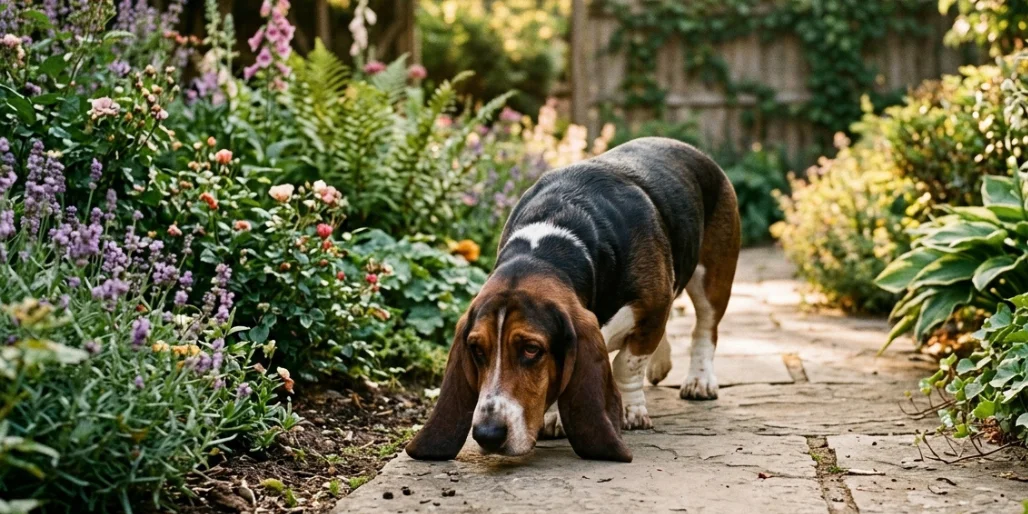
Are you curious about the Basset Hound? This breed guide is here to answer all your questions about this distinctive dog breed. The Basset Hound, with its endearing droopy eyes and long, floppy ears, is much more than just a cute face; it possesses a unique history and a wonderfully affectionate temperament, making it a beloved companion for many families.
Basset Hound Characteristics
The Basset Hound is truly one-of-a-kind when it comes to its characteristics. From its instantly recognizable physical traits to its incredibly docile temperament, this hound breed offers a blend of qualities that set it apart from other dog breeds. Understanding these characteristics is key to appreciating what makes the Basset Hound such a special companion.
Physical Traits of the Basset Hound
The Basset Hound is renowned for its distinctive physical attributes, most notably its short legs, which give it a low-slung appearance. Despite their height, these dogs are surprisingly muscular and heavy-boned. Their long ears, often described as droopy, are not just for show; they help funnel scents towards their powerful nose, making them excellent scent hounds. Their sad-looking, droopy eyes and wrinkled brow add to their endearing charm.
Temperament of the Basset Hound
When it comes to temperament, the Basset Hound is typically described as an affectionate and gentle dog. They are known for their laid-back and docile nature, making them wonderful family pets. This breed thrives on companionship and enjoys being part of the family’s activities. While they can be a bit stubborn at times, their sweet disposition generally prevails, making them a joy to have around the house.
Common Behaviors and Traits
Basset Hounds exhibit several common behaviors that are typical of the breed. Their exceptional sense of smell means they love to follow a trail, sometimes to the point of distraction, which is a throwback to when they were originally bred to hunt. They are also known for their distinctive baying bark, which they use to express themselves. While generally calm indoors, they do enjoy leisurely strolls and a good sniff-around in the yard.
Basset Hound Grooming Guide
Grooming Needs for Basset Hounds
Grooming your Basset Hound is an important part of keeping this unique breed healthy and happy, even with their relatively low-maintenance coat. While their short, dense fur doesn’t require extensive styling, regular attention to their droopy ears, wrinkled skin, and nails is crucial. Understanding the specific grooming needs of your Basset will ensure they remain comfortable and free from common issues associated with their distinctive features, contributing to their overall well-being as a beloved companion.
Bathing and Coat Care
Bathing a Basset Hound should be done as needed, typically every few weeks or when they get particularly dirty, using a mild dog shampoo to protect their skin. Their short, smooth coat is relatively easy to care for and a good brushing a few times a week will help remove loose fur and distribute natural oils, keeping their coat shiny and healthy. Despite their short legs, a thorough rinse is essential to prevent skin irritation, especially in their underbelly and paw areas.
Nail Trimming and Ear Care
Regular nail trimming is vital for Basset Hounds, as overly long nails can cause discomfort and lead to foot problems due to their low-slung stature. Aim to trim their nails every 3-4 weeks. Their long, droopy ears are prone to infections, so weekly cleaning with a vet-approved ear cleaner is a must to prevent moisture buildup and wax accumulation. Paying close attention to these areas is crucial for maintaining your Basset’s comfort and preventing potential health issues.
Basset Hound Health
Overview of Basset Hound Health Issues
Understanding Basset Hound health issues is paramount for any owner, as this beloved breed, while generally robust, is prone to certain hereditary and breed-specific conditions. The unique physical characteristics of the Basset, such as their long ears and short legs, can contribute to particular health challenges. Being aware of these potential concerns from puppyhood through their adult years allows for proactive care and early intervention, significantly impacting the quality and longevity of your Basset Hound’s life.
Common Basset Hound Health Concerns
Basset Hounds are prone to several common health issues. Due to their long backs and short legs, spinal problems like intervertebral disc disease are a concern. Their droopy ears make them susceptible to ear infections, requiring regular cleaning. Additionally, Basset Hounds can experience gastric dilatation-volvulus (bloat), a serious condition that requires immediate veterinary attention. Hip and elbow dysplasia are also more common in this breed, so early screening and awareness are important for their long-term health.
Importance of Pet Insurance for Basset Hounds
Given the potential for various Basset Hound health issues, investing in pet insurance can provide immense peace of mind and financial support. Pet insurance can help cover the costs of unexpected illnesses or accidents, including treatments for conditions like hip dysplasia, ear infections, or emergency surgery for gastric dilatation-volvulus. This ensures that your Basset Hound can receive the best possible care without placing a significant financial burden on your family, allowing you to focus on their recovery and well-being. Pawandbreeds provides a helpful dog A-Z Breeds Guide.
Buying a Basset Hound
What to Consider Before Getting a Basset Hound
Before you bring a Basset Hound puppy into your home, it’s really important to consider if this breed is the right fit for your lifestyle. Basset Hounds, with their distinctive short legs and long ears, are known for their affectionate and docile temperament, making them wonderful family pets, but they do have specific needs. Think about their potential for barking, their strong sense of smell that can lead them astray, and the grooming required for their droopy ears. This breed guide aims to help you make an informed decision about welcoming a Basset into your life.
Finding a Reputable Breeder
When looking to buy a Basset Hound puppy, finding a reputable breeder is absolutely crucial for ensuring you get a healthy and well-socialized dog. A good breeder will prioritize the Basset Hound’s health, adhere to breed standard guidelines, and be transparent about the puppy’s lineage and any potential common health issues like hip dysplasia. They will often be involved with the Basset Hound Club or the Basset Hound Club of America and should be able to provide health clearances for the parent dogs, demonstrating their commitment to the breed.
Adopting vs. Buying a Basset Hound
Deciding between adopting or buying a Basset Hound is a significant choice, each path offering its own rewards. Adopting an adult Basset Hound from a rescue organization can be incredibly fulfilling, giving a deserving dog a second chance at a loving home, and these dogs often come with some basic training. On the other hand, buying from a reputable breeder allows you to select a Basset Hound puppy with a known background, ensuring you understand their genetic predispositions and early socialization experiences, which is often preferred by those looking for very specific temperament traits or showing potential.
Similar Breeds to the Basset Hound
Comparison with Other Hound Breeds
When comparing the Basset Hound to other hound breeds, their unique characteristics truly stand out. While all hound breeds share an excellent sense of smell and were originally bred to hunt, the Basset’s short legs and low-slung body make them distinct from taller scent hounds like the Bloodhound. The Basset Hound was developed in France for tracking small game, and their deep, baying bark is a testament to their heritage. Their temperament is generally more laid-back than some of their more energetic hound cousins, making them a more relaxed companion.
Characteristics of Similar Dog Breeds
Several dog breeds share characteristics with the Basset Hound, particularly in their scent hound abilities and affectionate nature. Breeds like the Beagle, while smaller and more energetic, also possess a keen sense of smell and a friendly disposition, making them excellent family dogs. The Dachshund, with its own short legs and elongated body, shares the low-slung appearance but differs in temperament, often being more feisty. When considering similar breeds, evaluate factors like energy levels, grooming needs, and potential common health issues to find the best match.
Choosing the Right Dog Breed for You
Ultimately, choosing the right dog breed for you involves careful consideration of your lifestyle, living situation, and what you seek in a companion. If you’re drawn to the Basset Hound, you likely appreciate their calm, affectionate temperament and distinctive looks. However, if their potential for stubbornness or specific Basset Hound health issues like gastric dilatation-volvulus (bloat) are concerns, exploring similar breeds might be beneficial. Researching different dog breeds and understanding their needs will help you find a loyal friend that perfectly complements your home and heart, possibly with the help of a comprehensive dog A-Z Breeds Guide.
FAQ’s
Q: What is a typical basset hound dog and where did this dog breed come from?
A: A typical basset hound is low to the ground with long ears, loose skin, and short legs — they were originally bred in France, and their name comes from a french word meaning “rather low.” They’re second only to the bloodhound in scenting ability and are known for being stubborn and independent yet gentle and affectionate.
Q: What is the basset hound lifespan I can expect as a basset hound owner?
A: Most basset hound lifespan ranges from about 10 to 12 years, though responsible breeders, good nutrition like high-quality dog food, and regular vet care can help them live to the higher end of that range.
Q: What are the common basset hound health issues I should watch for?
A: Common basset hound health issues include joint issues (due to being an osteochondrodysplastic breed), back problems, ear infections, and skin infections. They’re prone to certain health issues related to their body shape, so health testing and regular vet checks are important to catch potential health risks early.
Q: How should I feed my basset — how much and what kind of food should I give?
A: Feed your basset a balanced diet of high-quality dog food measured to maintain a healthy weight; because they’re low to the ground and prone to joint issues, extra weight makes problems worse. Ask your vet for the right amount of exercise and food portions for your dog’s age and activity level.
Q: Are there breed-specific health tests or checks I should ask about from breeders or a kennel club?
A: Yes — responsible breeders will provide health testing for common basset hound health issues, including hip and elbow checks, eye exams, and screening for genetic conditions common to the breed. Look for breeders who follow kennel club guidelines and who provide clear health records.
Q: How much exercise does a basset hound need and what are their activity limits?
A: Bassets need a moderate amount of exercise — daily walks and sniffing time are perfect. They have a strong nose and love to follow scents, but because of joint issues and their body shape, avoid high-impact activities and too much jumping; tailor the amount of exercise to your dog’s health needs.
Q: What grooming and general care does a basset require to avoid issues like skin infections?
A: Regular ear cleaning, routine bathing, and keeping skin folds dry help prevent ear and skin infections. Maintain nail trims and dental care, and inspect folds and ears frequently. Proper care also includes weight management, good food, and regular vet visits to head off potential health risks.
Q: Are basset hounds easy to train given they’re stubborn and independent?
A: They can be a challenge — bassets are stubborn and independent, so positive reinforcement and patience work best. Short, consistent training sessions and rewarding sniffing behavior help. Socialization early on and firm, gentle leadership from owners will get the best results.