Are you curious about the Basenji, often called the “barkless dog”? This comprehensive guide will tell you everything you need to know about this fascinating and unique canine companion. We’ll explore their distinctive traits, history, and how to best care for a Basenji, helping you decide if this breed is the right fit for your home.
Introduction to the Basenji Breed
Overview of Basenji Characteristics
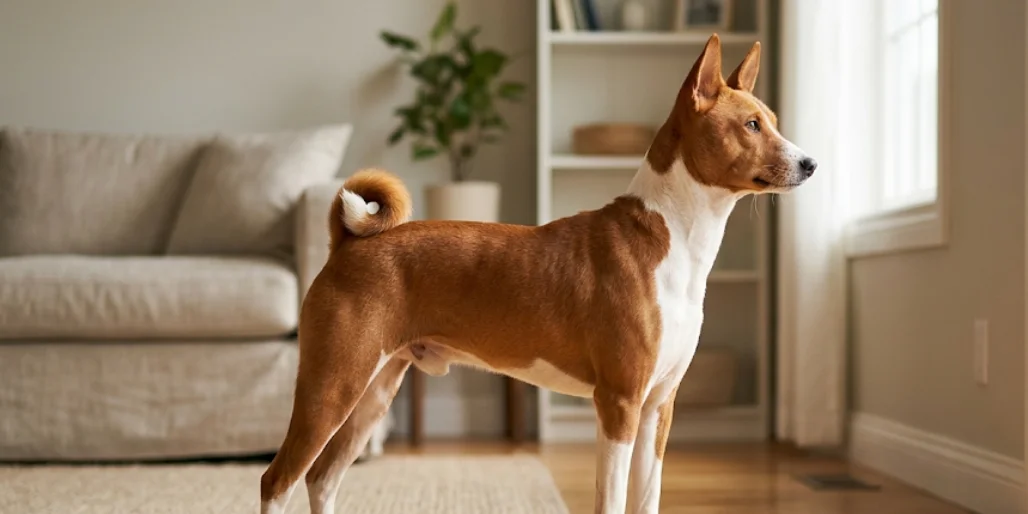
The Basenji dog breed is truly a sight to behold, known for its elegant stance and intelligent, inquisitive eyes. This ancient breed boasts a short, fine coat that comes in a variety of colors, including red, black, brindle, and tricolor, often with white markings on the chest, feet, and tail tip. They are medium-sized dogs, possessing a muscular build that hints at their agile nature and historical role as hunting dogs.
History and Origin of Basenjis
The history of the Basenji is as captivating as the breed itself, with roots tracing back to ancient Egyptian times. These dogs originated in Central Africa, specifically the Congo, where they were highly prized by tribes for their exceptional hunting skills and quiet demeanor. Artifacts depicting dogs resembling the Basenji have even been found in pharaohs’ tombs, cementing their status as one of the oldest dog breeds.
Understanding the Basenji’s Unique Traits
What truly sets the Basenji apart is its inability to bark; instead, this unique canine communicates through a variety of sounds, most notably a distinctive “yodel.” This barkless trait, combined with their catlike grooming habits and independent nature, makes the Basenji a truly singular dog. They are often described as intelligent, alert, and somewhat mischievous.
Basenji Temperament and Behavior
Personality Traits of Basenjis
The Basenji possesses a complex and intriguing temperament that captivates many a Basenji owner. They are often described as independent and intelligent, with a mischievous streak that can keep their pet parents on their toes. These dogs are affectionate with their families but can sometimes be reserved with strangers, showcasing a watchful and discerning personality that speaks to their ancient hunting dog instincts.
Socialization Needs for Basenjis
Early and consistent socialization is paramount for a Basenji puppy to develop into a well-adjusted adult dog. Exposing your pup to a variety of people, sights, sounds, and other dogs from a young age will help them learn appropriate canine etiquette and build confidence. Without proper socialization, Basenjis can become overly shy or even exhibit fear-based behaviors.
Training Tips for Basenji Owners
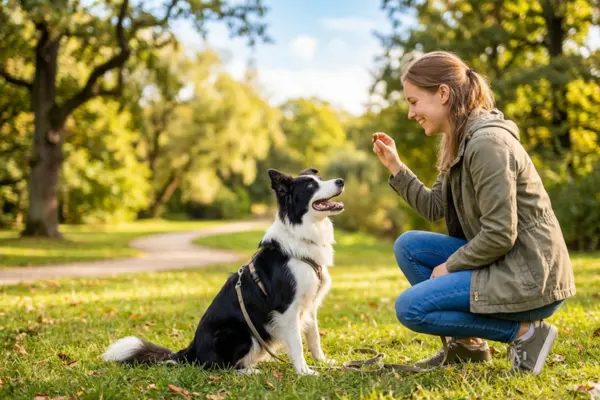
Training a Basenji requires patience, consistency, and a good sense of humor due to their independent and sometimes stubborn nature. Positive reinforcement methods work best, as they respond well to rewards and praise rather than harsh corrections. Keep training sessions short, engaging, and fun to maintain their interest, as they can quickly become bored with repetitive tasks.
Grooming and Care for Basenjis
Grooming Requirements for a Healthy Basenji
When it comes to grooming your Basenji, you’ll find it to be a relatively low-maintenance task, thanks to their incredibly clean and catlike nature. These dogs are meticulous self-groomers, constantly cleaning their short, fine coats. A weekly brushing with a soft brush or a grooming mitt is usually sufficient to remove loose hair and keep their coat looking sleek and healthy. Regular nail trims are also essential to prevent discomfort and ensure your Basenji’s paws remain in good condition.
Diet and Nutrition for Basenji Dogs
Providing a balanced and nutritious diet is crucial for the overall health and well-being of your Basenji. High-quality dog food, appropriate for their age, activity level, and size, is recommended. Given the Basenji’s active nature, ensuring they receive adequate protein and nutrients will help maintain their energy and muscle mass. Always monitor their weight and adjust food portions as needed to prevent obesity, a common health concern in many dog breeds.
Exercise Needs for Basenjis
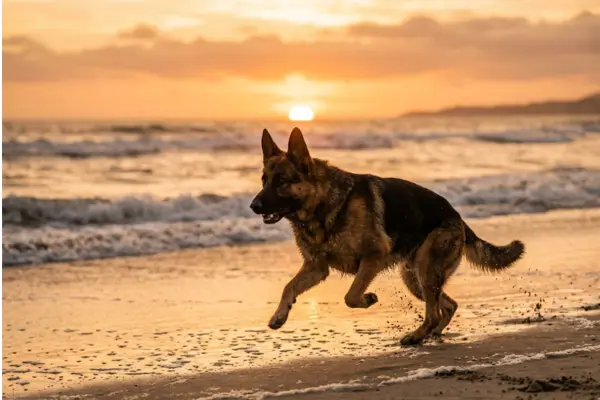
The Basenji, being an energetic and athletic dog breed, has significant exercise needs that must be met to keep them happy and well-behaved. Daily walks, runs, or play sessions in a securely fenced yard are essential to burn off their energy. Their intelligence also means they benefit from mental stimulation, so incorporating puzzle toys or training exercises into their routine can prevent boredom and destructive behaviors often seen in an under-exercised Basenji.
Health and Genetic Considerations
Common Health Issues in Basenjis
While generally considered a healthy breed, Basenjis are prone to certain health concerns that potential Basenji owners should be aware of. One of the most significant is Fanconi Syndrome, a genetic kidney disease that affects the reabsorption of nutrients, leading to excessive urination and nutrient loss. Other issues can include Progressive Retinal Atrophy (PRA), which can lead to blindness, and hip dysplasia, a common orthopedic problem in many dog breeds.
Genetic Predispositions for Basenjis
The Basenji breed has several genetic predispositions that responsible breeders actively screen for. Fanconi Syndrome, as mentioned, is a key concern, but fortunately, a DNA test is available, allowing breeders to make informed decisions and reduce the incidence of this debilitating disease. Other genetic conditions include Pyruvate Kinase Deficiency, which affects red blood cells, and certain eye conditions like coloboma. Reputable breeders will always provide clear health clearances for their Basenji puppies.
Preventative Care and Vet Visits
Regular veterinary check-ups are vital for the long-term health of your Basenji. Annual visits allow your vet to monitor your dog’s overall health, administer necessary vaccinations, and perform screenings for breed-specific health issues. Early detection of conditions like Fanconi Syndrome or Progressive Retinal Atrophy through routine blood and urine tests can significantly improve the prognosis and quality of life for your beloved Basenji.
Creating a Basenji-Friendly Home
Adapting Your Home for a Basenji
When considering bringing a Basenji into your life, adapting your home is crucial to ensuring a happy and secure environment for this unique dog breed. Because Basenjis are known for their athleticism and intelligence, they can be escape artists, so a securely fenced yard is non-negotiable. Think about their independent temperament; while they love their pet parents, they also appreciate their own space, so a designated “safe zone” or crate can be beneficial.
Safe Spaces for Basenjis
Creating safe spaces within your Basenji home is paramount, especially for a Basenji puppy still exploring its boundaries. A sturdy crate can serve as a secure den for your Basenji, providing a comfortable retreat where they feel safe and can relax. Given their innate curiosity and ability to climb or jump, ensuring all windows and doors are secure, and that any potential hazards are out of reach, will prevent your clever canine from finding mischief.
Integrating Basenjis into Family Life
Integrating a Basenji into family life means understanding their unique blend of independence and affection. While they are often described as a “barkless dog” that yodels, they are still very much a part of the family, thriving on interaction and inclusion. Consistent routines, clear boundaries, and involving them in family activities will help your Basenji feel secure and loved, strengthening the bond between this fascinating breed and its pet parents.
Conclusion and Resources
Final Thoughts on Basenjis
Bringing a Basenji into your home is an incredibly rewarding experience, offering a companionship unlike any other dog breed. Their unique temperament, often described as catlike due to their grooming habits and independent nature, means they are not the right breed for everyone. However, for those prepared for their intelligence, energy, and distinctive communication (the famous Basenji yodel!), the Basenji makes a loyal and entertaining family member.
Where to Find More Information
For prospective Basenji owners eager to delve deeper into this ancient Egyptian breed, numerous resources are available. The Basenji Club of America, as well as the AKC (American Kennel Club), offer extensive breed information, including details on the breed standard, health concerns like Fanconi Syndrome, and lists of reputable breeders. These organizations are invaluable for ensuring you find a generally healthy pup and are well-informed about the Basenji’s specific needs.
Pawandbreeds and Dog A-Z Breeds Guide
When searching for comprehensive information on various dog breeds, including the fascinating Basenji, Pawandbreeds is a valuable resource. Their Dog A-Z Breeds Guide provides detailed insights into temperament, health, grooming, and more, helping you make an informed decision about whether a Basenji is the perfect fit for your lifestyle. Exploring such resources ensures you are prepared for the unique joys and challenges of this wonderful breed.
FAQ’s
Q: What makes the Basenji dog breed unique compared to other breeds?
A: Basenjis are a breed specific curiosity — they’re often described as “like a cat” because of their grooming habits, fastidious nature, and independent streak. They have a curled tail, a compact build often around 17 inches at the shoulder for males, and a reputation for being bark-quiet (they yodel or “baroo” instead). Their origins trace back to tribes in the Congo and even pharaoh-era art, which gives them that ancient, exotic vibe.
Q: Is a Basenji a good fit for my basenji home and lifestyle?
A: If your basenji home offers mental stimulation, secure fencing, and interactive time, you’ll likely be happy. Basenjis are energetic and used for hunting historically, so they need exercise and a chance to chase safely. They’re independent and can be stubborn with training, so patient, consistent owners who enjoy a clever, catlike dog do best.
Q: What are common health conditions I should watch for in this dog breed?
A: Basenjis are generally healthy breed-wise but have some specific to basenjis concerns: hypothyroidism, kidney failure, bladder stones, and patella issues. Some lines carry genetic risks; dna test available for some conditions, and routine urine screening can help catch problems like kidney or bladder issues early. If you notice excessive thirst, vomiting or diarrhea, greasy diarrhea, or other changes, get immediate veterinary attention.
Q: How long do Basenjis typically live and what influences lifespan?
A: Basenjis usually have a lifespan of 10-12 years. Genetics, diet, regular vet care, and catching health conditions early (like hypothyroidism or kidney disease) all influence how long they live. Lifelong management, including special diets or lifelong medication for some issues, can improve quality and length of life.
Q: Are there routine tests or preventive steps specific to Basenji health information?
A: Yes — routine urine screening, periodic bloodwork, and pedigree-based dna testing available for certain inherited issues are smart moves. Pay attention to signs like excessive thirst, greasy diarrhea, or changes in appetite. Some owners use digestive enzymes or special diets for chronic digestive issues, but always check with your vet instead of self-treating.
Q: Do Basenjis require any special medical treatments or lifelong medication?
A: Some Basenjis do need lifelong medication — for example, hypothyroidism often requires daily thyroid replacement. Others may need arthritis medication later in life for patella or joint issues. Lifelong management can include special diets for kidney or bladder problems and close monitoring if they’re prone to kidney failure or bladder stones.
Q: What emergency signs should make me seek immediate veterinary attention for my Basenji?
A: Get immediate veterinary attention for severe vomiting or diarrhea, signs of blockage, sudden lethargy, excessive thirst that’s new, bloody urine, or a visible umbilical hernia in puppies. These could signal serious health conditions like kidney issues, bladder stones, or surgical emergencies.
Q: How do Basenjis behave around the house — grooming, exercise, and training tips for a happy basenji home?
A: Basenjis groom themselves a lot and shed minimally, so grooming is low-maintenance. They need daily exercise and mental challenges because they were used for hunting and have high prey drive. Training benefits from short, fun sessions and positive rewards; they respond better to clever strategies than harsh corrections. Give them secure outdoor space because that curled tail hides a fast chaser when a squirrel appears!