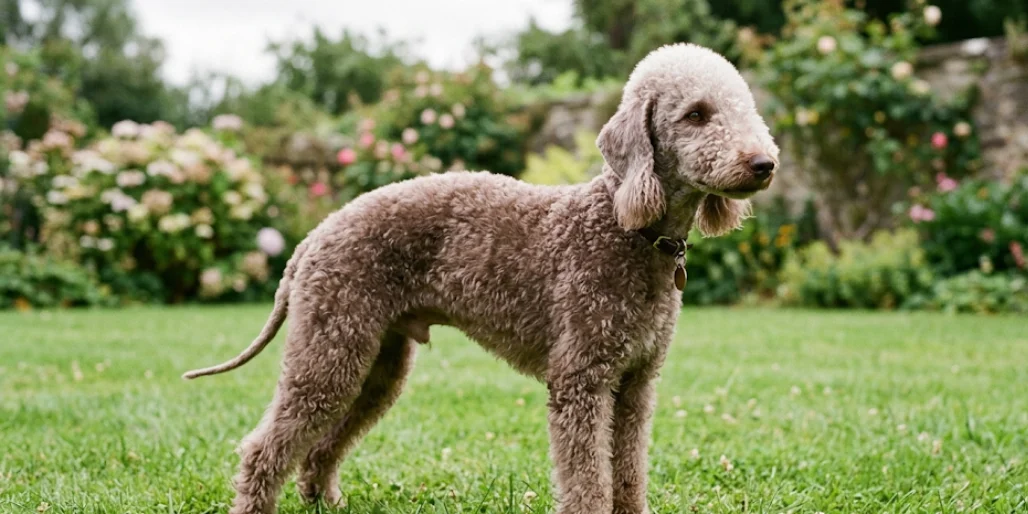
Are you curious about the unique Bedlington Terrier? This comprehensive guide will tell you everything you need to know about this distinctive breed, from its history and appearance to its temperament and care requirements. Let’s dive into the world of Bedlingtons!
Overview of the Bedlington Terrier Breed
History and Origin of Bedlington Terriers
The Bedlington Terrier breed hails from the mining town of Bedlington in Northumberland, England. Originally bred to hunt vermin, these dogs were prized for their tenacity and speed. The Bedlington Terrier dog breed information reveals a fascinating past rooted in working-class communities.
| Characteristic | Details |
| Origin | Bedlington, Northumberland, England |
| Original Purpose | Hunting vermin |
| Ancestry | Dandie Dinmont Terrier, Whippet |
Physical Characteristics
The Bedlington Terrier is a small breed known for its distinctive lamb-like appearance. A Bedlington Terrier puppy quickly develops these charming traits, making them quite adorable.
| Feature | Description |
| Coat | Curly, linty; requires regular grooming to prevent matting |
| Silhouette | Elegant and unique; characterized by an arched back, pear-shaped head, and tasseled ears |
Common Health Issues
While generally robust, Bedlington Terriers are known for certain hereditary health conditions. Responsible breeders screen for these issues.
| Condition Name | Description |
| Copper Toxicosis | Also known as copper storage disease or copper in the liver, this liver disease can be debilitating if not managed. |
| Progressive Retinal Atrophy (PRA) | This condition can lead to blindness. |
Temperament and Behavior
Understanding the Terrier Temperament
The Bedlington Terrier possesses a typical terrier temperament: feisty, courageous, and full of life. Despite their gentle appearance, they can be surprisingly bold and are not afraid to stand their ground. They are affectionate with their families but can be reserved with strangers. This breed, known for its spirited nature, definitely keeps life interesting.
Socialization and Training Needs
Early socialization is crucial for Bedlington Terriers to ensure they develop into well-adjusted adult dogs. Training should be firm but fair, as they can have an an independent streak. Positive reinforcement methods work best with this intelligent breed. Consistent daily exercise is also essential to manage their energy levels and prevent boredom, which can lead to destructive behaviors.
Interaction with Children and Other Pets
Bedlington Terriers can be wonderful family pets, interacting well with children if properly socialized from a young age. However, their strong prey drive, a remnant of their vermin-hunting days, means they might not be the best fit for homes with small animals like hamsters or guinea pigs. Introducing them to other dogs early can foster positive relationships.
Exercise Needs of Bedlington Terriers
Daily Activity Requirements
Bedlington Terriers, despite their elegant appearance, are an active breed with significant daily exercise needs. To keep these dogs happy and healthy, you’ll need to provide them with regular opportunities to burn off energy. A Bedlington Terrier thrives on a combination of structured walks, playtime, and mental stimulation. Without sufficient activity, these intelligent dogs can become bored and potentially destructive, which is certainly something you’ll want to avoid.
Recommended Exercise Routines
For a Bedlington Terrier, an ideal exercise routine includes at least 30-60 minutes of vigorous activity each day. This can be broken down into two shorter walks or one longer outing. They also enjoy off-leash play in a securely fenced area where they can sprint and explore. Due to their agility and speed, many Bedlington Terriers excel in dog sports like agility courses, which offer both physical and mental challenges that this breed, known for its spirited nature, will love.
Importance of Mental Stimulation
Beyond physical exercise, mental stimulation is crucial for the bright and curious Bedlington Terrier. Puzzle toys, training sessions, and even scent work can keep their minds engaged and prevent boredom. This breed is quite intelligent, and a lack of mental enrichment can lead to undesirable behaviors. Integrating mental games into their daily routine will contribute significantly to their overall well-being and a happy temperament.
Grooming the Bedlington Terrier
Grooming Tools and Techniques
Grooming the Bedlington Terrier requires specific tools and techniques to maintain their unique lamb-like coat. You’ll need a slicker brush, a comb, and thinning shears or clippers. The coat of a Bedlington Terrier puppy is softer, but as they mature, their adult coat develops that distinct texture. Regular brushing helps prevent mats and removes loose hair, keeping their beautiful coat in top condition. If you want to learn how to do it yourself, there are many tutorials and even professional groomer courses that can teach you all the tricks.
Frequency of Grooming Sessions
To prevent mats and maintain the health of their coat, Bedlington Terriers require regular grooming. Ideally, you should brush your Bedlington Terrier several times a week, and a full grooming session, including bathing and trimming, should occur every 4-6 weeks. This consistent routine ensures their coat remains manageable and prevents skin issues. If you’re not comfortable doing it yourself, finding a professional groomer experienced with the Bedlington Terrier breed is a great option.
Common Grooming Challenges
One of the main challenges in Bedlington Terrier grooming is preventing the coat from matting, especially in areas like behind the ears, under the legs, and around the tail. Their curly, linty coat can quickly tangle if not regularly brushed. Another challenge is achieving the breed’s characteristic sculpted look, which often requires specific clipping techniques. Regular vet checks may also identify issues like copper in the liver, which can impact coat health. However, with consistent effort and the right tools, maintaining a Bedlington Terrier’s coat is totally achievable.
Fun Facts about Bedlington Terriers
Unique Traits and Quirks
Bedlington Terriers truly are a breed full of unique traits and quirks! Did you know they have a “lamb-like” appearance, which is quite distinctive among dog breeds? This small breed is also known for its bounding gait, often described as a “Bedlington bounce.” Their calm and affectionate demeanor at home contrasts sharply with their surprising agility and speed when they’re out and about, showcasing a truly dual temperament that makes them endlessly fascinating. This breed, known for its spirited nature, can also be quite comical.
Notable Bedlington Terrier Owners
Over the years, several notable figures have fallen for the charm of Bedlington Terriers. These affectionate dogs have graced the homes of various celebrities and historical figures, though specific names are often kept private. However, their presence in the mining town of Bedlington, Northumberland, suggests they were beloved companions across all social strata, from miners to gentry. The unique look and temperament of the Bedlington Terrier breed make them a favored choice for those seeking a distinctive companion.
Interesting Anecdotes
One fascinating anecdote about Bedlington Terriers relates to their history as vermin hunters. Despite their gentle, lamb-like appearance, they were fierce and tenacious in their work. There are tales of these brave dogs successfully confronting much larger animals, a testament to their courageous, typical terrier temperament. Their agility and speed, inherited partly from the Whippet, made them incredibly effective. This small breed has a big heart and an even bigger spirit!
Everything You Need to Know About Bedlington Terriers
Key Considerations for Potential Owners
If you’re considering welcoming a Bedlington Terrier into your home, there are several key considerations. This breed requires consistent socialization from a young age to ensure a well-adjusted temperament. Potential owners should also be prepared for their grooming needs; their unique coat requires regular attention to prevent matting. Additionally, understanding the potential for specific health issues like copper toxicosis or PRA (Progressive Retinal Atrophy) is crucial for responsible ownership. Finding a reputable Bedlington breeder who screens for these conditions is highly recommended.
Resources for Further Information
For those eager to delve deeper into the world of Bedlington Terriers, numerous resources are available. The Bedlington Terrier Club of America is an excellent starting point, offering comprehensive breed information, breeder directories, and health insights. Online forums and communities dedicated to the Bedlington Terrier breed can also provide valuable advice from experienced owners. For a broader perspective, you can check out the Pawandbreeds brand’s A-Z Breeds Guide, which can help you learn more about different breeds.
Conclusion: Why Choose a Bedlington Terrier?
Choosing a Bedlington Terrier means bringing a truly unique and affectionate companion into your life. Their distinctive lamb-like appearance, coupled with a lively yet gentle temperament, makes them stand out among dog breeds. While they do require dedication in terms of grooming and early socialization, the rewards are immense. This small breed offers endless entertainment, unwavering loyalty, and a charming presence that enriches any home. They are wonderful family pets for those prepared to meet their specific needs.
FAQ’s
Q: What basic breed information should I know about the Bedlington Terrier?
A: The short version: bedlington terriers are active, playful dogs with a lamb-like look. The breed information includes their size, coat types like blue and tan, sandy and tan, or liver and tan, and traits from the breed standard such as a pear-shaped head and arched back. They’re known for their affectionate, bonds with their owners, and make good family dogs when socialized.
Q: How much exercise does an adult Bedlington need — minutes of exercise per day?
A: Adult Bedlington typically need around 30–60 minutes of exercise daily. They’re active dogs who enjoy walks, play sessions, and mental stimulation because bedlington terriers are intelligent and have a playful nature. A tired Bedlington is a happy Bedlington.
Q: Are Bedlingtons good with children and other pets?
A: Yes — generally they are gentle with children and can be family dogs if raised right. They bond with their owners and like to be part of the household. That said, they need to be taught proper manners around kids and should never be left alone for long periods; early socialization helps them be good with children and other pets.
Q: What health issues should owners watch for, like anything with the back of the eye or liver disease?
A: Bedlingtons are prone to certain health issues. One eye issue to screen for is total retinal dysplasia, which affects the back of the eye. They’re also known to be susceptible to a liver disease called copper toxicosis (a genetic copper-storage problem). Regular vet checks and genetic testing where available are smart moves for responsible dog ownership.
Q: How often does a Bedlington terrier grooming routine need professional help?
A: For bedlington terrier grooming, many owners schedule professional grooming every six weeks to keep the coat in top shape. The breed’s coat needs to be trimmed to meet the breed standard look, and professional grooming every visit helps keep their fur tidy and prevents matting.
Q: Can I groom my Bedlington at home, and how do I keep their fur healthy between pro appointments?
A: You can do basic maintenance — brushing to keep their fur free of tangles and checking skin — but breed-specific clipping is usually best left to a pro. Between appointments, keep their fur clean, brush regularly, and check ears and teeth. Remember bedlington terriers are intelligent and benefit from grooming routines that double as bonding time.
Q: Are Bedlington Terriers easy to train, or do they need special methods?
A: They’re pretty trainable because bedlington terriers are intelligent, but they can be independent. Positive reinforcement and short, consistent sessions work best. They need to be taught boundaries early and respond well to rewards and play, tapping into their playful nature.
Q: What should a new dog owner expect when bringing home a new Bedlington terrier?
A: If you’re getting a new dog, expect a social, affectionate pup that bonds quickly but prefers company — they should never be left alone for long. Prepare for regular grooming, vet screenings for things like total retinal dysplasia and liver issues, training to make them good family dogs, and daily minutes of exercise to keep these active dogs happy.