If you’re wondering whether a Bloodhound is the right dog breed for you, this guide will help you understand their unique temperament and care needs. Bloodhounds are renowned for their exceptional sense of smell and gentle nature, making them fascinating companions, but they do require specific attention to thrive.
Understanding the Bloodhound Breed
History of the Bloodhound
The Bloodhound, with its deep-rooted history, is one of the oldest dog breeds known for its incredible tracking abilities. Originating in medieval Europe, this hound was primarily bred by monks to follow cold trails, often used for hunting deer and wild boar. Their exceptional sense of smell quickly made them invaluable for law enforcement and search and rescue operations, establishing their reputation as the ultimate scent hound. This particular breed’s lineage is truly fascinating, showcasing centuries of dedicated breeding to perfect its innate abilities.
Characteristics of the Bloodhound
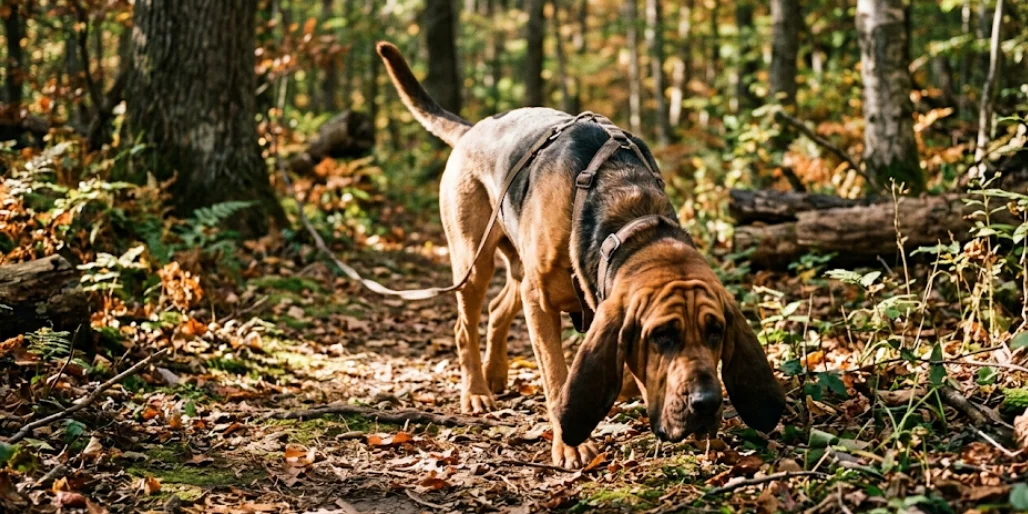
The Bloodhound dog breed is easily recognizable by its distinctive droopy features, which are actually functional, helping to trap scent particles close to their nose. Beyond their appearance, Bloodhounds possess an incredibly powerful sense of smell, making them unparalleled in scent work. Their temperament is typically affectionate and gentle, making them wonderful family companions, though their strong tracking instincts mean a securely fenced area is essential.
| Feature | Description |
| Distinctive Droopy Features | Long ears, loose skin around the face, and profound wrinkles, giving them a somewhat mournful expression. |
| Functional Purpose | Helps to trap scent particles close to their nose. |
Why Choose a Bloodhound?
Choosing a Bloodhound means welcoming a dog breed with an extraordinary temperament and captivating personality into your home. If you’re looking for an affectionate companion with a unique set of skills, this hound might be perfect. Their gentle and patient nature makes them excellent with children and other pets. For experienced Bloodhound owners, the rewards of training and bonding with this remarkable breed are immeasurable.
However, it’s crucial to understand their specific care needs:
| Exercise Needs | Ample daily exercise |
| Containment | Securely fenced yard (to prevent them from following an enticing trail) |
You can also explore Pawandbreeds A-Z Breeds Guide to learn more about different breeds.
Bloodhound Temperament
Personality Traits
The Bloodhound temperament is truly something special; they are renowned for being incredibly affectionate and gentle, making them wonderful companions for many families. Despite their imposing size, these hounds are generally very calm and patient, showcasing a sweet disposition that endears them to everyone they meet. Their strong sense of smell means they are always keen to sniff out new trails, but this natural curiosity is balanced by their loving nature. Training a Bloodhound requires patience and positive reinforcement, as their independent streak can sometimes make them a bit stubborn, but their desire to please their owners shines through.
Social Behavior with Family and Other Pets
Bloodhounds are a dog breed that truly thrives on companionship, exhibiting a remarkably affectionate nature towards their human families. They are typically excellent with children, displaying a patient and tolerant temperament, which makes them a fantastic family dog. When it comes to other pets, particularly other dogs, Bloodhounds usually get along well, especially if introduced during their puppy stages. Their gentle disposition means they are rarely aggressive, preferring to explore the world with their incredible tracking skills rather than engage in conflict. Early socialization and consistent, positive reinforcement are key to fostering these harmonious relationships within your home.
Adaptability and Living Conditions
The Bloodhound breed is highly adaptable, but certain living conditions are essential for their well-being. These scent hounds thrive in environments that accommodate their strong tracking abilities and unique physical needs. Daily exercise is also crucial to keep them happy and healthy, preventing boredom and potential destructive behaviors.
| Requirement | Details |
| Outdoor Space | A securely fenced yard or a large, securely fenced area is essential for safe scent exploration, preventing them from wandering off on a trail. |
| Physical Care | Regular care for their droopy ears and loose skin is needed to prevent ear infections and skin issues. |
Caring for Your Bloodhound
Feeding and Nutrition
Proper feeding and nutrition are crucial for maintaining the health and vigor of your Bloodhound. These large scent hounds require a high-quality diet appropriate for their size and activity level. As a breed, Bloodhounds can be prone to bloat, a serious condition, so feeding smaller, more frequent meals throughout the day rather than one large meal can help mitigate this risk. Always consult with your veterinarian to determine the best nutritional plan for your particular Bloodhound puppy or adult dog, ensuring they receive all the essential nutrients for their overall well-being.
Grooming Needs
Grooming a Bloodhound, while not overly complex, does require regular attention to keep their loose skin and long ears healthy. Their droopy ears are particularly susceptible to ear infections, so weekly cleaning is essential. The distinctive wrinkles and folds in their loose skin also need to be kept clean and dry to prevent skin irritations. Regular brushing helps to manage shedding and keeps their coat in good condition. Don’t forget to regularly trim their nails and check their paw pads, as part of a comprehensive grooming routine for this unique dog breed.
Health Considerations
Bloodhounds are generally a robust dog breed, but like all breeds, they are predisposed to certain health conditions. Hip and elbow dysplasia are concerns due to their size, so choosing a puppy from a reputable breeder who screens for these conditions is important. Their deep chest makes them prone to bloat, as mentioned, so careful feeding practices are key. Additionally, their droopy eyes can be susceptible to entropion or ectropion. Regular check-ups with your veterinarian and being aware of these potential issues can help ensure your Bloodhound enjoys a long and healthy life.
Training a Bloodhound
Basic Obedience Training
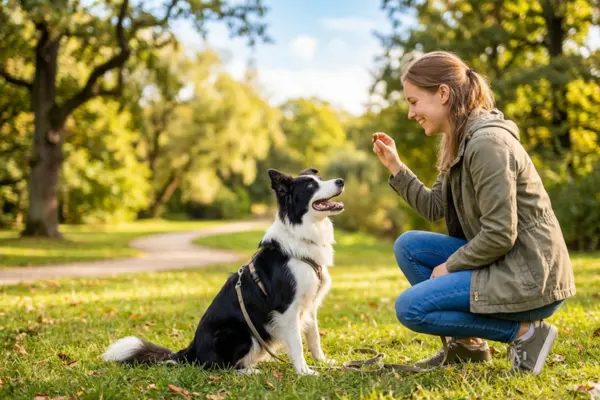
Training a Bloodhound requires patience and positive reinforcement, as their incredible sense of smell can sometimes make them easily distracted by an enticing trail. Starting basic obedience training early with your Bloodhound puppy is crucial. Commands like “sit,” “stay,” and “come” are vital, especially “come” given their strong tracking abilities. Short, fun training sessions with plenty of praise and treats will yield the best results. Remember, consistent training, even with a seemingly stubborn scent hound, will help build a strong bond and a well-behaved companion.
Advanced Training for Scent Work
Given the Bloodhound’s unparalleled tracking skills, advanced training for scent work is where this dog breed truly shines. These scent hounds were born to follow a trail, and engaging them in activities like tracking, search and rescue, or even just fun scent games can fulfill their innate desire to sniff. Specialized training courses can help develop their natural abilities and provide mental stimulation. For experienced Bloodhound owners, delving into advanced scent work can be incredibly rewarding, showcasing the full potential of their dog’s extraordinary sense of smell.
Training Courses and Resources
For those looking to train a Bloodhound, numerous resources are available to help you along the way. Local dog training clubs often offer obedience classes, and some even have specialized scent work courses that are perfect for this breed. The American Bloodhound Club (AKC) is an excellent resource for breed-specific information, including training tips and breeder referrals. Online platforms and experienced Bloodhound owners can also provide invaluable advice and support, ensuring you have all the tools to raise a well-adjusted and happy Bloodhound. You can also explore Pawandbreeds A-Z Breeds Guide to learn more about training various breeds.
Living with a Bloodhound
Daily Exercise Requirements
Living with a Bloodhound means committing to their daily exercise needs, which are crucial for their physical and mental well-being. While these scent hounds might seem calm indoors, they require a good amount of activity to stay healthy and happy. Long, leashed walks are essential, allowing them to indulge their incredible sense of smell and explore various scents. A securely fenced yard or a large, securely fenced area is also invaluable, offering a safe space for them to run and play without the risk of following an enticing trail. Regular daily exercise helps prevent boredom and keeps their temperament balanced.
Creating a Comfortable Home Environment
Creating a comfortable home environment is key to a happy Bloodhound. These affectionate dogs thrive on being part of the family and need a cozy spot to relax. Soft bedding is a must, especially given their size, to support their joints and prevent issues like hip dysplasia. Due to their droopy features and loose skin, keeping their living area clean is important to prevent skin irritations and ear infections. While they might drool a bit, a comfortable, clean space ensures your Bloodhound puppy or adult dog feels secure and cherished, promoting a positive temperament.
Bonding Activities with Your Bloodhound
Bonding with your Bloodhound can be an incredibly rewarding experience, strengthening the unique relationship you share. Engaging in activities that tap into their natural instincts, like scent work or tracking games, is a fantastic way to bond and provide mental stimulation for this intelligent dog breed. Even simple, patient training sessions with positive reinforcement can deepen your connection. Long walks together, allowing them to sniff and explore, are also excellent bonding opportunities. These shared experiences not only enhance their well-being but also reinforce their affectionate nature and loyalty to you.
Conclusion
Summary of Key Points
To summarize, the Bloodhound is a magnificent dog breed known for its exceptional sense of smell and gentle, affectionate temperament. They require specific care, including regular grooming to manage their loose skin and long ears, a high-quality diet to prevent issues like bloat, and consistent daily exercise, ideally within a securely fenced area. Training a Bloodhound demands patience and positive reinforcement, especially recall training, given their powerful tracking abilities. Understanding their unique needs, from preventing dysplasia to managing their drool, ensures a happy and healthy life for this remarkable scent hound.
Final Thoughts on Bloodhound Ownership
Bloodhound ownership is a commitment that promises immense rewards for experienced Bloodhound owners and dedicated families alike. While their care needs, such as managing their droopy ears, providing ample daily exercise, and ensuring a securely fenced yard, are specific, the affectionate temperament and unwavering loyalty of this dog breed make it all worthwhile. Welcoming a Bloodhound into your home means embracing a patient, loving companion who will enrich your life with their unique charm and incredible tracking skills. With proper care and training, a Bloodhound truly becomes an irreplaceable family member.
Additional Resources: Pawandbreeds and Dog A-Z Breeds Guide
For those looking to deepen their understanding of this fascinating dog breed or explore other breeds, additional resources are invaluable. Pawandbreeds offers a comprehensive Dog A-Z Breeds Guide that can provide further insights into the Bloodhound’s temperament, care needs, and training tips, as well as information on a wide array of other breeds. These resources are excellent for prospective owners researching their next companion or current owners seeking to enhance their knowledge and ensure they are providing the best possible care for their beloved Bloodhound.
FAQ’s
Q: What is the Bloodhound dog breed actually like as a pet?
A: Honestly, the Bloodhound personality is a mix of goofy, stubborn, and super affectionate. They’re not hyper little guys bouncing off walls – they’re chill, laid-back hounds who just want to sniff stuff and hang out with their family. But don’t let the sleepy face fool you, once they catch an interesting smell, they turn into a totally different dog and won’t stop until they’ve followed it to the end.
Q: Why is the Bloodhound considered the ultimate scent hound?
A: This breed basically has superpowers when it comes to their nose. We’re talking approximately 300 million scent receptors, which is way more than most other dogs. That’s why they’re the go-to scent-tracking dog for law enforcement and search teams looking for missing people. No other hound really comes close in the dog world when it comes to pure scent-tracking ability.
Q: Is Bloodhound training difficult compared to other dog breeds?
A: Yeah, it can be a bit of a challenge tbh. Bloodhounds are smart but they’re also independent thinkers, so they don’t always feel like listening just because you said so. The trick with bloodhound training is keeping training sessions short and fun, especially with a young puppy who gets bored easily. Positive reinforcement works way better than being strict, and patience is key here.
Q: What do I need to know about walking a Bloodhound on a leash?
A: Get ready for an arm workout. Because they’re bred to follow a scent, a Bloodhound on a leash will pull hard the second they catch a whiff of something interesting. A sturdy leash and harness are basically non-negotiable. Some owners even use tracking harnesses since these dogs were literally designed to work while following scent trails.
Q: Are Bloodhounds prone to certain health issues I should watch for?
A: Unfortunately yes, this breed is prone to certain health problems that owners should keep an eye on. Bloat, also known as volvulus, is one of the scarier ones since it can be life-threatening and happens fast. They’re also big dogs so hip issues and ear infections are common health concerns. Regular veterinary care and knowing the warning signs can make a huge difference.
Q: Why do Bloodhounds have so many wrinkles and facial folds?
A: Those droopy facial folds aren’t just for looks, they actually help trap moisture and scent particles close to the nose, which boosts their tracking ability. The downside is that all those folds require regular cleaning to prevent infections and bad odors building up in there. It’s a bit of extra maintenance but totally worth it for those adorable wrinkly faces.
Q: What does the AKC breed standard say about the Bloodhound dog breed?
A: The akc breed standard describes the Bloodhound as a large, powerful hound with loose skin, long ears, and that unmistakable sad-eyed expression. Any solid bloodhound breed guide will tell you the standard also emphasizes their incredible scenting ability and calm, dignified temperament. They’re built for endurance and stamina since tracking dogs need to work for hours without giving up.
Q: What should I feed my Bloodhound puppy?
A: Picking the right puppy food matters a ton for this breed since they grow really fast and are prone to joint problems later on. Look for large-breed puppy formulas that control growth rate instead of just packing on calories. Talk to your vet about portion sizes too, because a young puppy that grows too quickly can end up with more health issues down the road.
Q: How do I keep a bored Bloodhound from getting destructive?
A: A bored Bloodhound is basically a recipe for chewed furniture and other chaos, ngl. These hounds need mental stimulation just as much as physical exercise. Scent games, puzzle toys, and letting them use their nose on walks all help keep their brain busy. Honestly, giving them a job, even a pretend one, keeps them way happier and less likely to get into trouble.