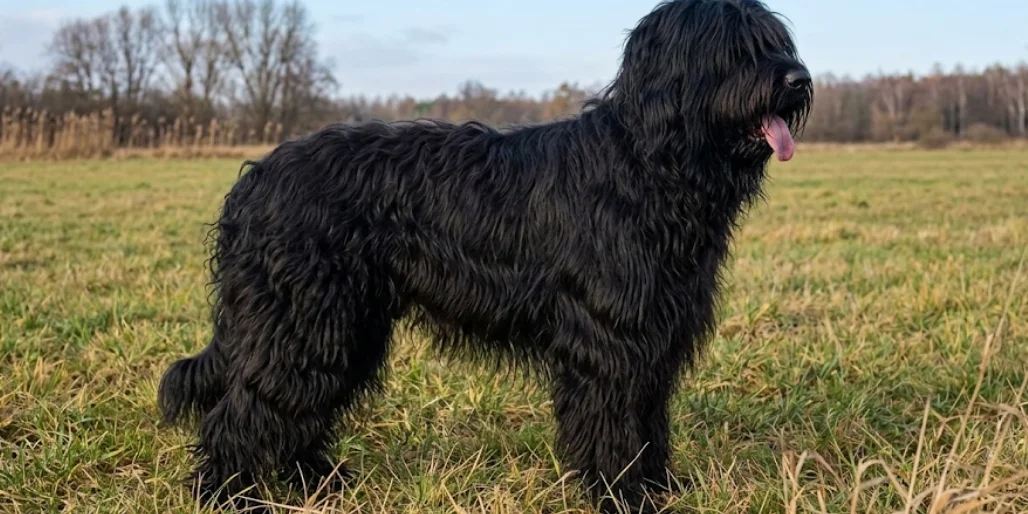
The Briard is an ancient French herding breed with roots tracing back to the 8th century, historically used to herd and protect flocks alongside shepherds. Known for their long, wavy double coat and keen watchdog instincts, they’re intelligent and devoted, with a herding streak that can show up as ‘managing’ family members.
History of the Briard
Origin and Ancestry
The Briard’s history is a fascinating journey that began long ago, with early mentions of large, shaggy dogs in France dating back to the 8th century. These ancient ancestors were primarily used to herd and protect flocks, often working alongside shepherds in the vast French countryside. Their rugged build and keen intelligence made them indispensable working dogs, capable of navigating challenging terrains and safeguarding livestock from predators. This foundational role in herding significantly shaped the breed’s development and inherent instincts.
Development of the Breed
Over centuries, these robust herding dogs were selectively bred to enhance their natural abilities and distinct physical characteristics, eventually leading to the Briard breed we recognize today. The breed’s development was influenced by the practical needs of farmers and shepherds, who sought a dog that was not only an effective herder but also a loyal and vigilant guardian. Their intelligence and willingness to work tirelessly became hallmark traits, solidifying their reputation as versatile and reliable companions in rural France.
Role in Various Cultures
The Briard’s prominence grew, and they became deeply ingrained in French culture, especially within agricultural communities. Beyond their herding duties, their bravery and loyalty saw them utilized during both World Wars, where they served as sentries, messengers, and even search and rescue dogs, demonstrating their incredible versatility and steadfast temperament under pressure. This wartime service further cemented their status as a beloved and respected breed, showcasing their ability to adapt and excel in diverse roles far beyond the pasture.
Briard Temperament
Personality Traits
The Briard is renowned for its distinctive personality traits, making it a truly unique companion. They are often described as intelligent, confident, and utterly devoted to their families, forming strong bonds that last a lifetime. This breed possesses a keen watchdog instinct, always alert to their surroundings, and will readily protect their loved ones. Their inherent herding dog nature means they can sometimes try to “herd” family members, a charming quirk that speaks to their ancestry.
Socialization Needs
Early socialization is absolutely crucial for Briard puppies to ensure they grow into well-adjusted adults. Exposing them to a wide variety of sights, sounds, people, and other animals from a young age helps them develop confidence and good manners. Without proper socialization, some Briards can become reserved or overly protective, making it essential to introduce them to new experiences in a positive and controlled manner. A well-socialized Briard will respond well to new situations.
Compatibility with Families
Briards can be wonderful family dogs, especially for active households that understand their needs. They thrive on being included in family activities and are typically good with children, often displaying a patient and gentle demeanor. However, due to their strong herding instincts, they might try to “manage” younger children, so supervision is always recommended. An individual dog will benefit immensely from a family that provides consistent training, plenty of exercise, and ample mental stimulation.
Caring for Briards
Grooming Requirements
Caring for a Briard, particularly concerning their grooming requirements, is a significant commitment due to their distinctive double coat. This breed boasts a long, slightly wavy, and coarse outer coat with a fine, dense undercoat, which requires regular attention to prevent mats and maintain its health. To keep your Briard looking their best and prevent discomfort, you’ll need to brush them thoroughly several times a week, ideally daily, ensuring you reach down to the skin to clear any tangles. This consistent grooming also helps to minimize shedding and keeps their skin healthy.
Feeding and Nutrition
Proper feeding and nutrition are absolutely vital for maintaining the health and vitality of your Briard. As large, active herding dogs, they require a high-quality diet formulated for large breeds, providing essential nutrients for their energy levels and overall well-being. It’s important to monitor their food intake to prevent obesity, which can exacerbate health concerns like hip dysplasia. Owners of Briards should also be aware of the risk of bloat or gastric dilatation-volvulus (GDV), a serious condition common in deep-chested breeds, and take preventative measures such as feeding smaller, more frequent meals. Consulting with your veterinary professional for specific dietary recommendations is always a good idea.
Exercise and Activity Levels
Briards are inherently active dogs with a history of herding, meaning they have substantial exercise and activity level requirements. They thrive on having a “job” to do and need more than just a short walk around the block; daily vigorous exercise is essential to keep them mentally stimulated and physically fit. Engaging them in activities like long hikes, running, or playing fetch in a securely fenced yard can help burn off their energy. Without adequate exercise, a Briard can become bored and develop undesirable behavioral traits, making it crucial to integrate regular, engaging activities into their daily routine to ensure a happy and well-adjusted companion.
Training and Dog Sports
Basic Training Tips
Training a Briard requires consistency, patience, and a positive reinforcement approach, as these intelligent herding dogs respond well to clear guidance. Early socialization and puppy classes are highly recommended to establish a strong foundation and help your Briard puppy learn appropriate behavior around other dogs and people. Due to their innate desire to herd, basic obedience commands such as “sit,” “stay,” “come,” and “leave it” are not only crucial for safety but also help channel their natural instincts. Consistency in training from a young age will help shape a well-behaved and responsive individual dog, making them a joy to live with.
Engaging in Dog Sports
Given their intelligence, agility, and working dog heritage, Briards excel in a variety of dog sports, providing excellent mental and physical stimulation. Activities like agility, obedience, rally, and herding trials are fantastic outlets for their energy and innate abilities. These dog sports not only strengthen the bond between you and your Briard but also fulfill their desire to learn and work. Many Briards also enjoy tracking and scent work, leveraging their keen sense of smell. Exploring these avenues can truly unlock your Briard’s full potential and keep them engaged throughout their lifespan.
Behavioral Training Techniques
Behavioral training for Briards often involves understanding their deep-seated instincts and guiding them constructively. Because of their watchdog tendencies and protective nature, it’s important to teach them appropriate boundaries and responses to strangers and new situations. Positive reinforcement, such as treats, praise, and play, is highly effective, while harsh corrections can be counterproductive and damage their trust. Addressing any herding behaviors towards family members or other pets through consistent redirection and training can ensure a harmonious household. If you encounter significant behavioral challenges, consulting with a professional dog trainer specializing in the breed or large herding dogs can provide tailored strategies. Don’t forget to check out Pawandbreeds for an A-Z Breeds Guide to learn more!
Health Concerns
Common Health Issues
Like all breeds, Briards are susceptible to certain health concerns, and being aware of these can help owners provide the best possible care for their furry companions. One of the most notable conditions in the Briard breed is Congenital Stationary Night Blindness (CSNB), a genetic disorder that affects their vision in low light. Another serious concern is bloat, or gastric dilatation-volvulus (GDV), which is common in deep-chested dogs and requires immediate veterinary attention. Hip dysplasia, a condition affecting the hip joints, can also be a problem, particularly in larger active dogs. Regular veterinary check-ups are paramount to catch and manage these and other potential issues early in your Briard’s lifespan.
Preventive Care
Preventive care is crucial for ensuring a long and healthy life for your Briard. This includes maintaining a healthy diet, providing consistent exercise, and adhering to a regular vaccination schedule as recommended by your veterinary professional. For conditions like bloat, preventative measures can involve feeding smaller, more frequent meals and avoiding strenuous activity immediately after eating. Regular grooming, including brushing their long, slightly wavy double coat, not only keeps them looking good but also allows you to check for skin issues, parasites, or unusual lumps that might indicate a problem. Being proactive in these areas can significantly improve your Briard’s overall well-being.
Regular Veterinary Check-ups
Regular veterinary check-ups are a cornerstone of responsible Briard ownership, playing a vital role in early detection and management of health concerns. These routine visits allow your vet to perform thorough physical examinations, discuss any changes in your individual dog’s behavior or health, and administer necessary vaccinations and parasite prevention. They can also provide guidance on nutrition, exercise, and specific breed-related issues such as screening for hip dysplasia or monitoring for signs of progressive retinal atrophy (PRA). Establishing a good relationship with your veterinary team ensures your Briard receives comprehensive and timely care throughout their life.
Briard Puppies
Finding a Responsible Breeder
Finding a responsible breeder is paramount when considering bringing Briard puppies into your home, as this choice significantly impacts your puppy’s health and temperament. A reputable breeder will prioritize the well-being of their dogs, conducting thorough health screenings for conditions like CSNB and hip dysplasia, and readily share health clearances for both parent dogs. They should also be transparent about their breeding practices, allow you to visit their facility, and be a member of breed clubs like the Briard Club of America, adhering to the breed standard. Such breeders are committed to ethical practices and providing a healthy start for their Briard puppies.
Behavior of Briard Puppies
Briard puppies are typically energetic, intelligent, and highly inquisitive, displaying early signs of their innate herding dog instincts. From a young age, they can exhibit a strong desire to explore and learn, often trying to “herd” toys, other pets, or even family members. They are also known for being quite playful and forming strong bonds with their human companions very quickly. Early socialization is incredibly important to help shape their behavior, ensuring they grow into well-adjusted and confident adult Briards. These puppies respond well to positive reinforcement and consistent training from the moment they arrive home.
Early Socialization and Training
Early socialization and training are non-negotiable for Briard puppies to develop into well-mannered and confident adult dogs. Exposing them to a variety of sights, sounds, people, and other friendly dogs from a young age helps prevent timidity or over-protectiveness. Puppy classes are an excellent way to introduce them to new experiences in a controlled environment and begin basic obedience training. Consistent, positive reinforcement training, focusing on commands such as “sit,” “stay,” and “come,” will help channel their intelligence and herding instincts constructively. A well-socialized Briard puppy is more likely to grow into a calm and responsive companion.
Briard Rescue and Adoption
Importance of Rescue Organizations
Briard rescue organizations play a vital role in providing a second chance for Briards in need, offering a lifeline to dogs that might otherwise face uncertain futures. These dedicated groups work tirelessly to rehabilitate, foster, and rehome Briards who have been abandoned, surrendered, or are in shelters. They ensure that each individual dog receives necessary veterinary care, behavioral assessment, and loving temporary homes, all while educating potential adopters about the breed’s specific needs and temperament. Supporting these organizations helps ensure that every Briard has the opportunity to find a loving, forever family.
Adopting a Briard
Adopting a Briard from a rescue organization can be an incredibly rewarding experience, offering a chance to give a deserving dog a new lease on life. The adoption process typically involves an application, interviews, and home visits to ensure a good match between the Briard and their prospective family. Rescue groups often have a thorough understanding of each dog’s personality and history, helping you find a Briard that perfectly fits your lifestyle and family dynamics. Adopting an adult Briard can also mean bypassing some of the intensive puppy training stages, as many rescue dogs come with some level of prior training and socialization.
Supporting Briard Rescue Efforts
Supporting Briard rescue efforts extends beyond just adopting; there are numerous ways to contribute to these invaluable organizations. Volunteering your time, whether by fostering a Briard, helping with transport, or assisting with administrative tasks, can make a huge difference. Monetary donations are always welcome, helping cover the costs of veterinary care, food, and supplies for rescued dogs. Spreading awareness about the importance of rescue and sharing information about available Briards on social media can also significantly aid their efforts. Every bit of support helps these organizations continue their crucial work for the Briard breed.
FAQ’s
Q: What’s the deal with that wavy Briard coat, and how much work is it really?
A: Okay so the Briard coat is honestly a whole commitment. We’re talking a double coat where the outer coat is coarse, hard and dry to the touch, while underneath there’s this slightly wavy softer layer that keeps them insulated. Those slightly longer wavy locks look amazing but they mat like crazy if you skip brushing. You need to be doing coat care at least 2-3 times a week, more if they’re shedding season. Not a low-maintenance breed by any stretch.
Q: Is the Briard actually a french breed or does that just get thrown around?
A: Nope, it’s legit a french breed through and through. Legend has it even Emperor Charlemagne kept dogs like this way back when, and there’s tons of old French farm history tied to this dog. Some folks even say Thomas Jefferson brought some back to the US after his time in France, which is a fun bit of trivia. The breed’s roots are deep in places like Brie in France, herding sheep and guarding farms for centuries.
Q: Does the American Kennel Club recognize the Briard, and what group do they fall into?
A: Yep, the American Kennel Club has recognized the Briard for a long time now, and they’re classified in the herding group, which makes total sense given their background as sheepdogs. The Royal Kennel Club across the pond also recognizes them, so if you’re into dog show stuff, you’ll find Briards competing in herding-specific events and conformation rings both in the US and UK.
Q: What colors are acceptable according to any solid briard breed guide?
A: Most breed standards want uniform colors — think black, tawny, or grey, sometimes with slight shading. A little white spot on the chest is usually tolerated but not encouraged in the show ring. If you’re planning to show your dog, definitely check the breed specific standards because judges can be picky about color consistency and markings.
Q: Are Briards good with strangers or are they kind of standoffish?
A: Briards tend to be reserved with strangers, no doubt about it. They’re not going to run up and lick every visitor’s face. This breed was bred to guard flocks, so that natural wariness toward unfamiliar people is baked in. With proper socialization early on they can be polite, but don’t expect an instantly friendly greeter — they’ll size people up first.
Q: What about the dewclaws – do Briards need double ones removed or kept?
A: This is actually a unique thing about the breed! Briards are known for having double dewclaws on their hind legs, and it’s actually part of the breed standard, not a defect. Most breeders and vets leave them intact because it’s a signature trait. Just keep an eye on routine care for nail trimming since double dewclaws can catch on things more easily than single ones.
Q: How should the ears and legs look structurally on a healthy dog of this breed?
A: Structurally, you want ears set well apart, and the legs — especially in the front — should appear upright and parallel when the dog is standing normally. Feet should be oval in shape, not round. Ears can be natural or cropped depending on where you live and local regulations, though natural ears are becoming way more common and accepted now.
Q: What’s this “crook at the end” thing people mention about the Briard’s tail?
A: Ha, yeah that’s a distinctive feature. The Briard tail should have a slight crook at the end, kind of like a little hook shape, which is actually specified in most breed standards. It’s not floppy or curled over the back like some breeds — it hangs low with that characteristic hook. Judges at a dog show will actually check for this specific tail shape.
Q: What health issues should I watch for to keep my Briard a genuinely healthy dog?
A: Hip dysplasia is probably the biggest concern, along with some eye conditions and occasional bloat since they’re a deep-chested breed. Watch for any signs of lameness, especially in the hind legs, and get regular vet checkups. Honestly, having pet insurance is a smart move for this breed given some of the genetic conditions that can pop up. Focus on health and welfare from puppyhood — good breeders test for hip and eye issues before breeding.
Q: Are Briards physically strong, and does that affect training or exercise needs?
A: Absolutely, strength and agility are hallmark traits of this breed. They were built to work all day herding livestock, so they need serious daily exercise — long walks, running, herding activities if you can manage it. Their athleticism means they’re also great at dog sports like agility. Skimping on exercise with this much power and energy usually leads to a bored, destructive dog, so plan accordingly.