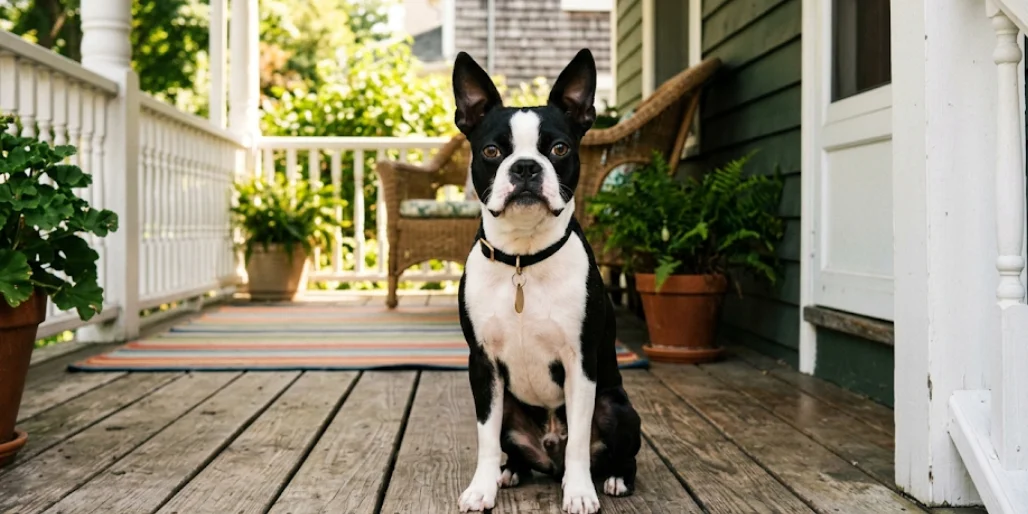
Boston Terriers, nicknamed ‘the American Gentleman’ for their tuxedo-like markings, originated in Boston in the late 19th century from a cross between a Bulldog and the now-extinct English Terrier. Weighing 12-25 pounds, they’re friendly and eager to please, though their brachycephalic (flat) face means extra care around heat and strenuous exercise.
Understanding the Boston Terrier Breed
History and Origins of Boston Terriers
The Boston Terrier dog breed boasts a fascinating history, originating in Boston, Massachusetts, in the late 19th century. This breed was developed from a cross between a Bulldog and the now-extinct English Terrier, initially for pit fighting, though their friendly temperament quickly shifted their purpose. They gained recognition quickly, with the American Kennel Club officially acknowledging the Boston Terrier in 1893, making them one of the first truly American breeds. This heritage has shaped the Boston Terrier’s unique characteristics and overall disposition.
Physical Characteristics of Boston Terriers
Boston Terriers are easily recognizable by their distinctive appearance, often earning them the nickname “the American Gentleman” due to their tuxedo-like markings. They are a brachycephalic breed, meaning they have a short snout and flat face, which contributes to their endearing expression but also requires careful consideration regarding their health. These dogs typically weigh between 12 and 25 pounds, making them a compact and sturdy companion. Their expressive eyes and erect ears add to their alert and intelligent demeanor.
Common Traits of Boston Terrier Puppies
Boston Terrier puppies are bundles of joy, known for their playful energy and eager-to-please nature. Early socialization is crucial for these puppies, helping them grow into well-adjusted adult Boston Terriers. They are generally intelligent and respond well to puppy training, making early training sessions a rewarding experience for both the puppy and the dog owner. Owners of Boston Terrier puppies often find them to be quick learners, especially when positive reinforcement and consistent training are employed.
Temperament of Boston Terriers
Personality Traits of Boston Terriers
Boston Terriers are renowned for their wonderful temperament, earning them the nickname “the American Gentleman.” They are typically very friendly, affectionate, and intelligent, making them excellent companions. This dog breed is eager to please, which often makes training your Boston Terrier a rewarding experience. They thrive on human interaction and can be quite playful, often exhibiting a charming, comical side that endears them to Boston Terrier owners. Their adaptable nature means they can fit into various living situations, from apartments to houses with yards.
Socialization Needs for Boston Terriers
Early socialization is absolutely crucial for Boston Terriers to ensure they grow into well-adjusted and confident adults. Exposing your Boston Terrier puppy to a variety of sights, sounds, people, and other friendly dogs from a young age helps prevent behavioral issues and promotes a well-rounded temperament. Consistent socialization helps them to be comfortable and polite in different environments, reinforcing their natural friendly disposition. It also enhances their eager-to-please nature, making them more responsive to training.
Behavior with Children and Other Pets
Boston Terriers generally get along very well with children and other pets, provided they have been properly socialized. Their gentle and playful nature makes them wonderful family dogs. However, as with any dog breed, supervision is always recommended, especially with very young children, to ensure respectful interactions from both sides. When introducing your Boston Terrier to other pets, particularly smaller ones, a slow and controlled approach will help foster a harmonious household, building on the Boston Terrier’s adaptable and friendly nature.
Caring for Your Boston Terrier
Grooming Requirements for Boston Terriers
Grooming a Boston Terrier is relatively straightforward, thanks to their short, smooth coat. To keep your Boston Terrier’s coat in tip-top condition, regular brushing a few times a week is usually sufficient to remove loose hair and maintain its shine. While they don’t require extensive grooming, occasional baths are necessary to keep them clean. Don’t forget nail trims and ear cleanings as part of their routine care, ensuring their overall comfort and hygiene, making them truly “the American Gentleman.”
Health Concerns in Boston Terriers
As a brachycephalic breed, Boston Terriers are prone to certain health concerns, particularly respiratory issues due to their short snouts. Boston Terrier owners should be vigilant about overheating, especially in warm weather or during strenuous exercise. Other common health conditions include eye problems, patellar luxation, and deafness. Choosing a reputable breeder who screens their dogs for genetic health conditions can significantly reduce the risk of these issues, giving your Boston Terrier the best start in life.
Regular Veterinary Care for Your Boston Terrier
Regular veterinary care is paramount for maintaining the long-term health and well-being of your Boston Terrier. This includes annual check-ups, vaccinations, and parasite prevention to catch any potential health concerns early. Discussing a balanced diet and appropriate dog food with your vet is also essential to manage their weight and overall health. Proactive care ensures your Boston Terrier enjoys a happy and healthy life, addressing any issues before they become serious. For a comprehensive guide to all dog breeds, consider checking out the Pawandbreeds Dog A-Z Breeds Guide.
Training Your Boston Terrier
Basic Commands for Boston Terrier Training
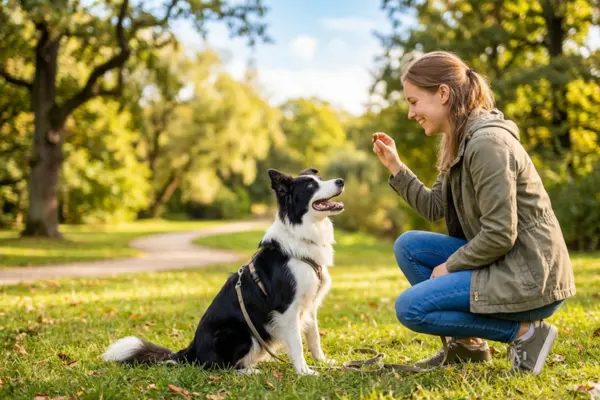
Training your Boston Terrier doesn’t have to be a chore; in fact, it can be an incredibly bonding experience for both you and your new dog! To ensure your Boston Terrier is well-behaved and a joy to be around, starting with basic commands like “sit,” “stay,” “come,” and “down” is fundamental. These intelligent dogs, often described as “eager to please,” respond exceptionally well to positive reinforcement and consistent training sessions, making the process smoother and more enjoyable for every Boston Terrier owner.
Effective Training Techniques for Puppies
When it comes to Boston Terrier puppies, effective training techniques are paramount for shaping their future temperament and behavior. Early puppy training, coupled with consistent socialization, is crucial for your young Boston Terrier dog. Utilize short, frequent training sessions to maintain their focus, and always reward good behavior with treats and praise. This positive reinforcement approach helps build a strong foundation, encouraging your Boston Terrier puppies to become well-adjusted and obedient adult dogs, eager to please their human companions.
Common Training Challenges and Solutions
Even with their eager-to-please nature, Boston Terriers can present some common training challenges. Issues like house-training difficulties or stubbornness are not uncommon. For house-training, consistency with potty breaks and positive reinforcement for outdoor successes are key. If your Boston Terrier is being stubborn, it might simply mean you need to make training more engaging and rewarding. Remember, these brachycephalic dogs thrive on interaction, so turning training into a fun game often yields the best results.
Joining the Boston Terrier Community
Connecting with Other Boston Terrier Owners
Connecting with other Boston Terrier owners is a fantastic way to enrich your experience as a dog owner and gain valuable insights into the breed. There are numerous online forums, social media groups, and local clubs dedicated to the Boston Terrier breed where you can share stories, ask for advice, and even arrange playdates for your Boston Terrier. These communities often provide a wealth of training tips and support for navigating common health concerns, fostering a strong sense of camaraderie among Boston Terrier enthusiasts.
Resources for Boston Terrier Enthusiasts
For any Boston Terrier enthusiast, a plethora of resources exist to deepen your understanding and care for this charming dog breed. Beyond connecting with fellow Boston Terrier owners, consider exploring breed-specific books, reputable websites, and even joining a local Boston Terrier club. These resources often provide comprehensive guides on everything from temperament and grooming to health concerns and advanced dog training techniques, ensuring you have all the information needed to give your Boston Terrier the best possible life.
Final Thoughts on Boston Terriers and Their Care
In conclusion, adding a Boston Terrier to your family brings immense joy and companionship. These “American Gentleman” dogs, with their unique tuxedo markings and eager-to-please temperament, thrive on love, consistent care, and proper socialization. By understanding their grooming needs, being proactive about potential health concerns, and committing to ongoing training, you ensure a happy and healthy life for your Boston Terrier. Embrace the journey of being a Boston Terrier owner, and you’ll discover an unparalleled bond with this truly special dog breed.
FAQ’s
Q: What do Boston Terriers look like exactly?
A: So Boston Terriers typically have that classic tuxedo coat pattern – black or brindle with white markings, kinda looks like they’re dressed up for a fancy party all the time! That’s actually why people call them “the American gentleman” as a nickname. They’ve got big round eyes, bat-like ears standing straight up, and a short little tail. Since Boston Terriers are brachycephalic (meaning they have that squished flat face), you’ll notice their nose is pretty short too. The breed standard recognized by the American Kennel Club is pretty specific about size, usually ranging from 12-25 pounds, so they’re a nice compact dog breed for apartment living.
Q: What are the main Boston Terrier traits I should know about?
A: Honestly, Boston terrier traits are what make this breed so darn lovable. They’re super friendly, love being around people, and genuinely just wanna hang out with their family all day. Boston terriers are intelligent, which is great news if you’re into dog training, but it also means they can get bored easily if you don’t keep them mentally stimulated. Another big thing? Boston terriers are sensitive dogs emotionally, so harsh training methods or yelling really doesn’t work well with them. They do best with positive reinforcement and gentle guidance.
Q: Are Boston Terriers descended from English Terriers?
A: Yeah, actually! The breed’s history traces back to crosses between English Terriers and a white English Terrier, mixed with some Bulldog too. This mix created the unique look and personality we know today. It’s kinda funny how such a distinctly American breed (hence the nickname) actually has British roots in its ancestry.
Q: What health concerns should I watch for with this breed?
A: This is super important stuff for prospective Boston Terrier owners to understand before bringing one home. Common Boston Terrier health concerns include breathing issues (again, that brachycephalic thing), eye problems since their eyes are pretty prominent, and some joint issues too. Certain health issues are just more common in flat-faced breeds generally, so regular vet checkups become extra important for Boston Terriers throughout their life. Don’t let this scare you off though – many Bostons live healthy lives when pet owners stay on top of preventive care.
Q: What do Boston Terriers need on a daily basis?
A: Boston Terriers need way less exercise than you might think, which is awesome for people with busy schedules or smaller living spaces. A couple short walks and some playtime indoors usually does the trick. That said, they still need mental stimulation, quality food, regular grooming (though their coat is low maintenance), and tons of affection. Since Boston terriers are sensitive to extreme temperatures because of their flat faces, they need protection from both intense heat and cold too.
Q: I just adopted a Boston Terrier – what’s house training gonna be like?
A: Congrats on your new addition! House training a Boston Terrier is usually pretty manageable since they’re smart and eager to please their humans. Consistency is key here – regular potty breaks, positive reinforcement when they go outside, and patience during accidents. If you’re adopting a Boston Terrier puppy specifically, expect the process to take a few weeks to a couple months depending on your consistency. Crate training often speeds things up too since Bostons generally dislike soiling their sleeping space.
Q: Do Boston Terriers do well with dog sports and training?
A: Definitely! Since they’re such an intelligent and food-motivated dog breed, Boston Terriers often excel at dog sports like agility, rally obedience, and even trick training. Their smaller size doesn’t hold them back at all in competition settings. Just remember their breathing limitations mean you gotta watch for overheating during intense activity – keep sessions shorter and take plenty of breaks, especially in warm weather.
Q: What should prospective Boston Terrier owners consider before getting one?
A: Great question! Prospective Boston Terrier owners should think about their living situation first – these dogs genuinely need to be indoor companions, not backyard dogs, since they’re sensitive to weather extremes. You should also budget for potential vet visits related to breed-specific health issues. Boston Terriers benefit tremendously from consistent training, socialization early on, and just general companionship since they don’t love being left alone for super long periods. If you want a affectionate, adaptable buddy who doesn’t need marathon exercise sessions, this could honestly be your perfect match.
Q: Is the Boston Terrier a good family dog overall?
A: Absolutely, yes! This breed tends to be great with kids, other pets, and pretty much everyone they meet. Boston terriers typically have this cheerful, adaptable personality that fits into all sorts of household situations, whether you’re single, have a big family, or are retired. Their moderate size and generally easygoing nature make them one of the more versatile breeds out there. Just keep those breed specific health considerations in mind and you’re golden.