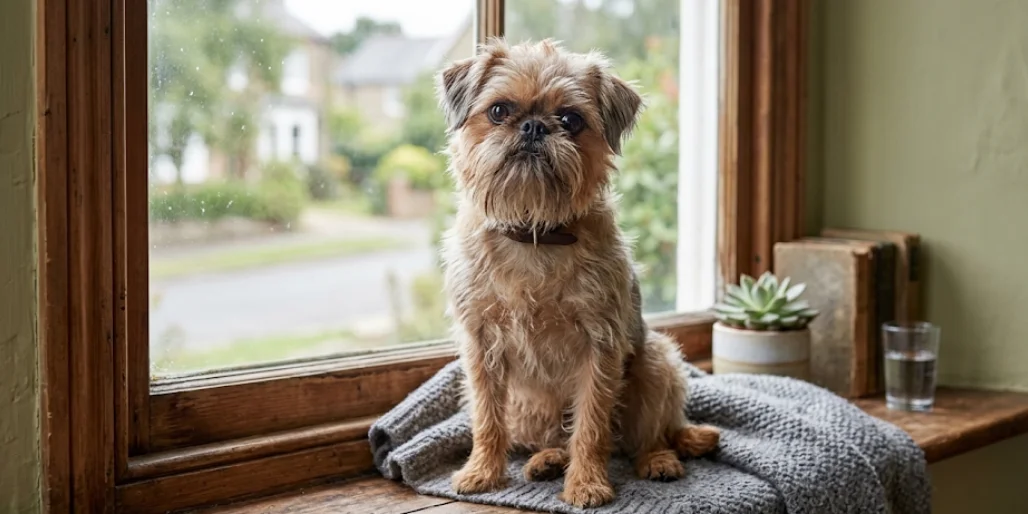
Brussels Griffons are a toy breed weighing 8-12 pounds, known for their strikingly human-like expression and compact, big-personality build. Originally bred in Brussels, Belgium to hunt rats in stables, they come in rough-coated and smooth-coated varieties and are famously devoted to their families, though their pushed-in face means extra care around heat and exercise.
Understanding the Brussels Griffon
Overview of the Breed
The Brussels Griffon, a captivating toy breed, is known for its distinctive human-like expression and compact size. This small dog possesses a big personality, making the Brussels Griffon a truly unique companion. As a dedicated owner, understanding this breed’s specific needs, from grooming to temperament, is crucial for a happy and healthy life.
History of the Brussels Griffon
Originating in Brussels, Belgium, the Brussels Griffon breed was initially bred to hunt and eliminate rats in stables. These griffons, often depicted in Flemish paintings, rapidly gained popularity among the aristocracy, transforming from working dogs into cherished companions. Their unique history contributes to the Brussels Griffon dog breed’s resilient and charming temperament.
Characteristics of the Griffon
The Brussels Griffon is characterized by its small size, typically weighing between 8-12 pounds. They can have either a rough-coated or smooth-coated appearance, with rough-coated Brussels Griffons requiring more specific grooming. Their prominent eyes and pushed-in face are signature traits, although this brachycephalic feature requires careful attention to health.
Temperament and Behavior
Socialization Needs
Early socialization is key for Brussels Griffon puppies to develop into well-adjusted adults. Exposing your pup to various sights, sounds, and experiences helps them become more confident and less prone to timidity. A well-socialized Brussels Griffon will generally be more adaptable and comfortable in different environments and around new people.
Family Interaction and Traits
Brussels Griffons are incredibly affectionate and thrive on human companionship. They are known for their devotion to their families and often form strong bonds. These small dogs with big personalities love to be involved in family activities and can be quite playful, making them wonderful additions to most households that can offer consistent attention.
Easy to Train: Tips and Techniques
Brussels Griffons are intelligent and respond well to positive reinforcement methods during training. Consistent, short, and fun training sessions will yield the best results. Harsh correction should be avoided as it can be detrimental to their sensitive nature. They enjoy learning and mastering new commands when the process is engaging and rewarding.
Care and Grooming
Daily Care Requirements
Providing consistent daily care is essential for a happy and healthy Brussels Griffon. These affectionate small dogs thrive on routine and attention. Daily walks, even short ones, are important for both physical exercise and mental stimulation, helping to manage their energetic temperament. Regular playtime also helps prevent boredom and potential separation anxiety when you’re away.
Grooming Tips for Brussels Griffons
Grooming your Brussels Griffon depends on whether you have a rough-coated or smooth-coated variety. Rough-coated Brussels Griffons require more frequent attention, including regular brushing to prevent matting of their wiry coat and professional trimming every few months. Smooth-coated Brussels Griffons, with their smooth coat, are lower maintenance but still benefit from regular brushing to keep their coat healthy and shiny. Don’t forget dental care, as dental disease is a common health concern in small breeds.
Dog Food Recommendations
Choosing the right dog food is crucial for your Brussels Griffon’s overall health and lifespan. Given their small size, selecting a high-quality small breed formula is often recommended. Look for dog food that lists real meat as the first ingredient and avoids excessive fillers. Always consult your veterinarian for specific dietary recommendations tailored to your Brussels Griffon dog’s age, activity level, and any specific health conditions.
Health Considerations
Brachycephalic Traits and Health Risks
The Brussels Griffon is a brachycephalic breed, meaning they have a pushed-in face and prominent eyes. While endearing, these brachycephalic traits can lead to specific health concerns like Brachycephalic Obstructive Airway Syndrome (BOAS). Owners should be vigilant for signs of difficulty breathing, especially during exercise or in hot weather, and avoid strenuous activity to prevent obstructive airway issues.
Common Health Issues in Brussels Griffons
Beyond BOAS, Brussels Griffons can be prone to other health conditions. Luxating patellas, a common issue in small dogs where the kneecap slips out of place, is one concern. They can also be susceptible to hip dysplasia, though less common than in larger breeds, and eye problems due to their prominent eyes. Regular check-ups with your veterinarian are vital for early detection and management of these health concerns, ensuring your Brussels Griffon lives a long and healthy life. Syringomyelia is another condition to be aware of.
Choosing a Responsible Breeder
Selecting a responsible breeder is paramount when bringing a Brussels Griffon puppy into your home. A good breeder will conduct health screenings on their breeding dogs for common breed issues like BOAS, luxating patellas, and hip dysplasia, providing you with healthy Brussels Griffon puppies. They should be transparent about the health history of the pup’s parents and offer ongoing support. Pawandbreeds and Dog A-Z Breeds Guide are good resources to research responsible breeders who prioritize the health and temperament of their Brussels Griffon breed.
Frequently Asked Questions
What Do Brussels Griffons Need?
Brussels Griffons thrive on companionship and routine, making them quite easy to care for if you understand their specific needs. They definitely need plenty of human interaction, consistent positive reinforcement training, and a comfortable indoor environment, as their small size and brachycephalic traits mean they aren’t suited for outdoor living. Regular, short daily walks and playtime are also crucial for their physical and mental well-being, helping to manage their energetic yet affectionate temperament.
Are Brussels Griffons Suitable for Families?
Yes, Brussels Griffons can be wonderful family dogs, especially for families who understand their need for gentle handling and consistent attention. These affectionate small dogs with big personalities typically bond closely with their human family members and enjoy being part of all activities. However, due to their small size, they might not be the best fit for homes with very young children who might not yet understand how to interact gently with a delicate toy breed.
How Much Exercise Do They Require?
Despite their energetic demeanor, Brussels Griffons do not require extensive exercise. A couple of short daily walks and regular indoor playtime are usually sufficient to meet their exercise needs. It’s important to monitor them, especially in hot weather, as their brachycephalic nature can make them prone to obstructive airway issues if overexerted. Mental stimulation through training and puzzle toys is also a great way to keep this intelligent breed engaged.
Conclusion
Summary of Care Tips
To ensure your Brussels Griffon lives a long and healthy life, consistent care is key. This includes regular grooming, whether it’s daily brushing for rough-coated varieties or occasional care for smooth-coated Brussels Griffons, and meticulous dental care to prevent dental disease. Provide high-quality dog food suitable for small breeds, engage in moderate daily walks and playtime, and ensure routine veterinary check-ups to monitor for common health conditions like luxating patellas or concerns related to their brachycephalic features.
Importance of Knowledge from Dog A-Z Breeds Guide
Utilizing resources like the Dog A-Z Breeds Guide is incredibly important for any prospective or current Brussels Griffon owner. Such a comprehensive breed guide offers invaluable insights into the specific temperament, health considerations, and care requirements of the Brussels Griffon dog breed. This knowledge empowers owners to make informed decisions about their pup’s well-being, from recognizing signs of syringomyelia to understanding the best socialization practices for their affectionate companion.
Final Thoughts on Paw and Breeds
When it comes to bringing a Brussels Griffon into your home, beginning your journey with reliable information is paramount. Pawandbreeds serves as an excellent starting point for researching responsible breeders who prioritize the health and ethical breeding of Brussels Griffons. By choosing a reputable breeder and continuously educating yourself through comprehensive breed guides, you’ll be well-equipped to provide a loving and healthy environment for your cherished Brussels Griffon puppy.
FAQ’s
Q: What exactly is the Brussels Griffon breed, and where did it come from?
A: So the Brussels Griffon comes from, you guessed it, Belgium! This little dog breed guide favorite originated in Belgium back in the 1800s, where it was actually bred to hunt rats in stables. Fancy, right? It’s also called Griffon Bruxellois or sometimes Griffon Belge depending on where you are in the world. Over time it went from scrappy stable dog to fancy lapdog, and honestly the glow-up is impressive.
Q: Is the Brussels Griffon considered a toy breed?
A: Yep, totally a toy breed! These little guys usually weigh between 6-12 pounds, so they’re pretty compact. Don’t let the small size fool you though, because Brussels Griffons are big personalities packed into a tiny body. They act like they own the place no matter how big or small it is.
Q: What’s the temperament like? Are they boisterous or chill?
A: Honestly, expect boisterous energy from these pups. They’re alert, sassy, and super attached to their humans. They’re also known for their expressive faces, like they’re constantly judging you (in a loving way, of course). They tend to be eager to please, but they’ve also got a stubborn streak that shows up when you least expect it.
Q: Do Brussels Griffons come in different colors and coat types?
A: They sure do! Brussels Griffons come in four colors: red, black, black and tan, and belge (a mix of red, black, and brown hairs). As for texture and color of the coat, you’ll find two varieties, rough or smooth. The rough coat needs hand-stripping to keep its texture looking right, while the smooth coat just needs regular brushing and some occasional clipping for tidiness.
Q: How much exercise does a Brussels Griffon pup actually need?
A: Good news for apartment dwellers, this breed has moderate exercise needs. A short walk or two plus some playtime indoors usually covers their exercise per day requirement. They’re not marathon runners, they just want to be wherever you are, doing whatever you’re doing.
Q: Are Brussels Griffons easy to train?
A: They can be, since they’re eager to please, but they’re also sensitive little souls. They don’t respond well to harsh correction, so keep training positive and reward-based. Treats, praise, patience, that’s the winning combo here. Yell at them and you’ll just get a hurt, confused face staring back at you.
Q: What health issues should I watch out for with this breed?
A: Like most flat-faced breeds, Brussels Griffons can have some breathing issues due to their smooshed little faces. They’re also prone to patellar luxation (basically kneecap slipping) and progressive retinal atrophy, which affects their eyesight over time. Regular vet care and checkups go a long way in catching stuff early. Overall though, it’s considered a healthy breed when properly looked after.
Q: How long do Brussels Griffons typically live?
A: With good care, you’re looking at a lifespan of about 12–15 years. That’s a pretty solid run for a toy breed, so you’ll have plenty of time to enjoy their quirky personality.
Q: Can Brussels Griffons be left alone during the day?
A: Not really their favorite thing, honestly. They can develop separation anxiety if left alone for long periods, since they bond so closely with their owners. If you’re gone a lot, supervision is recommended, or at least make sure someone can check in on them and keep them company.
Q: Is there a national Brussels Griffon club or resource for owners?
A: Yup, there’s the National Brussels Griffon club (the American Brussels Griffon Association) which is a great resource if you want breed standards, health info, or just to connect with other griffon-obsessed folks. Definitely worth checking out if you’re thinking about bringing one of these pups home.